- Riboflavin (B2) is essential for maintaining ocular health and skin integrity, acting as a critical co-factor in energy metabolism and antioxidant defense.
- Dietary intake is the primary method of maintenance; sources like dairy, lean meats, eggs, and dark leafy greens are highly bioavailable for older adults.
- Monitor for deficiency symptoms such as dry skin, cracked lips (angular cheilitis), or light sensitivity, and consult a healthcare provider before starting high-dose supplementation, as B2 can interact with certain medications.
Understanding the Role of Riboflavin in Your Daily Health
For adults aged 60 to 80, the body’s metabolic processes undergo subtle changes that require a more precise approach to micronutrient intake. Among the B-complex vitamins, Riboflavin (Vitamin B2) often goes overlooked, yet it serves as a cornerstone for maintaining two of the most critical aspects of aging gracefully: the health of our eyes and the integrity of our skin.
Riboflavin is a water-soluble vitamin, meaning the body does not store it in significant quantities. Unlike fat-soluble vitamins that accumulate in the liver, Vitamin B2 must be replenished through consistent dietary habits. As we age, our digestive efficiency may decline, making it essential to prioritize nutrient-dense food choices that provide high bioavailability—the rate at which your body can actually absorb and utilize a nutrient.
This article explores how Riboflavin functions within the body, why it is particularly relevant for the demographic of 60 to 80, and how you can practically incorporate it into your daily routine to support long-term wellness.
How Riboflavin Supports Ocular Health
The eyes are metabolically active organs that require constant protection from oxidative stress. Oxidative stress occurs when there is an imbalance between free radicals—unstable molecules that can damage cells—and antioxidants, which neutralize them. Riboflavin plays a dual role here: it is a precursor to flavin adenine dinucleotide (FAD) and flavin mononucleotide (FMN), two coenzymes required for the activation of glutathione, one of the body’s most potent endogenous antioxidants.
The Link to Cataract Prevention
Research suggests that adequate levels of Riboflavin, in conjunction with other antioxidants, may help reduce the risk of age-related cataracts. Cataracts involve the clouding of the eye’s natural lens, often caused by the oxidative denaturation of lens proteins. By supporting the glutathione system, Riboflavin helps maintain the clarity and structural integrity of the lens.
Managing Light Sensitivity
Many older adults experience increased light sensitivity (photophobia) or eye fatigue. While these symptoms can be related to various conditions, a deficiency in Vitamin B2 has historically been linked to increased ocular sensitivity. Ensuring your daily intake meets the recommended guidelines may help alleviate unnecessary discomfort associated with normal daily activities, such as reading or driving during daylight hours.

Riboflavin and the Integrity of Aging Skin
As we reach our 60s, our skin undergoes structural changes including reduced collagen production and decreased moisture retention. Riboflavin is vital for skin health because it facilitates the metabolism of other B vitamins, such as Niacin (Vitamin B3) and B6, which are necessary for skin repair and the maintenance of the epithelial barrier.
Addressing Angular Cheilitis and Dryness
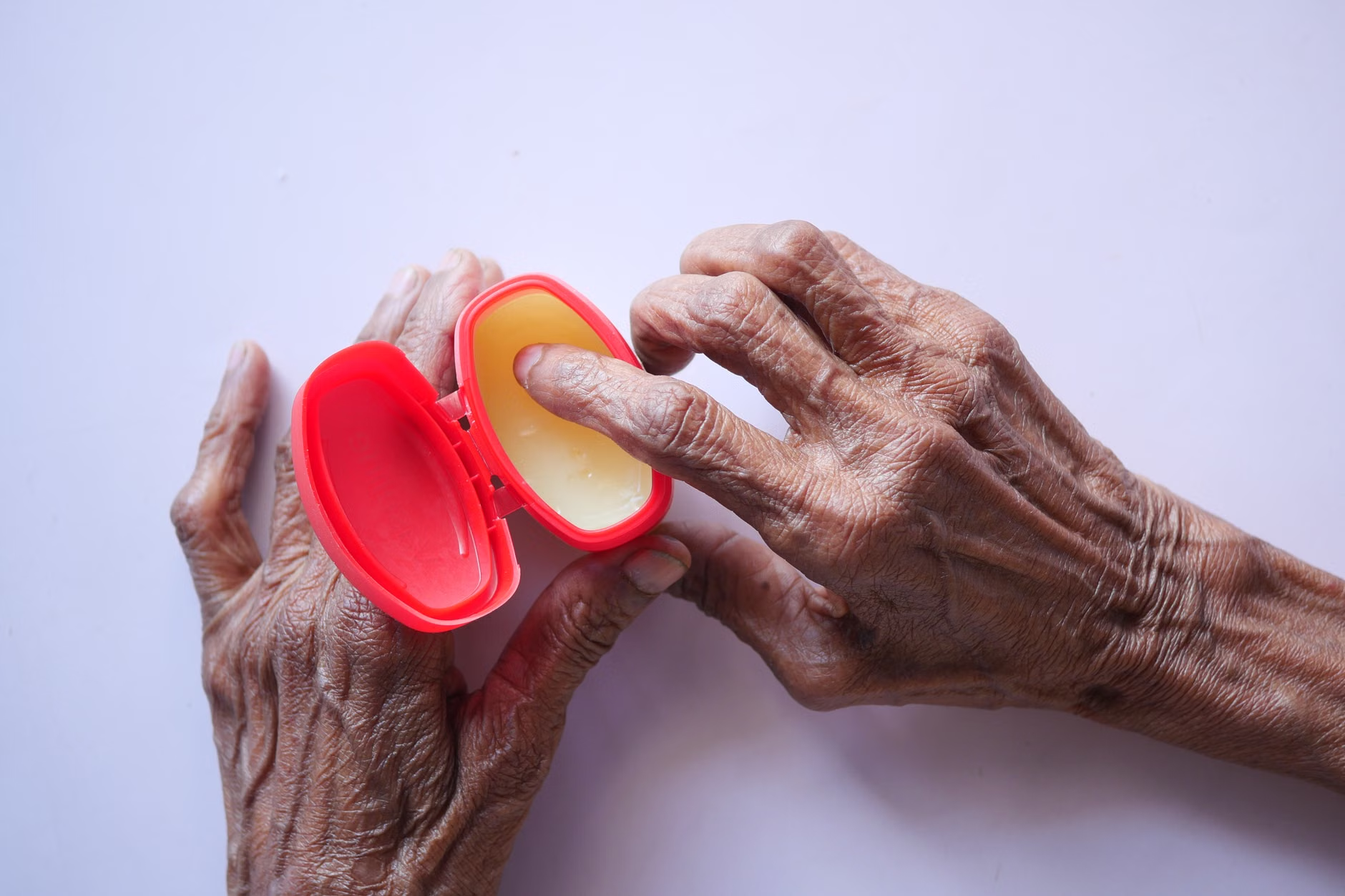
One of the classic clinical signs of a Riboflavin deficiency is angular cheilitis—painful, cracked sores at the corners of the mouth. While this can be caused by various factors like ill-fitting dentures or fungal infections, it is also a well-documented marker of B2 deficiency. Furthermore, adequate Riboflavin levels contribute to the skin’s ability to maintain its moisture balance and repair itself after minor environmental damage.
Practical Tip: If you notice persistent dryness or cracks at the corners of your mouth that do not heal with standard lip balms, it is a clear indicator to review your nutritional intake or consult a dermatologist to rule out nutritional deficiencies.
Identifying High-Quality Dietary Sources
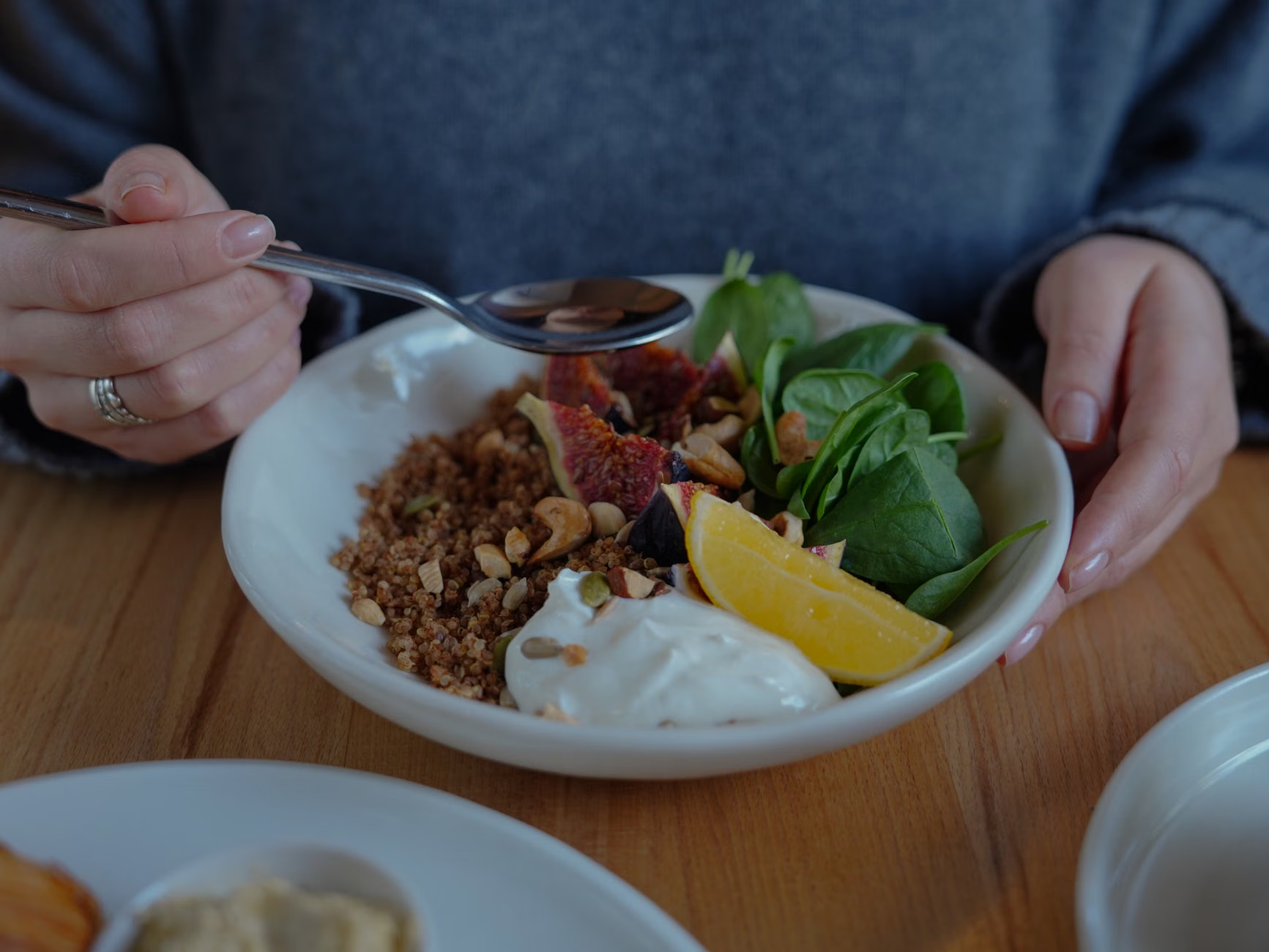
The most effective way to obtain Vitamin B2 is through a balanced diet. Because B2 is water-soluble and sensitive to light, the way you store and prepare your food matters significantly.
| Food Group | Examples | Why it’s effective for seniors |
|---|---|---|
| Dairy Products | Milk, Yogurt, Cheese | High bioavailability; also provides calcium for bone health. |
| Lean Proteins | Eggs, Salmon, Lean Beef | Rich in essential amino acids and B-vitamins for muscle maintenance. |
| Dark Leafy Greens | Spinach, Broccoli, Asparagus | Provides fiber and antioxidants; best when lightly steamed to preserve B2. |
| Fortified Grains | Cereals, Whole-wheat bread | Easy to incorporate, but check labels for added sugar. |
The Impact of Food Preparation
Riboflavin is sensitive to ultraviolet (UV) light. For example, milk stored in clear glass bottles loses a significant amount of its B2 content when exposed to sunlight. To maximize your intake:
- Store milk and dairy in opaque containers.
- Avoid over-boiling vegetables; steaming or microwaving preserves more water-soluble vitamins than boiling, where the nutrients leach into the cooking water.
- If you must boil vegetables, use the cooking water in soups or stews to retain the nutrients.
While food is the preferred source, some individuals may require supplementation due to malabsorption issues, specific medical conditions, or medications that interfere with B-vitamin levels. For instance, certain diuretics used for hypertension can increase the excretion of water-soluble vitamins.
The Decision Framework for Supplementation
Before adding a supplement, consider the following checklist:
- Medication Review: Are you on medications for blood pressure or chronic conditions? Some drugs deplete B-vitamins. Ask your pharmacist specifically: “Does my medication affect my body’s ability to absorb or retain Vitamin B2?”
- Digestive Health: If you suffer from conditions like celiac disease or chronic inflammatory bowel issues, your absorption rate may be lower than average.
- Dosage Awareness: Riboflavin is generally considered safe, even at higher doses, because the body excretes excess via urine (which may turn a bright yellow color—this is harmless). However, high doses can interfere with lab tests or other medications.
Important Warning: Never treat a symptom (like vision changes) with supplements alone. Always consult your primary care physician to ensure that the symptom is not a sign of a condition requiring medical intervention, such as macular degeneration or chronic skin disorders.
Advanced Considerations: The “Invisible” Variables
Beyond basic intake, there are two often-overlooked variables that affect B2 status in older adults: alcohol consumption and stress.
Alcohol Intake: Even moderate alcohol consumption can interfere with the absorption of B-complex vitamins. If you enjoy a glass of wine or a cocktail, ensure you are pairing it with a meal rich in B2-containing foods to mitigate potential depletion.
Chronic Stress: While we often think of stress in psychological terms, the body’s physiological response to stress increases the demand for B-vitamins. Maintaining a consistent routine that includes adequate sleep and nutrient-rich meals acts as a buffer against the metabolic tax of long-term stress.
Synthesizing Habits for Long-Term Wellness
Maintaining your health in your 60s, 70s, and 80s is less about “superfoods” and more about the consistency of small, informed choices. By ensuring your daily diet includes a variety of sources—such as a morning yogurt, an egg at breakfast, or a serving of steamed spinach—you are building a foundation of protection for your eyes and skin.
If you choose to supplement, view it as a bridge, not a foundation. Always prioritize whole foods first. If you are experiencing symptoms like persistent eye discomfort or skin issues, record the frequency and duration of these issues before your next doctor’s appointment. This information allows your healthcare provider to give you targeted, professional advice rather than generic recommendations.
Ultimately, Vitamin B2 is a quiet hero of nutrition. It doesn’t promise instant transformation, but it reliably supports the cellular processes that keep your eyes clear and your skin resilient. By paying attention to how you store your food, how you prepare your meals, and how you interact with your healthcare provider, you can effectively leverage this essential nutrient to support your daily well-being.
Sources and Further Reading
- National Institutes of Health (NIH) – Office of Dietary Supplements: Riboflavin Fact Sheet for Health Professionals
- Harvard T.H. Chan School of Public Health: The Nutrition Source: Vitamin B2 (Riboflavin)
Frequently Asked Questions
1. Why is my urine bright yellow after taking a B-complex supplement?
This is a completely normal and harmless effect. Riboflavin (Vitamin B2) has a natural fluorescent yellow-orange pigment. When you consume more than your body needs at that moment, the excess is filtered by your kidneys and excreted in your urine, coloring it bright yellow.
2. Can I get enough Riboflavin from a plant-based diet?
Yes. While dairy and meat are common sources, you can obtain sufficient Riboflavin from plant-based foods including almonds, mushrooms, fortified cereals, spinach, and legumes. If you are strictly vegan, it is advisable to ensure you are consuming enough fortified foods or to discuss a B-complex supplement with your doctor.
3. Does cooking destroy the Riboflavin in my food?
Riboflavin is heat-stable, meaning it is not destroyed by normal cooking temperatures. However, it is sensitive to light and is water-soluble. To prevent loss, avoid storing milk in clear glass and try to steam or microwave vegetables rather than boiling them in large amounts of water that you discard.
Disclaimer: This article is for informational purposes only and does not constitute medical advice, diagnosis, or treatment. Always seek the advice of your physician or other qualified health provider with any questions you may have regarding a medical condition or dietary changes.