Key Takeaways
- Controlled Motion: Seated leg-swings improve hip joint lubrication and range of motion without the balance risks associated with standing exercises.
- Daily Consistency: Performing 2–3 sets of 10–15 repetitions daily is more effective for long-term mobility than sporadic, high-intensity sessions.
- Listen to Your Joints: Any sensation of sharp pain or grinding indicates an immediate need to adjust your range of motion or consult a physical therapist.
Understanding Hip Mobility in Later Life
As we navigate our 60s, 70s, and beyond, the health of our hip joints becomes a cornerstone of our overall independence. The hip is a ball-and-socket joint designed for a wide range of movement; however, inactivity or repetitive, restricted movement patterns can lead to stiffness, reduced synovial fluid circulation, and a gradual shortening of the surrounding muscles and connective tissues.
Seated leg-swings are a low-impact, high-reward exercise that targets the hip flexors, extensors, and abductors while keeping your center of gravity stable. Unlike standing exercises, which require significant balance and core stabilization, the seated version allows you to isolate the hip joint and work through a controlled arc of motion. This is particularly beneficial for those who may be managing mild arthritis, recovering from minor soft-tissue strains, or simply looking to maintain functional movement for daily tasks like walking, climbing stairs, or getting in and out of vehicles.
The Mechanics of the Seated Leg-Swing
To understand why this movement is effective, we must look at what happens inside the joint. When you swing your leg in a controlled, rhythmic fashion, you are encouraging the production and distribution of synovial fluid—the body’s natural lubricant—within the hip capsule. This helps reduce the “creaky” feeling often associated with prolonged sitting.
Step-by-Step Execution
Before beginning, ensure you are using a chair that is stable, non-rolling, and allows your feet to rest flat on the floor with your knees at a 90-degree angle.
- Positioning: Sit tall at the edge of your chair. Keep your feet hip-width apart. Engage your core gently to keep your spine neutral; avoid slouching or leaning backward.
- The Movement: Lift one foot slightly off the floor, keeping the knee bent. Gently swing your lower leg forward and backward, using the hip as the hinge point.
- Range of Motion: Start with a small, comfortable arc. Do not force the leg to swing higher than feels natural. The goal is fluid movement, not high-intensity stretching.
- Control: The speed should be slow and rhythmic. Avoid using momentum to “throw” your leg; instead, use your hip muscles to move the limb through space.

Comparing Exercise Modalities for Hip Health
Choosing the right exercise depends on your current mobility baseline. The following table compares seated leg-swings with other common methods.
| Exercise Method | Primary Benefit | Risk Level | Ideal For |
|---|---|---|---|
| Seated Leg-Swings | Lubrication & Mobility | Very Low | Daily maintenance, stiffness recovery |
| Standing Hip Abduction | Strength & Balance | Moderate | Fall prevention, muscle toning |
| Stationary Cycling | Cardiovascular & Range | Low | Endurance, joint fluidity |
If you are experiencing significant pain, standing exercises may aggravate the joint. In such cases, seated movements provide the necessary stimulation for the joint tissues while minimizing the compressive force that weight-bearing exercises place on an inflamed or irritated joint.
Addressing Common Mistakes and Safety Considerations
Even simple exercises carry risks if performed incorrectly. A common error is “cheating” the movement by tilting the pelvis or leaning the torso to gain extra height. This shifts the stress away from the hip joint and onto the lower lumbar spine, which can lead to back discomfort. Always maintain an upright posture.
Warning Signs: If you feel sharp, stabbing pain, or if you hear a consistent clicking sound followed by discomfort, stop immediately. These can be indicators of labral irritation or impingement. In these instances, you should seek a consultation with a physical therapist to identify the specific structural cause before continuing your exercise routine.
Integrating Resistance (Advanced)
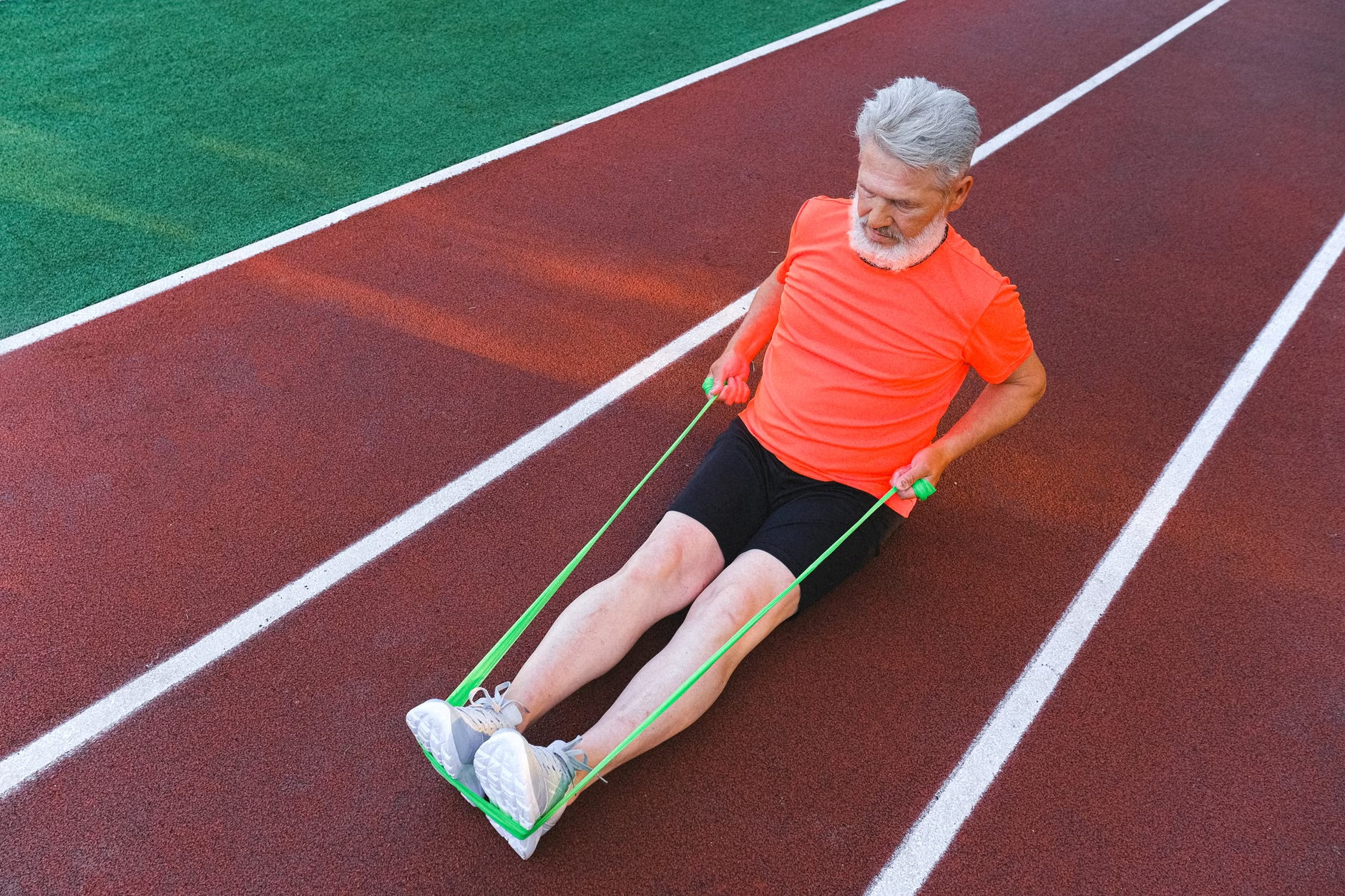
Once you are comfortable with the basic movement, you may consider adding light resistance using a therapeutic band. This should only be done if you can perform 20 repetitions of the basic movement without any discomfort or loss of form.
When to Consult a Professional
Preventive health is proactive, not reactive. If you are starting a new exercise regimen, it is wise to speak with a healthcare provider, especially if you have a history of hip replacement, bursitis, or chronic low back pain. When preparing for this appointment, bring a list of your daily activities, any discomfort you have experienced, and a description of your current exercise routine. This allows the professional to provide tailored advice rather than generic recommendations.
For more information on clinical guidelines for hip health, you can visit the National Institute of Arthritis and Musculoskeletal and Skin Diseases (NIAMS) for resources on joint maintenance and healthy aging.
Conclusion: The Path to Long-Term Mobility
Maintaining hip mobility is not about achieving extreme flexibility; it is about ensuring that your joints remain functional for the activities you enjoy. Seated leg-swings offer a safe, accessible, and effective way to protect your hip health daily. By focusing on consistency, control, and listening to your body’s signals, you can build a sustainable habit that supports your independence for years to come.
Frequently Asked Questions
- How often should I perform these leg-swings?
Ideally, perform them daily. Because they are low-impact, they do not require long recovery periods. Two or three sets of 10–15 repetitions per leg each morning can help reduce stiffness accumulated overnight. - Can this exercise help with hip arthritis?
Yes, movement is generally recommended for managing arthritis symptoms. However, if you have severe osteoarthritis, consult your physician to ensure that the range of motion you are using is appropriate for your specific joint condition. - What if I feel stiff after sitting for a long time?
This is a perfect time to do leg-swings. Taking two minutes to perform these movements every hour or two during long periods of sitting can significantly improve circulation and reduce the stiffness that often follows sedentary activity.