- Joining a gardening group provides a structured, low-impact way to maintain physical mobility and strength while fostering meaningful social connections.
- Community gardening acts as a “third space” that bridges the gap between home and public life, reducing isolation and promoting cognitive engagement.
- When choosing a group, prioritize accessibility features like raised beds, paved pathways, and shaded rest areas to ensure long-term comfort and safety.
Gardening is often viewed as a solitary pursuit—a quiet morning spent tending to roses or weeding a vegetable patch. However, for adults aged 60 to 80, the transition from individual gardening to participating in a local gardening group offers a profound shift in both physical health and social well-being. By moving the hobby into a communal setting, you gain access to shared knowledge, collaborative physical activity, and a consistent social anchor that encourages active aging.
The Social Architecture of Community Gardens
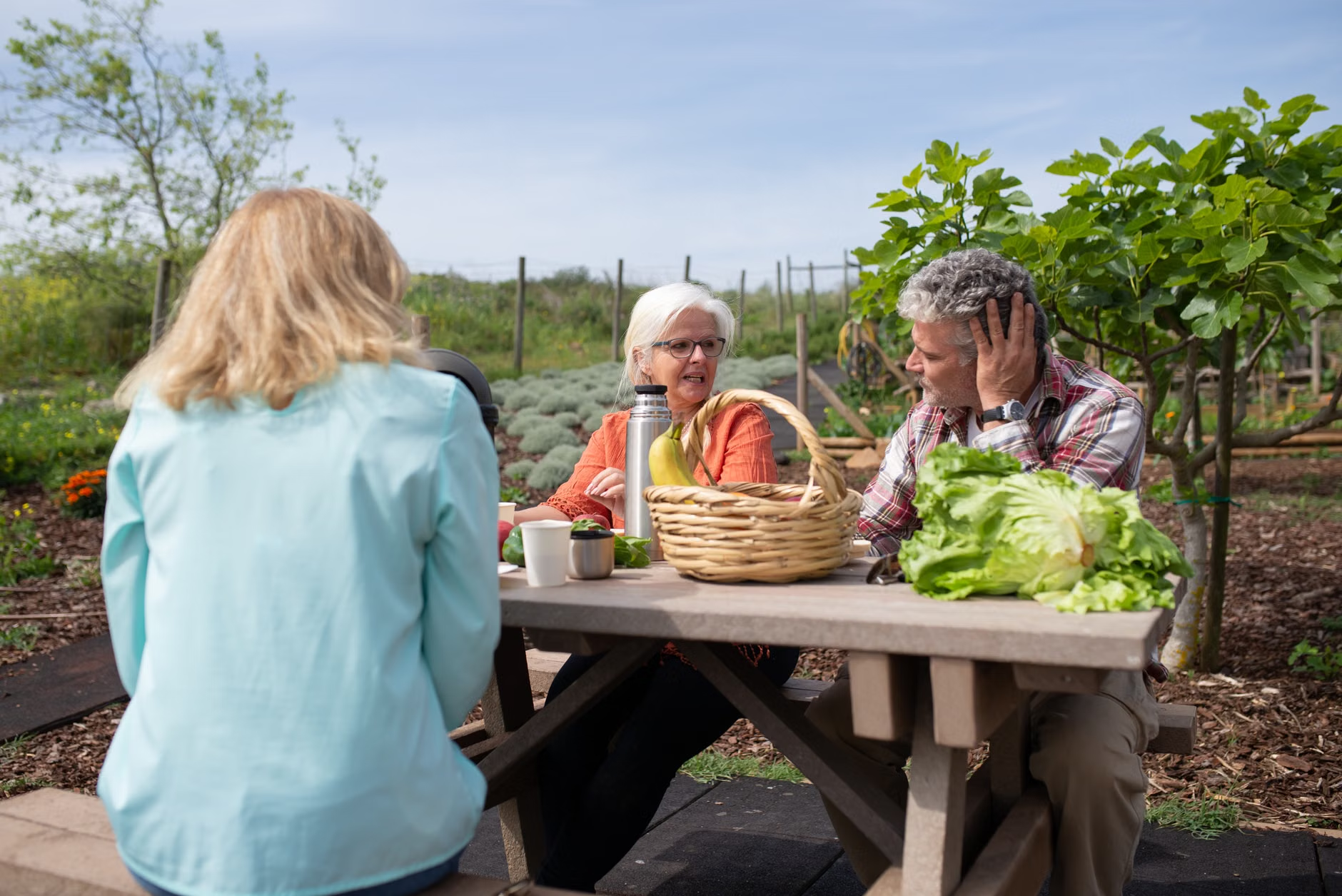
Loneliness and social isolation are recognized by health organizations globally as significant factors impacting the health of older adults. A community garden serves as a “third space”—a location distinct from home and the workplace (or former workplace) where people gather informally. Unlike clubs that require formal membership or structured meetings, gardening groups often function on a rhythm of shared tasks and spontaneous conversation.
The social benefit here is not merely “talking to people.” It is the formation of a shared identity. When you work alongside others toward a common goal—such as harvesting seasonal crops or preparing beds for winter—you participate in a collaborative project. This reduces the pressure of “making small talk” because the focus remains on the task at hand. For many, this is the most comfortable way to build new friendships.
The Role of Intergenerational Exchange
Many local gardening groups are intergenerational. While this might seem daunting, it offers unique benefits. Younger participants often look to older members for their “institutional knowledge”—the wisdom gained from decades of trial and error with local soil and weather patterns. This exchange validates your life experience and keeps you mentally sharp, as you are required to teach, demonstrate, and problem-solve in real-time.
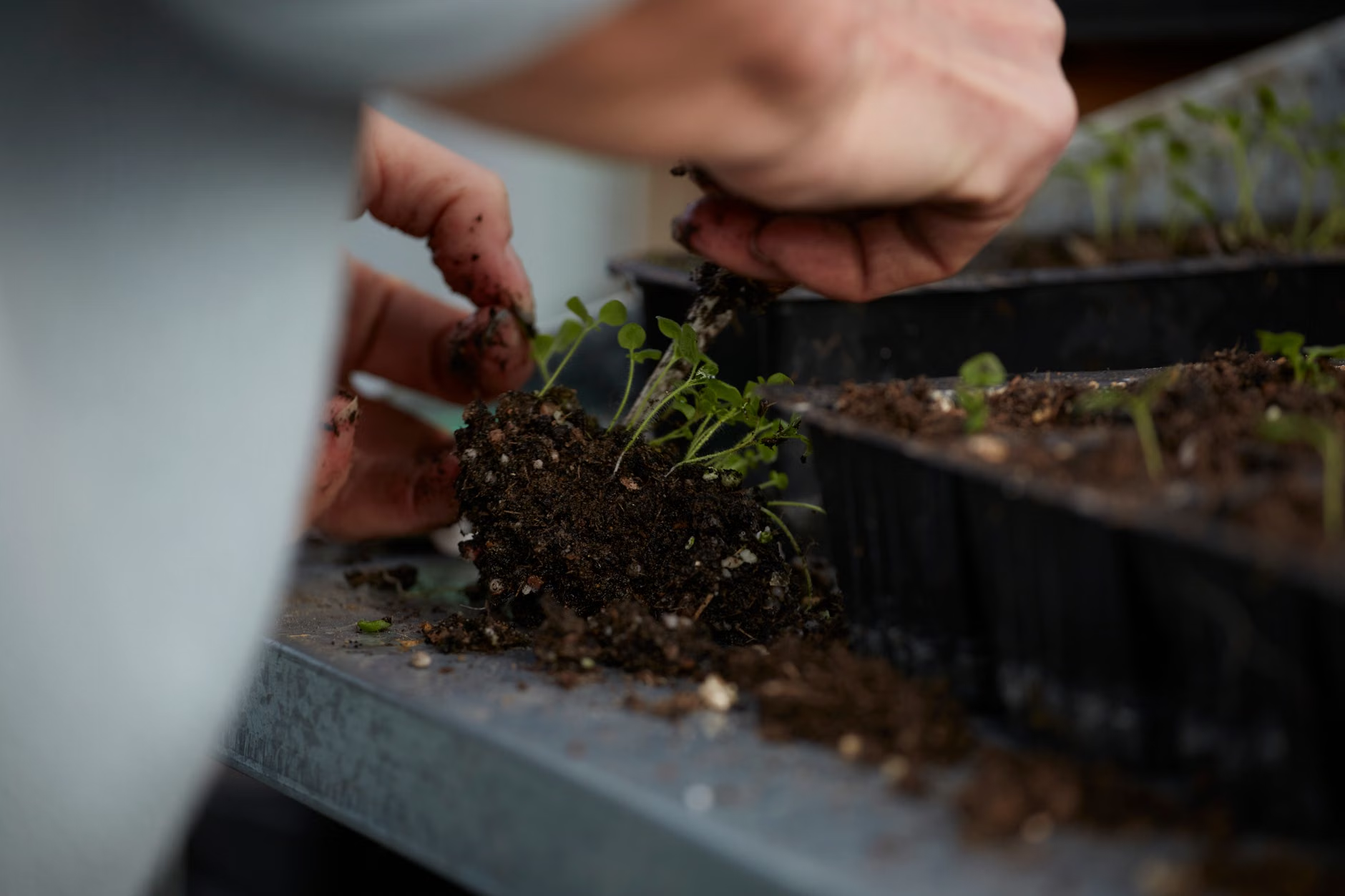
Physical Benefits: Functional Fitness Through Horticulture
Gardening is an excellent form of functional exercise. It is not about lifting heavy weights or running; it is about range of motion, balance, and endurance. When you join a group, you are more likely to maintain a consistent schedule compared to gardening alone, which helps turn physical activity into a sustainable habit.
The movements involved in gardening—reaching, bending, squatting, and carrying light loads—target the primary muscles used in daily life. However, it is essential to approach this with a focus on safety. Use the following table to understand how common gardening tasks support your physical health and what precautions to take:
| Activity | Health Benefit | Safety Precaution |
|---|---|---|
| Digging/Turning Soil | Builds core strength and arm endurance. | Use long-handled tools to avoid excessive bending. |
| Weeding | Improves flexibility in hips and knees. | Use a garden kneeler or stool; avoid prolonged squatting. |
| Planting Seeds | Enhances fine motor skills and hand dexterity. | Use ergonomic grips on tools to reduce strain on joints. |
| Carrying Supplies | Promotes bone density through weight-bearing. | Use a garden cart or trolley instead of carrying heavy buckets. |
Common Mistake: Many gardeners push themselves to finish a project in one session. The risk here is repetitive strain or exhaustion. Instead, view your participation in a group as a marathon, not a sprint. If the group meets for three hours, you are not required to be active for the entire duration. Utilize the social time to rest, observe, and mentor others.
Choosing the Right Group for Your Needs
Not all gardening groups are created equal. Some are highly formal, focusing on botanical research or competitive flower growing, while others are casual, social-first neighborhood plots. Before committing to a group, evaluate the site based on your specific mobility and health needs.
Accessibility Checklist
When visiting a potential group site, look for the following features that indicate the space is truly senior-friendly:
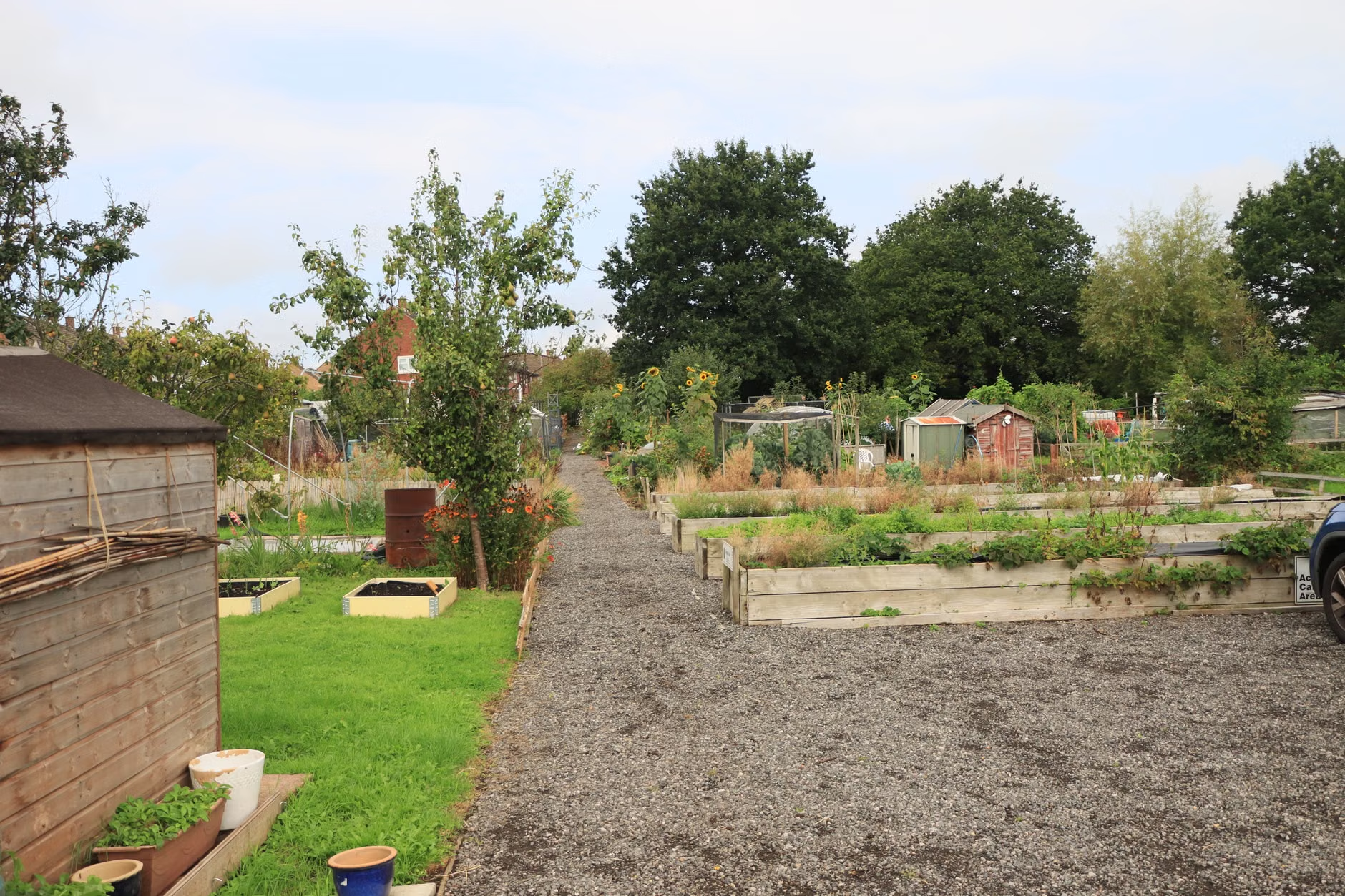
- Pathway Surfaces: Are the paths wide enough for a walker or cane? Are they firm (paved, crushed gravel, or packed earth) rather than soft, uneven mud or sand?
- Raised Beds: Look for beds that are at least 60 to 90 centimeters (24 to 36 inches) high. These allow you to garden from a standing or seated position, eliminating the need to kneel on the ground.
- Rest Areas: Is there a shaded bench or gazebo? A group that values social interaction will always provide a space to sit, drink water, and talk.
- Tool Storage: Are tools stored at waist height, or do you have to reach into deep sheds? Accessible groups often have organized, visible tool racks.
- Sanitation: Is there a clean, accessible restroom on-site or within a very short, flat walking distance?
Managing Health and Stamina in the Garden
For those managing chronic conditions such as arthritis, hypertension, or limited mobility, gardening requires a strategy of energy conservation. This does not mean you cannot participate; it means you should plan your involvement strategically.
The “Pacing” Rule: Never exceed 30 minutes of continuous physical exertion without a five-minute break. Use this break to hydrate and check in with your fellow gardeners. If you have joint pain, warm up your hands and shoulders with simple stretches before picking up any tools. Keep a small “gardening kit” in your car or bag that contains high-visibility gloves, a wide-brimmed hat, sunscreen, and a refillable water bottle.
Professional Care Coordination: If you are currently seeing a physical therapist or occupational therapist, bring them a list of the tasks you intend to perform in the garden. They can provide specific exercises to strengthen the exact muscle groups you will be using. If you experience sharp pain, dizziness, or shortness of breath while gardening, treat these as immediate warning signs to stop and rest. If these symptoms persist, consult your primary care physician before your next session.
The Cognitive and Emotional Rewards
Beyond the social and physical, there is the “biophilia” effect—the innate tendency to seek connections with nature. Studies have consistently shown that time spent in green spaces lowers cortisol (the stress hormone) and improves mood. For older adults, the act of nurturing a plant from seed to harvest provides a sense of purpose and continuity. You are creating something that contributes to the community, which is a powerful antidote to the feeling of being “retired” or “unproductive.”
How to Find Your Local Group
Finding a group is often a matter of looking in the right places. Start by contacting your local municipal council or parks department. Many cities now have “Community Garden Programs” that provide land, water, and insurance for local groups. You can also search for “Horticultural Societies” or “Garden Clubs” in your area.
If you live in an area without a formal community garden, consider checking local community centers, libraries, or faith-based organizations. Often, these institutions have small plots of land that are underutilized and would welcome a group of seniors to take over the management.
Practical Decision Rule: When you first attend a group, do not commit to a full season. Ask if you can “shadow” the group for two or three meetings. Observe how they make decisions, how they handle disagreements, and whether they prioritize safety. If the group is chaotic, lacks safety protocols, or is physically too demanding, it is not the right fit. There will be other groups that align better with your pace and social preferences.
Conclusion
Gardening in a group setting transforms a hobby into a lifestyle of active community participation. It offers a unique intersection of physical health, social connection, and cognitive stimulation. By choosing a space that respects your physical boundaries and focusing on consistent, moderate activity, you can enjoy the rewards of the harvest and the friendship of your neighbors for years to come. Start small, prioritize your comfort, and let the garden be the foundation for your next chapter of social engagement.
Frequently Asked Questions (FAQ)
1. I have limited mobility and use a cane; can I still participate in a community gardening group?
Yes, provided the garden has accessible infrastructure. Look for sites that feature raised garden beds, which allow you to garden while standing or sitting on a bench. Ensure the pathways are paved or made of firm, level material to prevent trips. Many groups are very supportive of members who focus on lighter tasks like seed starting, plant labeling, or coordinating the group’s social calendar, which require less physical exertion.
2. Should I consult my doctor before joining a gardening group?
If you have any underlying health conditions, particularly cardiovascular or musculoskeletal issues, it is a good practice to speak with your physician. You don’t necessarily need “permission,” but you should ask for advice on safe movement patterns. For example, your doctor might suggest specific joint-protective techniques or advise you on how to manage your blood pressure while working in the heat.
3. What if I don’t know anything about gardening?
Most community gardening groups are composed of people with varying levels of experience. In fact, many groups thrive on having a mix of beginners and experts. You do not need to be a botanist to join; you only need a willingness to learn and help out. Most members are happy to teach you the basics of weeding, watering, and harvesting. The social aspect is often more important than the horticultural skill level.
Official guidance on physical activity for older adults can be found through the World Health Organization’s guidelines on physical activity, which highlight the importance of muscle-strengthening activities that can be integrated into daily hobbies like gardening.