- Adaptive Lighting: By 2026, cities are shifting to “smart” lights that brighten as pedestrians approach, ensuring safety while reducing light pollution.
- Visual Comfort: New standards prioritize “warm” color temperatures (2700K-3000K) to minimize glare, which is critical for those with cataracts or light sensitivity.
- Proactive Advocacy: Residents can check their local municipal “Lighting Master Plan” to identify if their neighborhood is slated for accessibility upgrades.
Public lighting is undergoing a significant transformation as we move into 2026. For older adults, these changes are not just about aesthetics; they are fundamental to maintaining independence, preventing falls, and ensuring the ability to socialize after dark. As urban planning shifts toward “age-friendly” designs, the way our streets are illuminated is becoming a central pillar of public safety.
The Evolution of Public Lighting: Beyond Simple Visibility
Historically, street lighting was designed primarily for motorists. The goal was to provide enough light for a driver to see a hazard on the road. Today, the focus is shifting toward the pedestrian experience. As we age, our eyes require more light to perceive contrast, and they are more susceptible to glare—the blinding effect caused by overly bright or poorly shielded light sources.
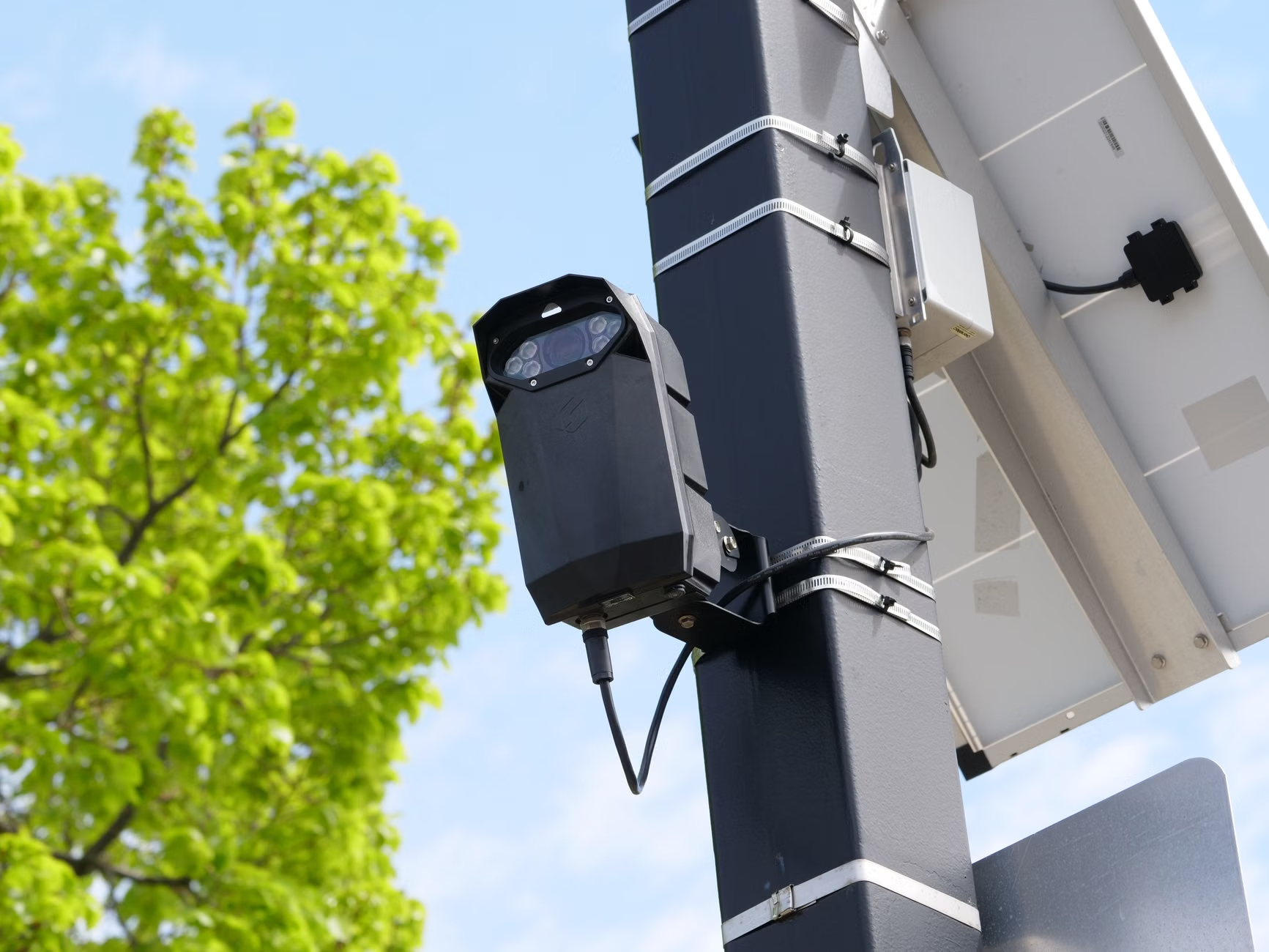
In 2026, we are seeing the widespread implementation of Adaptive Lighting Systems. These are not static lights that stay at one brightness level all night. Instead, they use motion sensors—similar to those found in home security lights—to increase intensity only when a person is detected. This technology ensures that when you are walking to a bus stop or a community center, the path ahead is brilliantly clear, while the street remains energy-efficient during quieter hours.
Why “Warm” Light Matters for Eye Health
You may have noticed that some street lights appear harsh and blue-white, while others are soft and yellow-orange. This is known as “color temperature,” measured in Kelvins (K). Higher Kelvin values (5000K+) appear blue and can create intense glare, which is particularly difficult for older eyes to adjust to. The 2026 trend is moving toward 3000K or lower. This warmer light provides better contrast for depth perception—essential for spotting uneven pavement or unexpected steps—without causing the “veiling glare” that can hide obstacles in plain sight.
Practical Impact: Mobility and Fall Prevention
Falls are a leading cause of injury for adults over 65. Poor lighting is a silent contributor to these incidents. When a street is patchily lit—with bright spots and deep, dark shadows—the human eye struggles to transition between the two. This “flicker” effect or sudden change in contrast can cause temporary disorientation or misjudgment of distance.
What to Look for in Your Neighborhood
If you are concerned about the lighting in your local area, you can perform a “Lighting Audit.” Take a walk during the early evening hours and observe the following:
- Uniformity: Does the light cover the entire sidewalk, or are there “dead zones” between poles?
- Glare: Can you see the raw light source (the bulb), or is it covered by a shield? If you can see the bulb directly, it is likely causing glare.
- Obstacle Visibility: Can you clearly distinguish the edge of the curb or potential tripping hazards like tree roots or uneven tiles?
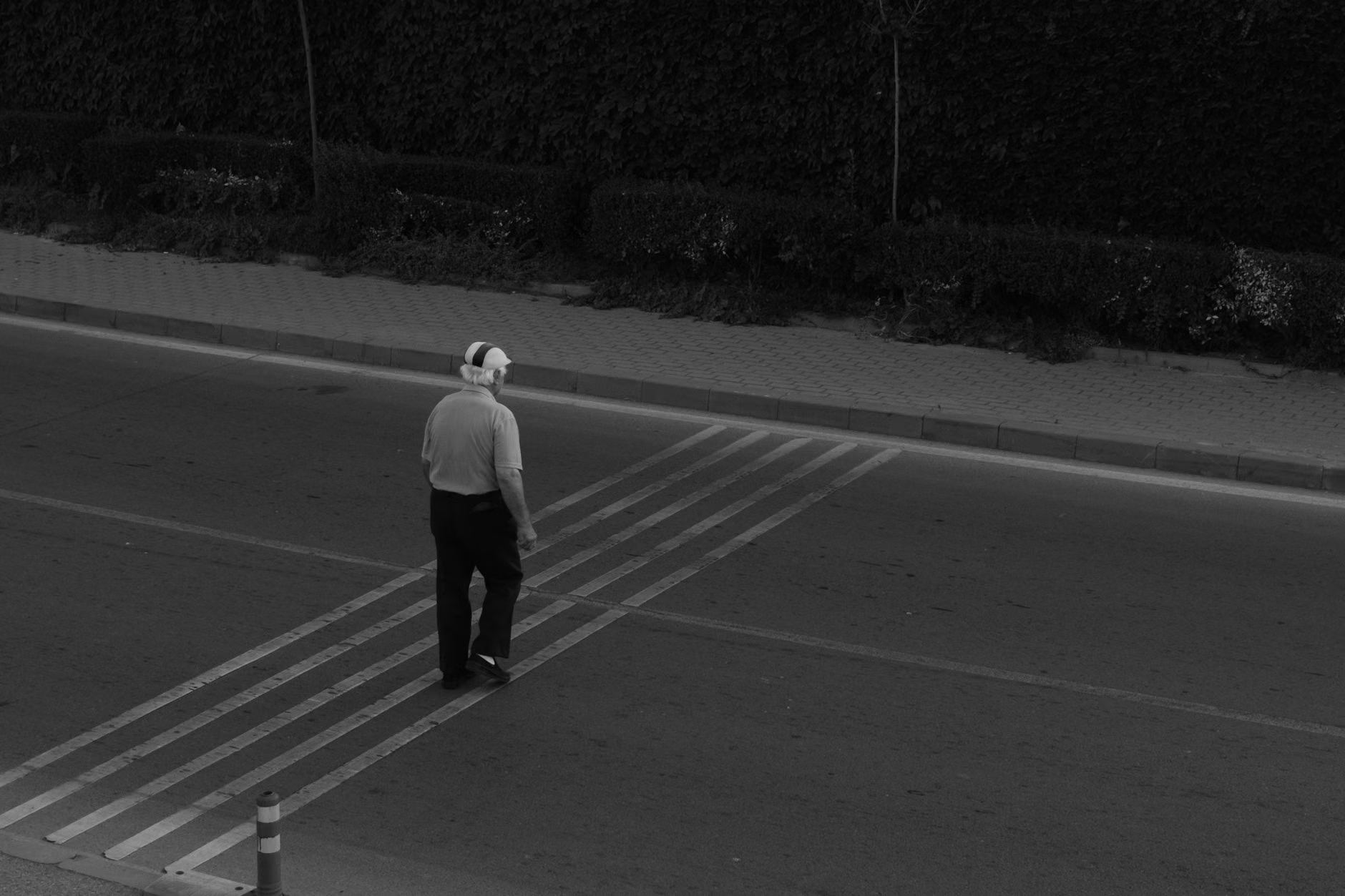
If you find that your neighborhood fails these tests, you are not helpless. Most municipal governments have a department of “Public Works” or “Transportation” that manages street lighting. In many jurisdictions, you can report a “lighting outage” or “poor visibility” through a dedicated mobile app or a city council portal. When submitting a request, be specific: note the exact cross-streets and describe the visibility issue rather than just saying the light is “off.”
Comparing Lighting Technologies: What You Should Know
Not all lighting upgrades are created equal. Below is a comparison of common lighting technologies and how they affect your daily experience.
| Technology | Visual Comfort | Safety Rating | Best Used For |
|---|---|---|---|
| Legacy Sodium (Orange) | Low | Moderate | Historic districts; outdated. |
| Early LED (Cool White) | Poor (High Glare) | High (Brightness) | High-speed highways. |
| Smart Adaptive LED (Warm) | Excellent | Very High | Residential & Pedestrian areas. |
The “Smart Adaptive LED” is the gold standard for age-friendly urban design in 2026. It balances the need for high-intensity light for safety with the need for comfort. If your city is planning a lighting retrofit, look for documentation that mentions “warm-spectrum LEDs” and “smart dimming capabilities.”
Advocating for Better Public Infrastructure
Public infrastructure often follows the “squeaky wheel” principle. If a community does not voice its needs, upgrades are often delayed or deprioritized. As an older adult, your perspective is valuable to urban planners. They are increasingly looking for data on “active aging,” which includes how safely and comfortably seniors can navigate their environment.
Steps to Engage with Local Government
- Identify the Authority: Determine if your street lighting is managed by the city, the county, or a private utility company.
- Review the Master Plan: Search your city’s website for the “Active Transportation Plan” or “Lighting Master Plan.” These documents often list scheduled upgrades for the next three to five years.
- Join a Community Forum: Local Neighborhood Associations or senior advocacy groups often have a direct line to city council members who can push for lighting improvements in high-traffic pedestrian areas.
The Hidden Trade-offs: Light Pollution vs. Human Safety
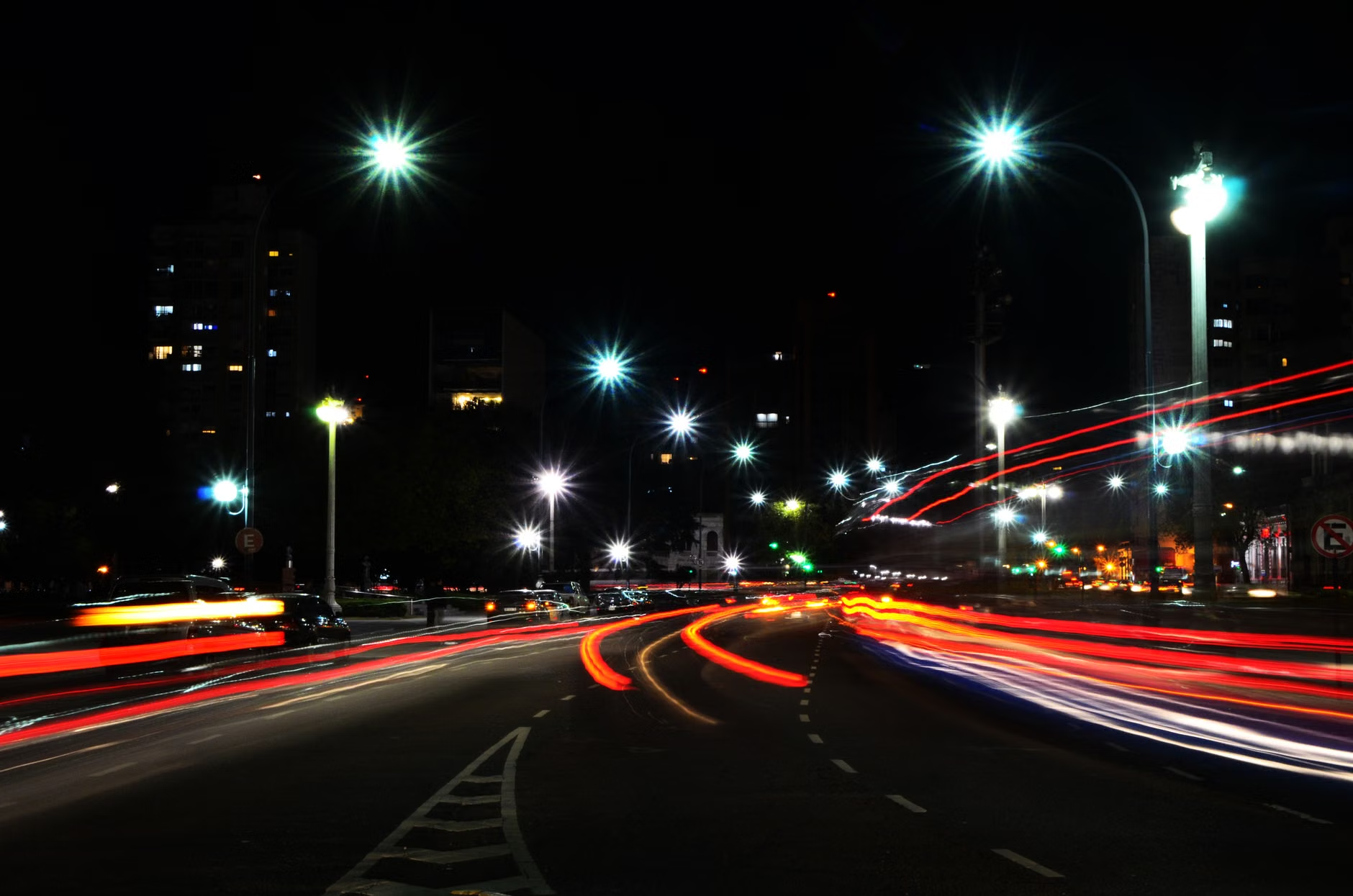
There is often a debate between environmentalists, who want to reduce “light pollution” (the glow that obscures the night sky), and safety advocates, who want as much light as possible. Modern 2026 technology offers a compromise: Directional Lighting. By using precision optics, these lights cast a beam exactly onto the sidewalk and road, preventing light from leaking upward into the sky or into the windows of nearby homes. This is a win-win for everyone.
However, be aware that “motion-activated” lights can sometimes be startling if they turn on suddenly. If you find a light that triggers too late—meaning you are already under it before it brightens—this is a calibration issue. It is a valid reason to contact your local public works department to request a “sensor sensitivity adjustment.”
Safety During Nighttime Travel
Even with the best infrastructure, navigating at night requires extra precautions. If you are planning a trip or simply walking to a local venue, consider these strategies to maximize your safety:
- Plan Your Route: Use map applications that show well-traveled, high-traffic routes rather than “shortcut” alleys or unlit parks.
- High-Visibility Clothing: Even in well-lit areas, wearing a small reflective strip on your jacket or bag helps drivers see you at crosswalks.
- The “Wait and Observe” Rule: When crossing a street, wait an extra second for your eyes to adjust to the transition between the sidewalk light and the street light.
Conclusion: The Future is Bright and Thoughtful
The 2026 trends in public lighting represent a shift toward a more inclusive urban environment. By focusing on warm color temperatures, adaptive intensity, and directional precision, cities are making it easier for older adults to remain active, mobile, and safe. Your awareness of these trends—and your willingness to engage with local officials—is the final piece of the puzzle in ensuring these improvements actually reach your front door.
Remember, the goal of these systems is to support your independence. If you encounter an area that feels unsafe or poorly lit, do not assume it is permanent. Use the resources available in your jurisdiction to report the issue. Your input is not just a complaint; it is an essential data point that helps city planners build a safer world for everyone.
Frequently Asked Questions
1. Why do some street lights seem to flicker or turn on and off?
Flickering is often a sign of a failing lamp or a faulty sensor. In smart lighting systems, it could indicate that the sensor is struggling to detect movement. You should report this to your local utility or public works department, as it can be a significant distraction and safety hazard for pedestrians.
2. Is there a specific government website to check for lighting upgrades in my city?
Most cities do not have a single “lighting” website, but you can usually find this information under the “Public Works,” “Transportation,” or “Capital Improvement Projects” sections of your municipal government’s homepage. Look for terms like “Street Lighting Master Plan” or “Infrastructure Renewal Program.”
3. Can I install my own motion-sensor light on my property to help the street?
Yes, you can improve the safety of the area immediately in front of your home by installing motion-sensor lighting on your property. Ensure the light is “full-cutoff,” meaning it shines downward toward the ground and not outward into the street or into neighbors’ windows, to avoid creating glare for drivers or light pollution for the neighborhood.
Disclaimer: This article provides general information on public lighting trends and does not constitute professional advice on urban engineering or personal safety. Always follow local government guidance and prioritize your personal comfort and health when navigating outdoor spaces at night.