- Cognitive Engagement: Pressed-flower art combines fine motor skill practice with mindfulness, acting as an effective tool for stress reduction and focus.
- Accessibility: This hobby is low-cost, requires minimal space, and can be adapted to suit varying levels of physical mobility or stamina.
- Preservation Strategy: Success depends on moisture control and patience; using the right paper and pressure ensures long-lasting, vibrant results.
The practice of pressing flowers is more than a simple craft; it is a deliberate, meditative engagement with nature that bridges the gap between artistic expression and cognitive wellbeing. For adults aged 60 to 80, this hobby offers a unique combination of sensory stimulation, fine motor skill refinement, and a tangible sense of accomplishment that can be enjoyed in the comfort of one’s own home.
Why Pressed-Flower Art Matters for Cognitive and Emotional Health
Engaging in creative hobbies is widely recognized for its ability to maintain neuroplasticity—the brain’s ability to form new connections. Pressed-flower art, specifically, requires a high level of concentration and patience, which helps anchor the mind in the present moment. This is a form of active mindfulness.
Beyond the mental benefits, the process encourages physical dexterity. Handling delicate petals requires steady hands and precise movements, which serves as a gentle exercise for the fingers and wrists. Unlike high-impact sports or strenuous activities, this hobby allows for natural pacing. You can spend ten minutes or two hours on it, depending on your energy levels, making it ideal for those who need to manage their daily stamina effectively.
Essential Tools: Setting Up Your Workspace
One of the most significant advantages of this hobby is its low barrier to entry. You do not need expensive machinery or a dedicated studio. However, having the right basic tools will significantly improve your results and reduce frustration.
| Tool | Purpose | Advice for Seniors |
|---|---|---|
| Flower Press | Applies even pressure to flatten plants. | Choose a press with easy-to-turn wing nuts to protect arthritic joints. |
| Tweezers | Allows for precise placement of petals. | Use long-handled, blunt-tip tweezers to avoid hand strain. |
| Absorbent Paper | Wicks moisture away from the flowers. | Use acid-free blotting paper or thick, plain coffee filters. |
Note on Accessibility: If you find traditional wooden presses difficult to tighten, consider using a heavy stack of books as an alternative. Ensure the books have a flat, even surface to distribute weight across the entire area of the flower.
The Science of Preservation: A Step-by-Step Approach
The quality of your pressed flowers depends entirely on how effectively you remove moisture while maintaining the plant’s structure. If moisture remains, the flowers will brown or develop mold. Follow this systematic approach to ensure success.
1. Selection and Preparation
Choose flowers that are fresh and free of dew or rain. Moisture on the surface of the petals is the primary cause of decay. Pick flowers in the morning after the sun has dried them but before they begin to wilt in the afternoon heat.
2. The Layering Technique
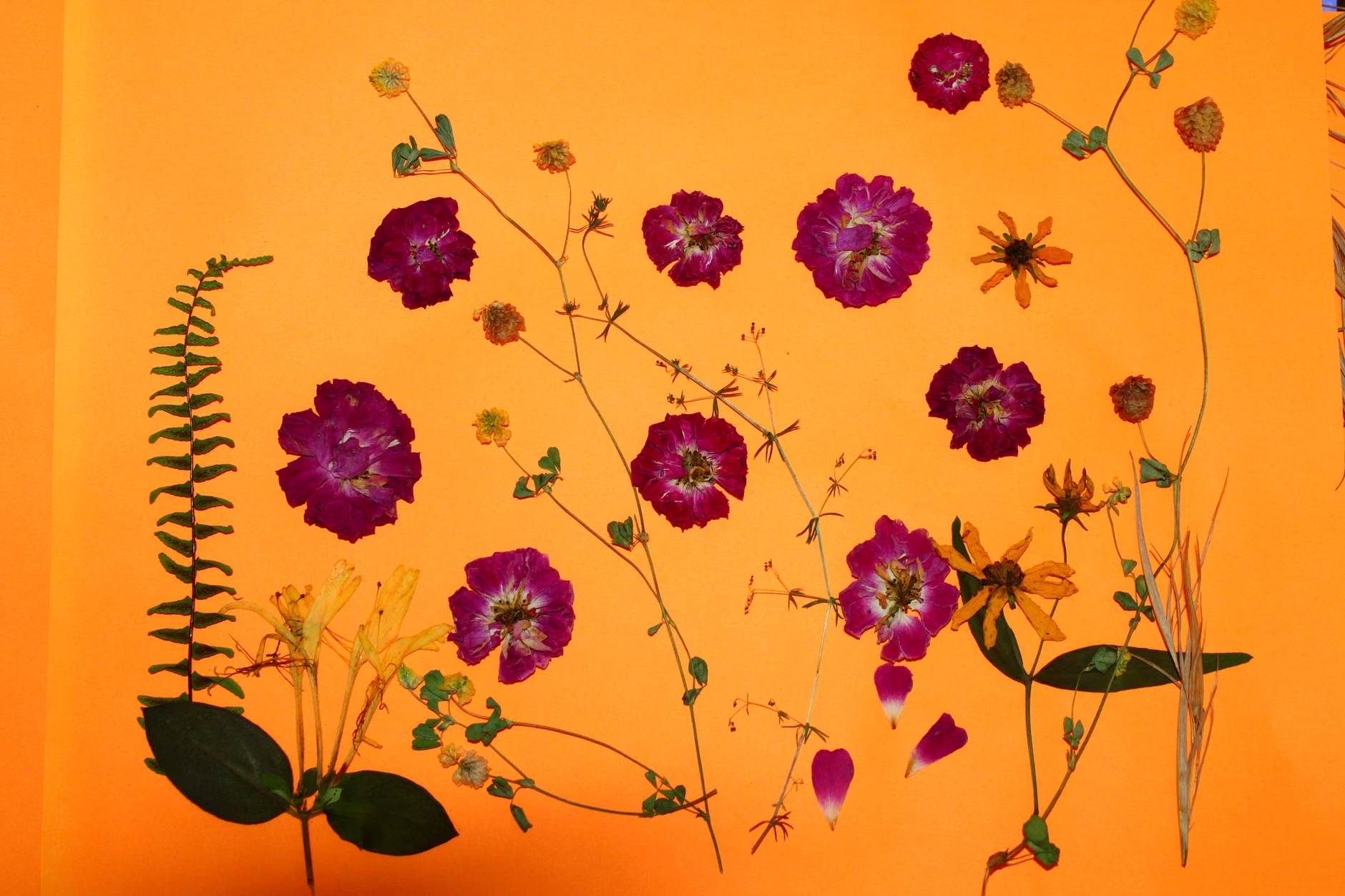
Place a sheet of absorbent paper on the base of your press. Lay your flowers face down if you want the back to be flat, or face up if you prefer a more natural look. Ensure no petals overlap, as this creates uneven pressure and leads to trapped moisture. Cover with another layer of paper and repeat until the press is full.
3. Managing Drying Time
This is where patience is required. A common mistake is checking the flowers too early. Most flowers require 2 to 4 weeks to dry completely. For thicker flowers, such as roses or hydrangeas, you may need to change the absorbent paper after the first week to remove the moisture that has been released.
Overcoming Common Challenges
Even experienced practitioners face issues. Understanding these allows you to troubleshoot effectively.
- Browning: This usually happens when the drying process is too slow. Ensure your environment is dry. If you live in a humid climate, place your press in an air-conditioned room or near a dehumidifier.
- Sticking: If petals stick to the paper, it is often due to high sugar content in the plant or the use of improper paper. Use non-coated, acid-free blotting paper to prevent this.
- Loss of Color: Some flowers, like blue delphiniums or red roses, are prone to losing their vibrancy. This is a natural chemical reaction to light and oxygen. Keep your finished projects out of direct sunlight to prolong their color.
Creative Applications: What to Do with Your Pressed Flowers
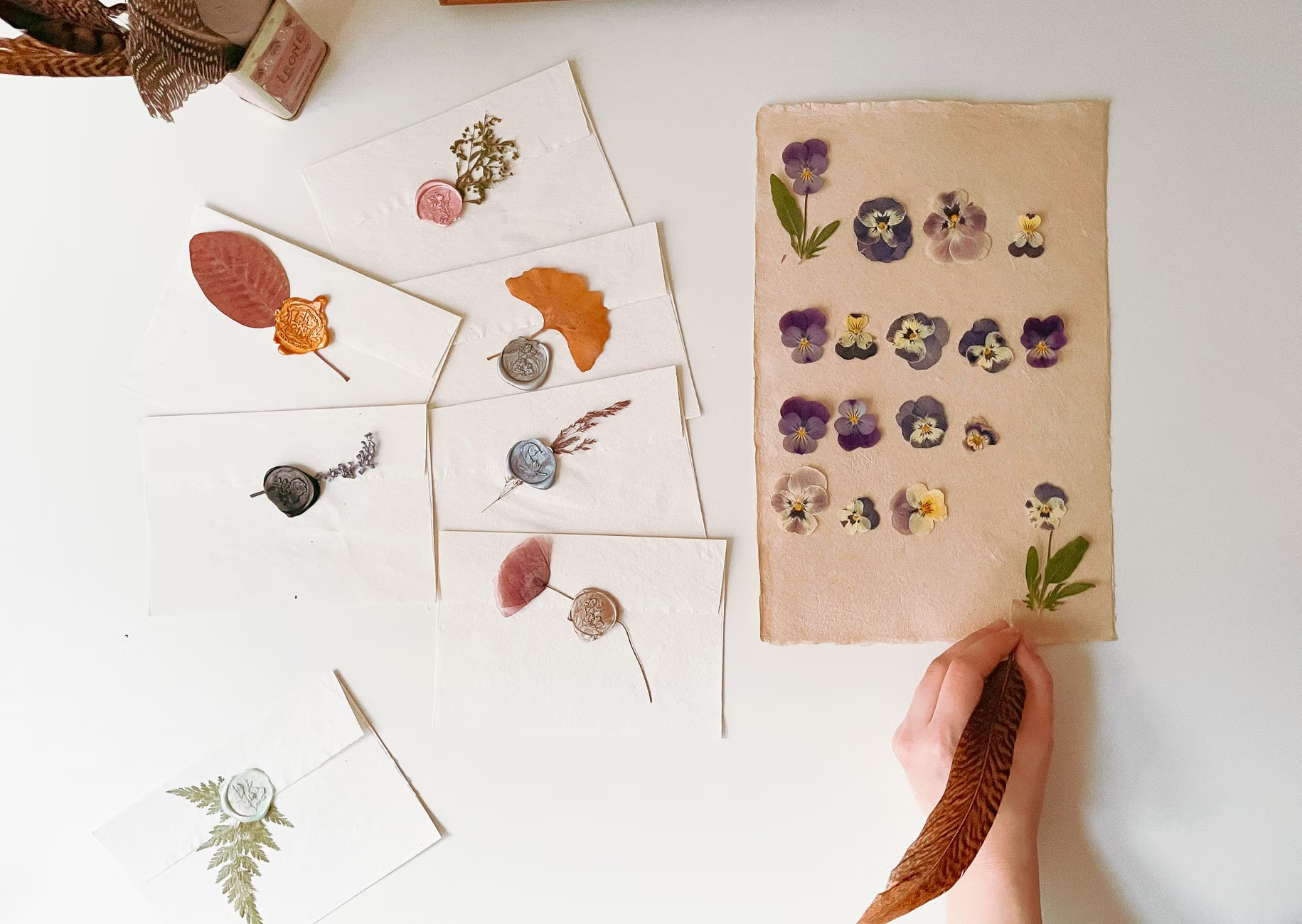
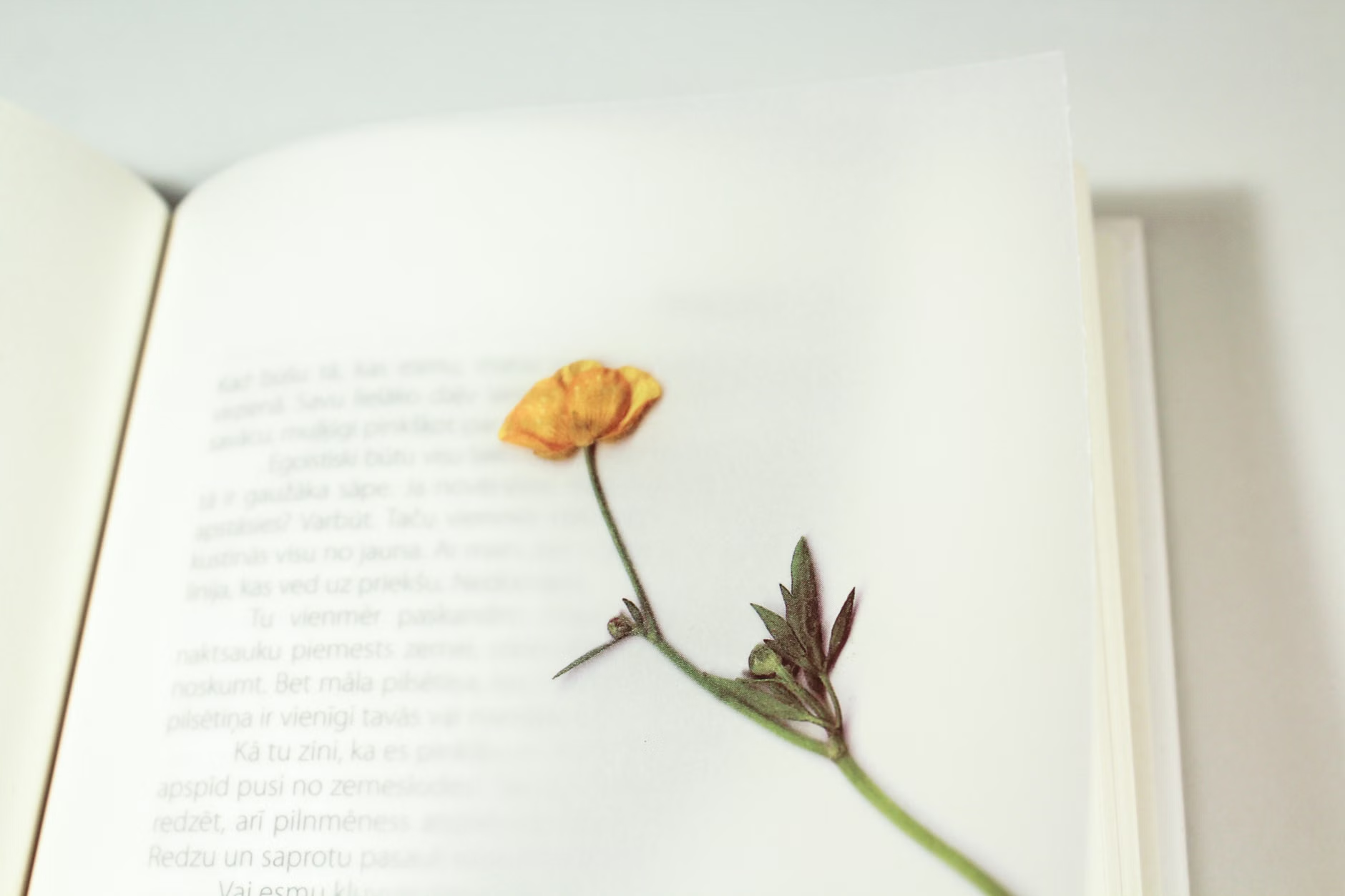
Once your flowers are perfectly dried, the creative possibilities are vast. You might consider creating framed botanical art, custom greeting cards, or even pressed-flower bookmarks. For those with limited mobility, working on a flat tabletop is recommended to ensure stability and comfort.
When creating artwork, use a small amount of archival-quality glue. Apply the glue with a toothpick rather than a brush to ensure precision. A little goes a long way; you do not need to coat the entire petal, just a few strategic points to hold it in place.
Safety and Maintenance Considerations
While this is a gentle hobby, it is important to consider physical comfort. If you have neck or back pain, ensure your chair provides adequate support and that your desk is at the correct height to prevent slouching. Taking regular breaks every 30 minutes to stand, stretch, and hydrate is essential for maintaining physical wellbeing throughout the activity.
Furthermore, be aware of any botanical allergies. Some plants, such as certain species of lilies or euphorbias, can cause skin irritation or respiratory issues. If you are uncertain about a plant, wear thin nitrile gloves and work in a well-ventilated area.
Conclusion: A Path to Personal Fulfillment
The practice of pressed-flower art is a rewarding journey that encourages you to slow down and appreciate the intricate details of the natural world. It is a hobby that respects your time, adapts to your physical needs, and offers a quiet, contemplative space in your daily life. By following the systematic steps of selection, pressing, and careful assembly, you can transform simple garden treasures into lasting pieces of art.
For further inspiration on botanical preservation, you may refer to the Royal Botanic Gardens Victoria, which provides resources on plant identification and general botanical interest that can enhance your understanding of the materials you are working with.
Frequently Asked Questions
1. Can I use a microwave to speed up the pressing process?
While there are microwave-safe flower presses available, they require very specific timing and can easily burn or damage delicate petals if not used correctly. For beginners, the traditional method of air-drying in a press is safer, more reliable, and offers a more meditative experience.
2. How long can pressed flowers last?
If kept away from direct sunlight, moisture, and extreme temperature fluctuations, pressed flowers can retain their beauty for many years. Using acid-free paper and framing them behind UV-protective glass will significantly extend their lifespan.
3. Are there specific flowers that are easier for beginners?
Yes. Flat flowers with thin petals, such as pansies, violets, daisies, and ferns, are much easier to press than thick or fleshy flowers like succulents or large lilies, which require more advanced techniques and longer drying times.