- Watercolor painting is an accessible hobby that promotes fine motor skill maintenance and cognitive engagement without the need for expensive equipment or large studio spaces.
- Success in watercolor relies on understanding the interaction between water and pigment, rather than mastering complex drawing skills immediately.
- Ergonomic considerations, such as proper lighting, chair height, and brush handle thickness, are essential for ensuring comfort during longer painting sessions.
Watercolor painting is a uniquely rewarding pursuit for adults aged 60 to 80. Unlike oil or acrylic painting, which can require significant ventilation, long drying times, and complex cleanup, watercolor is portable, relatively clean, and offers a gentle learning curve. Engaging in this medium allows for a profound connection between intention and outcome, where the fluidity of water creates results that are both predictable and beautifully spontaneous.
Why Watercolor is Ideal for Mature Learners
Many people delay starting an artistic hobby because they feel they lack “natural talent” or because they fear the physical demands of art supplies. However, watercolor is particularly well-suited for the senior lifestyle for several specific reasons. First, the setup time is minimal. You can begin a painting in five minutes and conclude it just as quickly, making it perfect for those who prefer shorter, high-focus sessions rather than marathon painting blocks.
From a cognitive perspective, watercolor requires a shift in mindset: you must learn to “let go” and allow the water to move the pigment. This is a form of mindfulness. By focusing on the flow of colors, the brain enters a state of flow, which has been shown in various studies to reduce stress levels and improve mood. Furthermore, the fine motor movements required to control a brush help maintain dexterity in the fingers and wrists, a practical health benefit that is often overlooked in traditional hobbies.
The Essential Toolkit: Quality Over Quantity
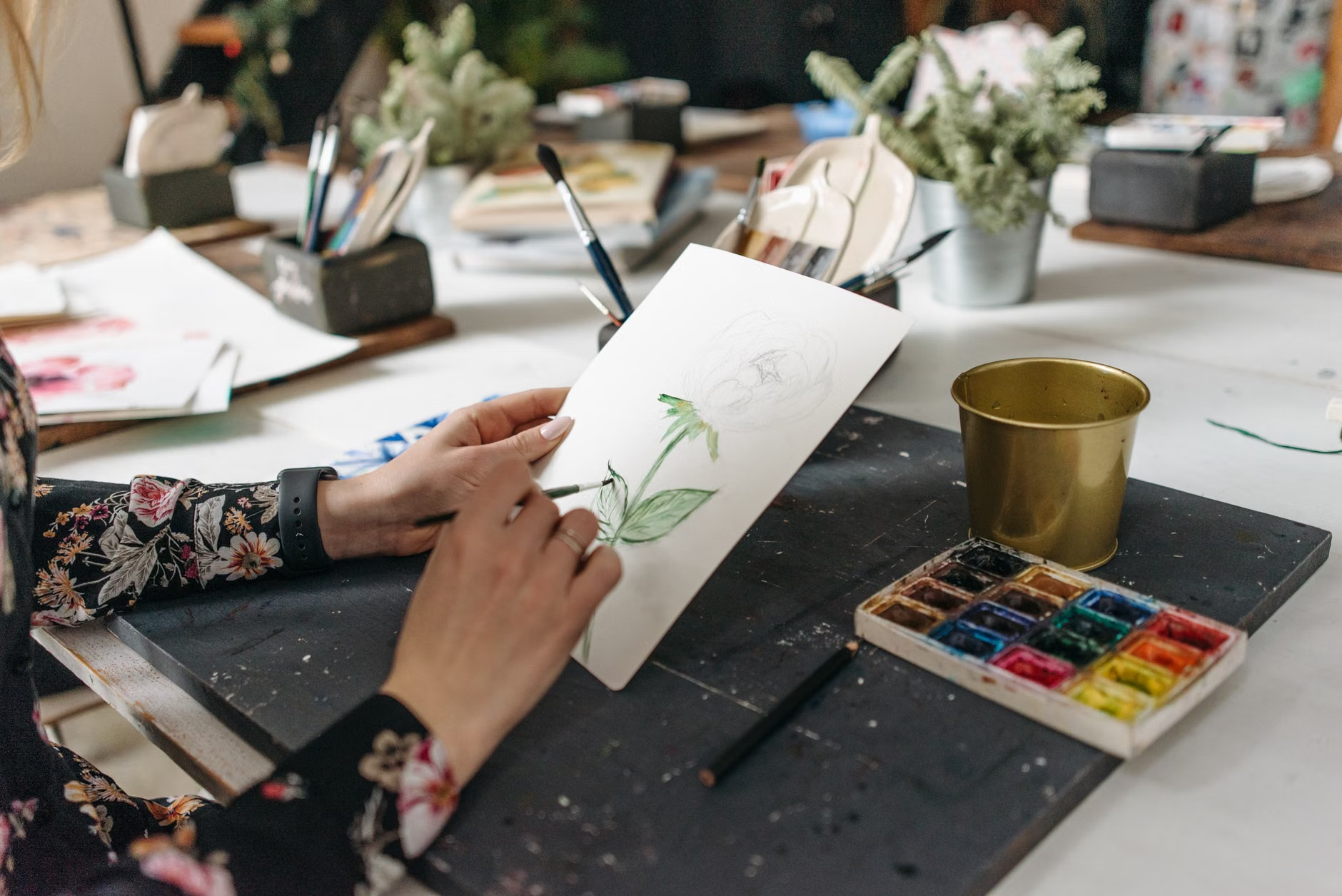
A common mistake beginners make is purchasing large, inexpensive “all-in-one” art sets that contain low-quality materials. These often lead to frustration because the paints do not blend correctly and the paper warps immediately upon contact with water. For the best experience, invest in a “starter professional” tier of supplies.
| Supply Item | Recommendation for Beginners | Why it Matters |
|---|---|---|
| Paper | 140lb (300gsm) Cold-Press | Anything thinner will buckle; cold-press has a slight texture that helps hold the paint. |
| Brushes | Two synthetic round brushes (Size 6 and 10) | Synthetic brushes hold their shape better than natural hair and are easier to clean. |
| Paint | Student-grade tubes or pans (Artist quality) | High-quality pigment disperses better in water, preventing muddy colors. |
When selecting your workspace, prioritize a surface that allows you to sit with a straight back. A tabletop easel or a simple slant board can prevent you from hunching over your work, which is a common cause of neck and back strain during painting. Ensure your area has consistent, natural light; avoid working under yellow incandescent bulbs, as they will alter your perception of color temperature.
Mastering the Fundamentals: The “Water-to-Pigment” Ratio
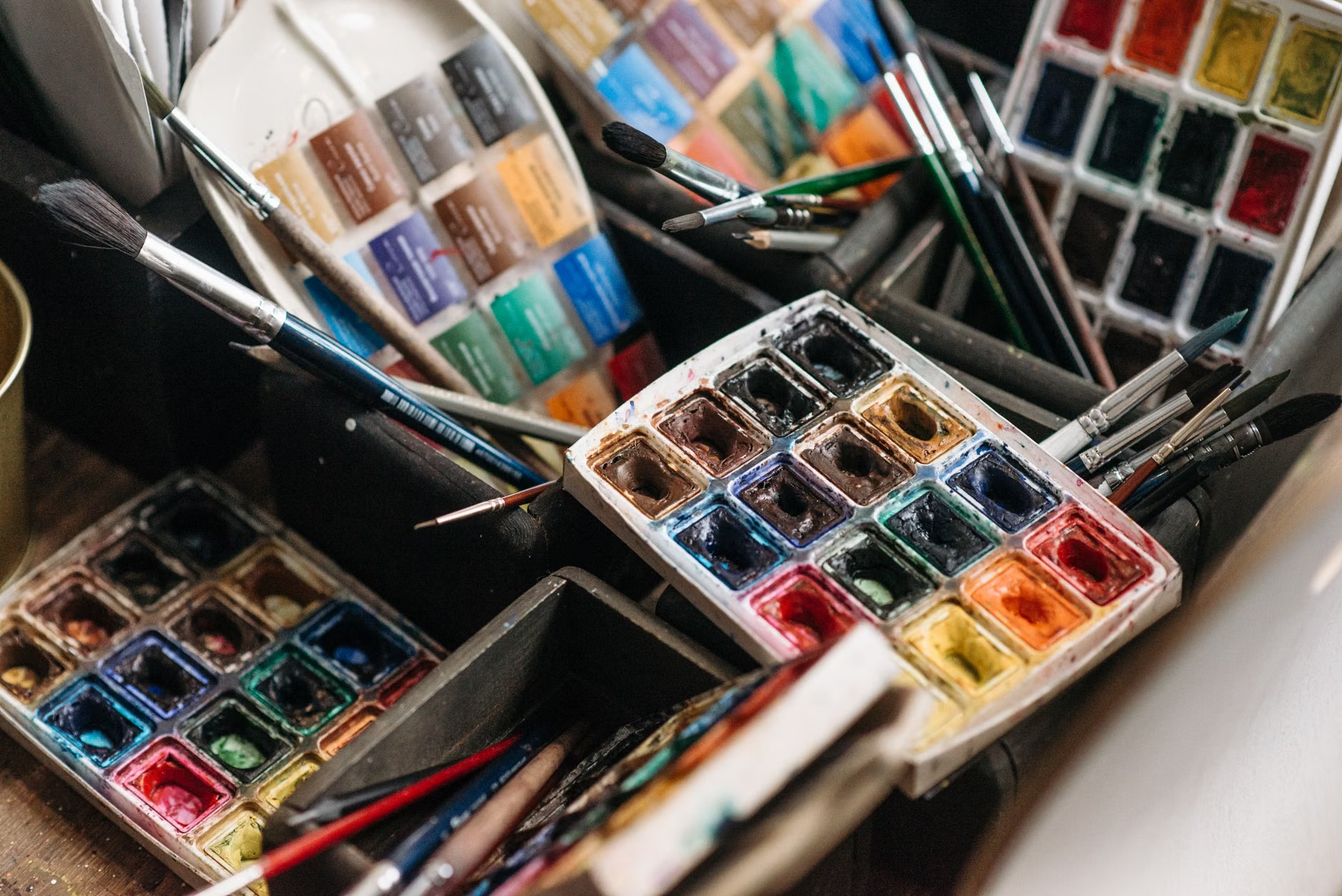
The core of watercolor technique is not the brush stroke, but the water-to-pigment ratio. Think of your palette as a mixing station where you control the intensity of the color. A common error is using too much paint and not enough water, which results in a thick, cakey finish that lacks the characteristic transparency of watercolor.
The “Wash” Technique
A “wash” is the application of a uniform layer of color across the paper. To achieve a smooth wash, mix a generous amount of color in your palette first. Tilt your board slightly so gravity helps the bead of water move down the page. Use a large brush, load it with plenty of paint, and move in long, horizontal strokes. If you run out of paint halfway through, the “bead” (the excess water at the bottom of your stroke) will dry, creating a harsh line. Always maintain that bead of water as you work your way down.
The “Wet-on-Wet” vs. “Wet-on-Dry” Approach
Understanding these two concepts will dictate the look of your painting:
- Wet-on-Wet: Applying wet paint to pre-wetted paper. This creates soft, blurred edges and is perfect for skies, distant mountains, or background atmosphere.
- Wet-on-Dry: Applying wet paint to dry paper. This creates crisp, sharp edges. Use this for foreground objects, tree trunks, or architectural details.
Practical Steps for Your First Session
Do not attempt a complex landscape or portrait for your first session. Start with a color chart. Take your paints and create a grid on a sheet of watercolor paper. Paint each color in its most concentrated form, then add more water to each subsequent square to see how the color lightens. This exercise teaches you the range of your materials without the pressure of “creating art.”
Once you are comfortable with the colors, try painting simple shapes—a circle, a square, or a leaf. Focus entirely on the way the water behaves. Does it bleed into the paper? Does it pool in the texture? By removing the need to make a “picture,” you allow yourself the freedom to learn the mechanics of the medium.
Ergonomics and Long-Term Comfort
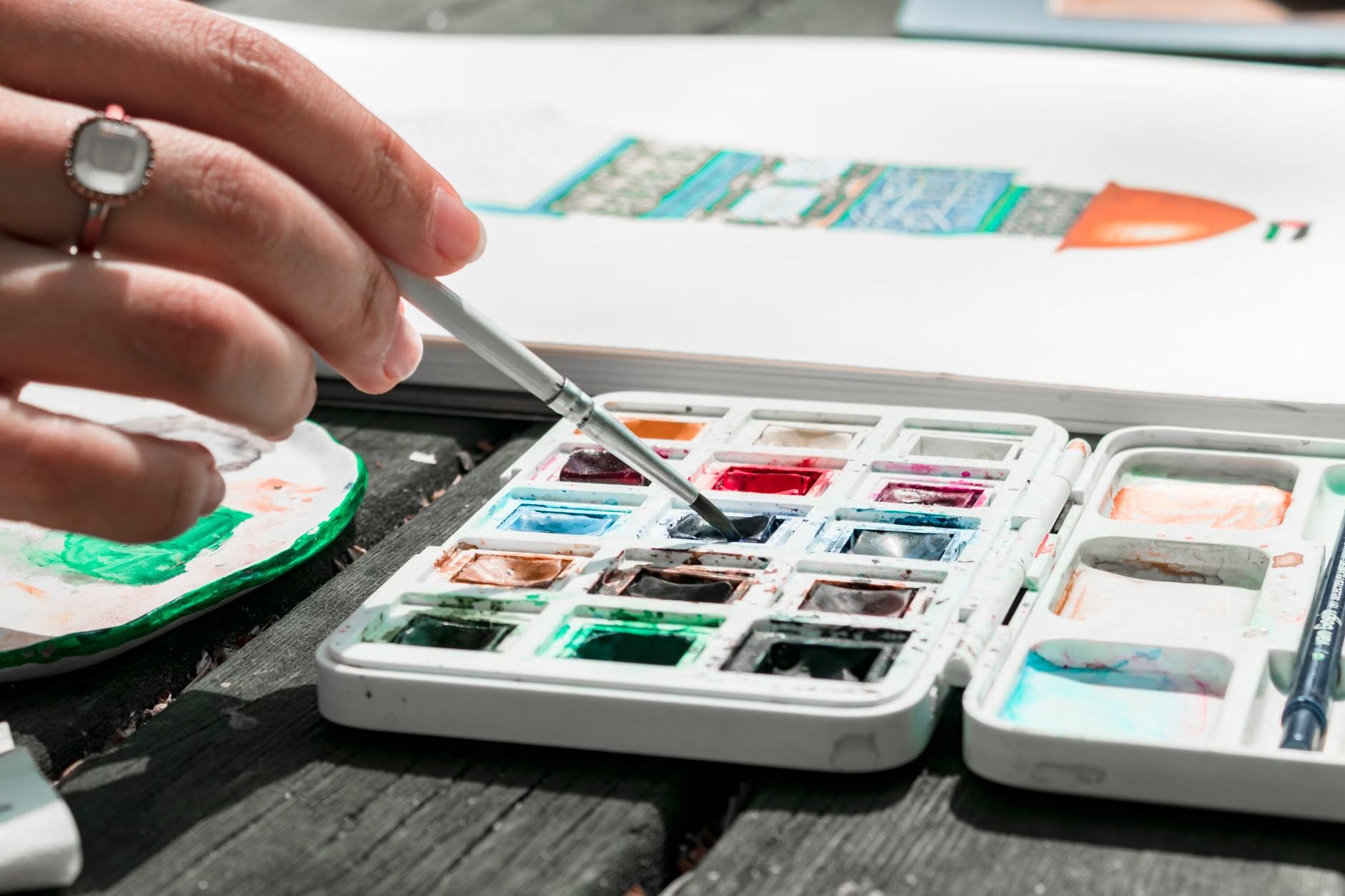
Even for a hobby that seems sedentary, posture and comfort are vital. If you experience arthritis or reduced grip strength, consider purchasing brush grips—small foam or silicone sleeves that slide over the brush handle to make it thicker and easier to hold. Additionally, ensure your water container is sturdy and has a wide base; a heavy ceramic or glass jar is less likely to tip over than a lightweight plastic cup, which saves you from the frustration of spills.
Take breaks every 30 to 45 minutes. Stand up, stretch your shoulders, and look at a distance to give your eyes a break from the close-up work. This practice not only preserves your physical comfort but also keeps your artistic perspective fresh. Returning to a painting after a brief walk often reveals mistakes or opportunities you were blind to while staring at the paper.
Advanced Considerations: Archival Quality and Storage
If you intend to keep your paintings, consider the “archival” quality of your materials. Watercolor paper that is marked as “acid-free” will not yellow over time. If you wish to display your work, ensure you use UV-protective glass in your frames, as sunlight can cause some pigments to fade over several years. Storage is simple: keep paintings in a flat, dry environment, preferably separated by sheets of glassine paper to prevent colors from rubbing against each other.
Remember that watercolor is an unforgiving medium in one specific way: it is difficult to “erase.” If you make a mistake, it is often better to incorporate it into the painting or start a new sheet rather than trying to scrub it out, which damages the paper’s surface. This is a lesson in acceptance and the beauty of imperfection.
Resources and Further Learning
For those interested in structured guidance, look for local community center art classes or online platforms that offer slow-paced, step-by-step tutorials. Avoid “fast-paced” YouTube channels that prioritize speed over technique. Instead, look for instructors who explain the “why” behind every brush stroke. Official resources such as the National Gallery’s online art resources often provide excellent insights into color theory that apply directly to watercolor practice.
Conclusion: The Process Over the Product
The true value of watercolor painting for the older adult lies not in the final product but in the sustained engagement with the process. It is a hobby that rewards patience, curiosity, and a willingness to embrace the unexpected. Whether you paint for ten minutes or two hours, the act of placing color on paper is a testament to your ongoing creative spirit. Start small, focus on the joy of the water and pigment interacting, and let your skills develop at their own natural pace.
Frequently Asked Questions
- Is it necessary to know how to draw before starting watercolor?
- Not at all. While drawing skills can help with perspective, watercolor is an expressive medium. You can start by painting abstract shapes, nature patterns, or simple color studies, which require no formal drawing background.
- How do I prevent my paper from warping?
- Paper warps when it is too thin or when it is oversaturated with water. Use 140lb (300gsm) paper, which is the industry standard for beginners. You can also “stretch” your paper by taping it to a board with artist tape while it is damp, allowing it to dry perfectly flat.
- What is the best way to clean my brushes?
- Simply rinse them in clean water immediately after use. Avoid leaving your brushes sitting in a jar of water on their tips, as this will permanently damage the bristles. Once clean, reshape the bristles with your fingers and lay the brushes flat to dry.