- Physical and Cognitive Synergy: Combining moderate physical activity with the mental stimulation of local history creates a “dual-tasking” effect that benefits both body and brain.
- Social Capital: These groups move beyond simple exercise by fostering shared identities and long-term friendships, which are proven buffers against social isolation.
- Practical Accessibility: Before joining, assess the group’s pace, terrain, and rest intervals to ensure the activity aligns with your current stamina and mobility needs.
The Intersection of Movement and Memory
For many adults aged 60 to 80, the ideal leisure activity is one that integrates physical movement with intellectual growth. Community walking history groups have emerged as a premier hobby for this demographic, offering far more than just a stroll through the neighborhood. These groups transform a standard walk into a dynamic exploration of local heritage, architecture, and social evolution.
By engaging in these walks, participants are not merely exercising; they are actively participating in the “living history” of their environment. This practice turns the local landscape into a classroom, where the physical act of walking acts as a catalyst for cognitive engagement and long-term social bonding.
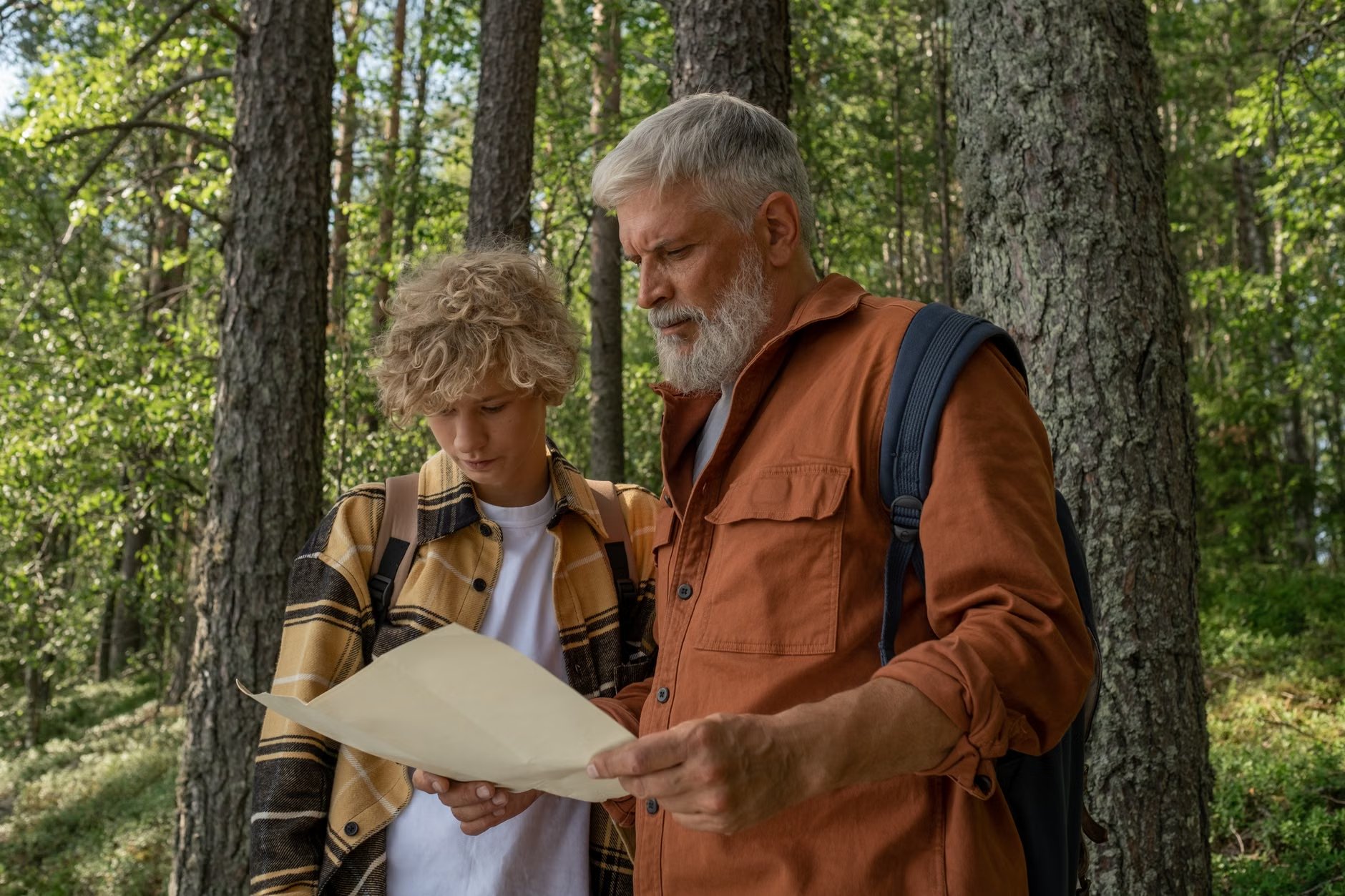
Why Walking History Groups Are Unique
Unlike traditional walking clubs that focus strictly on mileage or pace, history-focused groups prioritize “discovery-based” movement. This distinction is vital for maintaining long-term interest. When a walk has a destination—such as an 18th-century mill, a site of an industrial shift, or a historical residential district—the physical exertion becomes secondary to the narrative of the journey.
The Cognitive Benefits of “Dual-Tasking”
Research into aging suggests that “dual-tasking”—the ability to perform a cognitive task (like learning or remembering historical facts) while performing a motor task (like walking)—is excellent for brain health. This process helps maintain executive function and spatial memory. When you walk while listening to a narrative, your brain works to integrate visual input with auditory information, keeping the mind sharp and focused.
Fostering Social Capital
Social isolation is a significant risk factor for health decline in later life. Community walking history groups create “low-pressure” social environments. Because the focus is on the environment around you, conversation flows naturally. You are not forced to make small talk; instead, you are discussing shared discoveries, which builds a foundation for genuine, long-term friendships.
Evaluating Potential Groups: A Practical Framework
Not all walking groups are created equal. When searching for a local group, it is essential to look for transparency regarding physical requirements and the nature of the walk. Use the following table to help you decide which type of group is the right fit for your current needs.
| Group Type | Physical Intensity | Focus | Best For |
|---|---|---|---|
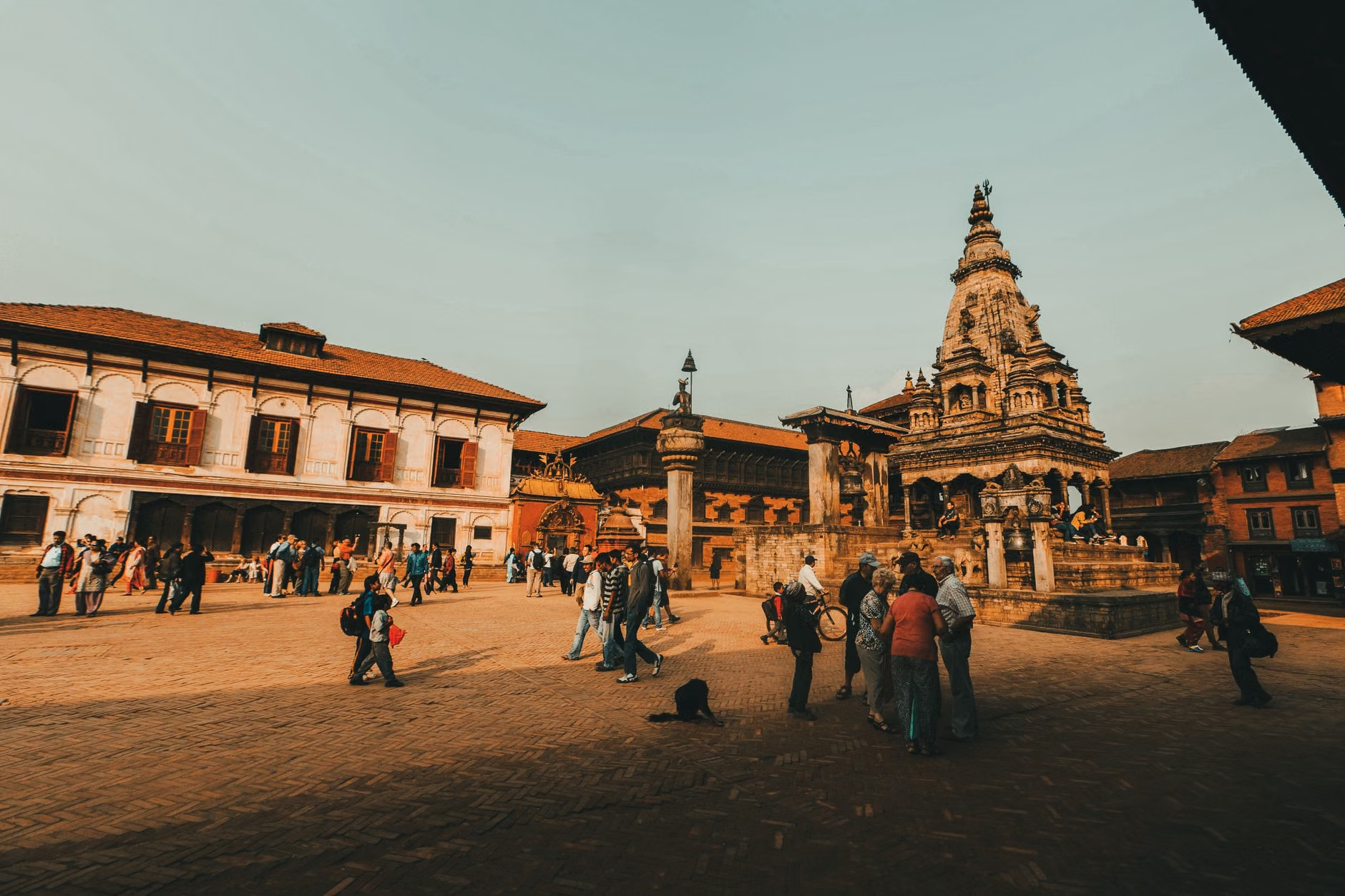
| Urban Heritage Walks | Low to Moderate | Architecture & City Planning | Those who prefer paved paths and frequent stops. |
| Nature & Local Lore | Moderate | Geography & Folklore | Those with good stamina for uneven ground. |
| Historical Site Tours | Low | Specific Landmarks | Those who prefer shorter distances with high accessibility. |
When reviewing these options, always prioritize your own comfort. If a group does not provide information about terrain—such as whether there are stairs, steep inclines, or unpaved paths—do not hesitate to contact the organizer. A professional group will be happy to provide an honest assessment of the route’s accessibility.
Preparing for Your First Walk: A Safety Checklist
Before heading out, a little preparation ensures that the experience remains enjoyable rather than exhausting. Consider these practical steps to manage your stamina and safety:
- Assess the Route: Check for “rest points.” Does the walk include stops at cafes, parks, or museums where you can sit down?
- Footwear Matters: Wear supportive, broken-in walking shoes. Even if the walk is “easy,” the cumulative impact of walking on pavement can be hard on the joints.
- Hydration and Nutrition: Carry a water bottle, even for shorter walks. If the walk lasts longer than 90 minutes, consider a small, high-protein snack.
- Communication: If you have any mobility limitations, inform the walk leader beforehand. This allows them to suggest modifications or ensure the route is safe for your level of mobility.
Managing Stamina and Recovery
One common mistake is overestimating how much distance you can cover in a single outing. It is much better to join a group that focuses on “slow-travel” or “mindful walking” if you are concerned about fatigue. Remember that recovery is part of the hobby. If you feel exceptionally tired after a walk, it is a sign that you should choose a shorter or less intensive route for your next outing, or increase your rest intervals during the walk.
Hidden Benefits: Beyond the Physical
Beyond the obvious health outcomes, these groups often provide an unexpected sense of “place-attachment.” By learning the history of the streets you walk every day, your neighborhood stops being just a location and becomes a story. This change in perspective can significantly improve mental wellbeing, as it fosters a deeper sense of belonging and community pride.
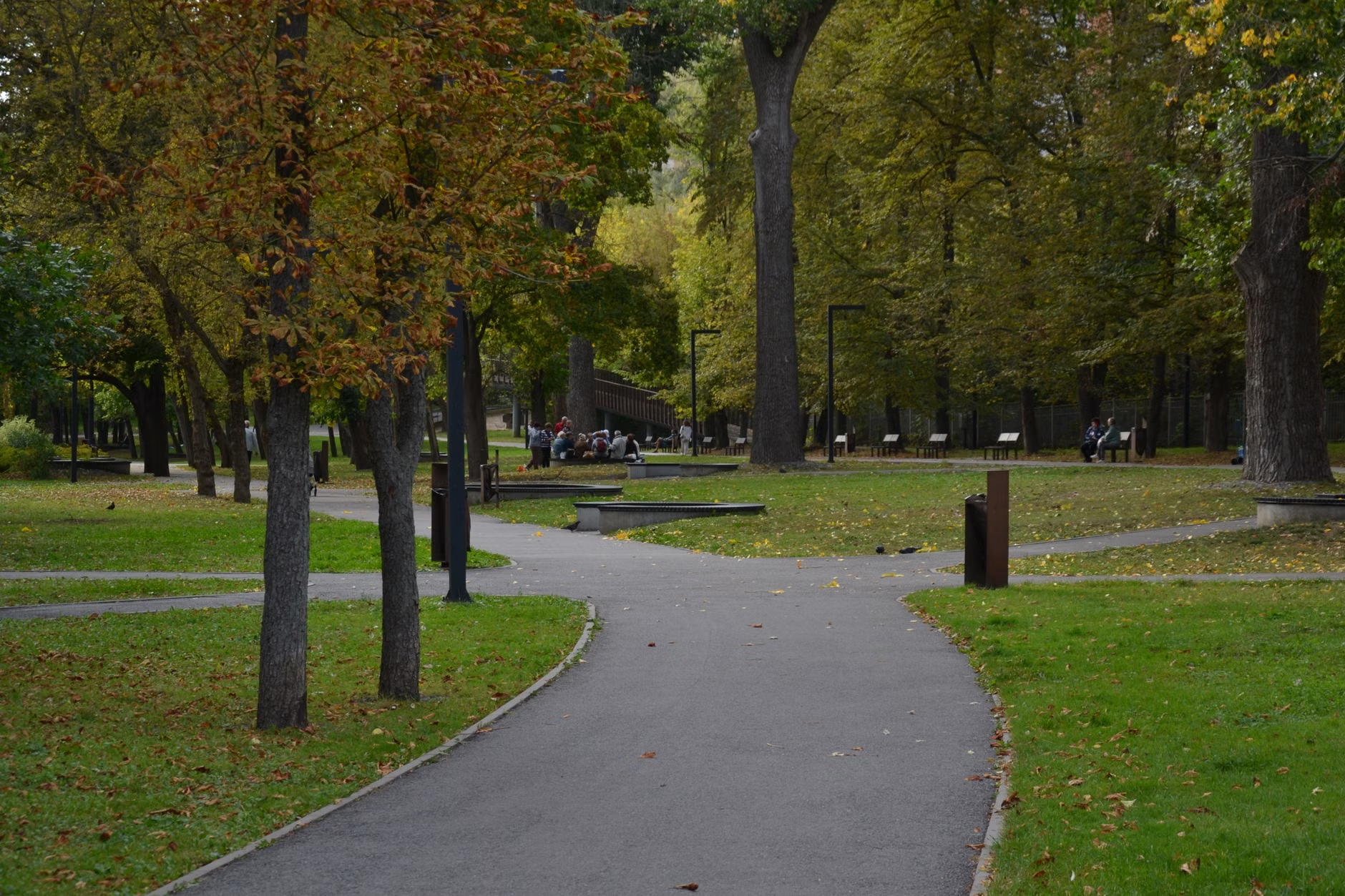
Furthermore, these groups often act as advocates for local preservation. As you become more knowledgeable about the history of your area, you may find yourself becoming more involved in community decisions regarding urban planning and the protection of local landmarks. This provides a sense of purpose and civic engagement that is highly beneficial for mental health.
Practical Steps to Find or Start a Group
If you cannot find a group in your area, you might consider starting a small, informal one. You do not need to be a historian to do this. There are many digital resources available that provide historical data about almost any location in the world.
- Use Local Archives: Most municipal libraries have digitized maps and historical records. These are excellent starting points for planning a route.
- Start Small: Invite two or three friends for a “history walk” through a specific neighborhood. Keep the route under 2 kilometers for the first few outings.
- Leverage Technology: Use free mapping tools like Google Maps or specialized walking apps to measure distances and check for elevation changes before you commit to a route.
- Community Centers: Contact your local community center or senior center. They may be able to help you advertise your group or provide a space for meetings.
A note on safety: When using historical maps or online guides, always verify that the information is current. Construction, road closures, and changes in public access can render old information obsolete. Always do a “dry run” of the route yourself or with a partner to ensure it meets your group’s accessibility requirements.
Conclusion: The Value of Consistent Exploration
Community walking history groups offer a perfect blend of physical activity and intellectual stimulation. By choosing a group that respects your physical boundaries and aligns with your interests, you can turn your daily leisure time into a meaningful pursuit. Whether you are uncovering the secrets of your own town or exploring a new district, the act of walking with others creates a unique social and cognitive environment that supports healthy aging.
Remember, the goal is not to reach a specific destination or hit a certain number of steps, but to engage with your environment and your peers. Start slowly, prioritize your comfort, and enjoy the process of discovery.
Frequently Asked Questions
Q: What if I have mobility issues but still want to join a group?
A: Look for groups that explicitly label their walks as “accessible,” “leisurely,” or “urban-focused.” These walks usually avoid steep hills and rough terrain. Always communicate your specific needs to the organizer before the first walk to ensure the route is appropriate for you.
Q: Do I need to be a history buff to join?
A: Absolutely not. Most groups are designed for enthusiasts of all knowledge levels. The primary goal is usually social connection and light exercise; the history is simply a vehicle to make the walk more interesting and engaging.
Q: How can I ensure the history being shared is accurate?
A: Many community groups partner with local historical societies or museums. If you are concerned about accuracy, look for groups that are affiliated with these institutions. However, even informal groups provide value through shared stories and local memories, which are a form of “oral history” that is just as valid and valuable as academic records.
Official resources for finding local walking groups often include your national or regional walking association websites, such as The Ramblers (UK), American Trails (USA), or local municipal government recreation pages. Always check these official sources for safety guidelines and regional trail accessibility information.