- Sulfur is an essential component of cartilage and connective tissue, playing a structural role in maintaining joint flexibility as we age.
- Focusing on whole-food sources—specifically cruciferous vegetables, alliums, and lean proteins—is the safest and most effective way to ensure adequate intake.
- While supplements like MSM exist, they should be viewed as an adjunct to, not a replacement for, a balanced diet and professional medical guidance.
For many adults aged 60 to 80, maintaining mobility is a primary pillar of independence. While we often focus on calcium for bone density or omega-3s for heart health, one mineral is frequently overlooked: sulfur. Sulfur is not just a chemical element; it is a fundamental building block of the human body, particularly within the cartilage, tendons, and ligaments that keep our joints moving smoothly.
Understanding the Role of Sulfur in Joint Physiology
In the context of joint health, sulfur acts as a structural stabilizer. It is a key component of glycosaminoglycans—the molecules that form the matrix of cartilage. Think of your cartilage like a sponge; when it is healthy and well-structured, it absorbs shock and allows bones to glide past one another without friction. Sulfur facilitates the cross-linking of collagen fibers, which provides the tensile strength necessary for these tissues to withstand the daily stresses of walking, reaching, and bending.
As we age, the body’s ability to synthesize these complex proteins can become less efficient. While there is no “magic bullet” to reverse age-related wear and tear, ensuring that the body has the raw materials it needs to maintain existing tissue is a logical component of a preventive health strategy. Sulfur is abundant in the body, but it must be replenished through the diet to support the ongoing repair cycles of soft tissues.
Identifying High-Sulfur Dietary Sources
The most effective way to increase your sulfur intake is through the consumption of sulfur-rich foods. These foods are generally nutrient-dense and align with a heart-healthy, Mediterranean-style diet. Below is a breakdown of the primary categories of sulfur-containing foods.
1. Cruciferous Vegetables
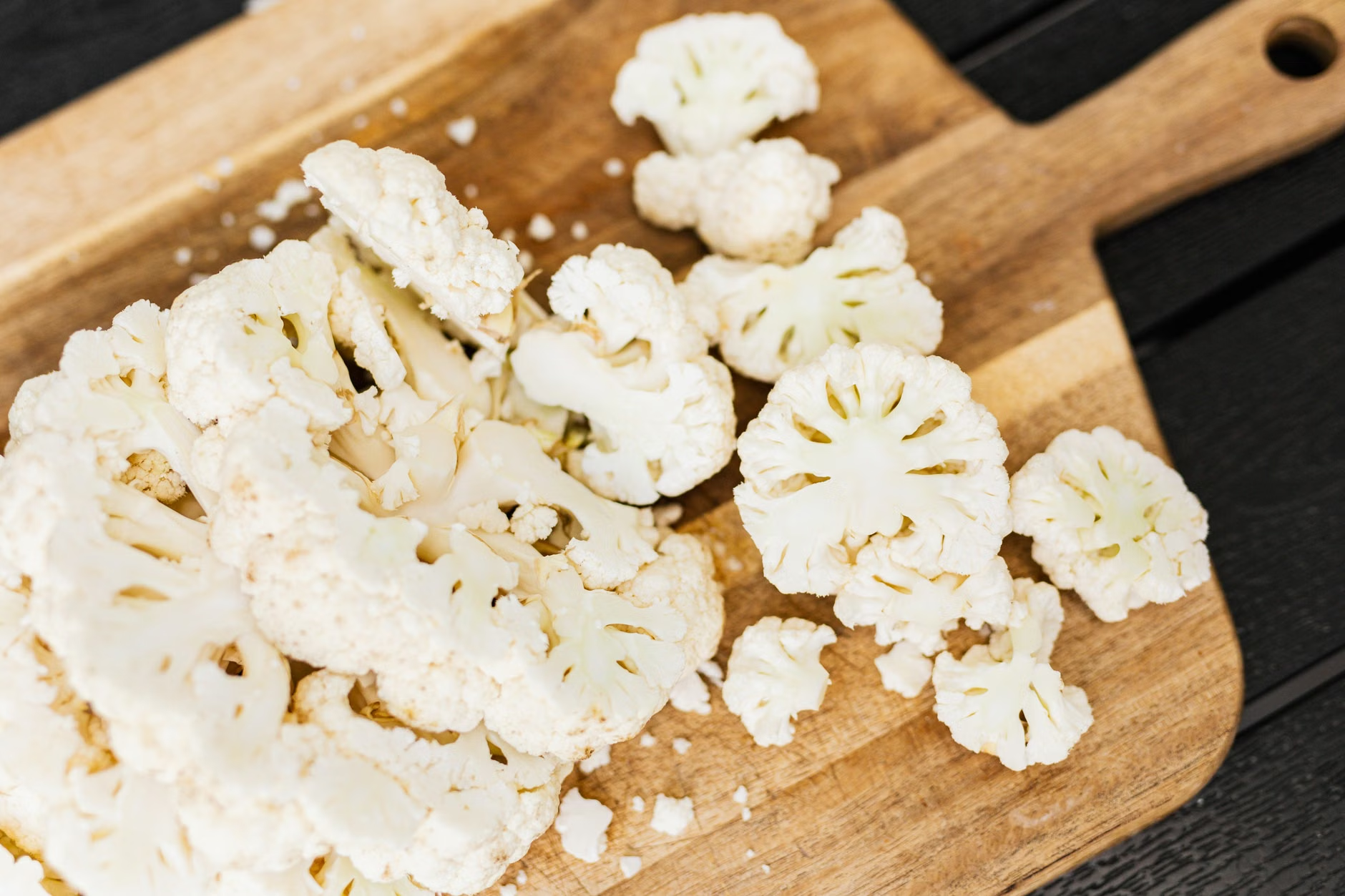
Vegetables in the Brassicaceae family, such as broccoli, cauliflower, Brussels sprouts, kale, and cabbage, are rich in glucosinolates. These compounds contain sulfur and are broken down by the body into biologically active forms. For older adults, these are excellent choices as they also provide fiber and essential vitamins like C and K.
2. Allium Vegetables
Garlic, onions, leeks, and chives are staples in many global cuisines. They contain sulfur compounds like diallyl disulfide. These are not only beneficial for joint-related connective tissue but have also been studied for their potential cardiovascular benefits. Incorporating these into your daily cooking is a simple, low-cost habit.
3. High-Quality Proteins
Sulfur is an integral part of two specific amino acids: methionine and cysteine. These are found in high concentrations in animal proteins, including eggs, poultry, lean beef, and fish. For those following plant-based diets, legumes (beans, lentils, and chickpeas) provide a solid, albeit lower-concentration, source of these sulfur-containing amino acids.
| Food Group | Primary Examples | Practical Serving Idea |
|---|---|---|
| Cruciferous | Broccoli, Kale, Brussels Sprouts | Steam briefly to preserve nutrients; add to salads. |
| Alliums | Garlic, Onions, Leeks | Sauté with olive oil as a base for stews or grains. |
| Proteins | Eggs, Poultry, Legumes | Include one serving at every main meal. |
When reviewing this table, consider your current digestion. For some older adults, raw cruciferous vegetables may cause bloating. Cooking these vegetables—steaming, roasting, or boiling—breaks down some of the complex fibers, making them easier to digest while still retaining the sulfur compounds.

The Reality of Supplements: MSM and Beyond
Methylsulfonylmethane (MSM) is a popular supplement often marketed for joint comfort. It is an organic sulfur-containing compound. While some clinical studies suggest that MSM may help reduce markers of inflammation in those with joint discomfort, the scientific community remains cautious about recommending it as a universal solution.
Important Note: Supplements are not regulated with the same rigor as pharmaceuticals in many jurisdictions. Before adding an MSM supplement or any joint-support formula to your regimen, you must consider the following:
- Interactions: MSM and other sulfur supplements may interact with blood thinners or other medications commonly used by older adults.
- Dosage Variability: The lack of standardized dosing means that what you buy on the shelf may vary significantly in potency and purity.
- Underlying Conditions: If you have kidney concerns, high sulfur intake through supplements may place an unnecessary load on your system. Always consult with your primary care physician before starting a new supplement.
Practical Strategies for Daily Maintenance
Dietary changes are most effective when they are sustainable. Rather than attempting a drastic overhaul of your eating habits, focus on “stacking” sulfur-rich foods into your existing routine.
Step-by-Step Integration:
- The Allium Base: Start your lunch or dinner by sautéing a clove of garlic or a quarter of an onion. This provides a flavor foundation and a consistent source of sulfur.
- The Green Rotation: Aim to rotate your cruciferous vegetables. Do not rely solely on broccoli; experiment with bok choy, cabbage, or arugula to ensure a wider range of phytonutrients.
- Protein Balancing: Ensure your protein source is balanced. If you eat red meat, pair it with a sulfur-rich vegetable side dish to counteract potential inflammatory responses.
- Hydration: Sulfur metabolism requires adequate hydration. Ensure you are drinking enough water throughout the day to support your kidneys as they process these nutrients.
One overlooked variable in joint health is the role of physical activity. Sulfur supports the tissue, but movement is what keeps the joint lubricated. Without regular, low-impact movement, the best diet in the world will struggle to keep joints mobile. Combine your dietary efforts with walking, swimming, or chair-based resistance exercises to maximize the benefit.

When to Consult a Professional
Dietary changes are preventive. They are not intended to treat acute injury, chronic autoimmune conditions, or severe arthritis. If you experience the following, do not rely on diet alone:
- Sudden swelling or redness: This may indicate an acute inflammatory flare or infection.
- Loss of range of motion: If you find you can no longer perform daily tasks like reaching a high shelf or tying your shoes, this warrants a physical examination.
- Pain that prevents sleep: Chronic pain is a signal from the body that requires a clinical diagnosis to ensure you are not causing further damage.
When you visit a doctor, bring a “symptom diary.” Note when the discomfort occurs (e.g., in the morning, after walking, while resting), what makes it better, and what makes it worse. Bring a list of all current medications and supplements, as some supplements can interfere with blood tests or surgical procedures.
The Long-Term View on Joint Health
Maintaining joint comfort in your 60s, 70s, and beyond is about the cumulative effect of small, consistent habits. Sulfur is a silent partner in this process, providing the literal scaffolding for your movement. By focusing on whole, sulfur-rich foods, you are not just “eating for joints”—you are eating for a robust, resilient body that supports your lifestyle goals, whether that is gardening, traveling, or keeping up with grandchildren.
Remember that there is no single food or nutrient that acts as a miracle cure. The most successful approach is a holistic one that includes a nutrient-dense diet, adequate hydration, regular movement, and proactive monitoring of your physical health. By prioritizing these factors, you maintain the highest degree of control over your own vitality.
Frequently Asked Questions
Q: Can I get too much sulfur from my diet?
A: It is virtually impossible to ingest toxic levels of sulfur through a balanced diet of whole foods. The body is highly efficient at processing and excreting excess sulfur. However, concentrated supplements are a different matter and should be used only under medical supervision.
Q: Are there any specific groups who should avoid high-sulfur diets?
A: Individuals with specific digestive conditions, such as certain types of IBS (Irritable Bowel Syndrome) or those with specific sulfur-metabolism disorders, may need to limit their intake of high-sulfur foods. If you experience consistent digestive distress after eating these foods, consult a dietitian or gastroenterologist.
Q: How long does it take to notice an improvement in joint comfort?
A: Dietary changes are not an overnight fix. Because they work by supporting the slow process of tissue maintenance and repair, it may take several weeks or even months of consistent dietary habits to notice a difference. Patience and consistency are key.
Disclaimer: This article is for informational purposes only and does not constitute medical advice, diagnosis, or treatment. Always seek the advice of your physician or other qualified health provider with any questions you may have regarding a medical condition.
Official Sources for Further Reading:
- National Institute of Arthritis and Musculoskeletal and Skin Diseases (NIAMS)
- Nutrition.gov – USDA Food and Nutrition Information
The Biological Necessity: Why Sulfur is More Than Just a Mineral
To truly appreciate the role of sulfur, one must understand that it is the third most abundant mineral in the body by weight. It is found in every cell. When we talk about “joint comfort,” we are specifically discussing the health of the extracellular matrix. This matrix is a complex network of proteins, sugars, and water that surrounds our cells. In joints, this matrix is specialized into cartilage.
The sulfur-containing amino acids methionine and cysteine are essential, meaning the body cannot produce them in sufficient quantities on its own; they must be ingested. Once ingested, the body uses these amino acids to build proteins like keratin and collagen. Keratin is well-known for its role in hair and nail health, but collagen is the primary protein in our cartilage. Without sufficient sulfur, the cross-linking—the “glue”—that holds these collagen fibers together becomes weak. This structural weakness is what contributes to the thinning and degradation of cartilage over time.
Comparative Analysis: Supplements vs. Food
One of the most common questions from our readers is why we emphasize food over supplements. The answer lies in “bioavailability” and “synergy.”
When you eat a piece of broccoli, you are not just getting sulfur. You are getting a complex package of vitamins, minerals, fiber, and antioxidants that work together. For instance, Vitamin C is required for the synthesis of collagen. When you consume sulfur through a vegetable that is also high in Vitamin C, you are providing the body with both the raw material (sulfur) and the catalyst (Vitamin C) needed for repair. Supplements, by contrast, are often isolated compounds. They lack the “co-factors” that help the body absorb and utilize the nutrient effectively. Furthermore, the fiber in whole foods slows the absorption of nutrients, preventing the spikes that can occur with high-dose, concentrated supplements.
The marketplace for joint health is saturated with products promising everything from “instant relief” to “cartilage regeneration.” As an informed consumer, it is vital to apply a critical lens. If a product claims to “regrow cartilage,” it is likely making an unsupported claim. There is currently no widely accepted clinical intervention that can fully regenerate damaged cartilage in the way that, for example, skin heals from a cut. The goal of preventive health is to preserve what you have and reduce the rate of degradation.
When you see products labeled “Joint Support,” look at the ingredient list. Many contain a combination of glucosamine, chondroitin, and MSM. While these are popular, the clinical evidence for their efficacy varies wildly between individuals. Some people find them helpful; others experience no difference at all. The most practical decision rule is this: If you choose to try a supplement, commit to a trial period of 8-12 weeks. If you do not notice any improvement in your joint comfort or mobility by the end of that period, there is likely no benefit to continuing the expense.
Integrating Mobility: The Sulfur-Movement Connection
We have discussed the “input” side of the equation (diet). Now, let us address the “output” side (movement). Joints are avascular, meaning they do not have a direct blood supply. They receive their nutrients and get rid of waste products through a process called “imbibition.” This process is driven by compression and decompression—essentially, movement.
When you walk, you compress the cartilage, pushing out waste fluids. When you lift your foot, the cartilage expands, drawing in fresh, nutrient-rich synovial fluid. This is how the sulfur you consumed in your dinner actually reaches your knee or hip joint. If you are sedentary, this process slows down significantly. This is why “active rest” is so important for seniors. It is not about intense marathon training; it is about consistent, low-impact movement that encourages the flow of fluid through your joints. A daily 20-minute walk is more beneficial for long-term joint health than a two-hour gym session once a week.
The Hidden Convenience of Sulfur-Rich Cooking
Many older adults worry that eating healthy is time-consuming or expensive. However, sulfur-rich foods are often the most affordable and versatile items in the grocery store. Onions, cabbage, and eggs are staples that have long shelf lives and can be transformed into dozens of different meals. By focusing on these, you are not just supporting your joints; you are engaging in a cost-effective, time-efficient way of eating that supports overall longevity.
Consider the “Batch Cooking” strategy: Roast a large tray of broccoli, cauliflower, and Brussels sprouts at the start of the week. These can be added to eggs in the morning, thrown into a soup for lunch, or served as a side dish for dinner. This reduces the daily effort required to maintain a high-sulfur diet, making it more likely that you will stick with it.
Addressing Common Misconceptions
A common misconception is that “joint pain is just a natural part of aging and there is nothing to be done.” While it is true that we may experience some changes in our joints as we age, chronic, debilitating pain is not a “normal” requirement of the aging process. It is a signal. By paying attention to that signal and supporting your body with the right nutrients, you can often mitigate the impact of these changes. You are the primary manager of your own health. The information provided here is intended to give you the tools to take that responsibility, to ask better questions of your healthcare providers, and to make daily choices that favor your long-term mobility.
The journey to better joint comfort is not a sprint; it is a lifelong commitment to listening to your body, nourishing it with intention, and moving it with care. Sulfur is just one piece of this puzzle, but it is a foundational one. By ensuring your diet is rich in this essential mineral, you are providing your body with the stability it needs to keep you active, independent, and enjoying the activities you love for years to come.