- Cognitive Engagement: Birdwatching acts as a form of “mindful observation,” which has been shown to support focus, memory, and sustained attention in older adults.
- Social Integration: Joining a local group provides a structured, low-pressure environment to form meaningful connections, which is a primary factor in preventing social isolation.
- Accessibility First: Modern birdwatching is highly adaptable; you can participate from a seated position, on paved trails, or even via “backyard birding” if mobility is a concern.
The Intersection of Nature and Social Health
Birdwatching—or “birding”—is often mischaracterized as a solitary, stationary hobby. In reality, community birdwatching groups offer a sophisticated social structure that combines gentle physical activity with complex cognitive engagement. For adults aged 60 to 80, these groups provide a unique environment where the focus is shifted away from the self and toward the environment, creating a natural icebreaker that facilitates social bonding without the need for forced conversation.
The social value of these groups lies in their shared objective. When a group of individuals focuses on a common task—identifying a specific species or tracking a migration pattern—the social hierarchy flattens. Whether one is a retired professional or a lifelong amateur, the bird is the focus. This shared purpose reduces the anxiety often associated with social settings, making these groups an excellent entry point for those looking to expand their social circle in retirement.
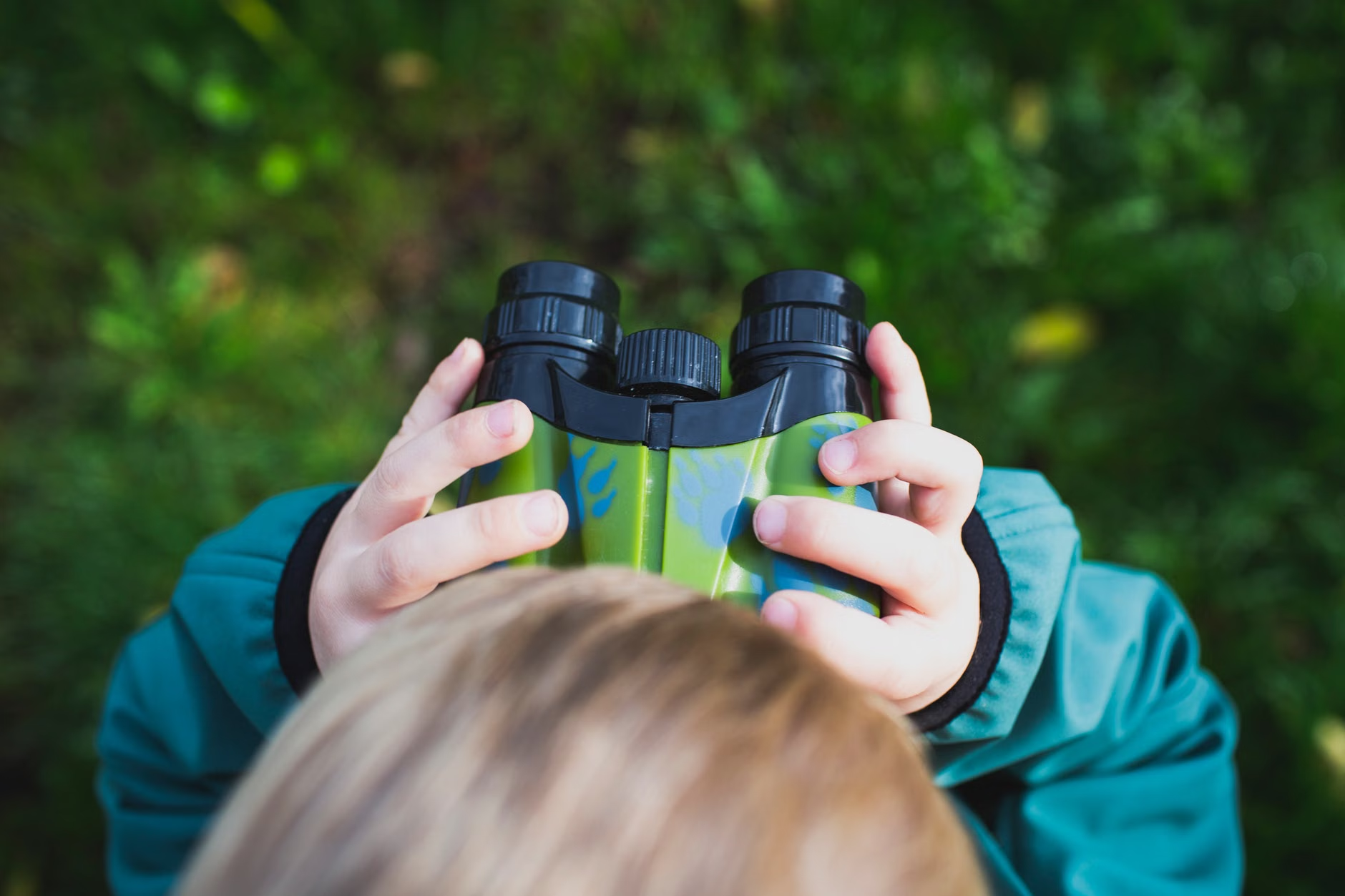
Cognitive Benefits of Active Observation
The mental demands of birding are significant but rewarding. It requires “active visual scanning,” which involves detecting movement against complex backgrounds and distinguishing subtle variations in color, size, and song. Research suggests that sustained attention tasks like bird identification can help maintain cognitive flexibility—the brain’s ability to switch between thinking about two different concepts or to think about multiple concepts simultaneously.
The “Mindful Observation” Framework
Unlike passive activities, birdwatching requires the participant to be fully present. If your mind wanders, you miss the bird. This state of “flow” is a powerful tool for stress reduction. When we observe, we are not just looking; we are analyzing, listening, and remembering. This cycle of observation—detect, identify, verify, record—is a continuous cognitive workout.
Practical Decision Rule: If you find yourself struggling to stay focused on hobbies, start with a “three-species challenge.” Instead of trying to identify every bird in the park, focus exclusively on finding and confirming the identity of just three. This prevents cognitive overload and keeps the activity enjoyable rather than demanding.
Choosing the Right Group for Your Needs
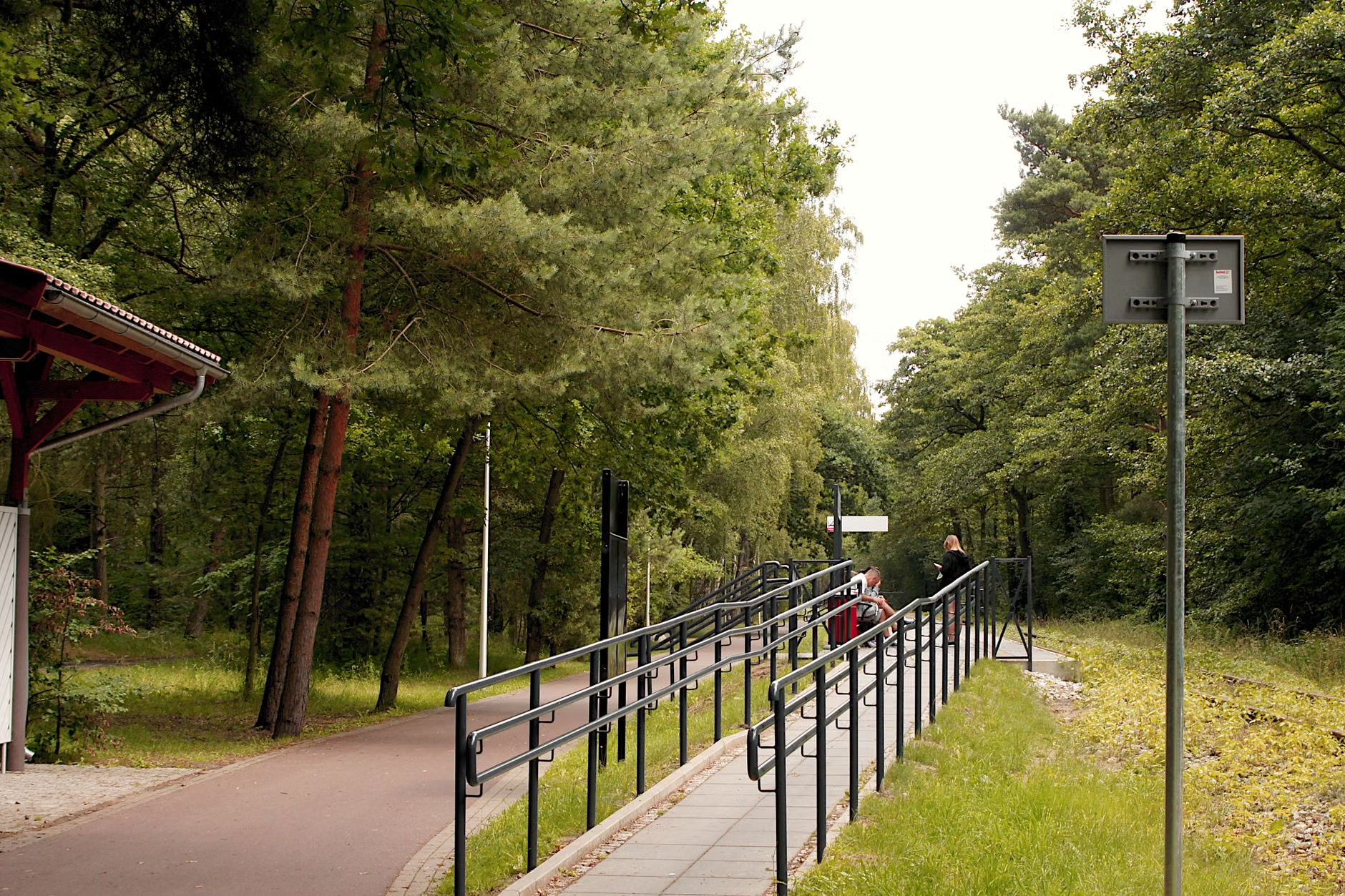
Not all birdwatching groups are identical in their physical demands. When selecting a group, it is essential to evaluate the “mobility profile” of the organization. Some groups specialize in “hardcore” hiking, covering several miles of uneven terrain, while others focus on “stationary” or “accessible” birding.
| Group Type | Physical Intensity | Accessibility | Best For |
|---|---|---|---|
| Trail-Focused | High | Low/Moderate | Those with high stamina and mobility. |
| Stationary/Blind | Low | High | Those using walkers or with limited endurance. |
| Urban/Park | Moderate | High | Those preferring paved paths and nearby facilities. |
Before joining, contact the group leader and ask specifically about the trail surface and the frequency of rest stops. A group that is “senior-friendly” should be able to provide a map of the route indicating where seating is available. Do not hesitate to ask if the group is comfortable with a slower pace; most birding groups are inherently slow, as the birds require patience, making them naturally suited for those who move at a measured pace.
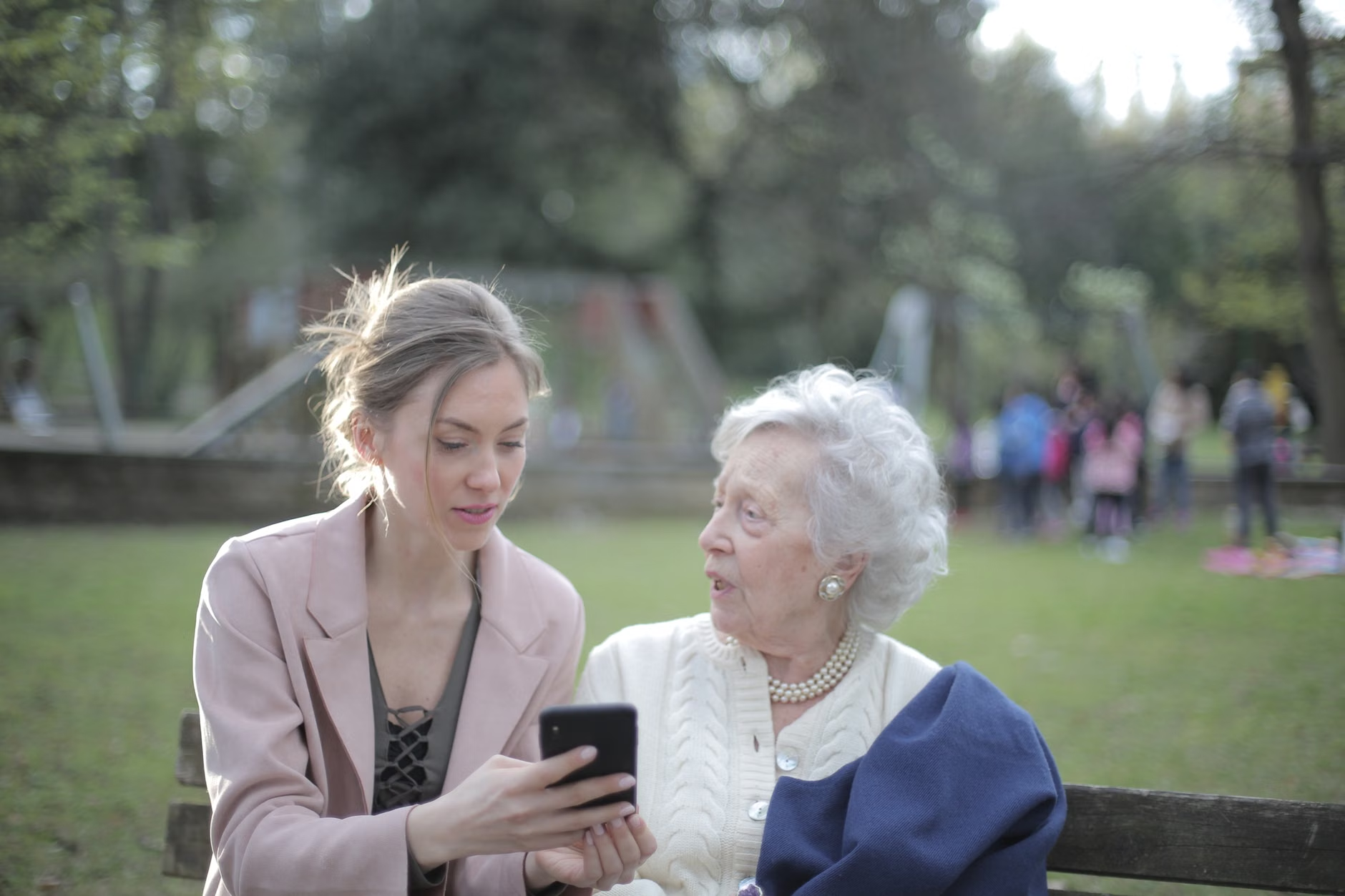
Safety in birding is about preparation. Because the activity often takes place in the early morning or late afternoon—the times when birds are most active—you must account for changing light levels and temperature fluctuations.
Essential Gear Checklist for Seniors
- Lightweight Binoculars: Look for 8×42 models. The “8” refers to magnification, and “42” refers to the lens diameter. Higher magnification makes the image shake more, which is difficult for steady hands.
- Sturdy Footwear: Even on paved trails, early morning dew makes surfaces slippery. Choose shoes with high-traction soles.
- Portable Seating: If your group doesn’t have designated stops, a lightweight, collapsible tripod stool can be a game-changer for your stamina.
- Layered Clothing: You will be standing still for long periods. Even on a warm day, you may feel chilled. Always bring a light windbreaker.
Common Mistake: Many beginners over-invest in high-end, heavy equipment. Start with a rental or a lightweight pair of binoculars. The best gear is the pair you are actually willing to carry for an hour. If the weight causes neck or shoulder strain, you will not enjoy the outing.
The Role of Technology in Modern Birding
Digital tools have made birdwatching more accessible than ever, allowing you to identify birds by their song alone. Apps like Merlin Bird ID (developed by the Cornell Lab of Ornithology) can listen to the environment and suggest species in real-time. This is particularly helpful for those with vision impairments who may rely more on auditory cues.
However, technology should be a supplement, not a replacement for social interaction. Use these apps to settle debates within the group or to learn new calls, but keep your eyes on the trees and your ears open to the group conversation. The social value comes from the *discussion* about the bird, not the digital confirmation of its identity.
Expanding the Hobby: From Community to Home
If you find that travel to group sites becomes difficult due to weather or temporary health constraints, you can maintain your connection to the community through “backyard birding.” Many local groups have online forums or monthly meetups where members share photos and sightings from their own gardens. This transition ensures that your social link remains active even when your physical mobility is limited.
Insight: The “social value” of a birding group is not confined to the time spent in the field. The anticipation of the next outing, the preparation of your gear, and the post-outing review of sightings provide a rhythm to the week that is vital for mental health. Treat the group as a standing appointment—a commitment to your own wellbeing.
Addressing Potential Barriers
It is common to worry about “keeping up” with a group. If you are concerned about your stamina, look for groups associated with local Audubon societies or regional nature centers. These organizations often have specific “beginner” or “accessible” outings that prioritize the educational and social aspects over the physical distance covered.
If you have specific health conditions, such as balance issues or a need for frequent restroom access, identify these needs early. Most group leaders are appreciative of this information, as it helps them plan better routes for everyone. Transparency about your physical needs is not a burden; it is a contribution to a more inclusive and safer group environment.
Conclusion: The Lasting Value of Connection
The social value of community birdwatching groups extends far beyond the identification of species. It provides a structured, safe, and intellectually stimulating environment that addresses the fundamental human need for connection and purpose. Whether you are a seasoned observer or a curious beginner, the key is to prioritize your own comfort and pace, ensuring that the hobby remains a source of joy rather than a source of stress. By choosing the right group, preparing your gear thoughtfully, and engaging with the community, you turn a simple walk in the park into a consistent, life-enriching habit.
Frequently Asked Questions
1. Do I need to be an expert to join a local birdwatching group?
Not at all. Most groups are eager to welcome beginners and often have “mentor” members who enjoy teaching newcomers. The best way to start is to look for “beginner bird walks” on the websites of local nature centers or Audubon chapters.
2. How do I know if a birdwatching trail is safe for my mobility level?
Always check the official website of the park or reserve. Look for keywords like “ADA compliant,” “paved,” or “flat.” If this information is missing, call the visitor center and ask: “Is the trail suitable for someone using a walker or cane?” or “Are there frequent benches along the path?”
3. Can I still participate if I have vision or hearing difficulties?
Yes. Many birders identify birds by song, which helps those with vision challenges. Conversely, those with hearing challenges often rely on visual cues and the helpful gestures of others in the group. Most groups are very accommodating—simply let the group leader know your specific needs before the start of the walk.
For further information on finding local birding resources, you can visit the National Audubon Society (USA) or your regional equivalent, such as the RSPB (UK) or BirdLife International for global resources.