- Social Infrastructure: Seed-swapping creates a low-pressure environment for intergenerational connection and community building.
- Cognitive and Physical Benefits: The hobby encourages light physical activity, organizational skills, and lifelong learning about plant biology.
- Practical Sustainability: Participants can significantly reduce gardening costs while preserving local biodiversity through heirloom seed saving.
For many, gardening is a solitary pursuit—a quiet dialogue between the hands and the earth. However, the rise of community seed-swapping has transformed this private act into a vibrant social movement. For adults in their 60s, 70s, and beyond, seed-swapping offers a unique intersection of leisure, environmental stewardship, and meaningful social engagement. It is not merely about the exchange of plant material; it is about the exchange of stories, knowledge, and connection.
Understanding the Mechanics of Seed-Swapping
At its simplest, seed-swapping is the practice of trading seeds collected from one’s own garden for seeds saved by others. Unlike purchasing packets from a commercial nursery, this practice is rooted in the “gift economy,” where the value is measured in community resilience rather than currency.
Why Seed-Swapping Matters for Modern Gardening
When you buy seeds from a commercial supplier, you are often limited to varieties that have been bred for shelf-life, long-distance transport, or uniform appearance. These are often “F1 hybrids,” which do not produce seeds that grow into the same plant the following year. By contrast, seed-swapping focuses on heirloom or open-pollinated varieties. These seeds carry the genetic history of a region and are often better adapted to local soil and climate conditions.
For an older adult, this creates a fascinating intellectual challenge. You are not just planting; you are curating. You learn about pollination cycles, the importance of isolation distances to prevent cross-pollination, and the specific drying and storage techniques required to maintain seed viability.
The Social Value: Building Bridges Through Seeds
The social isolation that can sometimes accompany retirement or a change in lifestyle is a challenge many face. Seed-swapping acts as a “social lubricant.” Because the exchange is centered around a shared interest, the focus is on the object—the seed—rather than the individual. This removes the performance anxiety that can sometimes hinder social interaction.
Intergenerational Knowledge Transfer
One of the most profound aspects of participating in local seed libraries or exchange groups is the opportunity to mentor younger gardeners. Younger generations are increasingly interested in sustainability and food security but may lack the “institutional memory” of how to grow specific crops in a changing climate. As an older adult, your decades of experience with local weather patterns, pest management, and soil health are invaluable assets to your community.
Example Scenario: Imagine a local community center hosting a “Spring Seed Kick-off.” An older member brings seeds from a tomato variety they have saved for ten years—a variety that thrives despite the local humidity. A young family, struggling with store-bought seeds that keep failing, receives this heirloom seed. The older member provides a few tips on mulching and watering. This creates a lasting connection, turning a stranger into a neighbor.
Getting Started: A Practical Guide for the Home Gardener
If you are interested in starting or joining a seed-swapping network, you do not need a massive plot of land or professional training. The barrier to entry is intentionally low.
Step-by-Step Participation Checklist
| Step | Action | Key Consideration |
|---|---|---|
| 1. Selection | Choose one easy crop (e.g., beans or peas) to start saving. | Start with self-pollinating plants to avoid cross-breeding. |
| 2. Processing | Dry seeds thoroughly and remove chaff. | Ensure they are bone-dry to prevent mold in storage. |
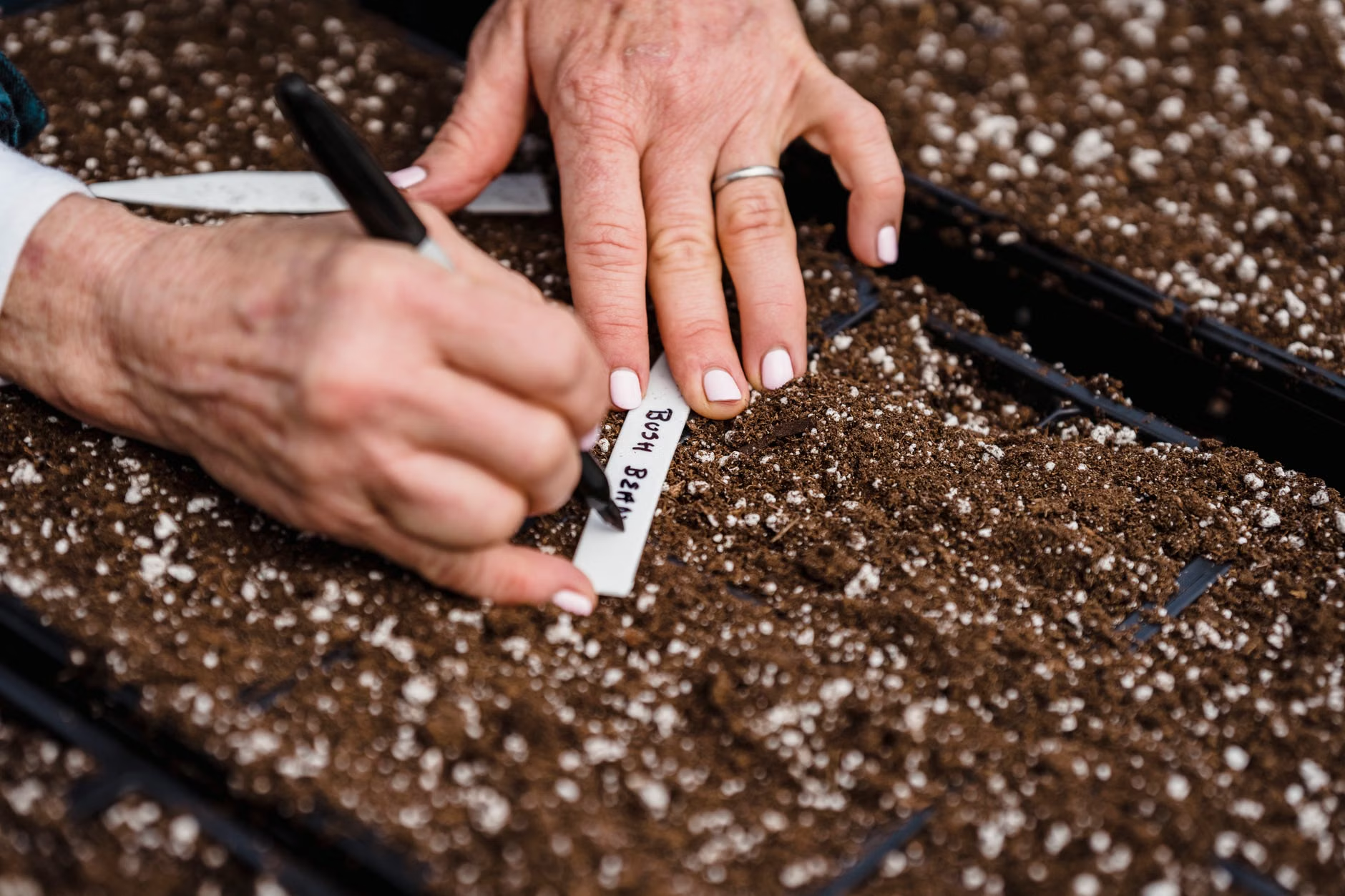
| 3. Labeling | Include the variety name, year, and growth notes. | Clarity is key for the next gardener. |
| 4. Networking | Visit a local seed library or library-run exchange. | Check local government or library websites for listings. |
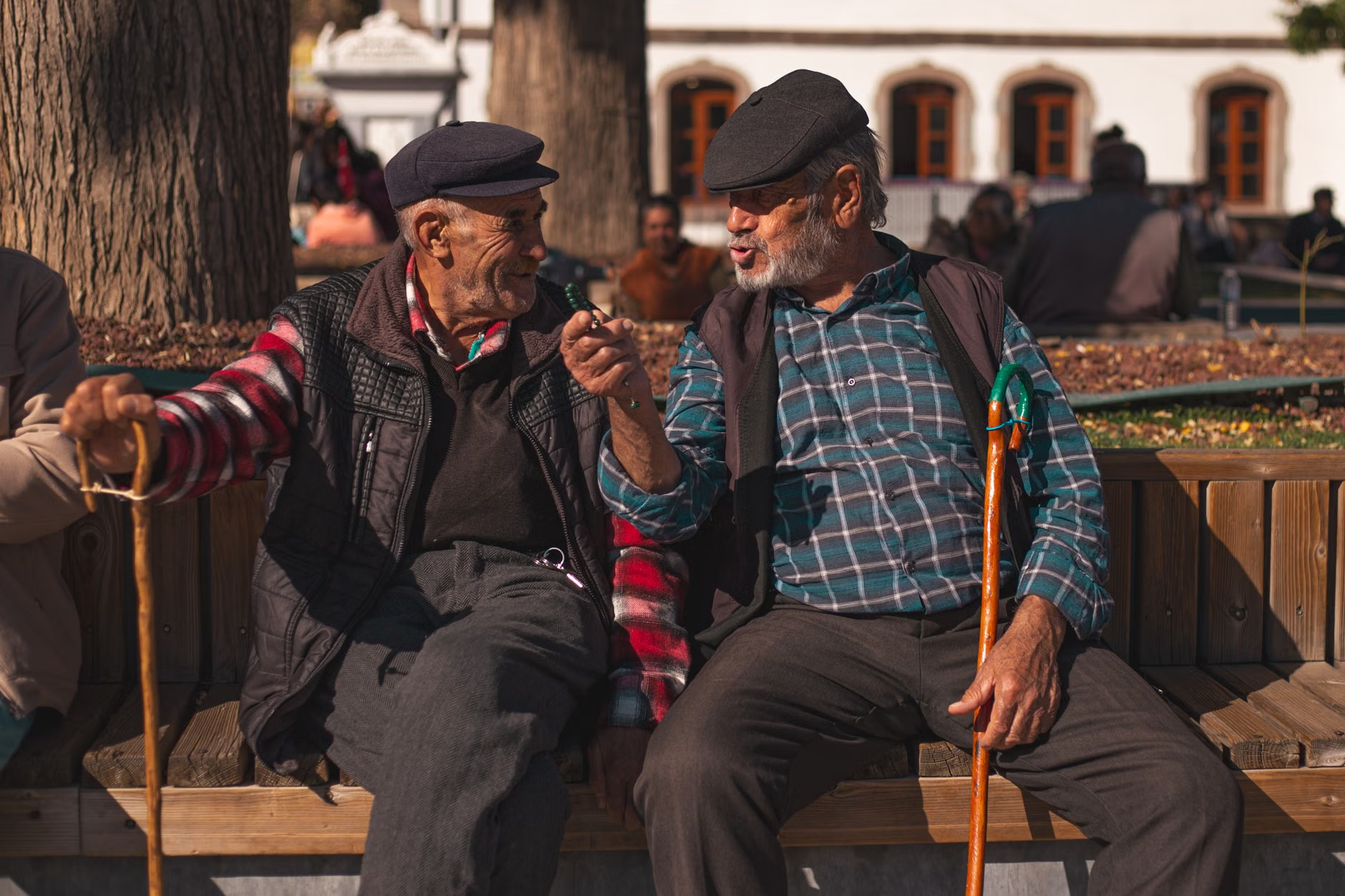
While gardening is generally beneficial, it is important to approach it with a realistic understanding of physical limitations. The “social” aspect of seed-swapping can be physically demanding if not managed properly. Seed swaps are often held in community centers, libraries, or outdoor gardens, which may involve standing for long periods, navigating uneven ground, or carrying heavy bags of supplies.
Maintaining Mobility and Stamina
If you have mobility challenges, do not let this deter you from participating. Most community groups are highly accommodating. When attending an event, consider the following:
- Accessibility Check: Call the venue ahead of time. Ask specifically about the distance from the parking area to the event space and whether there is adequate seating available.
- Pacing: Do not feel the need to visit every stall or talk to every person in one session. Treat the event as a social outing rather than a race.
- Logistics: If you are bringing seeds to swap, pack them in small, lightweight envelopes rather than heavy bulk containers. This makes your “inventory” easier to transport and organize.
The Hidden Inconvenience: Understanding Cross-Pollination Risks
One of the most common mistakes beginners make is failing to account for cross-pollination. If you grow two different varieties of squash in close proximity, they may cross-pollinate. The seeds you save will not produce the same squash next year; they will produce a “mystery” hybrid. While this can be a fun experiment, it is a disappointment if you were hoping for a specific variety. For your first few years, focus on plants that are easy to keep pure, such as lettuce, beans, or peas. These are “self-pollinating,” meaning they do not easily cross with other varieties, making them perfect for beginners.
The Role of Public Services and Libraries
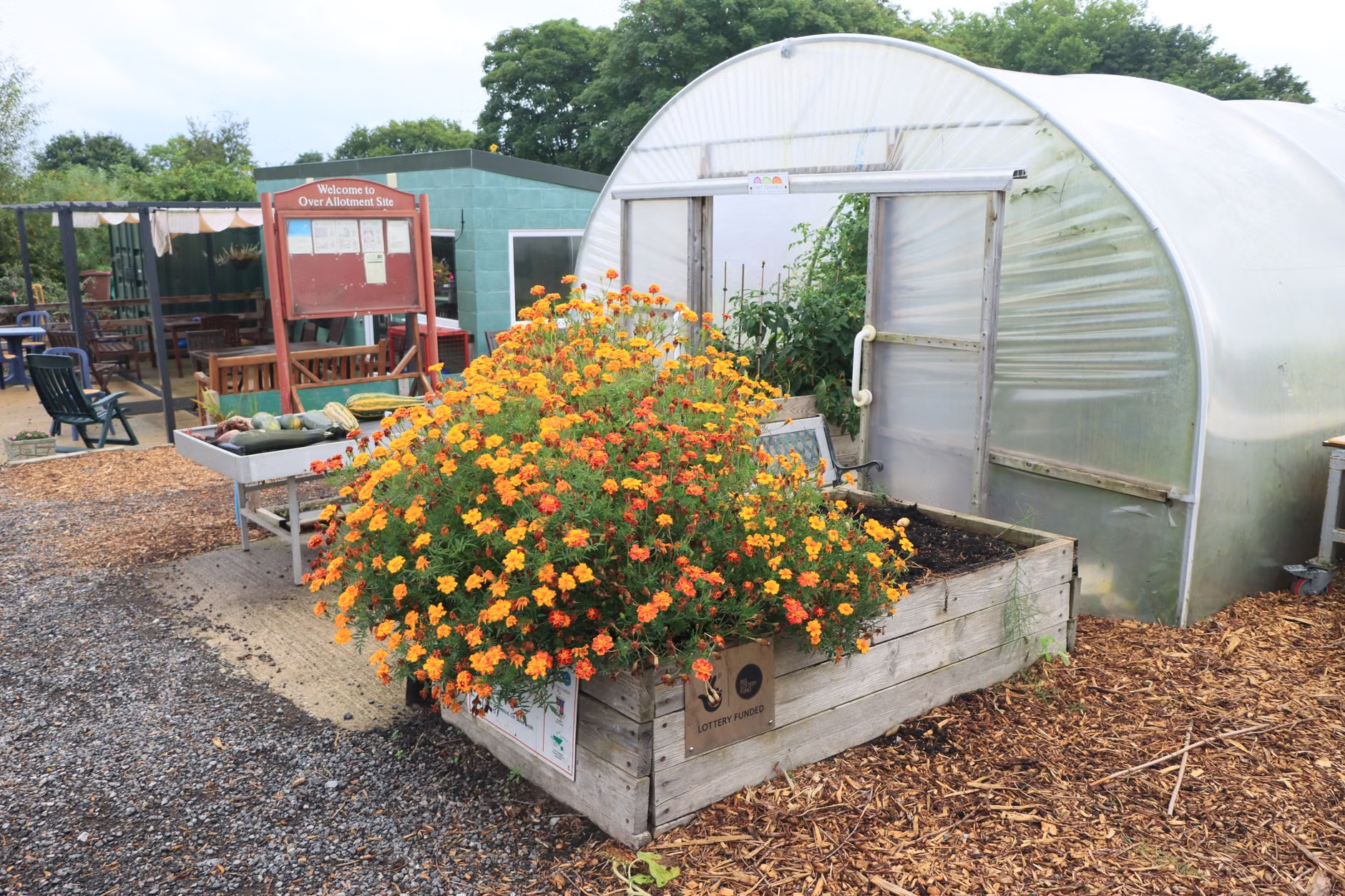
Many public libraries now host “Seed Libraries.” These are not just collections of seeds; they are part of a broader public service mandate to provide education and promote community resilience. In many jurisdictions, these libraries offer free workshops on how to save seeds. If you are looking for a place to start, search your local government or public library website for “Seed Library” or “Seed Exchange programs.” These are often free, safe, and regulated to ensure that invasive species are not being distributed.
Why This Matters for Long-Term Health
Beyond the social and environmental factors, there is a clear cognitive benefit to seed-swapping. It requires long-term planning and organizational memory. You are tracking the growth of a plant from spring to autumn, understanding the lifecycle, and managing the storage of the resulting seeds. This type of “proactive engagement” is a powerful tool for maintaining mental sharpness. It gives you a reason to look forward to the next season, a concept often referred to as “future-oriented activity,” which is linked to better emotional wellbeing in older adulthood.
Essential Tips for Success
To maximize your enjoyment and minimize frustration, keep these three principles in mind:
- Start Small: You do not need to save every seed in your garden. Start with one crop that you truly love.
- Keep Records: Use a simple notebook to track what you planted, when you harvested the seeds, and what the weather was like. This will become a precious record of your gardening journey.
- Be Honest About Your Seeds: If you are unsure if a seed is pure, label it as “cross-pollinated” or “mixed.” Other gardeners will appreciate the honesty, and it often leads to a fun conversation about what the result might be.
Conclusion: Cultivating More Than Just Plants
Seed-swapping is a bridge between the past and the future. It allows you to preserve the heritage of local food while building the social connections that are vital for a healthy, active life. Whether you are a master gardener or a complete beginner, the local seed-swapping community is waiting for your contribution. By sharing your seeds, you are planting the seeds of friendship, resilience, and community that will grow long after the season ends.
Frequently Asked Questions
1. Do I need to be an expert gardener to join a seed swap?
No. Most seed-swapping groups welcome beginners. In fact, many groups have “beginner-friendly” tables specifically designed for those just starting out. You do not need to bring seeds to your first event; you can simply attend to learn and receive seeds from others.
2. Are there any legal or safety issues I should be aware of?
Generally, no. However, it is important to ensure that you are not sharing seeds that are considered invasive in your specific region. If you are unsure, check with your local agricultural extension service or public library, as they often provide guidelines on which plants are safe to share.
3. How do I store my seeds to ensure they remain viable?
Seeds need to be kept in a “cool, dark, and dry” environment. A small paper envelope inside a glass jar with a desiccant pack (like those found in shoe boxes) is the gold standard. Avoid plastic bags, as they can trap moisture and cause the seeds to rot.
For further reading on local biodiversity and community gardening initiatives, you may consult resources such as the Seed Savers Exchange (a global reference for heirloom preservation) or your local municipal government’s community garden portal.