- Focus on Contrast and Glare: As we age, our eyes require more contrast rather than just higher brightness to perceive depth and navigate spaces safely.
- Circadian Lighting: Aligning your home lighting with the natural day-night cycle improves sleep quality and reduces the risk of cognitive decline associated with sleep disruption.
- Automated Safety: Motion-activated, low-level lighting is the most effective way to prevent nighttime falls without the need for manual switches.
Understanding the Shift in Lighting Standards for 2026
As we move into 2026, the global approach to residential lighting for older adults is undergoing a significant transformation. Historically, “better lighting” simply meant adding more bulbs to a room. However, current research from international health organizations and architectural design bodies now emphasizes visual comfort and biological health over raw lumen output. For adults aged 60 to 80, the primary goal of home lighting is to support decreasing visual acuity, minimize the risk of falls, and maintain a healthy sleep-wake cycle.
The 2026 trend focuses on “Age-Inclusive Lighting,” which integrates human-centric principles. This means lighting systems that adjust their color temperature and intensity to mimic natural sunlight during the day and provide warm, non-disruptive amber light in the evening. This article will guide you through the practical aspects of upgrading your home to meet these standards, ensuring your environment remains safe, functional, and comfortable.
The Science of Vision and Light: Why Your Needs Have Changed
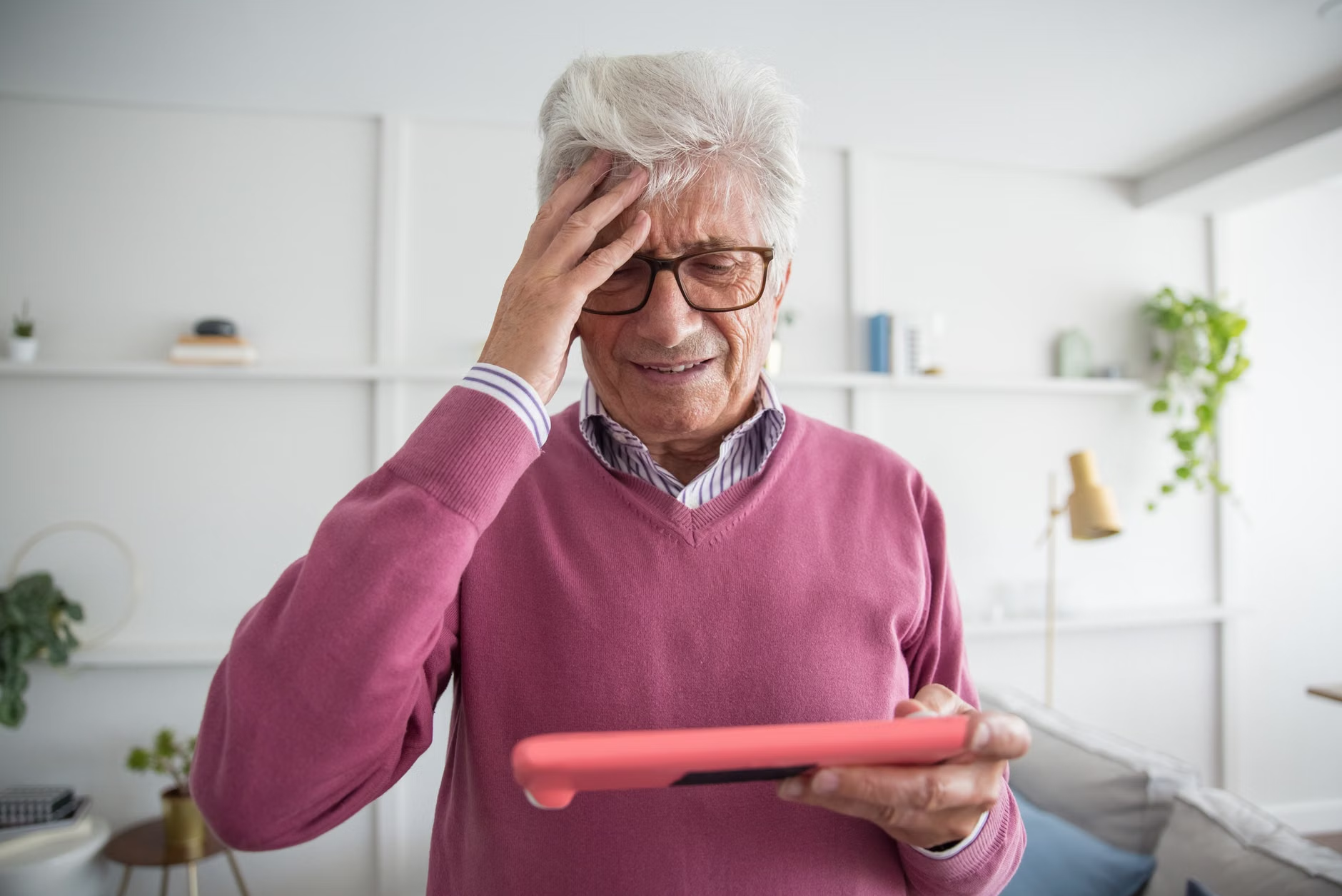
To make informed decisions about your home lighting, it is essential to understand how the aging eye perceives light. By age 65, the human eye’s crystalline lens yellows and becomes denser, which filters out blue-spectrum light. This makes colors appear less vibrant and reduces the amount of light reaching the retina by approximately 50% compared to a 20-year-old.
The Impact of Contrast
Many older adults mistake the need for more light with the need for higher intensity. In reality, the aging eye relies heavily on contrast. If you have a white plate on a white table, or a light-colored rug on a light-colored floor, your brain struggles to process the depth and boundaries of these objects. Improving lighting means creating task-specific zones that emphasize edges and textures, rather than flooding a room with uniform, flat light that washes out these details.
Glare Sensitivity and Diffusion
Another common issue is glare. As the eye’s lens changes, it scatters light more easily, causing “veiling glare”—a hazy effect that obscures vision. In 2026, the gold standard is diffused, indirect lighting. Avoid exposed bulbs or shiny, reflective surfaces that create hotspots. Instead, look for fixtures that bounce light off walls or ceilings, or those equipped with high-quality diffusers that soften the output.
Strategic Lighting Zones: A Room-by-Room Guide
Improving your home does not require a complete renovation. Often, tactical changes to specific zones can drastically improve your daily quality of life.
| Zone | Lighting Priority | Recommended Solution |
|---|---|---|
| Kitchen | Task clarity (shadow-free) | Under-cabinet LED strips (warm white) |
| Hallways | Safety (no-touch) | Motion-activated low-level wall lights |
| Living Room | Ambience & Contrast | Layered floor lamps with dimmers |
| Bathroom | Safety & Orientation | Anti-glare vanity lights + night light |
Kitchens: Eliminating Shadows
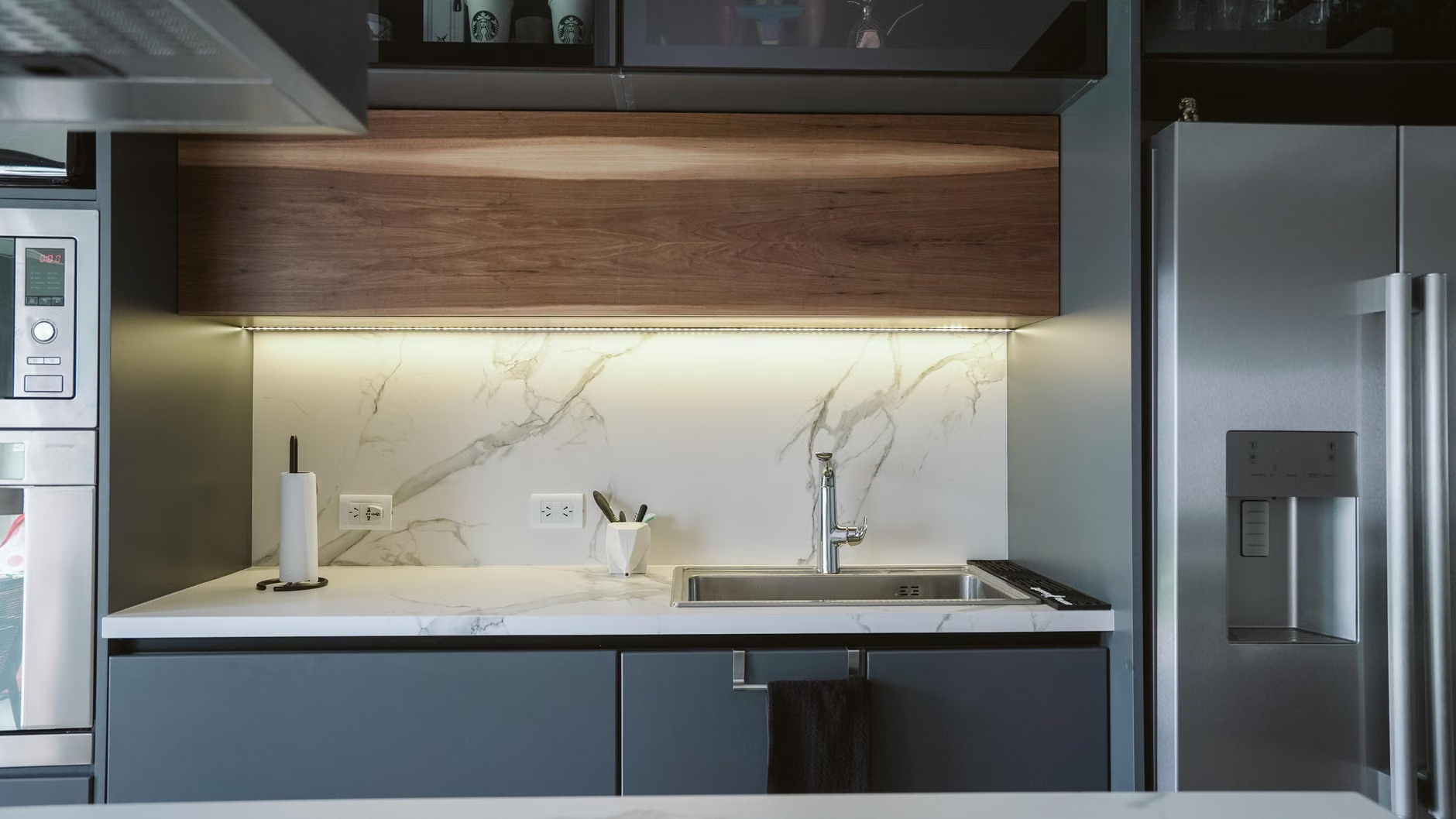
The kitchen is a high-risk area for spills and accidents. The most common mistake is relying on a single overhead ceiling light. This creates “shadow zones” on your countertops when you stand between the light and your workspace. By 2026, the standard recommendation is to install under-cabinet LED lighting. These provide direct illumination on the task surface, making it easier to read labels, prepare food, and handle sharp objects. Ensure these are “warm white” (around 3000K) to avoid the harsh, clinical feel of cool-blue light.
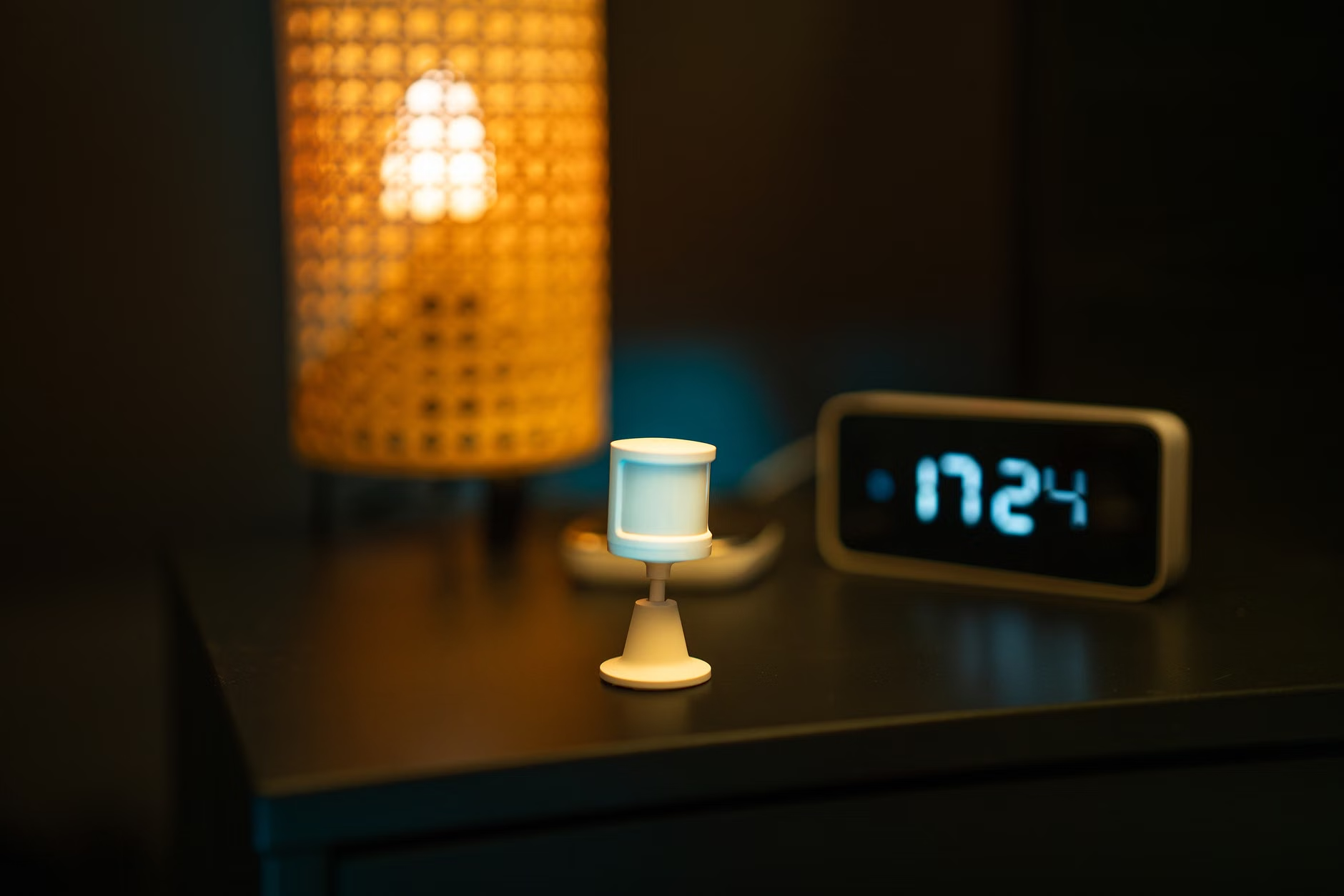
Falls are the leading cause of injury for adults over 65. Navigating to the bathroom at night is a critical vulnerability. The 2026 trend is the implementation of integrated motion-sensor lighting. These are small, low-profile units placed near the floor (about 12–18 inches above the ground). They detect movement and cast a soft, amber glow that illuminates the floor without waking you up fully or disturbing your sleep. This removes the need to fumble for switches in the dark.
Implementing Circadian Lighting: Why Timing Matters
Your “internal clock,” or circadian rhythm, is regulated by the light-sensitive cells in your eyes that detect blue light from the sun. In the morning and afternoon, exposure to bright, cool-toned light helps you stay alert and regulates your mood. However, late-evening exposure to the same light suppresses melatonin—the hormone responsible for sleep.
For those aged 60 to 80, sleep disturbances are common. Using “Smart Lighting” systems that automatically shift color temperature is a powerful, non-pharmacological way to improve sleep. You can program these systems to transition from a bright, invigorating light during the day to a soft, warm amber glow after 8:00 PM. This simple shift signals to your brain that it is time to wind down.
Practical Steps to Setup Smart Lighting
- Start with Smart Bulbs: You don’t need to rewire your home. Purchase smart bulbs that fit existing sockets.
- Use a Hub or App: Connect them to a simple, user-friendly app on your tablet or smartphone.
- Set Automated Schedules: Program the “Day” setting for 7:00 AM and the “Evening” setting for 8:00 PM.
- Voice Control: If you find apps difficult, consider a voice-controlled smart speaker. Commands like “Set living room to evening mode” are highly accessible.
Common Mistakes to Avoid in 2026
Many well-intentioned lighting upgrades end up failing because they overlook the specific physiological needs of the user. Avoid these common pitfalls:
- Over-brightening: Adding high-wattage bulbs creates glare, which actually makes it harder to see, especially for those with cataracts or macular degeneration.
- Inconsistent Color Temperatures: Mixing “daylight” (blueish) bulbs with “warm” (yellowish) bulbs in the same room creates visual confusion and makes depth perception difficult. Aim for consistency throughout a single room.
- Ignoring Task Lighting: Relying on general overhead lighting for reading or sewing. Always supplement with a dedicated, adjustable task lamp that allows you to direct light exactly where you need it without shining it into your eyes.
Safety Considerations and Maintenance
Lighting is only as good as its reliability. An essential part of your 2026 home strategy is a maintenance checklist. Every six months, inspect your lighting fixtures for the following:
- Dust accumulation: Dust on bulbs and covers can reduce light output by up to 20%. Gently wipe fixtures with a dry microfiber cloth.
- Flicker detection: LED bulbs that begin to flicker are often a sign of a failing driver or a loose connection. Replace these immediately, as flicker can cause eye strain and, in some cases, trigger dizziness or headaches.
- Accessibility of controls: Ensure all switches are reachable from a seated position or, ideally, automated. If you have mobility issues, consider “smart plugs” that allow you to turn lamps on and off via a remote control or voice command.
Financial and Regulatory Context: Benefits and Consumer Rights
In many jurisdictions, such as the UK, Canada, and parts of the EU, there are grants available for “home modifications for accessibility.” While lighting is often considered a cosmetic change, it is increasingly being recognized by health authorities as a preventive medical intervention. If you are working with an occupational therapist, ask them to include a lighting assessment in your home safety audit. In some cases, these improvements may be eligible for tax deductions or government-funded home repair programs aimed at fall prevention.
When shopping for lighting, look for products that meet international energy and quality standards. In the European Union, look for the “CE” mark, and in the US/Canada, look for “UL” or “ETL” certification. These ensure that the products have been tested for electrical safety and fire risk, which is paramount for older adults living independently.
The Future of Home Lighting: What to Expect Beyond 2026
As we look further ahead, the integration of biometric sensors into lighting systems is the next frontier. Imagine a hallway light that doesn’t just turn on when you walk past, but uses non-invasive sensors to monitor your gait and balance, alerting a designated caregiver if it detects a stumble or an unusual delay in movement. While this technology is currently in the testing phase, the foundational step is having a robust, high-quality, and modern lighting infrastructure in your home today.
For now, focus on the fundamentals: contrast, diffusion, and circadian alignment. These three pillars will serve as the foundation for a safer, more comfortable home environment as you age.
Conclusion: Taking the First Step
Improving your home lighting is one of the most effective, low-cost investments you can make in your own health and safety. You do not need to overhaul your entire house in a single weekend. Start by identifying the areas where you feel most uncertain or where you have noticed the most eye strain—often the kitchen or the path to the bathroom. By focusing on high-contrast, glare-free, and circadian-aligned lighting, you are creating a home that supports your vision and your wellbeing for years to come.
For more detailed information on home safety assessments, consult your local healthcare provider or a certified occupational therapist who specializes in home environmental modifications. They can provide a personalized plan based on your specific visual needs and home layout.
Official Resources for Further Reading
- World Health Organization: Blindness and Visual Impairment (General Vision Health Guidance)
- National Institute on Aging: Home Safety Checklist
- Illuminating Engineering Society (IES) – Standards for Lighting and Aging
Frequently Asked Questions (FAQ)
1. Should I replace all my bulbs with “daylight” (cool white) bulbs to see better?
No. While cool white light may seem brighter, it often creates excessive glare and “veiling” for the aging eye. It is generally better to use “warm white” (3000K) bulbs that provide a softer, more comfortable light that is easier on the eyes while still providing sufficient illumination.
2. Are motion-sensor lights expensive to install?
Not necessarily. You can purchase plug-in or battery-operated motion-sensor lights for a very low cost. These do not require an electrician and can be placed in hallways, near stairs, or in the bathroom to provide instant, safe, automated lighting.
3. How do I know if my current lighting is causing eye strain?
Common signs include squinting to read, headaches after spending time in a specific room, or difficulty distinguishing between objects of similar colors (e.g., a blue towel on a blue rug). If you experience these, your lighting likely lacks sufficient contrast or is causing too much glare.