- Cognitive Engagement: Singing in a choir requires simultaneous processing of melody, rhythm, lyrics, and social cues, which provides a comprehensive workout for the aging brain.
- Respiratory and Physical Health: The diaphragmatic breathing required for sustained singing helps maintain lung capacity and improves posture, which is essential for mobility as we age.
- Social Integration: Regular, structured group activities like choir practice are proven to reduce the risk of social isolation, a significant factor in long-term mental wellbeing.
Joining a community choir is one of the most effective, accessible, and scientifically supported ways to enhance quality of life for adults aged 60 to 80. Far beyond the simple act of singing, participation in a choral group functions as a multidisciplinary activity that integrates cognitive, physical, and social health into a single, recurring weekly commitment.
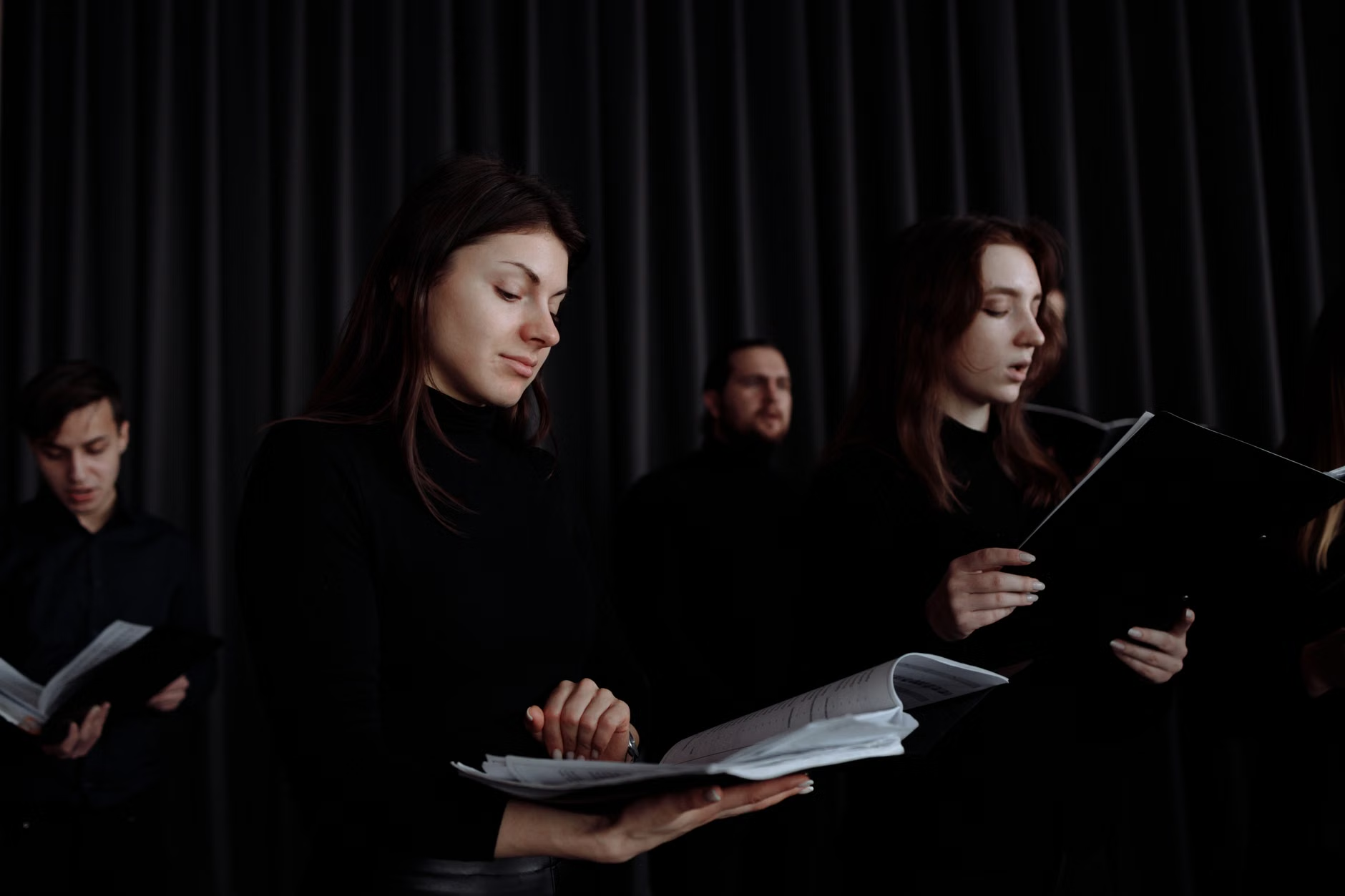
Understanding the Physiological Benefits of Choral Singing
When you participate in a choir, your body undergoes a series of physiological shifts that support long-term health. The primary mechanism at play is diaphragmatic breathing. Unlike shallow, resting breathing, singing requires the engagement of the diaphragm, the large muscle at the base of the lungs. This deeper breathing pattern increases oxygen saturation in the blood and forces the body to maintain an upright, open posture.
For individuals in the 60 to 80 age range, maintaining lung capacity is a critical component of preventive health. As we age, the chest wall may become stiffer and the muscles involved in breathing may weaken. Regular singing serves as a form of respiratory exercise, helping to maintain the elasticity of the lungs and the strength of the accessory breathing muscles.
Improving Posture and Core Stability
Choral directors emphasize “singing posture”—shoulders back, spine lengthened, and feet firmly planted. This is not just for aesthetic presentation. This posture forces the core muscles to engage to support the voice. Over time, this repetitive practice can lead to improved balance and core stability, which are essential for fall prevention and daily mobility. If you find yourself slouching while sitting, the act of singing in a choir provides a structured, guided environment to correct this habit without the monotony of traditional physical therapy exercises.
The Role of Vagal Tone
Research into the “vagus nerve”—a major component of the parasympathetic nervous system—suggests that humming and sustained vocalization can stimulate this nerve, which runs through the vocal cords. Stimulation of the vagus nerve is linked to reduced heart rate and a lower stress response. For older adults managing the stressors of life, such as health transitions or retirement, this physiological “reset” is a tangible benefit of choir participation.
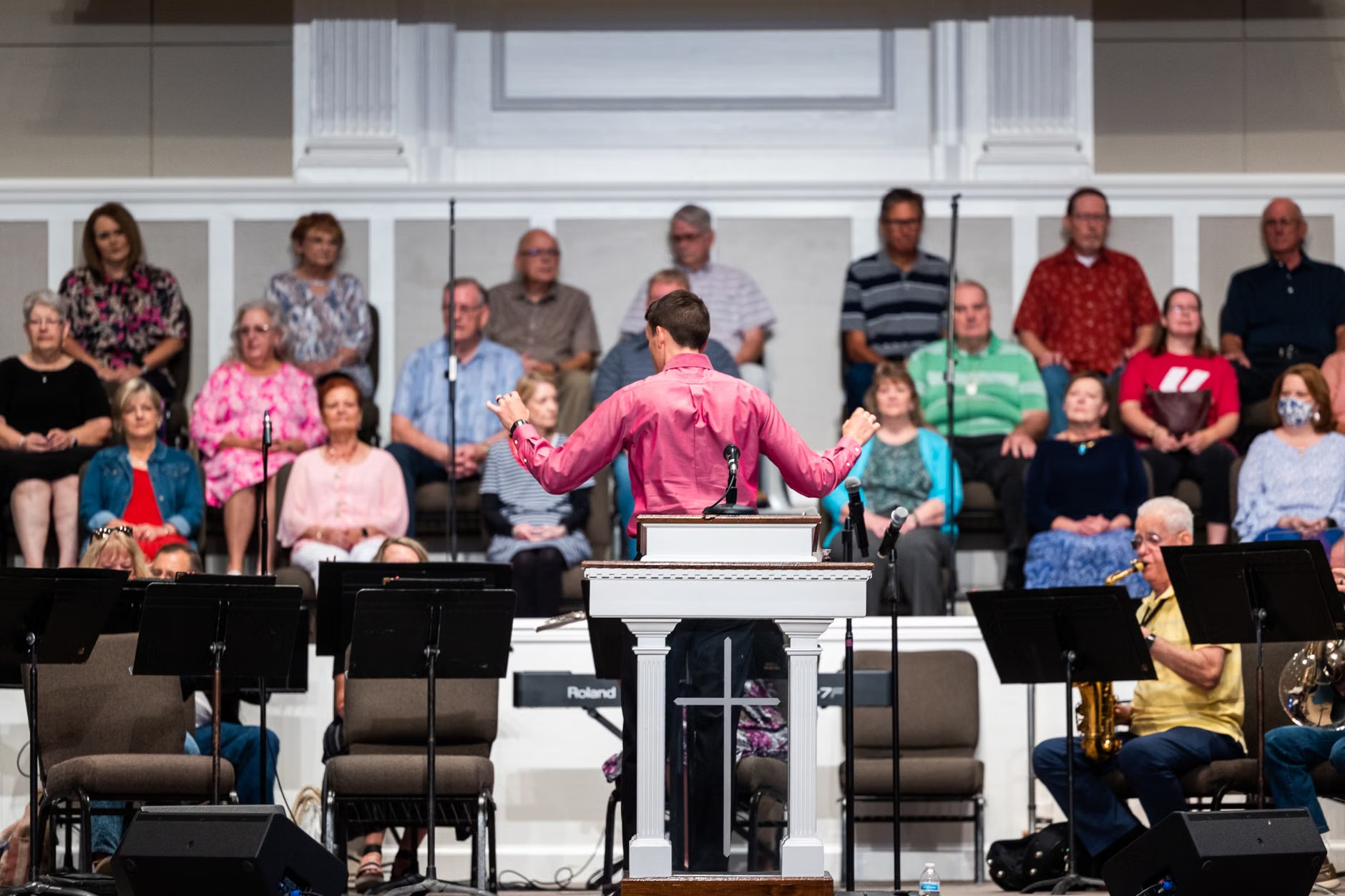
Cognitive Stimulation Through Musical Complexity
The cognitive load of singing in a choir is substantial, providing a robust workout for the brain. It is not merely about memory; it is about multi-tasking. When you sing a choral piece, you are simultaneously decoding musical notation (visual processing), tracking rhythm (temporal processing), articulating lyrics (linguistic processing), and listening to those around you to blend your voice (auditory and social processing).
Neuroplasticity and Learning
The brain’s ability to adapt, known as neuroplasticity, does not cease at age 60. By learning new pieces of music, you create new neural pathways. Even if you have sung your entire life, tackling a new genre—such as a piece in a different language or a complex polyphonic arrangement—challenges the brain to reorganize and adapt. Unlike passive activities like watching television, which require little cognitive energy, singing requires active participation and rapid decision-making.
Memory and Lyric Retention
Music is a powerful mnemonic device. The emotional association between melody and lyrics often allows the brain to store information more effectively than rote memorization of text. For those concerned about cognitive decline, the rhythmic and melodic structure of a song provides a scaffold that makes learning easier and more rewarding. This keeps the hippocampus—the brain’s memory center—active and engaged.
The Social Power of Synchronized Group Activity
Social isolation is a significant health risk for older adults, often leading to increased rates of depression and cardiovascular disease. Community choirs offer a solution by providing a “third space”—a location that is neither home nor work—where individuals gather for a common goal. This shared purpose is the secret ingredient that makes choirs more effective for social health than casual social clubs.
The “Synchrony” Effect
There is a unique biological phenomenon known as “social synchrony.” When a group of people breathes and sings together, their heart rates often begin to synchronize. This creates a powerful sense of community and belonging that is difficult to replicate in other settings. This shared experience reduces the feeling of “otherness” and fosters a deep sense of psychological safety within the group.

Practical Steps to Finding the Right Choir
Not all choirs are the same. When looking for a group to join, consider the following checklist to ensure the environment matches your physical and social needs:
| Factor | What to Look For | Why it Matters |
|---|---|---|
| Accessibility | Ground floor access, elevators, and wide aisles. | Ensures you can enter and exit without physical strain or risk of falling. |
| Stamina Requirements | Frequency of breaks and availability of seating. | Singing for 90 minutes straight can be fatiguing; look for groups that prioritize rest. |
| Musical Level | Non-auditioned vs. auditioned groups. | Non-auditioned groups focus on community and joy; auditioned groups focus on performance excellence. Choose based on your stress tolerance. |
| Social Culture | Scheduled social time (e.g., coffee breaks). | The social benefit is often found in the “after-rehearsal” chat, not just the singing. |
While the benefits are significant, it is important to approach choir participation with a realistic understanding of potential physical limitations. If you have specific health conditions, such as COPD (Chronic Obstructive Pulmonary Disease) or cardiovascular issues, consult your primary care physician before beginning a rigorous singing program.
Common Misconceptions
One common mistake is believing you must be a “talented” singer to join. Most community choirs are inclusive and prioritize the collective sound over individual perfection. If you are worried about your voice, inform the musical director. They can often provide tips on vocal health that prevent strain and ensure you are singing in a range that is comfortable for your vocal cords.
Managing Hydration and Vocal Strain
The vocal cords are muscles that require hydration to function properly. As we age, mucous membranes can become drier. Drinking room-temperature water throughout the rehearsal is a simple but critical habit. Avoid caffeine or alcohol immediately before singing, as these can dehydrate the vocal tissues and lead to premature fatigue or discomfort.
When to Seek Professional Advice
If you experience any of the following symptoms during or after practice, it is time to reassess your routine or speak with a professional:
- Persistent hoarseness that lasts more than two weeks.
- Shortness of breath that does not recover quickly after a rest period.
- Pain or sharp discomfort in the throat or chest while singing.
- Dizziness or lightheadedness when practicing sustained notes.
The Long-Term Impact on Daily Living
The transition from a passive lifestyle to a structured, active hobby like choir participation often yields ripple effects. When you commit to a weekly rehearsal, you are building a routine. This routine creates a “hook” for your week, helping you maintain a consistent sleep-wake cycle and providing a motivation to stay active and mobile. Many older adults find that the discipline required for choir spills over into other areas of life, leading to better attention to nutrition, hydration, and general physical maintenance.
Furthermore, the performance aspect—even if it is just a small concert for family or friends—provides a sense of achievement. In a world where society often underestimates the capabilities of older adults, mastering a complex piece of music and executing it in front of an audience provides a powerful boost to self-efficacy and confidence.
Financial and Practical Considerations
Community choirs are generally low-cost. Many are hosted by local councils, libraries, or religious organizations. When evaluating the cost, consider not only the membership fee but also the cost of transportation. If you do not drive, look for choirs that meet near public transport hubs. If you are a caregiver for an older adult, consider the “respite” value of the choir; while your loved one is in rehearsal, you have a window of time for your own errands or rest, making the choir a win-win for the entire family unit.
Conclusion: Taking the First Step
The power of a community choir lies in its ability to combine the biological necessity of breath, the cognitive challenge of music, and the fundamental human need for social connection. It is not a miracle cure for aging, but it is a highly effective, low-risk, and deeply rewarding tool for maintaining health and vitality well into your 80s and beyond.
If you are interested in joining, start by searching for local “choral societies” or “community choirs” in your area. Most offer a “first session free” policy. Attend one rehearsal, observe the energy, and assess whether the physical requirements align with your current mobility and stamina. Once you find the right fit, the challenge is simply showing up—the music and the community will do the rest.
Frequently Asked Questions
1. Do I need to be able to read sheet music to join a community choir?
No, most community-based choirs do not require the ability to read formal musical notation. Many directors use “call and response” techniques or provide audio recordings for members to practice with at home. The focus is on participation and enjoyment rather than professional-level sight-reading.
2. Can I participate if I have mobility issues or use a walker?
Absolutely. Most community halls and venues are required to have accessible entrances and facilities. When contacting a choir, simply ask about their venue’s accessibility, specifically regarding stairs and seating. Most directors are very accommodating and will ensure you have a comfortable seat that allows you to participate fully without physical strain.
3. How much does it cost to join a community choir?
Costs vary significantly depending on the region and the type of organization. Some community-run choirs are free or request a small, voluntary donation to cover the cost of sheet music and venue rental. Others may charge a modest monthly or term-based fee. Always check for “senior discounts” or financial assistance programs if you are on a fixed income, as many arts organizations have policies to ensure inclusivity.
Official resources for further exploration:
– World Health Organization: Can music improve health and wellbeing?
– National Institute on Aging: Participating in Activities You Enjoy