- Mechanical Efficiency: Seated toe-taps engage the calf muscles, which act as a “second heart” to pump blood back toward the torso, reducing fluid pooling.
- Consistency Over Intensity: For circulatory health, performing frequent, short sessions throughout the day is more effective than one long, strenuous workout.
- When to Seek Advice: Persistent swelling, skin discoloration, or localized pain requires a professional medical evaluation to rule out underlying vascular conditions like DVT or chronic venous insufficiency.
Understanding Lower-Leg Circulation in Later Life
As we navigate our 60s, 70s, and 80s, the efficiency of our circulatory system naturally changes. The veins in our lower legs work against gravity to return deoxygenated blood to the heart. This process relies heavily on the “calf muscle pump.” When we sit for extended periods—whether reading, watching television, or traveling—this pump remains inactive, often leading to fluid accumulation, feelings of heaviness, or stiffness in the ankles and feet.
The seated toe-tap is a low-impact, highly accessible movement designed to activate these muscles without placing undue stress on the joints. By focusing on the rhythmic contraction of the gastrocnemius and soleus muscles (the primary muscles of the calf), you can facilitate better blood flow in a controlled, safe environment.
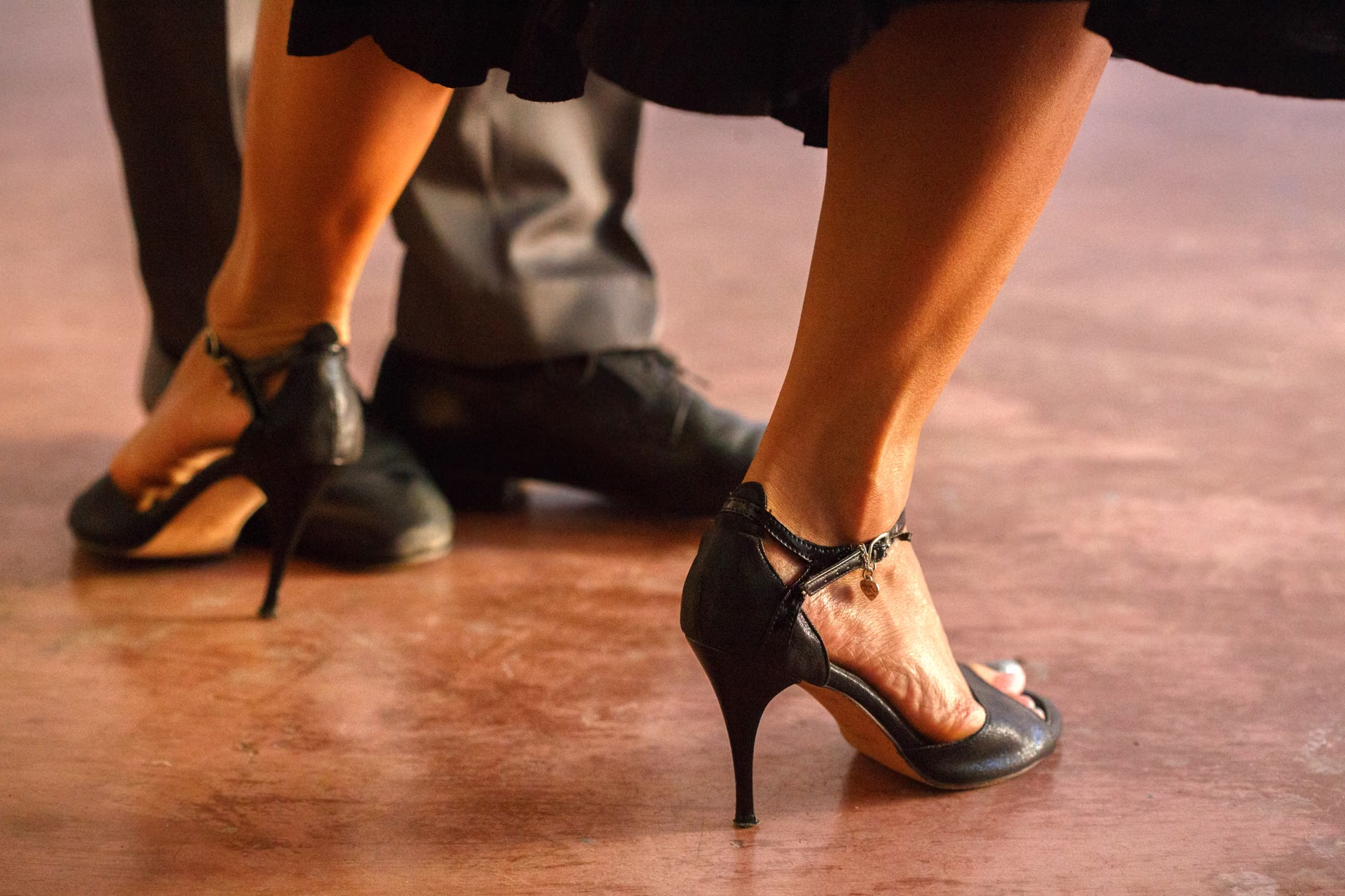
The Mechanics of the Seated Toe-Tap
To perform a seated toe-tap correctly, you must ensure your body is positioned to allow full range of motion at the ankle. Start by sitting in a chair that provides firm support for your back and allows your feet to rest flat on the floor with your knees at roughly a 90-degree angle.
Step-by-Step Execution
- Initial Position: Sit upright with your core engaged but relaxed. Ensure your feet are hip-width apart and flat on the floor.
- The Heel Lift: Keep your toes pressed firmly against the floor while lifting your heel as high as is comfortable. You will feel a slight stretch and engagement in the back of your lower leg.
- The Toe Tap: Lower your heel back to the floor and immediately lift the front of your foot (your toes and the ball of your foot) while keeping your heel planted.
- The Rhythm: Alternate between these two motions—heel up, then toes up—in a steady, rhythmic pattern.
Common Mistake: Many individuals attempt to move their entire leg rather than isolating the ankle. Keep your thigh stable and focus the movement entirely on the hinge of the ankle joint. If you find yourself shifting your weight or leaning forward, you are likely engaging your hip flexors rather than the target calf muscles.
Why Frequency Matters More Than Duration
Circulatory health is not improved by “saving up” exercise for a weekly session. The venous system benefits most from regular, intermittent activation. Think of it as a flushing mechanism; every time you tap your toes, you are assisting the valves in your veins to close properly and push blood upward.
| Frequency | Duration | Best Use Case |
|---|---|---|
| Every 30-45 minutes | 30-60 seconds | During long periods of desk work or reading. |
| Twice daily | 5-10 minutes | General maintenance and mobility routine. |
| Every hour | 1-2 minutes | During long-distance travel (flights/trains). |
The table above highlights that “micro-breaks” are often superior to a single, longer session. If you are traveling, the constraint of limited legroom makes the seated toe-tap one of the most effective ways to manage the risk of stasis. In such environments, aim for the “every hour” frequency to maintain steady flow.
Integrating Movement into Daily Life
The biggest hurdle to improving circulation is not the difficulty of the exercise, but the habit of forgetting to perform it. To make seated toe-taps a natural part of your day, anchor the activity to existing habits. For example, commit to performing one minute of toe-taps every time a commercial break starts on television, or every time you finish a chapter of a book.
Setting Up Your Environment
Your environment dictates your ability to move comfortably. An ergonomic setup is not just for comfort; it is a prerequisite for effective physical maintenance.
- Chair Selection: Avoid soft, deep sofas that cause your hips to sink lower than your knees. This position can compress the back of your thighs, hindering blood flow. Use a firm dining chair or a recliner with a firm seat cushion.
- Footwear: While barefoot movement is excellent for strengthening the arches, if you have specific foot conditions, wearing supportive indoor footwear can prevent strain during repetitive tapping motions.
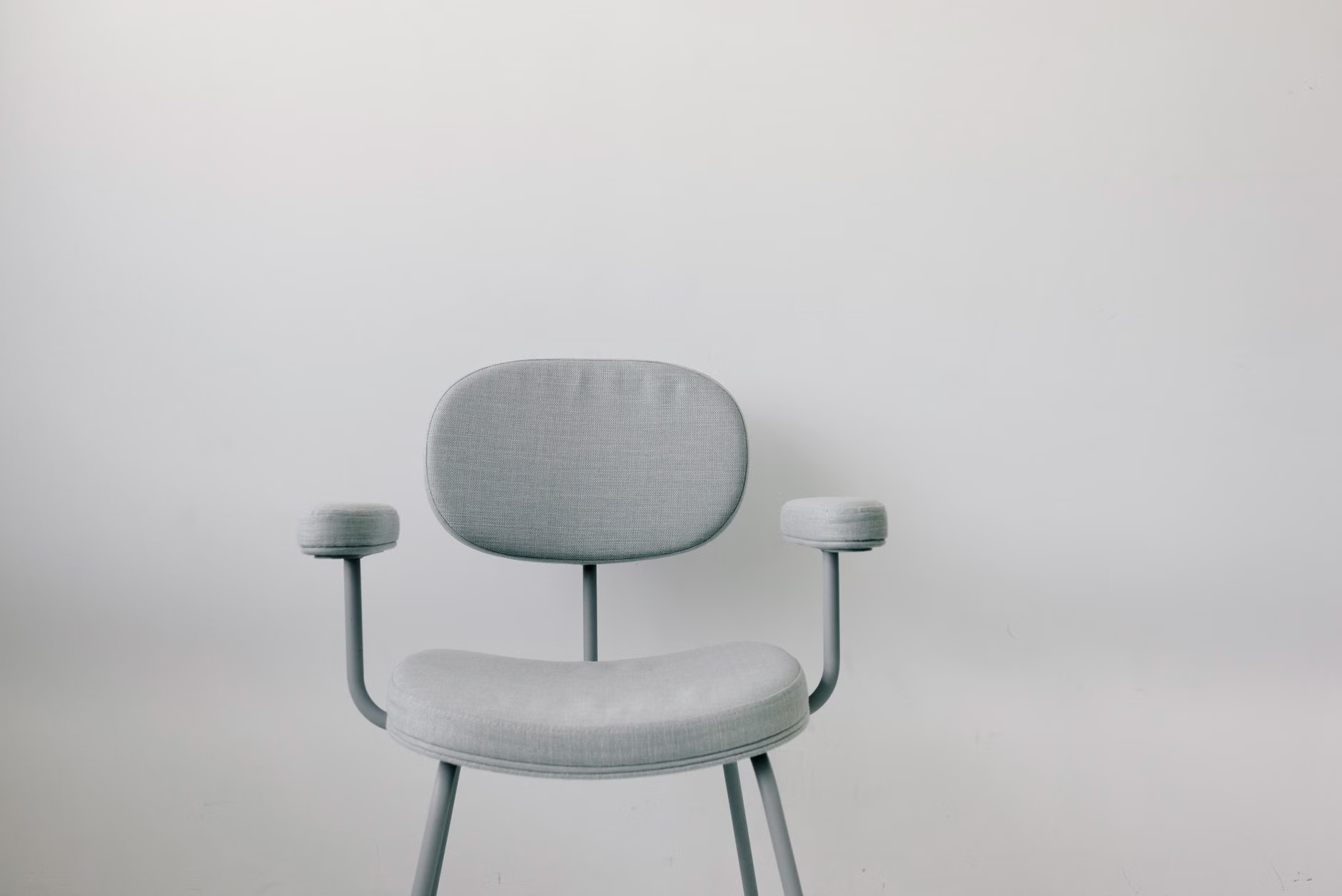
- Support: If you struggle with balance, ensure your chair has armrests. You can gently hold these to stabilize your torso while your feet do the work.
Recognizing When to Consult a Professional
While seated toe-taps are a safe, low-impact habit, they are not a substitute for medical intervention if you are experiencing symptoms of vascular distress. It is critical to distinguish between normal age-related stiffness and signs of an underlying condition.
Warning Signs:
- Asymmetric Swelling: If one leg is significantly more swollen than the other, this is a red flag that requires immediate medical attention.
- Skin Color Changes: Redness, darkening, or a persistent pale appearance in the lower legs can indicate poor arterial or venous health.
- Localized Pain: Sharp, stabbing, or persistent aching pain, especially if it occurs during movement, should be evaluated by a physician.
- Temperature Differences: If one foot or leg feels noticeably colder or warmer than the other, seek professional advice.
When you visit a healthcare provider, come prepared. Maintain a simple log of when you notice symptoms (e.g., “swelling occurs after 2 hours of sitting”) and list any medications you currently take. This information helps your doctor determine whether your circulation issues are related to lifestyle, medication side effects, or vascular conditions like Chronic Venous Insufficiency (CVI).
The Role of Hydration and Nutrition
Physical movement works in tandem with systemic health. Dehydration increases blood viscosity (thickness), making it harder for the heart to pump and for the veins to return blood to the heart. Ensure you are maintaining adequate fluid intake throughout the day. Furthermore, diets high in sodium can lead to fluid retention, which exacerbates the feeling of “heavy legs.” Reducing processed food intake is a practical, effective way to support your circulatory efforts.
Advanced Variations for Increased Efficiency
Once you are comfortable with the basic seated toe-tap, you can introduce variations to further challenge your lower-leg muscles:
- The Ankle Circle: Instead of just tapping, trace a circle with your toes. This engages the muscles on the sides of your lower leg, providing a more comprehensive range of motion.
- The Resistance Band: For those who have cleared this with a physical therapist, placing a light resistance band over the ball of your foot while performing the toe-tap adds a strengthening component to the movement.
- The Heel Slide: While seated, slide your foot forward and backward along the floor. This combines ankle movement with gentle knee flexion, further encouraging blood flow through the entire lower limb.
Addressing Common Misconceptions
One common myth is that “more is better.” Some believe that if a little tapping is good, doing it for hours will be better. In reality, overuse of any muscle group can lead to fatigue. Your goal is to keep the blood moving, not to build bodybuilder-level calf muscles. Listen to your body; if your calves feel “tight” or “tired,” rest for a few minutes. The goal is consistent, gentle activation, not exhaustion.
Another misconception is that circulation exercises are only for those with existing health issues. In truth, these movements are preventative. By maintaining the health of your calf pump now, you are reducing the likelihood of developing venous issues in the future. It is a proactive investment in your mobility.
Developing a Long-Term Maintenance Plan
To ensure this habit sticks, treat it as a scheduled appointment. Use a simple wall calendar or a digital reminder on your phone. If you are traveling, prioritize leg movement as part of your “travel hygiene.” When flying, for example, the cabin air is dry and movement is restricted; treat your hourly toe-taps as a mandatory part of your flight safety routine, just like wearing your seatbelt.
Remember that your legs are the foundation of your independence. By keeping the blood flowing, you are supporting not just your vascular health, but your ability to walk, travel, and remain active in your daily life. Start small, stay consistent, and monitor how your legs feel over the coming weeks. The cumulative effect of these small, deliberate movements can be profound.
Official Guidance and Further Reading
For those interested in the clinical aspects of venous health, the Society for Vascular Surgery provides comprehensive resources on managing venous disease and maintaining lower-limb health. You can find more information on their patient-focused portal at https://vascular.org/patients.
Frequently Asked Questions
- Can I do these exercises if I have varicose veins?
Yes, generally speaking, gentle movement is encouraged for those with varicose veins as it helps blood flow. However, if you experience pain or if your veins are particularly sensitive, consult your doctor before starting any new exercise routine. - Should I wear compression stockings while doing these exercises?
Compression stockings are often recommended for people with circulation issues. They can be worn while performing these exercises, as they help support the veins. If you have been prescribed stockings, follow your doctor’s instructions regarding when and how to wear them. - How long will it take to see results?
Circulatory health is an ongoing process. While you may notice an immediate reduction in the feeling of “heaviness” after a session, the long-term benefits of improved venous return will become more apparent over several weeks of consistent daily practice.