- Standardized Accessibility: By 2026, major international museum networks are adopting the “Universal Access Protocol,” prioritizing step-free entry, high-contrast signage, and mandatory rest zones every 50 meters.
- Digital Integration: Pre-visit digital registration will become the primary method for securing priority access, significantly reducing physical wait times for seniors.
- Strategic Planning: Travelers should verify local implementation of these standards, as compliance varies between state-funded institutions and private galleries.
Introduction: The Shift Toward Inclusive Museum Experiences in 2026
The landscape of international cultural tourism is undergoing a significant transformation. As we move into 2026, major cultural institutions worldwide are implementing new age-inclusive entry protocols. These changes are not merely cosmetic; they represent a fundamental shift in how museums accommodate the physical, sensory, and cognitive needs of visitors aged 60 to 80.
For the active senior traveler, this means that the traditional hurdles of museum visits—long queues, lack of seating, and complex digital ticketing—are being systematically addressed. This article explores these new global standards, providing you with the practical knowledge needed to navigate the 2026 museum landscape with confidence and ease.
Understanding the 2026 Universal Access Protocol (UAP)
The “Universal Access Protocol” (UAP) is a set of guidelines adopted by the International Council of Museums (ICOM) and various regional tourism boards to ensure that cultural heritage remains accessible to all, regardless of age or mobility status. Unlike previous “best effort” approaches, the 2026 standards mandate specific infrastructure and service modifications.
What the UAP Means for Your Daily Visit
The UAP focuses on four pillars: Physical Navigation, Sensory Clarity, Digital Equity, and Fatigue Management. For the visitor, this translates into a predictable experience. When you visit a participating institution, you can now expect:
- Step-Free Access: Mandatory ramp or elevator access for all primary routes.
- High-Contrast Signage: Standardized font sizes and color-coded pathways to reduce eye strain.
- Mandatory Seating: Galleries must now provide seating at regular intervals, ensuring that visitors do not have to walk more than 50 meters without a resting point.

Digital Entry and Priority Queuing: A New Era
One of the most significant changes in 2026 is the universal adoption of “Priority Digital Ticketing.” Many museums now offer specific time-slots for seniors that bypass traditional entrance queues. This is designed to conserve your stamina and ensure that your visit begins in a calm, controlled environment.
How to Utilize Digital Priority Access
To benefit from these systems, it is essential to understand the workflow. Most major museums now require a “Pre-Visit Digital Check-in.”
| Action | Why it Matters | Practical Step |
|---|---|---|
| Digital Booking | Guarantees entry during off-peak hours. | Use the official museum app or website at least 48 hours prior. |
| Senior Verification | Activates priority queue status. | Select the “Accessibility/Senior” ticket category during checkout. |
| QR Code Preparation | Eliminates physical ticket handling. | Save the ticket to your phone’s digital wallet before arriving. |
Common Mistake: Many travelers assume that arriving at the museum earlier is always better. However, with the 2026 priority system, arriving during your assigned 30-minute window is actually more effective. It prevents the frustration of waiting in general admission lines and allows staff to direct you immediately to the priority lane.
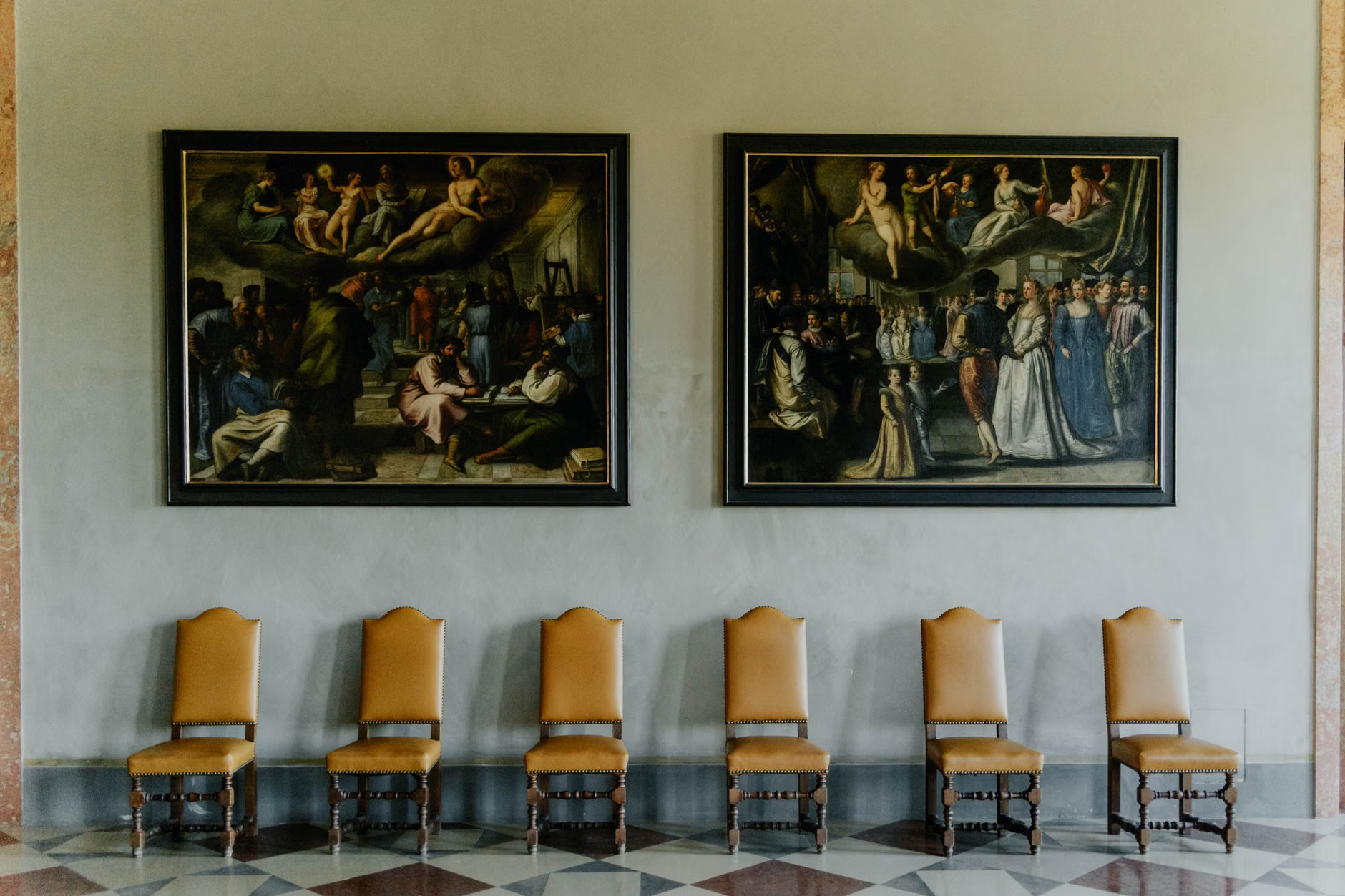
Museums are often vast, sprawling complexes that can be physically demanding. The 2026 protocols place a heavy emphasis on “Pacing Architecture.” This involves a redesigned flow of exhibits that encourages visitors to move through smaller, themed clusters rather than one massive, continuous hall.
The 50-Meter Rule
Under the new standards, institutions are encouraged to maintain a seating density that allows for rest every 50 meters. If you find yourself in a museum that has not fully updated its infrastructure, consider the following strategies:
- The “Loop” Strategy: Instead of trying to see the entire museum in one visit, choose two main galleries. Spend 45 minutes in each, with a 15-minute rest period in between.
- Equipment Rental: Most major museums now provide lightweight, portable folding stools. Do not hesitate to ask for one at the information desk. They are specifically designed for visitors who need a quick seat during a tour.
- Visual Exhaustion: Be aware that high-contrast lighting, while helpful for vision, can sometimes lead to eye fatigue. If you feel tired, seek out a “Low-Stimulation Zone,” a new feature in many 2026-compliant museums specifically designed for quiet reflection.
Technological Aids and Audio Guides
In 2026, technology is shifting from a barrier to a bridge. Many museums have retired handheld audio devices in favor of “Bring Your Own Device” (BYOD) systems. This allows you to use your own smartphone or tablet, which you are already familiar with, to access high-quality audio tours.
Why BYOD is Beneficial
The primary advantage here is comfort. By using your own device, you can adjust the volume and speed of the audio to suit your hearing preferences. You can also connect your own Bluetooth hearing aids directly to the museum app, providing a personalized listening experience that is far superior to communal headsets.

Global Variations: What to Expect by Region
It is important to note that while the UAP is an international guideline, the speed and rigor of implementation vary significantly by country.
European Union Standards
The EU has been the most aggressive in adopting these protocols. In countries like France, Italy, and Germany, state-funded museums are legally required to meet these accessibility standards by the end of 2026. You can expect high levels of compliance and standardized services throughout the region.
North American Developments
In the United States and Canada, implementation is largely driven by private foundations and local municipal mandates. Larger, flagship museums are leading the way, while smaller, regional museums may be slower to adapt. Always check the “Accessibility” page of a museum’s website before your visit to confirm which services are available.
Asia-Pacific Trends
In countries like Japan, South Korea, and Australia, the focus has been on “Smart Accessibility.” This includes the widespread use of robotics for guidance and AI-driven navigation apps that help visitors find the shortest route to the most relevant exhibits based on their physical preferences.
Strategic Planning: A Checklist for Your Next Museum Visit
Before you depart, use this checklist to ensure your visit is as smooth as possible:
- Check the Accessibility Portal: Visit the museum’s website and look specifically for the “Accessibility” or “Visitor Services” section. If it is not clearly marked, call the general inquiry line.
- Confirm Transport Links: Ensure that the museum is accessible via public transport with elevator/lift access. Some older subway stations in major cities still lack this.
- Medication and Hydration: Carry your essential medications and a small bottle of water. While museums are becoming more accessible, they are often climate-controlled and dry.
- The “Off-Peak” Advantage: Whenever possible, schedule your visit for Tuesday or Wednesday mornings. These times are generally less crowded, ensuring a more relaxed environment.
Conclusion: Embracing a More Accessible Future
The 2026 updates to museum entry protocols represent a welcome recognition that cultural participation should not be limited by age or physical ability. By leveraging digital priority access, understanding the new infrastructure standards, and planning your visit with a focus on pacing, you can continue to enjoy the world’s greatest cultural treasures with confidence.
Remember, these protocols are meant to serve you. If you encounter an institution that is not meeting these standards, providing feedback to the museum’s management is a powerful way to ensure that accessibility remains a global priority. Your experience is valuable, and your ability to engage with art and history is a vital part of active, lifelong learning.
Frequently Asked Questions
1. Are these new protocols mandatory for all museums worldwide?
No. These are international guidelines adopted by major networks and national tourism bodies. While many museums are adopting them to improve the visitor experience, compliance is not yet universal. Always check the specific museum’s website before your trip.
2. Do I need to prove my age to use the priority senior lane?
In most cases, yes. Digital booking systems will often ask for date-of-birth verification during the account setup phase. At the physical entrance, staff may occasionally ask for a standard form of identification to confirm your eligibility for senior-specific services.
3. What if I have a mobility aid like a cane or walker?
The 2026 protocols explicitly support the use of all standard mobility aids. You are entitled to use your own equipment, and museums are now required to provide clear, wide pathways that accommodate walkers and canes. If you are concerned about a specific exhibit, the museum’s accessibility coordinator can provide a map of the most accessible route.
Official guidance and further reading can be found on the International Council of Museums (ICOM) official website.