Stamp collecting, often known as philately, is far more than a simple pastime of accumulating paper squares; it is a sophisticated, cognitively demanding pursuit that offers a gateway to history, geography, and art, providing significant mental engagement for adults aged 60 to 80.
- Cognitive Engagement: Philately requires attention to detail, pattern recognition, and historical research, which helps maintain mental sharpness and neuroplasticity.
- Low-Impact Accessibility: It is a hobby that can be practiced entirely from home, requiring minimal physical exertion while offering high intellectual rewards.
- Community and Legacy: Whether through local clubs or international forums, the hobby fosters social connection and allows for the curation of a collection that can be passed down as a tangible historical record.
The Cognitive Benefits of Philatelic Study
For individuals in the 60 to 80 age bracket, maintaining cognitive health is a priority. Research into neuroplasticity—the brain’s ability to reorganize itself by forming new neural connections—suggests that engaging in complex, structured hobbies can be a protective factor. Stamp collecting is uniquely suited for this purpose.
Unlike passive entertainment, philately is an active process. When you examine a stamp, you are not merely looking at an image. You are analyzing paper quality, identifying perforations, assessing watermarks, and researching the historical context of the printing. This multi-layered approach engages several regions of the brain simultaneously: the visual cortex for pattern recognition, the hippocampus for memory retention regarding dates and figures, and the prefrontal cortex for executive function and categorization.
Consider the process of identifying a specific issue from the mid-20th century. You must compare the stamp against a catalog, verify the watermark—which often requires a specific light source and chemical fluid—and cross-reference the printing plate. This is essentially a puzzle-solving task that rewards patience and precision. By creating a structured environment for this activity, you provide your brain with the “mental exercise” it requires to stay agile.
Getting Started: Essential Tools for the Amateur Philatelist
One of the primary advantages of this hobby is the relatively low cost of entry. Unlike other collections that require significant storage space or climate-controlled environments, a stamp collection can grow at your own pace and within your own budget. However, to preserve the value and condition of your stamps, certain tools are non-negotiable.
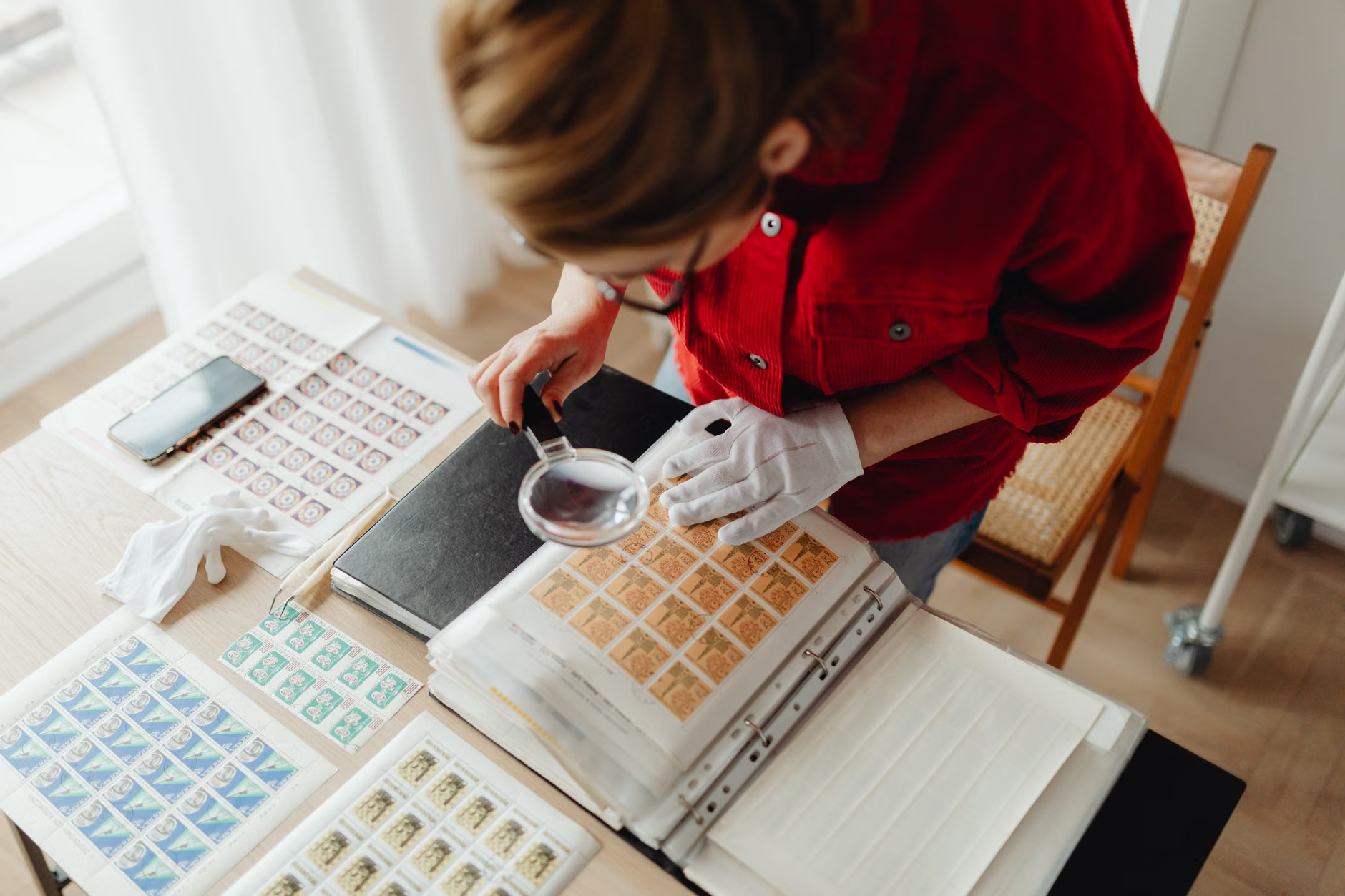
If you treat your stamps with care, they will last for generations. The most common mistake beginners make is handling stamps with their bare fingers. The natural oils and moisture on human skin can permanently damage the paper and the gum on the back of the stamp. Always use stamp tongs, which are specialized tweezers with smooth, rounded tips designed specifically for this purpose.
| Tool | Purpose | Importance |
|---|---|---|
| Stamp Tongs | Handling stamps | Critical: Prevents oils/moisture damage |
| Magnifying Glass | Detail inspection | Essential: For identifying printing errors/details |
| Stock Book/Album | Storage | Critical: Protects against dust and light |
| Philatelic Catalog | Identification | Recommended: Provides historical/market data |
When selecting a magnifying glass, look for one with a 5x to 10x magnification power. Anything higher often results in a narrow field of view, which can be frustrating. For lighting, natural daylight is best, but if you work in the evening, invest in a high-quality LED desk lamp with a “daylight” color temperature (around 5000K) to ensure accurate color perception.
Structuring Your Collection: Beyond Simple Accumulation
The joy of philately lies in the narrative you build. Many collectors find that a thematic approach—collecting stamps based on a specific subject—is more rewarding than attempting to collect every stamp ever issued. This thematic approach provides a clear organizational framework.
Choosing a Theme
Themes can be as broad or as specific as you desire. Popular themes for seniors often include:
- Botanical and Wildlife: A beautiful way to document the natural world.
- Historical Figures: A deep dive into the lives of scientists, artists, or political leaders.
- Transportation: The evolution of steamships, trains, or aviation.
- Geography: Collecting stamps from countries that no longer exist, a fascinating historical exercise.
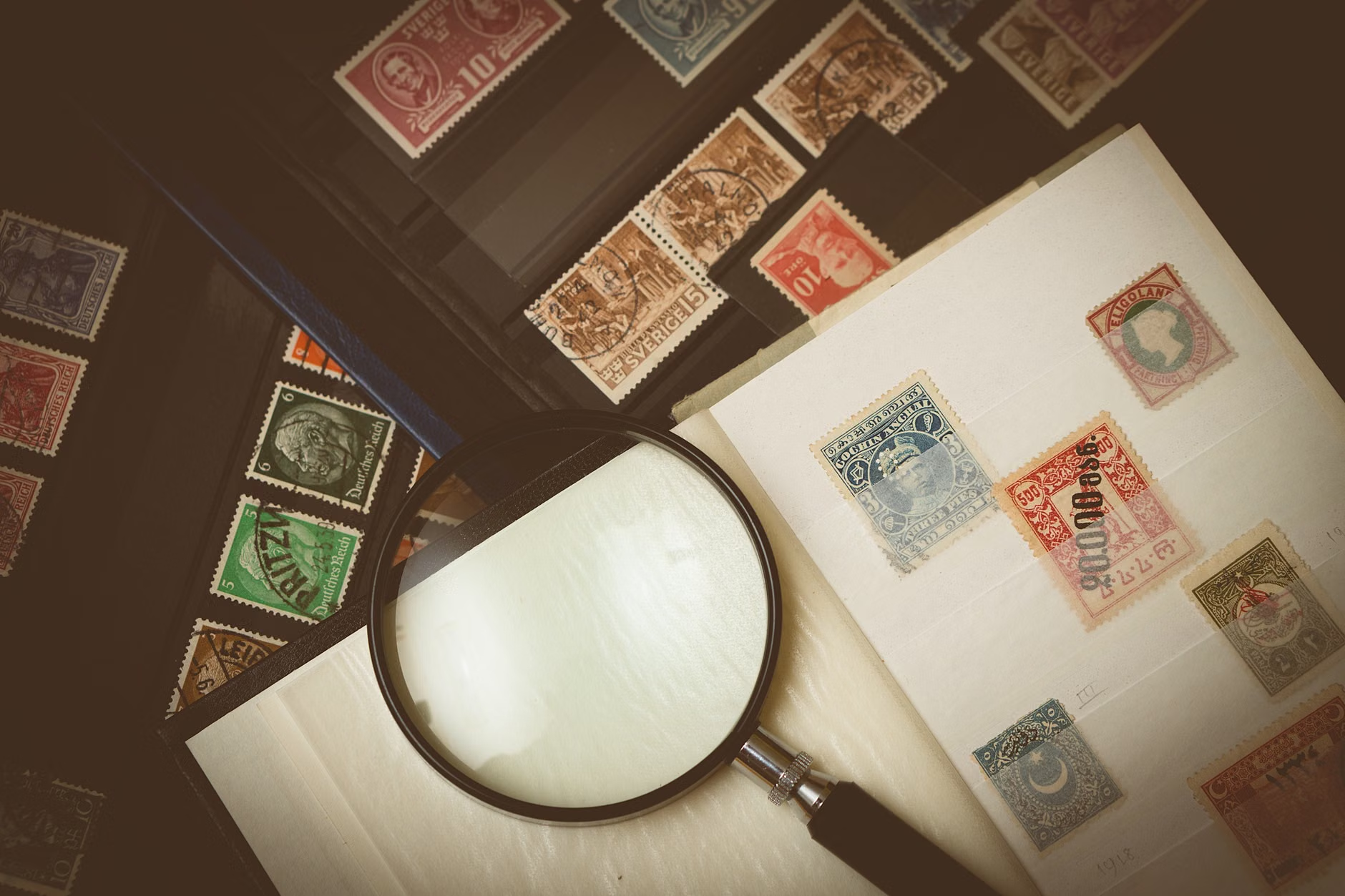
By focusing on a theme, you turn a collection into a research project. For example, if you choose the theme of “Early Aviation,” you are not just buying stamps; you are learning about the Wright brothers, the development of the jet engine, and the changing borders of the nations that pioneered these technologies. This contextual learning is what keeps the hobby intellectually vibrant.
As you become more involved in the hobby, you may wish to purchase specific stamps to fill gaps in your collection. The market for stamps is global, and while this provides immense variety, it also requires a degree of caution. Whether you are buying from an online auction site or a local stamp dealer, there are standard practices to follow.
First, always prioritize condition over rarity. A common stamp in “mint” condition (perfectly preserved with original gum) is often more desirable for an amateur collection than a rare stamp that is torn, heavily cancelled, or discolored. Condition is usually graded on a scale ranging from “Poor” to “Superb.” For your personal collection, aim for “Fine” or “Very Fine” grades.
Second, be aware of the difference between “used” and “unused” stamps. A “used” stamp has been through the postal system and bears a cancellation mark. This is not a defect; for many collectors, the cancellation mark is part of the story, as it shows where and when the stamp was used. Never attempt to “clean” a used stamp to remove the postmark, as this will destroy its historical integrity and value.
Social and Community Aspects
While stamp collecting is an introspective activity, it is also highly social. Most countries have national philatelic societies, such as the American Philatelic Society or the Royal Philatelic Society London. These organizations provide resources, mentorship, and local chapter meetings.
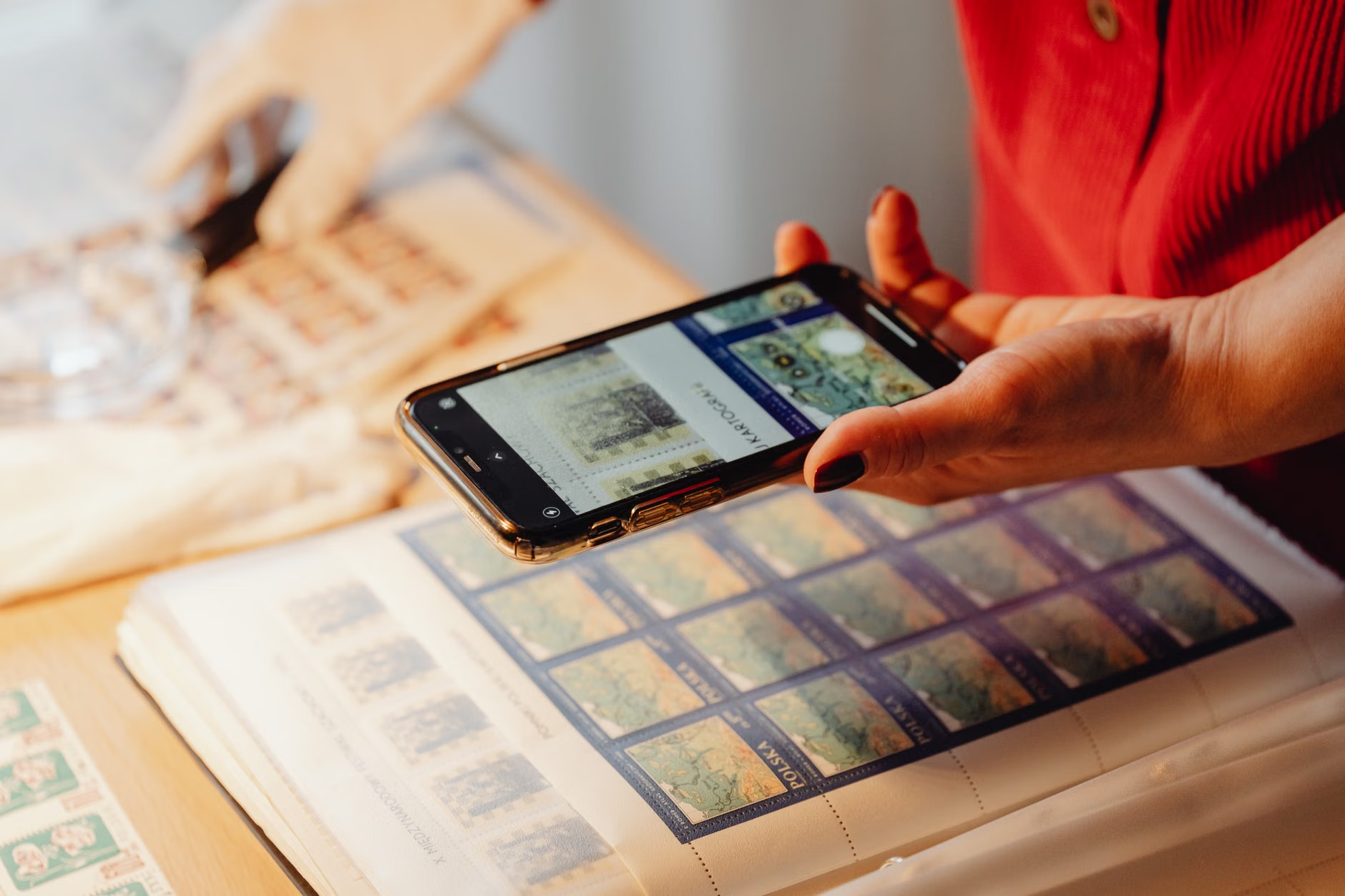
For those who find physical travel to meetings difficult, the internet has revolutionized the hobby. There are numerous forums where collectors discuss findings, share high-resolution images of their collections, and help one another identify mysterious items. Engaging with these communities can provide a sense of belonging and purpose. It is a space where your expertise is valued, regardless of how long you have been collecting.
Practical Steps to Begin Your Journey Today
If you are ready to start, follow this simple, low-pressure plan to establish your collection:
- Inventory: Check if you have any old letters or postcards at home. Many collections begin with family heirlooms.
- Select a Theme: Choose a subject that genuinely interests you. Do not worry about “value” in monetary terms; prioritize your own curiosity.
- Set Up a Workspace: Clear a desk or table where you have adequate lighting and space to spread out your album and reference materials.
- Join a Community: Visit a website of a national philatelic society to see if there are local clubs in your area or digital newsletters you can subscribe to.
- Cataloging: Use a notebook or a digital spreadsheet to record what you have. This process of documentation is where the “cognitive” work truly happens.
Addressing Common Challenges and Misconceptions
A common misconception is that stamp collecting is an expensive hobby reserved for the wealthy. While rare stamps can sell for thousands, the vast majority of stamps are quite affordable. You can start a meaningful collection for the cost of a few cups of coffee. The value in this hobby is not in the resale price, but in the knowledge you acquire and the satisfaction of building a beautiful, organized record of history.
Another concern is the “digital age” argument: that physical stamps are becoming obsolete. While it is true that digital communication is replacing traditional mail, this actually makes physical stamps more significant. They are artifacts of a pre-digital era. By collecting them, you are participating in the preservation of human communication history.
Conclusion: A Hobby for a Lifetime
Stamp collecting is a pursuit that respects the pace and wisdom of the older adult. It does not demand physical stamina or high-speed reflexes; instead, it demands the very qualities that often sharpen with age: patience, an eye for detail, and a deep appreciation for context. It provides a structured, rewarding way to spend your leisure time, ensuring that your mind remains engaged and your curiosity remains satisfied. Whether you are organizing a small collection of bird stamps or researching the printing history of 19th-century colonial issues, you are engaging in a timeless activity that links you to a global community of thinkers and historians.
Frequently Asked Questions
1. Is it necessary to spend a lot of money to have a good collection?
Absolutely not. Philately is one of the few hobbies where you can find genuine historical items for very little cost. Most amateur collectors focus on aesthetic beauty and historical interest rather than market value. You can find “packet” collections of stamps from various countries at very low prices, which are perfect for beginners to start sorting and identifying.
2. How do I know if my stamps are valuable?
Valuation is a complex process that relies on rarity, condition, and demand. Most common stamps have little market value. If you suspect you have a rare item, the best approach is to consult a reputable, professional philatelic appraiser or use a recognized stamp catalog (like Scott or Stanley Gibbons) to perform a self-assessment. Avoid “guaranteed” online appraisal services that promise high returns; stick to established, non-profit philatelic societies for guidance.
3. How should I store my collection to ensure it stays in good condition?
The most important factors are avoiding humidity, direct sunlight, and heat. Use acid-free, archival-quality stock books or albums. Never use tape, glue, or self-adhesive mounts that are not specifically designed for philately, as these will ruin the stamps. Keep your collection in a cool, dry place in your home, and always ensure your hands are clean and dry before handling the pages.