- Focus on Oral History: The true value of a culinary history group lies in the stories behind the food, not just the measurements in a recipe.
- Sustainable Growth: Start small with a core group of three to five people to maintain consistent engagement and manageable logistics.
- Practical Documentation: Use simple, accessible technology like digital voice recorders or shared cloud folders to archive your findings for future generations.
The Intersection of Memory and Taste
Culinary history is more than just a collection of ingredients; it is a roadmap of our shared past. Every regional dish, family secret, and holiday tradition carries the weight of cultural shifts, migration patterns, and agricultural evolution. For adults aged 60 to 80, starting a local culinary history group is an intellectually stimulating hobby that transforms personal memories into a lasting community resource.
When we share a recipe, we are often sharing a snapshot of a specific time in history. Perhaps it is the way an immigrant community adapted traditional flavors to local ingredients in the 1950s, or how rationing during wartime changed the way families approached baking. By forming a group dedicated to documenting these narratives, you preserve the intangible heritage of your region while fostering deep, meaningful connections with your neighbors.
This article provides a framework for organizing, documenting, and sustaining a culinary history group. We will explore how to manage the logistics of meetings, the ethics of interviewing, and the best ways to archive your findings, ensuring your work remains accessible and useful for the long term.
Establishing Your Group’s Mission and Scope
Before inviting others to join, define exactly what your group intends to achieve. A clear mission prevents the project from becoming overwhelming. Common goals include documenting “lost” recipes from your specific town, tracing the history of local food producers, or creating a digital archive of family traditions.
Defining the Parameters
Consider the scope of your research. Do you want to focus on the last 50 years? Or are you interested in the century-long evolution of a specific local ingredient, such as a regional fruit or grain? Defining this scope early helps attract members who share your specific level of interest and commitment.
The “Small Group” Strategy
A common mistake is trying to recruit a large organization immediately. Large groups can become bogged down in administrative tasks, which detracts from the actual research. Start with a core team of three to five people. A small, dedicated group is easier to manage, allows for more intimate discussions, and makes it easier to coordinate meeting times and locations.
| Group Type | Primary Focus | Ideal Size |
|---|---|---|
| The Archivists | Digitizing old cookbooks and handwritten cards. | 3-4 people |
| The Storytellers | Conducting oral history interviews with elders. | 4-6 people |
| The Researchers | Investigating the history of local restaurants/shops. | 5-8 people |
Conducting Ethical and Engaging Oral History Interviews
The heart of your culinary history project will likely be the people who lived it. Interviewing others about their food memories requires sensitivity and preparation. Many people may feel their cooking is “nothing special,” so your job is to help them realize how their daily habits reflect the broader history of the community.
Preparing for the Interview
Never walk into an interview without a list of open-ended questions. Avoid questions that result in a simple “yes” or “no.” Instead, use prompts that encourage storytelling:
- “Can you describe the kitchen where you learned to cook?”
- “What were the most common ingredients available in the local market during your childhood?”
- “How did the preparation of this dish change during holidays or special celebrations?”
Technical Considerations for Seniors
Do not be intimidated by technology. A smartphone is often all you need. Most modern devices have high-quality voice memo applications. Ensure the device is placed on a stable surface close to the subject. If you or the interviewee have hearing challenges, consider using a lapel microphone that plugs directly into the phone, which significantly improves audio clarity by reducing background noise.
Documenting and Archiving Your Findings
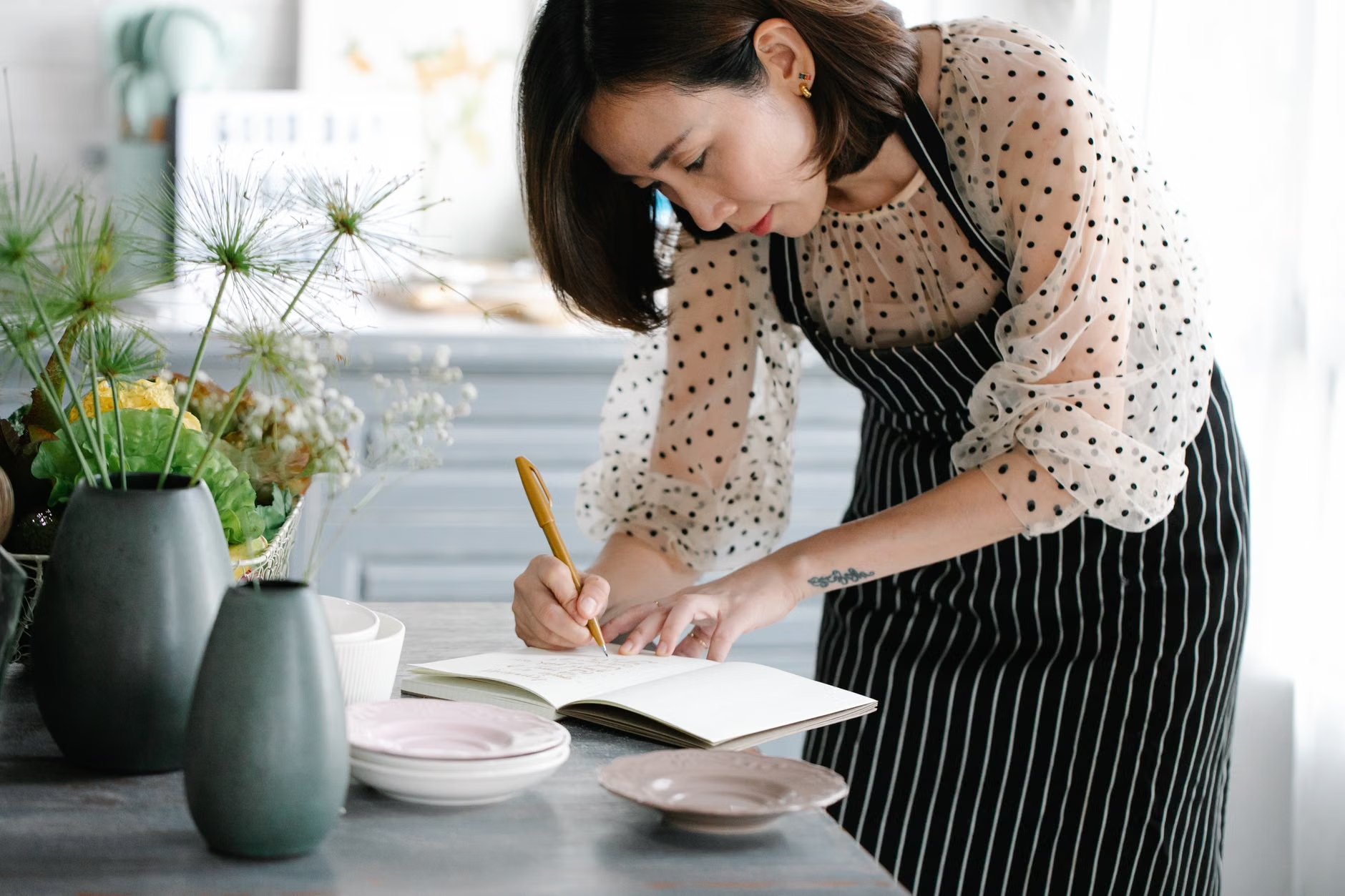
Collecting stories and recipes is only half the battle. If your findings are not organized, they may eventually be lost. Develop a standardized system for recording your data so that future generations or local museums can make sense of your work.
The Standardized Record
Every entry should include more than just the recipe. Create a “Metadata Sheet” for each document:
- Date and Location: Where and when was this recipe gathered?
- Source: Who provided the recipe or the story?
- Context: Why was this dish significant? Was it a survival food, a celebration dish, or a staple?
- Variations: Did the recipe change based on the season or the availability of ingredients?
Digitizing for Longevity
While physical archives are beautiful, they are vulnerable to fire, water damage, and loss. Consider using a cloud-based storage service, such as Google Drive or Dropbox, to store scans of your documents and audio recordings. If you are not comfortable with cloud services, ask a family member to help you set up a simple folder system on your computer and perform regular backups onto a portable USB drive.

Managing Logistics: Accessibility and Safety
As you plan meetings, prioritize the physical comfort of your members. Culinary history often involves food, which is wonderful, but it brings specific accessibility requirements.
Selecting a Meeting Space
If you are meeting in person, ensure the location is accessible. Look for these features:
- Level Entry: Avoid venues with steep stairs or narrow, inaccessible doorways.
- Seating: Ensure there are chairs with back support. Avoid bar stools or benches that may be difficult for some members to get in and out of.
- Lighting: Good lighting is essential, especially if you are reviewing handwritten notes or old photographs.
- Restrooms: Proximity to a clean, accessible restroom is a non-negotiable requirement for many older adults.
Managing Food Safety
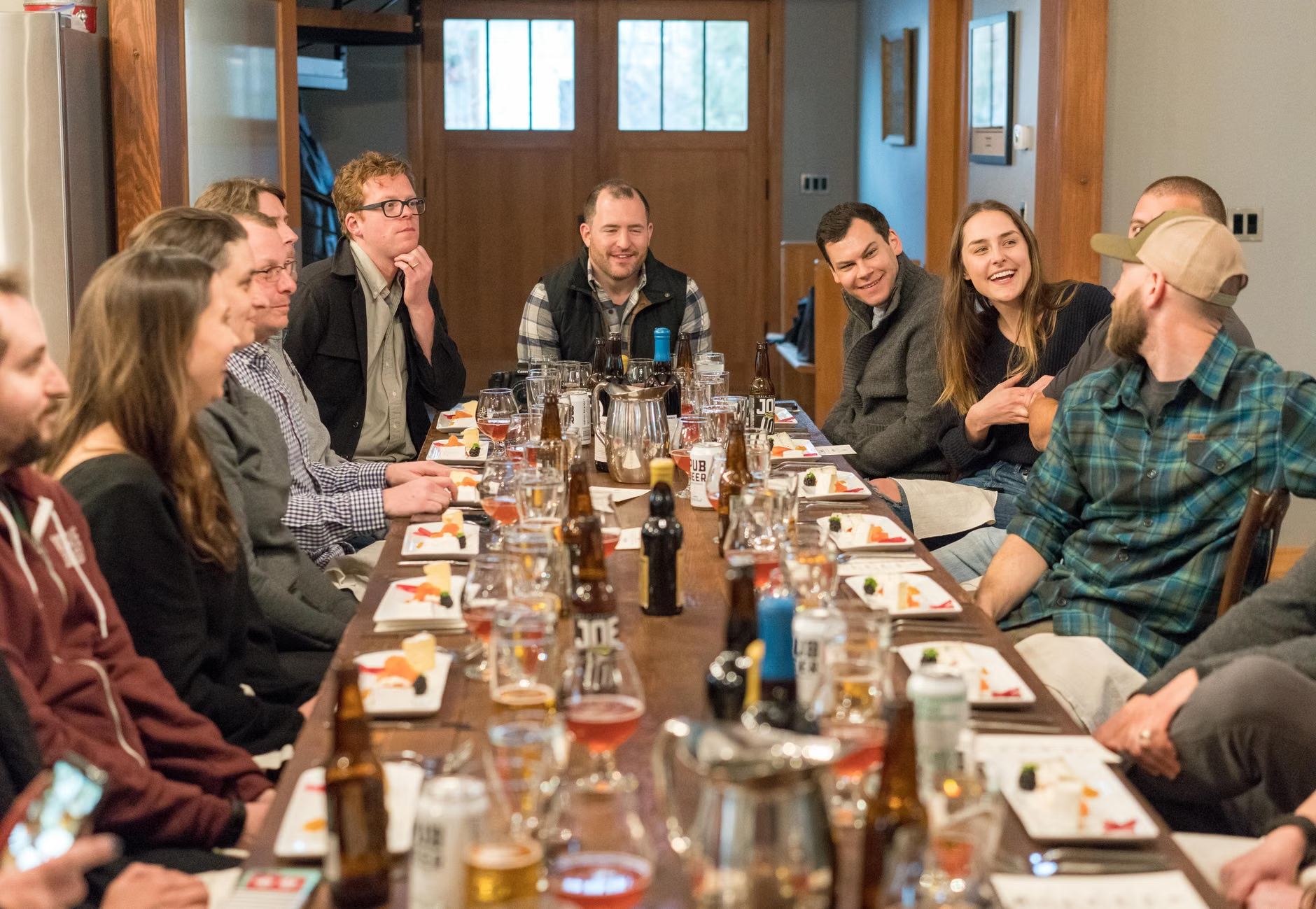
If your group intends to share food, be mindful of food safety. Many older adults have different dietary needs or sensitivities. Always label dishes clearly with ingredients, especially common allergens like nuts, dairy, or gluten. Keep hot food hot and cold food cold. If you are preparing food for a group, keep a list of ingredients handy for anyone with specific health conditions.
Overcoming Common Challenges
Even the most well-intentioned groups encounter obstacles. Recognizing these early can help you navigate them without losing momentum.
The “Data Overload” Problem
You may find that you have collected hundreds of recipes and stories, but you don’t know what to do with them. Do not feel pressured to publish a book. Often, the act of collecting is the primary success. You can donate your collection to a local historical society or library, where it will be kept safely for researchers to use in the future.
Maintaining Consistent Engagement
If attendance at meetings begins to drop, don’t feel discouraged. Life happens. Keep your group focused on the quality of the interactions rather than the quantity of the participants. A meeting once a month is often more sustainable than a meeting every week, especially for busy retirees with travel or family commitments.
Refining Your Focus
If you find that the group’s interests are drifting, hold a “visioning meeting.” Revisit your original goals and discuss whether they need to be updated. It is entirely acceptable to change the focus of your group as your members’ interests evolve.
Connecting with Official Resources
You do not have to work in a vacuum. Many local libraries, museums, and historical societies are actively looking for community-led projects to support their collections. Reach out to your local librarian or historical society curator. They can often provide you with archival-quality paper, scanning services, or even space to store your collection.
For those interested in the academic side of culinary history, organizations such as the Culinary Historians of New York or similar regional bodies provide newsletters and networking opportunities. While these organizations are often localized, their websites offer excellent templates for how to document food history effectively.
Conclusion: The Lasting Impact of Your Work
Starting a local culinary history group is a profound way to contribute to your community. By documenting the recipes and stories that define your region, you are building a bridge between the past and the future. You are not just preserving food; you are preserving the memories of families, the struggles of the past, and the joys of the dinner table.
Remember that this project belongs to you and your community. There is no “right” way to do it, provided you are respectful of the people you interview and diligent in how you store your findings. Start small, stay focused on the stories, and enjoy the process of uncovering the rich, flavorful history that exists right in your own neighborhood.
Frequently Asked Questions
- How do I handle sensitive or proprietary family recipes?
- Always ask for permission before documenting a recipe. Some people may prefer that their “secret” recipe remains private, and that should be respected. You can document the story of the dish without revealing the specific measurements if the contributor requests it.
- What if I don’t have a background in history or research?
- You do not need formal training. Culinary history is a grassroots hobby. Your primary tools are curiosity, empathy, and a willingness to listen. The most important skill is the ability to ask good questions and record the answers accurately.
- Should we create a website for our group?
- A website can be a great way to share your findings, but it requires technical maintenance. If you are not tech-savvy, a simple social media group or a physical binder kept at a local library is often a much more sustainable and lower-stress option.