- Mindful Engagement: Pressed-flower art serves as a low-impact, meditative hobby that improves fine motor skills and cognitive focus without requiring high physical stamina.
- Accessible Equipment: You can begin with a professional wooden press or simple household items like heavy books and parchment paper, making this a highly adaptable and low-cost pursuit.
- Preservation Strategy: Success depends on moisture control and patience; choosing flowers with low water content significantly increases the longevity and vibrancy of your final pieces.
Pressed-flower art is more than just a decorative craft; it is a bridge between the natural world and the meditative practice of patience. For adults navigating the later chapters of life, this hobby offers a unique combination of sensory engagement, gentle physical exercise for the hands, and a profound sense of accomplishment. Unlike high-intensity sports or complex digital hobbies, flower pressing allows you to work at your own pace, turning fleeting blossoms into enduring art pieces that capture the essence of a season.
The Therapeutic Value of Botanical Crafting
At its core, the appeal of pressing flowers lies in its slow, deliberate nature. In a world that often demands immediate results, the process of selecting, preparing, and pressing a bloom requires you to pause and observe. This intentionality is a form of mindfulness. When you focus on the delicate structure of a petal or the vibrant hue of a leaf, you engage in a “flow state”—a psychological state where you are fully immersed in an activity, which has been shown to reduce cortisol levels and improve mood regulation.
Furthermore, the physical act of handling delicate materials is an excellent exercise for maintaining dexterity. As we age, keeping the small muscles in our hands and fingers active is vital. Using tweezers, arranging petals, and smoothing down paper requires steady control and refined motor coordination. This hobby provides these benefits in a low-risk, comfortable environment that can be enjoyed at a dining table or a dedicated craft corner.
Choosing Your Materials: From Beginner to Advanced
You do not need an expensive studio to begin. The barrier to entry is remarkably low, and you can scale your equipment as your interest grows. The fundamental requirement is to remove moisture from the plant material while preserving its color and structure.
Essential Tools for Success
| Tool | Purpose | Best For |
|---|---|---|
| Wooden Flower Press | Provides even, heavy pressure using wing nuts. | Frequent hobbyists wanting consistent results. |
| Heavy Books | Uses weight to flatten flowers. | Beginners testing the hobby with minimal cost. |
| Blotting Paper | Absorbs moisture from the plant. | Essential for preventing mold and browning. |
| Precision Tweezers | Allows for delicate placement of petals. | Fine detail work and complex compositions. |
For those just starting, the “Book Method” is the most accessible. However, if you find that your hands tire easily or you struggle with the weight of heavy books, a store-bought wooden press is a superior choice. These presses use screw-down mechanisms that require less physical strength to tighten than manually stacking heavy volumes, providing a more uniform pressure that yields higher-quality results.
Step-by-Step: The Process of Preservation
The secret to beautiful pressed flowers is not just the equipment, but the preparation. Many beginners make the common mistake of using flowers that are too thick or too wet. Flowers with high water content, such as orchids or thick lilies, are notoriously difficult to press and often turn brown before they dry. Instead, start with “flat” flowers.
Recommended Flowers for Beginners
- Pansies and Violas: Naturally flat and hold their color exceptionally well.
- Ferns and Foliage: Very resilient and provide excellent structure for arrangements.
- Daisy-family flowers: Their simple, flat profiles press easily without losing shape.
The Pressing Sequence
- Preparation: Pick flowers in the late morning after the dew has evaporated. This ensures the plant is not overly saturated with water.
- Layering: Place a piece of plain, acid-free paper on your bottom board. Add a layer of blotting paper, then your flowers face down.
- Spacing: Ensure no petals overlap, as this creates uneven pressure and potential moisture traps.
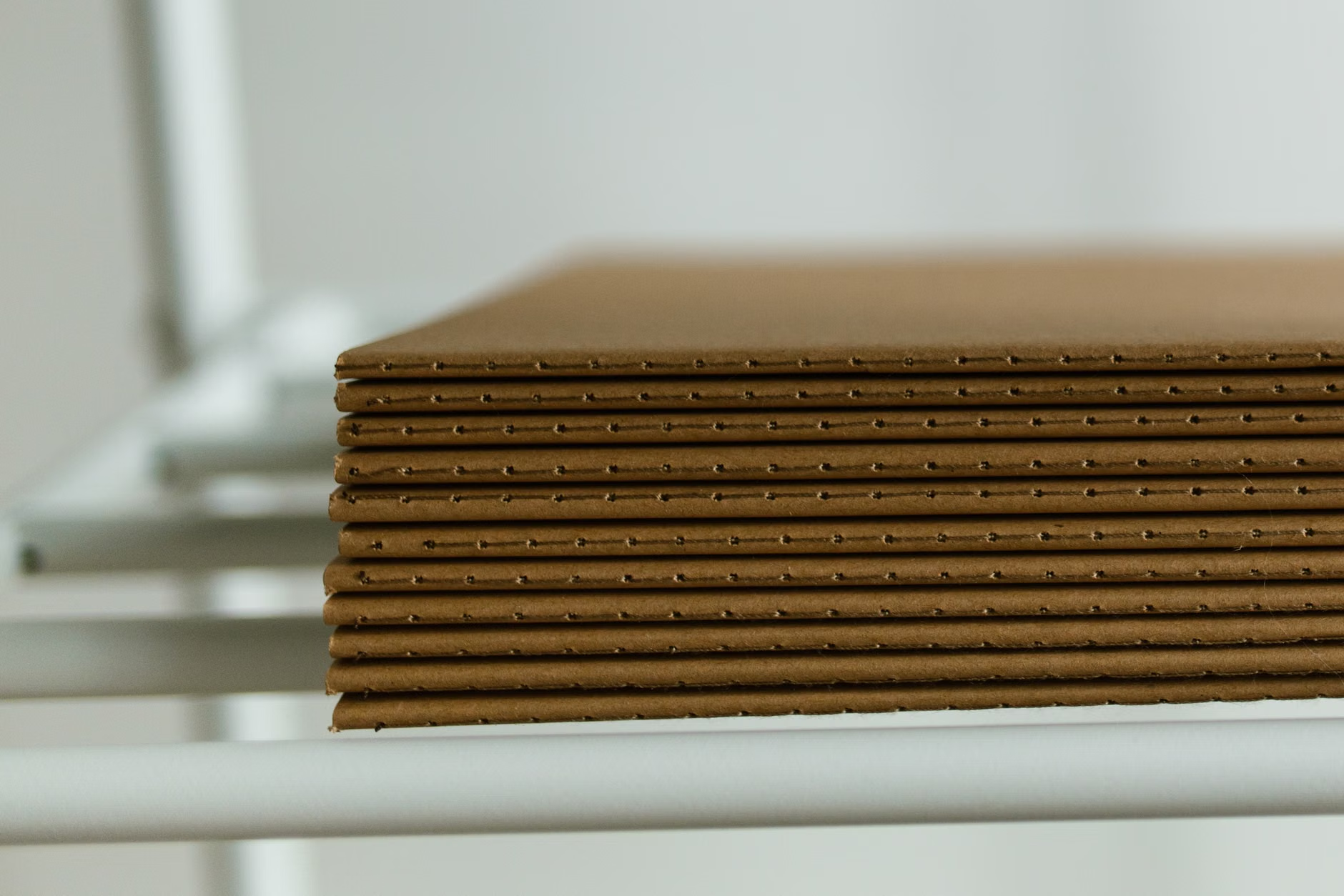
- Sealing: Place another layer of blotting paper and a cardboard spacer on top. Repeat the process.
- Waiting: Tighten the press and store it in a cool, dry place. Do not be tempted to check on them too early. Most flowers require 2 to 4 weeks to dry completely.
Warning: Never use a microwave or an iron to “speed up” the process unless you are using specialized equipment designed for it. High heat can destroy the delicate cellular structure of the petals, causing them to become brittle and lose their natural vibrancy.
Integrating Pressed Flowers into Daily Life
Once you have a collection of dried botanicals, the question becomes: what do you do with them? The transition from hobbyist to artist happens when you begin to design. This is a wonderful way to create personalized gifts or to decorate your own living space with items that hold sentimental value.
Creative Applications
- Stationery: Adorn handmade greeting cards. Using a simple glue stick or a tiny drop of PVA (polyvinyl acetate) glue, you can create intricate designs on cardstock.
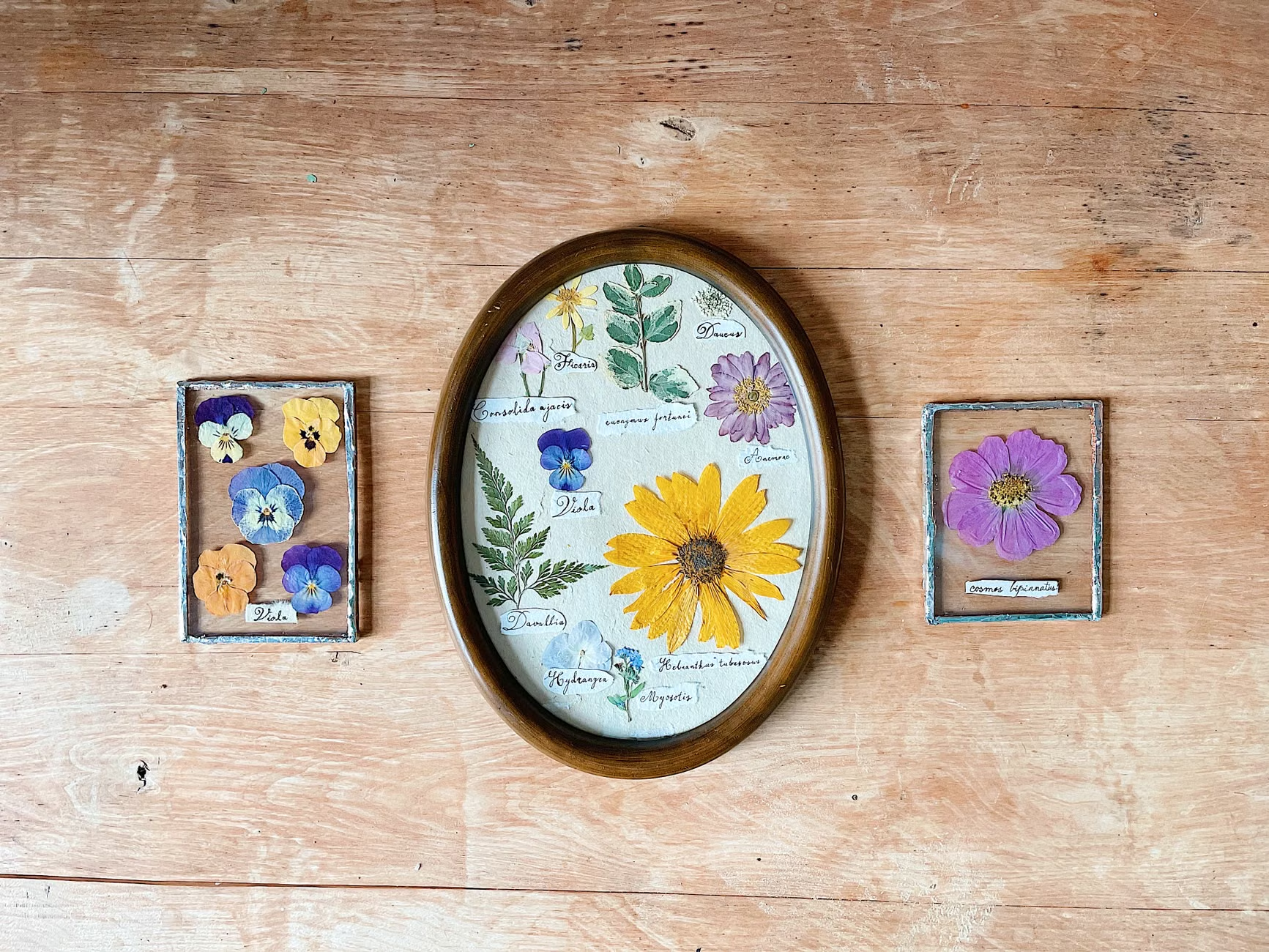
- Framed Art: Use floating frames to display your work. This creates a minimalist look that fits well in modern homes.
- Botanical Bookmarks: Laminate your pressed flowers for a durable and thoughtful gift for friends or grandchildren.
When choosing a location for your finished art, avoid direct, harsh sunlight. Even the best-pressed flowers will fade if exposed to intense UV rays for extended periods. A wall that receives indirect, ambient light is the ideal location to preserve the colors of your work for years to come.
Overcoming Common Challenges
It is normal for some flowers to lose their color or develop spots. This is often an issue of humidity. If you live in a region with high ambient humidity, you may find that your flowers remain supple or even mold before they dry. In such cases, replace the blotting paper every few days during the first week of the drying process. This ensures that the moisture removed from the flower is carried away from the press rather than being reabsorbed.
Another overlooked variable is the type of paper used. Always use acid-free paper. Standard printer paper or newspaper often contains acids that will cause your flowers to yellow and degrade much faster than they would naturally. Investing in a small pack of archival-quality paper is a low-cost step that significantly improves the longevity of your craft.
A Note on Safety and Comfort
While this hobby is gentle, remember to maintain good posture while working. If you are working at a dining table, ensure your chair provides adequate lumbar support. If you find your neck straining after 20 minutes of fine-detail work, consider using a magnifying lamp. These are not just for vision correction; they provide excellent illumination, which reduces the need to lean close to your work, thereby protecting your posture.
If you have any respiratory sensitivities, be aware that some dried plants can release fine dust or pollen particles. Working in a well-ventilated room is always recommended. If you are sensitive to allergens, wear a simple cotton mask while handling the dried flowers to prevent irritation.
Conclusion
Pressed-flower art is a rewarding, slow-paced hobby that encourages us to look closer at the beauty in our gardens and parks. It requires minimal investment but rewards the practitioner with a lifetime of beautiful, personalized art. By focusing on the fundamentals—choosing the right flowers, using the correct moisture-wicking materials, and maintaining patience—you can master this craft and enjoy the meditative benefits it brings to your daily routine.
Whether you are creating a single bookmark or a complex framed arrangement, the value lies in the process of creation itself. Take your time, enjoy the quiet, and let the flowers tell their story.
Frequently Asked Questions
1. How do I know if the flowers are completely dry?
After at least two weeks, carefully open your press. The flowers should feel like crisp, thin paper. If they feel cool to the touch or appear slightly flexible, they still contain moisture and need more time in the press. Closing them back up for another week will prevent mold from forming later.
2. Can I press flowers that I buy from a florist?
Yes, but be aware that florist flowers are often treated with chemicals to keep them fresh, which may affect how they press. Also, many store-bought flowers are quite thick. You may need to carefully dismantle the flower, pressing individual petals or leaves rather than the whole bloom, to get a successful, flat result.
3. What should I do if my pressed flowers start to fade after a few months?
Fading is a natural part of the aging process for organic material. However, if they fade very quickly, it is usually due to light exposure. Ensure your finished pieces are kept away from windows that receive direct sunlight. If you want to protect them further, you can use UV-protective glass in your frames, which filters out the damaging rays that cause pigments to break down.
For more information on botanical preservation, you may consult the resources provided by the Royal Botanic Gardens for general guidance on plant care and identification.