- Absorption decline: As we age, stomach acid levels often decrease, making it harder to absorb B12 from food; this is why adults over 60 should prioritize bioavailable sources or discuss supplementation with a physician.
- Nerve signal integrity: Vitamin B12 is essential for maintaining the myelin sheath—the protective coating of your nerves—which ensures your brain and body communicate effectively.
- Recognize the signs: Persistent tingling in the hands or feet, unexplained fatigue, or balance issues are not just “signs of aging” and warrant a blood test to check B12 levels.
For adults between the ages of 60 and 80, maintaining the integrity of the nervous system is a cornerstone of daily independence and quality of life. Vitamin B12, also known as cobalamin, plays a non-negotiable role in this process. It is the primary nutrient responsible for synthesizing myelin, the fatty white substance that insulates your nerve fibers. When myelin is healthy, your nerve signals travel at optimal speeds, allowing for steady movement, sharp reflexes, and clear cognitive processing. When B12 levels fall, the insulation on these “wires” can degrade, leading to a variety of neurological and physical symptoms that are often misattributed to natural aging.

The Mechanics of Vitamin B12: Why Your Body Needs It
To understand why B12 is so critical, it helps to view the nervous system as a complex telecommunications network. Your brain is the central server, and your nerves are the cables that carry signals to every muscle and organ. Vitamin B12 acts as a specialized technician that keeps these cables insulated. Without sufficient B12, the signals “leak” or slow down, which can manifest as numbness, clumsiness, or difficulty concentrating.
Beyond nerve health, B12 is vital for DNA synthesis and the formation of red blood cells. In older adults, a deficiency often presents as megaloblastic anemia—a condition where red blood cells are abnormally large and ineffective. However, the neurological damage caused by B12 deficiency can occur even without the presence of anemia, which is a common clinical nuance that many overlook.
The Challenge of Absorption After Age 60
The most significant hurdle for those over 60 is not necessarily a lack of B12 in the diet, but a decline in the body’s ability to extract it. Under normal circumstances, B12 is bound to protein in food. To absorb it, your stomach must produce adequate hydrochloric acid and a specific protein called “intrinsic factor.”
Many older adults experience atrophic gastritis—a thinning of the stomach lining—or simply produce less stomach acid as a result of the aging process. Furthermore, the long-term use of common medications, such as proton pump inhibitors (PPIs) for acid reflux or metformin for blood sugar management, can further inhibit the absorption of B12. This creates a “hidden” deficiency where you may be eating a balanced diet but receiving very little of the nutrient.
Identifying Dietary Sources and Bioavailability
Vitamin B12 is found exclusively in animal products. If you follow a plant-based diet, you must be particularly vigilant about supplementation or fortified foods. For those who do consume animal products, the source matters significantly regarding how easily your body can process the vitamin.
| Food Source | B12 Content (Approx) | Absorption Note |
|---|---|---|
| Clams (3 oz) | 84.1 mcg | Excellent source; very high bioavailability. |
| Beef Liver (3 oz) | 70.7 mcg | Nutrient-dense but high in cholesterol. |
| Salmon (3 oz) | 4.8 mcg | Good balance of B12 and Omega-3 fatty acids. |
| Greek Yogurt (1 cup) | 1.3 mcg | Fermented dairy is often easier to digest. |
| Eggs (1 large) | 0.6 mcg | Easily accessible but lower in total content. |
Practical Decision Rule: If you are concerned about your B12 levels, do not rely on eggs alone. While they are healthy, you would need to eat a large quantity to meet the daily requirements compared to a small serving of shellfish or lean meat. For those with digestive sensitivity, low-fat dairy or fortified plant milks are often more palatable and easier on the stomach than dense cuts of red meat.

Recognizing the Warning Signs of Deficiency
Because B12 deficiency develops slowly, symptoms can be subtle and are frequently dismissed as “just getting older.” It is essential to distinguish between typical aging and signs that require medical intervention. If you notice any of the following, it is time to request a blood test from your primary care provider:
- Peripheral Neuropathy: A persistent “pins and needles” sensation, burning, or numbness in the hands, feet, or legs.
- Balance and Gait Issues: A feeling of unsteadiness or “walking on cotton” that increases your risk of falls.
- Cognitive Fog: Difficulty with memory, executive function, or processing information that feels different from your usual baseline.
- Unexplained Fatigue: A sense of exhaustion that does not improve with adequate sleep.
- Glossitis: A swollen, inflamed, or smooth tongue that may be sensitive to hot or spicy foods.
Clinical Note: When you visit your doctor, specifically ask for a Serum B12 test. In some cases, your doctor may also order a Methylmalonic Acid (MMA) test. This is a more sensitive marker; if your MMA levels are elevated, it indicates that your body is struggling with B12 at a cellular level, even if your serum B12 levels appear to be in the “low-normal” range.
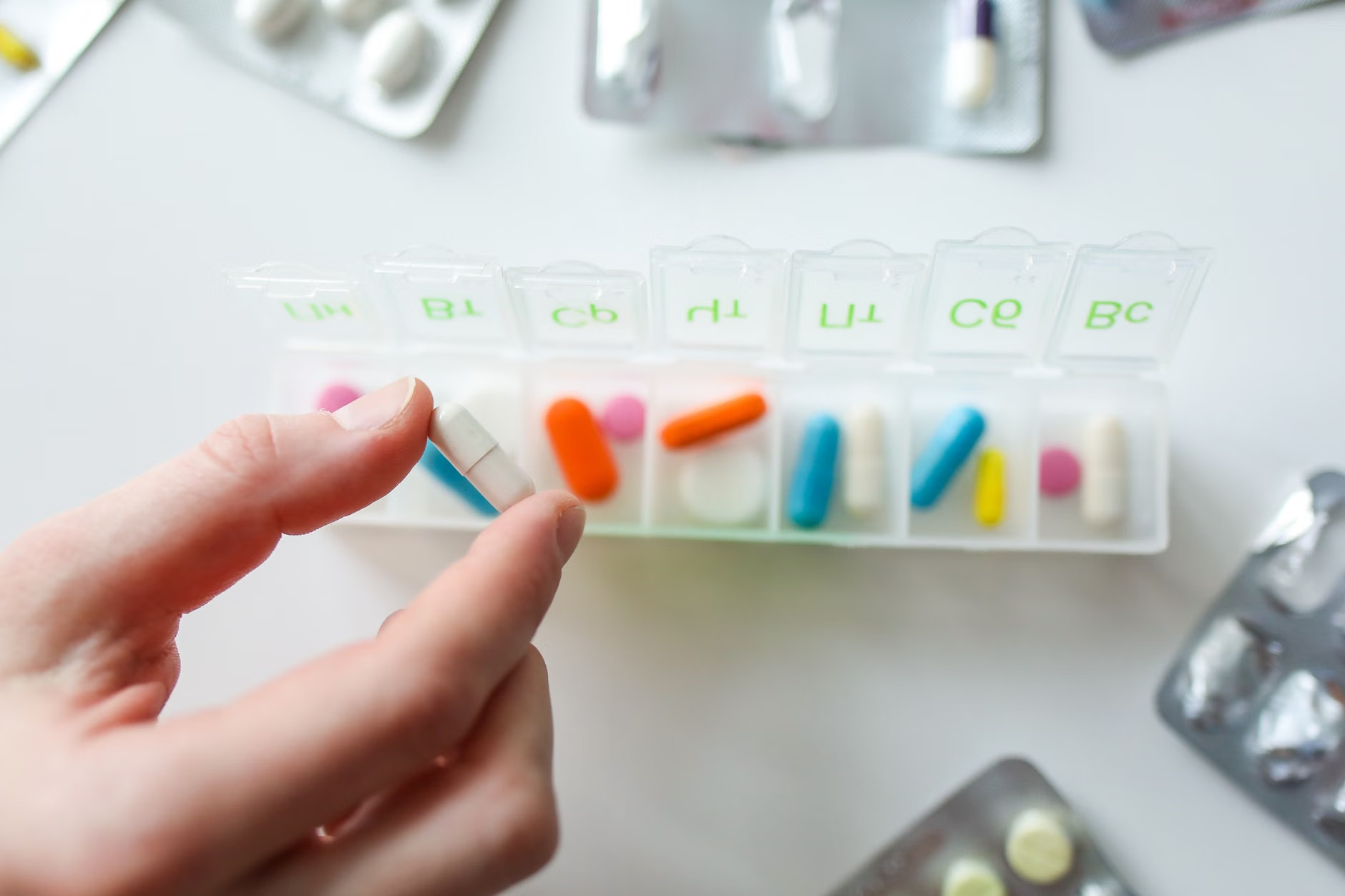
If your blood tests confirm a deficiency, or if your physician determines that your absorption is compromised, you may be prescribed B12 supplements or injections. Do not attempt to “self-prescribe” high-dose supplements without professional guidance, as excessive levels can sometimes mask other issues or interfere with existing medications.
Types of B12 Supplements
If you and your doctor decide on supplementation, you will likely encounter different forms:
- Cyanocobalamin: The most common, stable, and inexpensive form. It is effective for most people.
- Methylcobalamin: A naturally occurring form that some believe is better absorbed, though scientific consensus on its superiority is mixed. It is generally more expensive.
- Sublingual Tablets: These are dissolved under the tongue. They are an excellent option for those with chronic stomach issues, as they bypass the digestive tract and are absorbed directly into the bloodstream.
Pro-tip for Medication Management: If you are currently taking Metformin or long-term acid-reducing medications, keep a log of your symptoms and share this with your pharmacist or doctor. They may recommend a routine B12 screening once every 12 to 24 months to ensure you are not developing a deficiency as a side effect of your necessary long-term treatment.
Integrating B12 Awareness into Your Daily Routine
Preventive health is about consistency. You do not need to overhaul your entire life to support your nerve health, but you should adopt a “B12-conscious” approach to your meal planning and health check-ups.
- Review Your Medications: Check the labels of any long-term medications you take. If they are known to affect nutrient absorption, bring this up at your next check-up.
- Diversify Your Protein: If you eat meat, aim for three servings of B12-rich foods per week. If you are vegetarian, ensure you are consuming fortified cereals or nutritional yeast, and discuss a B12 supplement with a dietitian.
- Monitor Your “Baseline”: Keep a simple health diary. Note any changes in balance, energy, or sensation in your extremities. Having this data ready makes your medical appointments much more efficient.
- The “Fall” Check: If you have experienced a recent, unexplained fall or a loss of balance, consider B12 deficiency as a potential, albeit partial, factor to rule out with your doctor.
Conclusion
Vitamin B12 is a fundamental building block for a healthy nervous system. By understanding the challenges of absorption that come with aging and knowing which dietary sources provide the most value, you can take proactive steps to protect your nerve signals and maintain your vitality. Remember, symptoms like numbness or fatigue should never be ignored as “inevitable” parts of aging. They are often signals from your body that it needs a specific nutrient to keep its complex internal network running smoothly. With a simple blood test and informed dietary choices, you can ensure your “cables” remain well-insulated and your health remains in your hands.
Frequently Asked Questions
1. Can I get enough Vitamin B12 from vegetables and fruits?
No. Vitamin B12 is not naturally found in plant-based foods. While some plant foods like cereals or plant-based milks are fortified with B12, they are not reliable sources for those who do not consume animal products. If you are a strict vegetarian or vegan, supplementation is strongly recommended.
2. Is it possible to take too much Vitamin B12?
Vitamin B12 is water-soluble, meaning your body generally excretes what it does not use through your urine. Because of this, it is considered to have low toxicity. However, taking high-dose supplements without a proven deficiency is unnecessary and can sometimes interfere with other medical tests or treatments. Always consult your doctor before starting a high-dose regimen.
3. Does the way I cook my food affect the B12 content?
Yes, to an extent. B12 is somewhat heat-sensitive. Prolonged boiling or high-heat cooking can reduce the amount of B12 available in food. To maximize intake, opt for methods like poaching, steaming, or light sautéing. However, the most important factor remains your body’s ability to absorb the nutrient, which is why focusing on your digestive health is just as important as your cooking method.
Official guidance on Vitamin B12 and dietary requirements can be found through the National Institutes of Health (NIH) Office of Dietary Supplements. Always consult with your primary care provider before making changes to your supplement routine.