- Universal Access: By 2026, many jurisdictions are mandating that all newly procured public buses feature low-floor designs to eliminate steps for passengers with mobility challenges.
- Practical Independence: These changes are designed to reduce fall risks and increase the ease of using public transport, allowing for greater freedom in daily errands and travel.
- Planning Your Transit: Even with new mandates, infrastructure at bus stops (such as curb height) remains a variable; check local transit authority websites for “accessibility-certified” routes before your journey.
As we approach 2026, a significant shift is occurring in public transportation infrastructure across many developed nations. Governments are increasingly codifying mandates that require all new public bus acquisitions to be “low-floor” models. This transition is not merely a technical upgrade; it is a fundamental shift in how public transit systems prioritize accessibility, safety, and the continued independence of older adults.
For those aged 60 to 80, the ability to navigate public transport with confidence is a key pillar of maintaining an active lifestyle. Whether you are commuting to a hobby class, visiting family, or simply heading to a medical appointment, the physical design of your vehicle matters. This article explores what these 2026 mandates entail, why they matter for your daily mobility, and how you can best utilize these improvements.
Understanding the 2026 Low-Floor Mandate
A “low-floor” bus is a vehicle designed so that the floor is positioned close to the ground, typically with no more than one small step or a completely flat entry point from the curb. Historically, many buses required passengers to climb two or three steep steps to enter, which presents a significant barrier for anyone with reduced knee mobility, balance issues, or those using walking frames.
The 2026 shift refers to a wave of legislative deadlines in regions such as the European Union (under the European Accessibility Act) and various states in North America and parts of East Asia. These regulations stipulate that transit agencies must transition their fleets toward 100% low-floor accessibility. By 2026, the age of the “high-step” bus is effectively coming to an end in major urban centers.
Why this matters: For many, the fear of losing balance while boarding a bus is a major deterrent to using public transport. By removing the vertical climb, these mandates address the most common physical barrier to entry. It transforms the boarding process from a test of physical strength into a simple walking movement.
The Difference Between “Low-Floor” and “Level-Boarding”
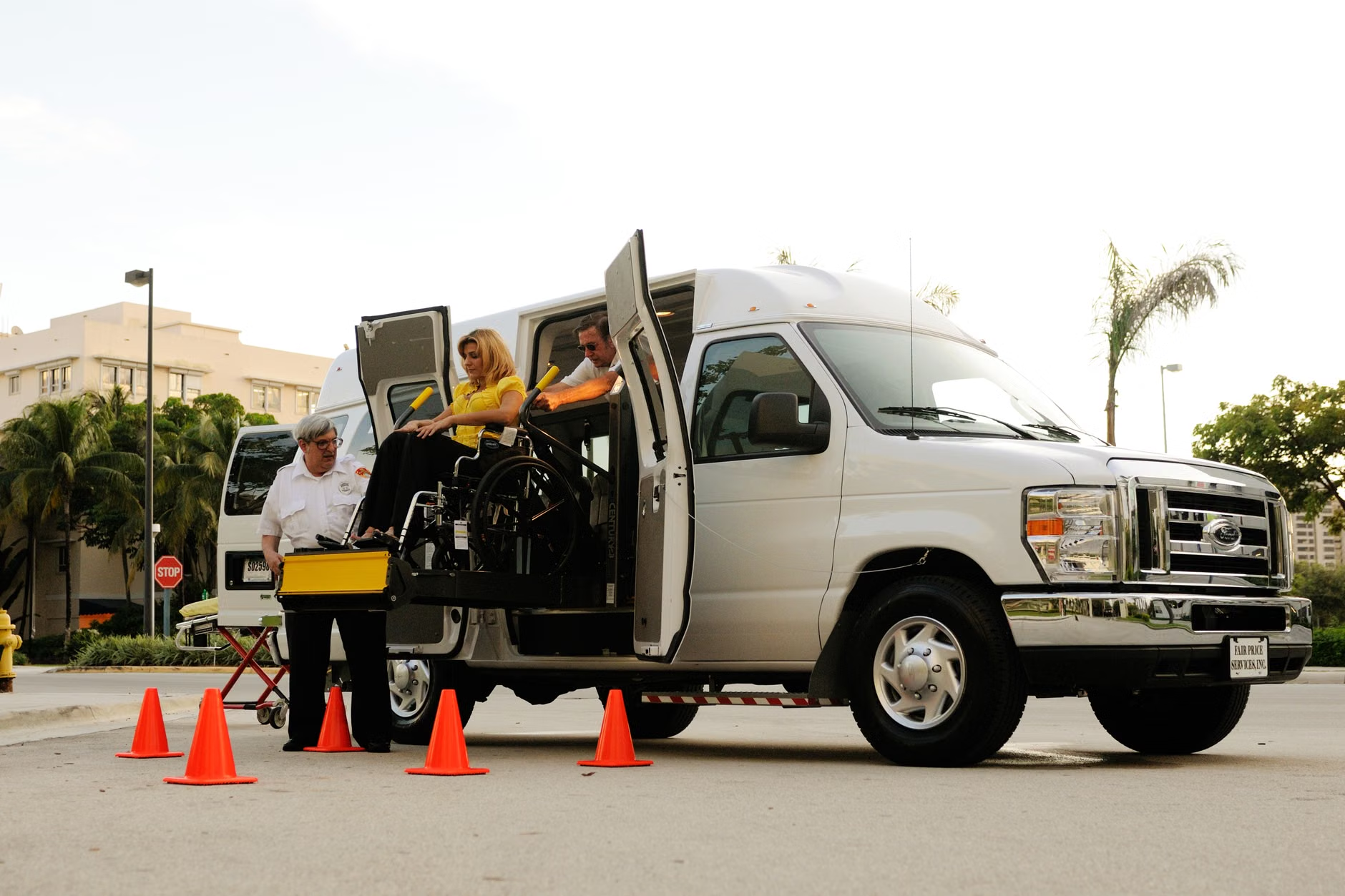
It is important to distinguish between a bus being “low-floor” and the stop being “level-boarding.” A low-floor bus is only as effective as the infrastructure it meets. Even with a low-floor vehicle, if the bus stop curb is low or broken, the driver may still need to deploy a mechanical ramp or “kneel” the bus (a feature where the vehicle’s suspension lowers one side to meet the curb).
In real-life scenarios, this distinction is critical:
- Low-Floor Vehicle: The interior of the bus has minimal or no internal steps between the entry door and the seating area.
- Kneeling Function: The driver lowers the front air suspension, reducing the gap between the ground and the bus entrance.
- Ramp Deployment: A retractable plate that bridges the gap between the curb and the bus floor.
When planning your journey, do not assume that every stop is perfectly level. Even in cities with modern fleets, older bus stops with low curbs may still require the driver to perform a “kneeling” maneuver. If you are ever unsure, a quick glance at the transit authority’s website for “accessible routes” can provide peace of mind.
While technology improves, the human element remains vital. Here is a practical guide to ensuring your transit experience remains safe and efficient as these changes roll out.
1. Pre-Trip Planning and Verification
Most modern transit apps now allow you to filter for “accessible” or “low-floor” vehicles. Before you leave, check if your local app provides real-time information on whether the approaching bus is equipped with a ramp or is a low-floor model. If the app displays an “accessibility” icon, it means the vehicle is equipped to assist you.
2. The Boarding Protocol
When the bus arrives, do not feel pressured to rush. If you are using a walking frame or simply require extra time, wait for the bus to come to a complete stop and the doors to open. If the gap looks too wide or the step too high, you have the right to ask the driver to “please kneel the bus.” This is a standard procedure for most modern transit drivers.
3. Securing Your Position
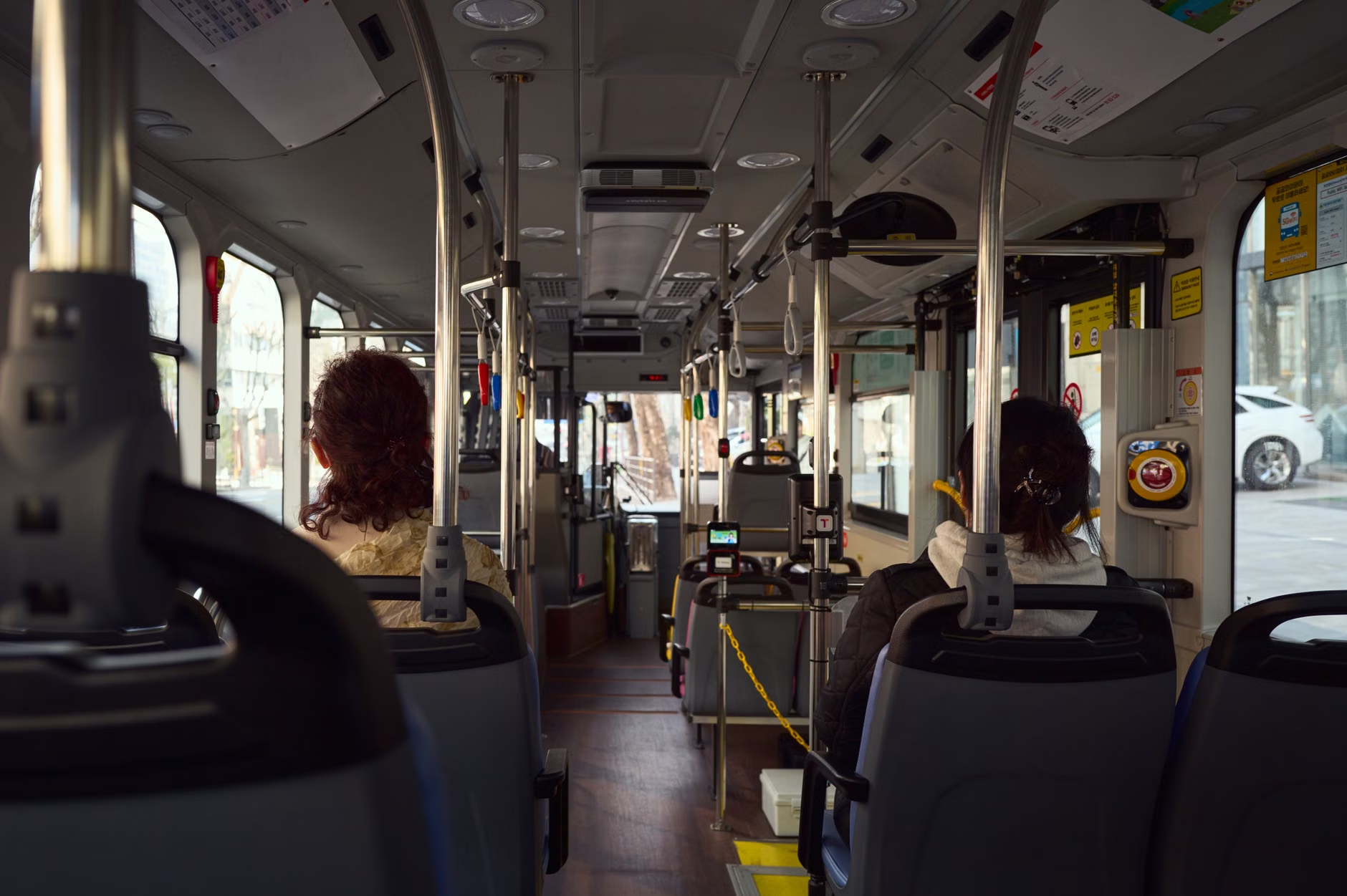
Once on board, move to the priority seating area. These seats are typically located near the front, providing easy access to the driver and requiring the least amount of walking inside the moving vehicle. It is important to wait until you are seated or securely holding a handrail before the bus begins to move. Never attempt to walk to a seat while the bus is accelerating.
Comparative Analysis: Old vs. New Transit Standards
To understand the magnitude of this shift, consider the following comparison of transit features:
| Feature | Traditional High-Step Bus | 2026 Mandated Low-Floor Bus |
|---|---|---|
| Entry | 2-3 steep steps; high physical effort. | Level entry or single low step; minimal effort. |
| Interior | Steps throughout the aisle. | Flat floor throughout the main cabin. |
| Assistance | Driver usually cannot assist. | Standard kneeling and ramp deployment. |
| Space | Cramped for walking frames. | Dedicated, spacious bay for mobility aids. |
The transition to low-floor buses is not just about the floor height; it is about the entire layout. The new standard requires wider aisles, which makes it significantly easier to navigate the bus while carrying shopping bags or using a cane. The “spacious bay” mentioned in the table is a dedicated area, usually near the middle or front, designed specifically for individuals who need to keep their mobility aids within reach.
Insights on Hidden Challenges
While the 2026 mandates are a net positive, there are hidden trade-offs that the experienced traveler should be aware of. One common issue is the “ramp gap.” Even with a ramp, the gap between the ramp edge and the platform can be uneven. Always watch your step as you transition from the ramp to the bus floor.
Another insight is the “driver-assistance variable.” While drivers are trained to assist, they are often on strict time schedules. If you require the ramp to be deployed, make eye contact with the driver as the bus approaches. A simple wave or a gesture indicates that you will need the ramp, allowing the driver to position the bus closer to the curb and prepare the mechanism before you reach the door.

Strategic Steps for Using Public Transport in 2026
To maximize your independence and safety, follow this checklist when using public transit:
- Check the Route: Use official transit websites to confirm if your specific route has been upgraded to low-floor service.
- Use the Front Door: Board through the front door whenever possible. This allows the driver to see you and, if necessary, activate the kneeling feature.
- Stay Visible: Wear bright or reflective clothing if you are travelling in the early morning or evening.
- Keep Hands Free: If you use a cane or walker, try to keep your bags in a backpack or a trolley with wheels to keep your hands free for the handrails.
- Communicate: Do not hesitate to ask for more time. A polite “I need a moment to get seated, please” is perfectly acceptable and expected.
The Role of Family and Caregivers
If you are a family member or caregiver, your role is to assist in the “discovery” phase of this transition. Help your loved one download the local transit app and practice using it at home. If they have concerns about a specific route, consider accompanying them on a “test run” during a quiet time of day, such as mid-morning on a Tuesday. This allows them to get comfortable with the boarding process without the pressure of peak-hour crowds.
Furthermore, ensure that their mobility aids—whether a foldable chair, a cane, or a walker—are in good repair. A walker with worn-out rubber feet can slip on a bus floor, even if the bus itself is perfectly level. Regular maintenance of these personal tools is just as important as the improvements in public infrastructure.
Conclusion: Empowerment Through Infrastructure
The shift toward 2026 low-floor mandates represents a global movement toward inclusivity in public life. By removing physical barriers, transit systems are acknowledging that mobility is a right, not a privilege. For the older adult, this means that the world remains accessible, and the ability to travel freely remains within reach.
By understanding how these systems work, preparing your route, and maintaining your own mobility tools, you can take full advantage of these updates. The goal is to move from a mindset of “can I manage the steps?” to a mindset of “where shall I go today?”
Frequently Asked Questions
1. Will all buses be low-floor by 2026?
Most major metropolitan transit authorities have committed to this, but it depends on the jurisdiction. Some rural or smaller municipal systems may have longer transition timelines. Check your local transit authority’s “Accessibility Plan” or “Fleet Renewal” page for the specific timeline in your region.
2. What if the bus driver refuses to kneel the bus or deploy the ramp?
In most jurisdictions, drivers are legally required to provide assistance for passengers with mobility needs. If a driver refuses, note the bus number, the time, and the route. You can report this to the transit authority’s customer service department. It is also helpful to have your transit card or ID ready, as some agencies require this to verify your eligibility for priority access, though in most cases, these services are universal.
3. Are there weight limits for the ramps on these new buses?
Yes, but they are designed to accommodate standard wheelchairs, electric scooters, and walking frames. If you are using a non-standard or particularly heavy mobility device, check the manufacturer’s weight specifications against the bus’s ramp rating, which is usually available on the transit authority’s website under “Accessibility Guidelines.”
For further reading on global accessibility standards, you may refer to the European Accessibility Act guidelines or the Americans with Disabilities Act (ADA) transit requirements, which provide the framework for these mandates.