Maintaining nerve function and metabolic efficiency is a cornerstone of healthy aging. Vitamin B1, also known as thiamine, acts as an essential coenzyme that helps your body convert carbohydrates into energy and supports the health of your nervous system. For adults aged 60 to 80, ensuring an adequate intake of thiamine is not just about general nutrition—it is a proactive step in preserving cognitive clarity and peripheral nerve integrity.
- Bioavailability Matters: Vitamin B1 is water-soluble and not stored in large amounts; it must be replenished through consistent daily dietary choices rather than occasional large doses.
- Absorption Hurdles: Aging can naturally reduce the efficiency of nutrient absorption in the gut; certain medications and chronic alcohol consumption are the most common factors that deplete thiamine levels in seniors.
- Early Warning Signs: Symptoms of deficiency are often subtle—such as unexplained fatigue, irritability, or minor tingling in the extremities—and should be discussed with a healthcare provider before assuming they are simply “part of getting older.”
Understanding the Role of Thiamine in Your Nervous System
Thiamine is often described as the “spark plug” of the human body. At a cellular level, it is vital for the Krebs cycle, the process by which your cells generate adenosine triphosphate (ATP), the primary energy carrier. Your brain and nervous system are particularly energy-demanding, consuming a significant portion of the body’s daily energy budget. When thiamine levels drop, the nervous system is often the first to show signs of distress.
In the peripheral nerves, thiamine is necessary for maintaining the protective myelin sheath. When this function is compromised, individuals may experience sensory changes. For older adults, differentiating between general age-related nerve changes and nutrition-based deficits is crucial. It is important to remember that thiamine deficiency does not happen overnight; it is a gradual process often linked to long-term dietary habits or secondary health conditions.

Dietary Sources: Where to Find Vitamin B1
Unlike some vitamins that require complex supplementation, Vitamin B1 is readily available in many common, affordable, and accessible foods. A balanced diet incorporating whole grains, legumes, and lean proteins usually provides the required daily intake for most healthy adults.
| Food Category | Specific Examples | Practical Tip for Seniors |
|---|---|---|
| Whole Grains | Brown rice, oats, whole-wheat bread | Swap white rice for brown rice at least 3 times a week. |
| Legumes | Lentils, black beans, peas | Canned beans are a cost-effective, time-saving option; rinse them to reduce sodium. |
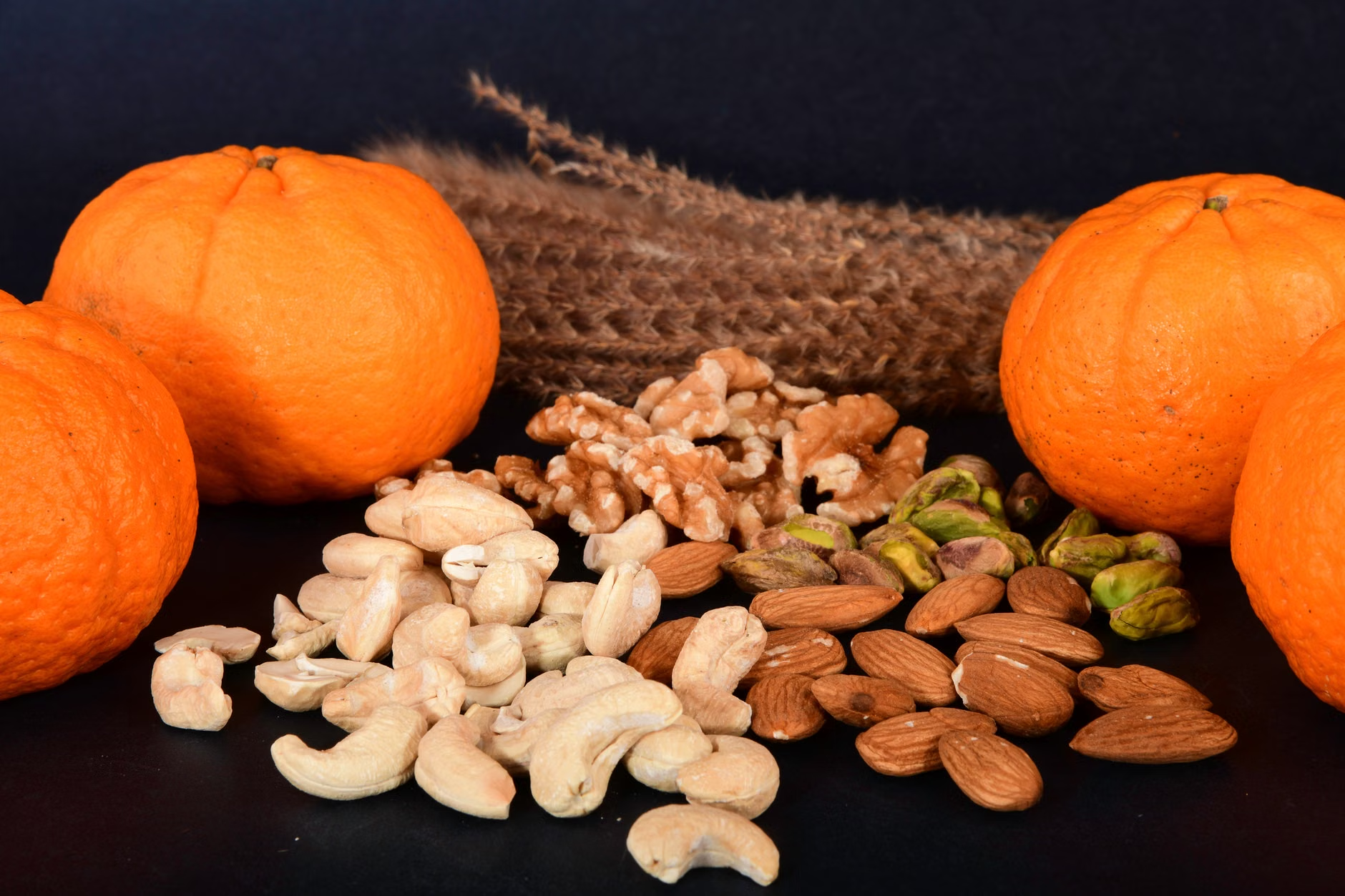
| Seeds & Nuts | Sunflower seeds, pistachios, flaxseeds | Keep a small jar of sunflower seeds to sprinkle on salads or yogurt. |
| Lean Proteins | Pork, trout, organ meats (liver) | Pork is an excellent source; choose lean cuts to manage heart health. |
Decision Criteria: If you struggle with digestion of high-fiber foods like whole grains or beans, consider opting for fortified cereals or consulting a registered dietitian to find “softer” sources of thiamine that fit your specific digestive comfort levels. There is no “one-size-fits-all” diet, and individual tolerance to high-fiber foods varies significantly in the 60-80 age bracket.
Factors That Increase the Risk of Deficiency in Later Life
Even with a balanced diet, certain lifestyle factors and physiological changes can inhibit your ability to absorb or utilize Vitamin B1. Recognizing these “hidden” variables is a key part of preventive health.
1. Medication Interactions
Commonly prescribed medications, such as diuretics (often used for high blood pressure or heart conditions), can increase the excretion of water-soluble vitamins like B1 through urine. If you are on long-term diuretic therapy, it is worth asking your doctor during your next visit if your current diet is providing enough thiamine to offset this increased loss.
2. Digestion and Absorption
As we age, the production of stomach acid can decrease, which may affect the absorption of various nutrients. Additionally, chronic digestive issues or conditions that cause malabsorption can lead to lower levels of B1. If you experience persistent bloating, diarrhea, or unexpected weight loss, these are not just “signs of aging”—they are clinical indicators that warrant a conversation with your healthcare provider.
3. Alcohol Consumption
Alcohol interferes with the absorption of thiamine in the digestive tract and increases its excretion. For older adults, even moderate alcohol consumption can have a more pronounced effect on nutrient status than it did in younger years. If you enjoy a glass of wine with dinner, ensure that you are also prioritizing thiamine-rich foods in your other daily meals.
What to Do When You Suspect a Deficiency
If you notice symptoms such as persistent fatigue, muscle weakness, confusion, or tingling in the hands and feet, do not attempt to “self-diagnose” or jump straight to high-dose supplements. High-dose supplementation without medical supervision can sometimes mask other underlying issues or interact with your existing medications.
Step-by-Step Action Plan:
- Keep a Symptom Diary: For two weeks, note when you feel fatigued, where you feel tingling, and what you ate that day. This provides your doctor with concrete data.
- Review Your Medication List: Bring a complete list of your prescription drugs, over-the-counter supplements, and herbal remedies to your doctor. Some supplements can inhibit the absorption of vitamins.
- Request a Nutritional Assessment: Ask your doctor for a blood test or a formal nutritional screening. This is the only way to confirm a deficiency.
- Focus on Whole Foods First: If a deficiency is not severe, your doctor will likely recommend dietary adjustments first. Use the list provided in the table above to plan your grocery shopping.

The Balance Between Prevention and Over-Supplementation
There is a common misconception that “more is better” when it comes to vitamins. Because Vitamin B1 is water-soluble, your body generally excretes excess amounts through urine. However, taking high doses of B-complex vitamins without a specific medical reason can be a waste of money and, in some cases, may cause gastrointestinal discomfort. Always prioritize obtaining nutrients from whole foods, as they come packaged with fiber, antioxidants, and other micronutrients that work synergistically to support your health.
For the vast majority of older adults, a varied, nutrient-dense diet is sufficient. If you are planning to travel or if you have a period of limited appetite due to illness, you might consider a high-quality multivitamin, but this should be discussed with your primary care provider to ensure it does not conflict with your current health profile.
Conclusion: Practical Steps for Long-Term Nerve Health
Preventive health is about consistent, small actions. By incorporating thiamine-rich foods—like brown rice, sunflower seeds, and legumes—into your weekly routine, you are supporting your nerve function and metabolic health from the inside out. Remember that your body’s needs change as you age, and your healthcare provider is your best partner in navigating those changes. If you experience persistent sensory or cognitive changes, record them, discuss them, and take action early.
Official guidance on nutrient requirements can be found through your national health ministry or reputable bodies such as the National Institutes of Health (NIH) Office of Dietary Supplements. Always refer to your local health guidelines, as dietary recommendations can vary by region.
Frequently Asked Questions (FAQ)
1. Can I get enough Vitamin B1 just from a balanced diet?
Yes, for most healthy older adults, a diet rich in whole grains, legumes, seeds, and lean proteins provides sufficient thiamine. If you have specific medical conditions or are on medications that deplete nutrients, consult your doctor about whether your intake is adequate.
2. Are there any side effects to taking Vitamin B1 supplements?
Vitamin B1 is generally considered safe, even at higher doses, because it is water-soluble and the body excretes what it does not need. However, high-dose supplementation can sometimes cause stomach upset. Always consult your doctor before starting any new supplement to ensure it doesn’t interact with your current medications.
3. Is the tingling in my feet a guaranteed sign of Vitamin B1 deficiency?
No. Tingling in the feet can be caused by many factors, including diabetes, circulation issues, or nerve compression. It is important not to assume the cause. Please consult a medical professional to get an accurate diagnosis, as treating the wrong cause can delay the management of the actual underlying issue.
Disclaimer: This article is for informational purposes only and does not constitute medical advice. Always seek the advice of your physician or other qualified health provider with any questions you may have regarding a medical condition.