- Molybdenum is an essential trace mineral that acts as a vital cofactor for four specific enzymes responsible for processing sulfur-containing amino acids and toxins.
- For most healthy adults aged 60-80, the recommended daily allowance (45 micrograms) is easily met through a balanced diet of legumes, grains, and nuts.
- Because molybdenum toxicity is rare but serious, individuals with kidney concerns should consult a physician before using any supplements containing this mineral.
Molybdenum is often overlooked in the landscape of essential nutrients, yet it plays a foundational role in the body’s metabolic machinery. For adults aged 60 to 80, maintaining metabolic efficiency is essential for long-term health, as the body’s ability to process proteins, medications, and environmental toxins can shift with age. Unlike macro-minerals such as calcium or magnesium, molybdenum is a trace mineral, meaning the body requires it only in minute quantities. However, its biological impact is disproportionately high due to its role as a cofactor for enzymes that facilitate critical chemical reactions.
What is Molybdenum and Why Does It Matter?
At the molecular level, molybdenum acts as a “key” that unlocks the activity of specific enzymes. Without sufficient molybdenum, these enzymes cannot function, which can lead to a buildup of substances that the body would otherwise safely convert and eliminate. There are four primary enzymes that depend on molybdenum:
- Sulfite Oxidase: This enzyme is responsible for breaking down sulfites found in food and generated during the normal breakdown of sulfur-containing amino acids.
- Xanthine Oxidase: This enzyme assists in the breakdown of nucleotides (the building blocks of DNA and RNA) into uric acid, which is then excreted.
- Aldehyde Oxidase: This enzyme helps process various aldehydes, including those produced by the liver when it metabolizes certain medications and alcohol.
- Mitochondrial Amidoxime Reducing Component (mARC): A more recently discovered enzyme that plays a role in drug metabolism and the detoxification of certain compounds.
For the older adult, the efficient function of these enzymes is not just an abstract biological process; it is a component of systemic health. As we age, the efficiency of the liver and kidneys—the primary organs of detoxification—can naturally fluctuate. Supporting these systems through proper nutrition helps ensure that the body can handle the metabolic load of daily life, including the processing of dietary proteins and the elimination of metabolic byproducts.
Meeting Your Daily Requirements Through Diet
The National Academies of Sciences, Engineering, and Medicine (NASEM) suggests an Adequate Intake (AI) of 45 micrograms (mcg) per day for adult men and women. The beauty of this requirement is that it is quite modest and easily achievable through common, heart-healthy foods. Because molybdenum is absorbed from the soil, its concentration in plants depends heavily on the mineral content of the earth where they were grown. However, a varied diet generally guarantees sufficient intake.
| Food Source | Typical Molybdenum Content (per serving) | Practical Serving Note |
|---|---|---|
| Black-eyed peas (cooked) | ~190 mcg per cup | Excellent source; can be added to soups or cold salads. |
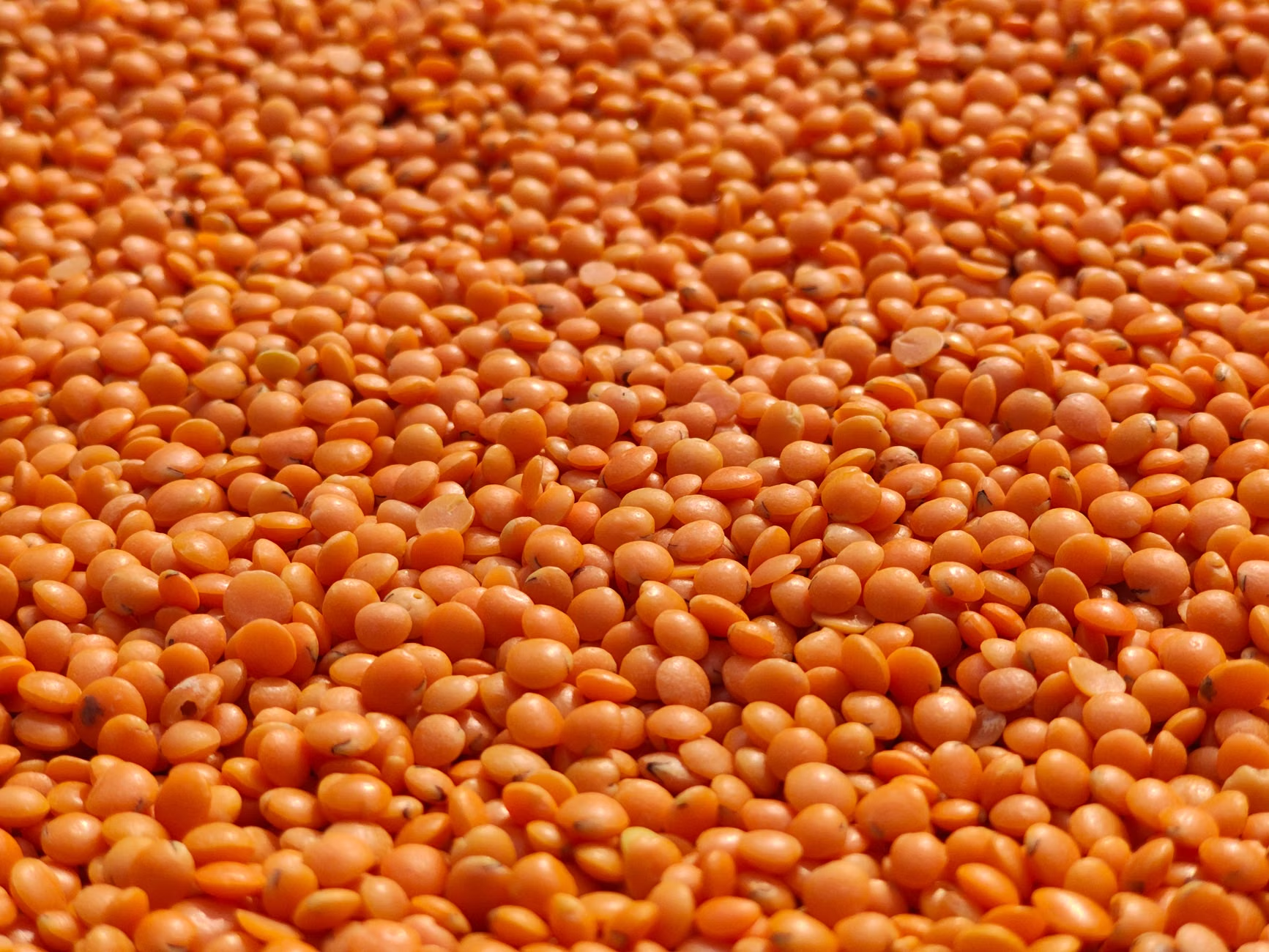
| Lentils (cooked) | ~150 mcg per cup | Versatile; pairs well with lean proteins. |
| Kidney beans (cooked) | ~130 mcg per cup | High fiber content assists in digestion. |
| Oats (dry) | ~50 mcg per cup | A breakfast staple that provides steady energy. |
| Brown rice (cooked) | ~20 mcg per cup | A reliable whole-grain base for meals. |
The table above illustrates that a single serving of legumes or a hearty bowl of oatmeal can often meet or exceed the daily requirement. For an older adult, this is encouraging news: there is no need for complex dietary tracking or specialized supplements. A “Mediterranean-style” or “Plant-Forward” diet—which emphasizes legumes, whole grains, and nuts—naturally provides all the molybdenum the body requires.
The Risk of Over-Supplementation
In the world of preventive health, there is a common misconception that “more is better.” With trace minerals like molybdenum, this is categorically untrue. While deficiency is extremely rare in developed nations, toxicity from excessive intake through supplements is a real, albeit uncommon, concern. The Tolerable Upper Intake Level (UL) is set at 2,000 mcg per day for adults.
Exceeding this level consistently can lead to adverse effects, most notably interference with copper absorption. Copper is another essential mineral required for iron metabolism and connective tissue health. When molybdenum levels are excessively high, the body may struggle to utilize copper properly, which can lead to secondary deficiencies. Therefore, the goal for seniors should always be dietary adequacy, not high-dose supplementation.
As we navigate our 60s, 70s, and 80s, the focus of nutrition shifts from growth and reproduction to maintenance and protection. Metabolic support is essentially about ensuring the “housekeeping” enzymes in our cells have the resources they need. If you are currently managing a chronic condition, such as gout or chronic kidney disease, your metabolic needs may be different from the general population.
For example, individuals with gout are often advised to monitor their intake of purines. Since molybdenum-dependent enzymes are involved in the pathway that leads to uric acid production, some might wonder if molybdenum intake should be restricted. However, there is currently no clinical evidence suggesting that dietary molybdenum restriction is a standard treatment for gout. In fact, the body’s internal regulation of these enzymes is usually robust enough to handle normal dietary intake. Always discuss specific dietary changes with your primary care physician or a registered dietitian who understands your full medical history.

When to Consult a Professional
While molybdenum is a standard part of a healthy diet, there are specific scenarios where you should consult a healthcare provider regarding your mineral intake:
- Advanced Kidney Disease: Because the kidneys are the primary route of molybdenum excretion, individuals with significant renal impairment should be cautious. Elevated levels of molybdenum in the blood can occur if the kidneys are not functioning at full capacity.
- Polypharmacy: If you are taking a large number of medications, it is wise to review your supplement list with a pharmacist. Some medications can interact with mineral absorption or excretion pathways.
- Unexplained Neurological or Digestive Symptoms: While rare, persistent, unexplained symptoms should always be investigated by a professional rather than addressed through self-prescribed mineral supplementation.
When preparing for a medical appointment to discuss nutrition or metabolic health, it is helpful to bring a “nutrition diary.” For three days, record everything you eat and drink. This provides your doctor with a realistic view of your nutrient intake rather than a theoretical one. Include any supplements you are taking, even those that seem minor, such as multivitamins or herbal teas.

Practical Strategies for Daily Wellness
Integrating molybdenum-rich foods into your life does not require a complete overhaul of your kitchen. Small, consistent changes are the hallmark of sustainable senior health. Here are three practical ways to ensure you are meeting your needs:
- The “Legume Swap”: Once or twice a week, substitute a portion of meat with a serving of lentils or beans. This not only increases your molybdenum intake but also provides fiber and protein, which are essential for maintaining muscle mass and digestive regularity.
- Choose Whole Grains: Opt for steel-cut oats or brown rice over refined white bread or instant rice. Whole grains retain the germ and bran where minerals like molybdenum are stored.
- Read the Label: If you choose to use a multivitamin, check the label for molybdenum content. Most standard multivitamins contain a safe, supplemental dose (often around 50–75 mcg). If you are already eating a diet rich in whole grains and legumes, you may not need a supplement at all.
It is important to remember that minerals do not work in isolation. A diet rich in molybdenum is usually also rich in other essential nutrients. By focusing on whole, unprocessed foods, you are not just getting molybdenum; you are getting a synergistic package of vitamins, minerals, and phytonutrients that support cardiovascular health, cognitive function, and metabolic stability.
Understanding the Limits of Nutrition
While nutrition is a pillar of preventive health, it is not a substitute for medical care. If you are experiencing symptoms such as persistent fatigue, unexplained weight changes, or recurring digestive issues, these should not be treated as simple nutritional deficiencies. These symptoms can be indicators of various underlying conditions that require clinical assessment. Use nutrition as a foundation to build wellness, but rely on your healthcare team for the diagnosis and management of specific health concerns.
Furthermore, keep in mind that “natural” does not always mean “safe” in large quantities. There is a market for high-dose mineral supplements that promise increased energy or metabolic “cleansing.” These claims are rarely supported by rigorous science and can pose risks to older adults whose metabolic pathways are more sensitive to change. Stick to food-based sources whenever possible, and be wary of any product that promises a “miracle” result for metabolic health.
Conclusion: The Simplicity of Trace Mineral Maintenance
The role of molybdenum in our health serves as a reminder that the most essential components of our biology are often the ones we think about the least. By maintaining a varied diet that includes legumes, grains, and nuts, you are providing your body with the tools it needs to process proteins and toxins efficiently. For the vast majority of adults aged 60 to 80, this trace mineral is handled perfectly by a balanced, heart-healthy diet. Focus on food, remain mindful of supplement use, and continue to engage with your healthcare providers to ensure your nutritional choices align with your broader health goals.
Frequently Asked Questions
1. Can I get too much molybdenum from food alone?
No. It is virtually impossible to reach toxic levels of molybdenum through a normal, healthy diet. Toxicity is generally only associated with excessive, long-term use of high-dose supplements or, in very rare cases, extreme environmental exposure.
2. Should I take a molybdenum supplement if I feel tired?
Fatigue is a non-specific symptom that can be caused by many factors, including sleep quality, medication side effects, anemia, or thyroid issues. You should never start a mineral supplement to address a symptom like fatigue without first consulting a doctor to determine the underlying cause.
3. How do I know if my diet has enough molybdenum?
If you regularly consume a variety of whole foods—specifically legumes like lentils, black beans, and chickpeas, along with whole grains like oats and brown rice—you are almost certainly meeting your daily requirement of 45 micrograms. There is no need for specialized blood testing for molybdenum in the general population.
Sources and Further Reading:
- National Institutes of Health (NIH) Office of Dietary Supplements: Molybdenum Fact Sheet for Health Professionals
- The National Academies of Sciences, Engineering, and Medicine (NASEM) Dietary Reference Intakes
Disclaimer: This article is for informational purposes only and does not constitute medical advice, diagnosis, or treatment. Always seek the advice of your physician or other qualified health provider with any questions you may have regarding a medical condition or dietary change.