Key Takeaways:
- Vitamin B2 (Riboflavin) is essential for converting dietary carbohydrates, fats, and proteins into the cellular energy your body needs to function daily.
- As we age, the efficiency of nutrient absorption can decline; focusing on bioavailable, whole-food sources of B2 is a proactive way to support sustained energy levels.
- Riboflavin is water-soluble and light-sensitive, meaning daily consistent intake through proper food storage and gentle cooking methods is more effective than intermittent supplementation.
Maintaining energy levels between the ages of 60 and 80 is not about finding a single “miracle” fuel; it is about ensuring that the biochemical processes within your cells have the necessary tools to perform. At the center of this process is Vitamin B2, also known as Riboflavin. While often overshadowed by more famous nutrients, Riboflavin acts as a critical “spark plug” for energy metabolism. Without adequate levels, the body struggles to convert the food you eat into the usable energy that powers your muscles, brain, and organs.
Understanding the Role of Vitamin B2 in Cellular Energy
To understand why Vitamin B2 matters, we must look at what happens at the cellular level. Every cell in your body contains mitochondria—the “power plants” that generate Adenosine Triphosphate (ATP), the primary energy currency of the body. Riboflavin is a precursor to two essential coenzymes: Flavin Mononucleotide (FMN) and Flavin Adenine Dinucleotide (FAD).
These coenzymes are required for the electron transport chain, a series of reactions that generate most of the ATP in your body. Think of Riboflavin as the essential worker on an assembly line; without it, the line slows down, and the output (energy) decreases. In older adults, this can manifest as a general sense of fatigue or a slower recovery time after physical activity. By ensuring consistent intake, you are essentially ensuring that your “power plants” have the parts they need to stay operational.
Why Requirements Change After 60
As we navigate our 60s, 70s, and beyond, several physiological changes can affect how we utilize vitamins. Changes in stomach acidity, digestive transit time, and the body’s ability to process micronutrients mean that the same diet you followed at 40 might not yield the same results today. Research indicates that while the recommended dietary allowance (RDA) for Riboflavin—typically around 1.1 to 1.3 milligrams per day—does not drastically change, the efficiency of uptake often does. This makes the quality and variety of your food choices paramount.
Identifying Practical Dietary Sources of Riboflavin
Riboflavin is unique because it is water-soluble. This means your body does not store it in large quantities; it uses what it needs and excretes the rest. Consequently, “loading up” on B2 once a week is ineffective. You need a steady, daily supply. Below is a breakdown of common food groups and how they contribute to your B2 intake.
| Food Category | Examples | Why it’s a Good Choice |
|---|---|---|
| Dairy Products | Milk, Yogurt, Cheese | Highly bioavailable; easy to incorporate into daily snacks. |
| Lean Proteins | Eggs, Lean Beef, Organ Meats | Dense concentration; supports muscle maintenance alongside energy. |
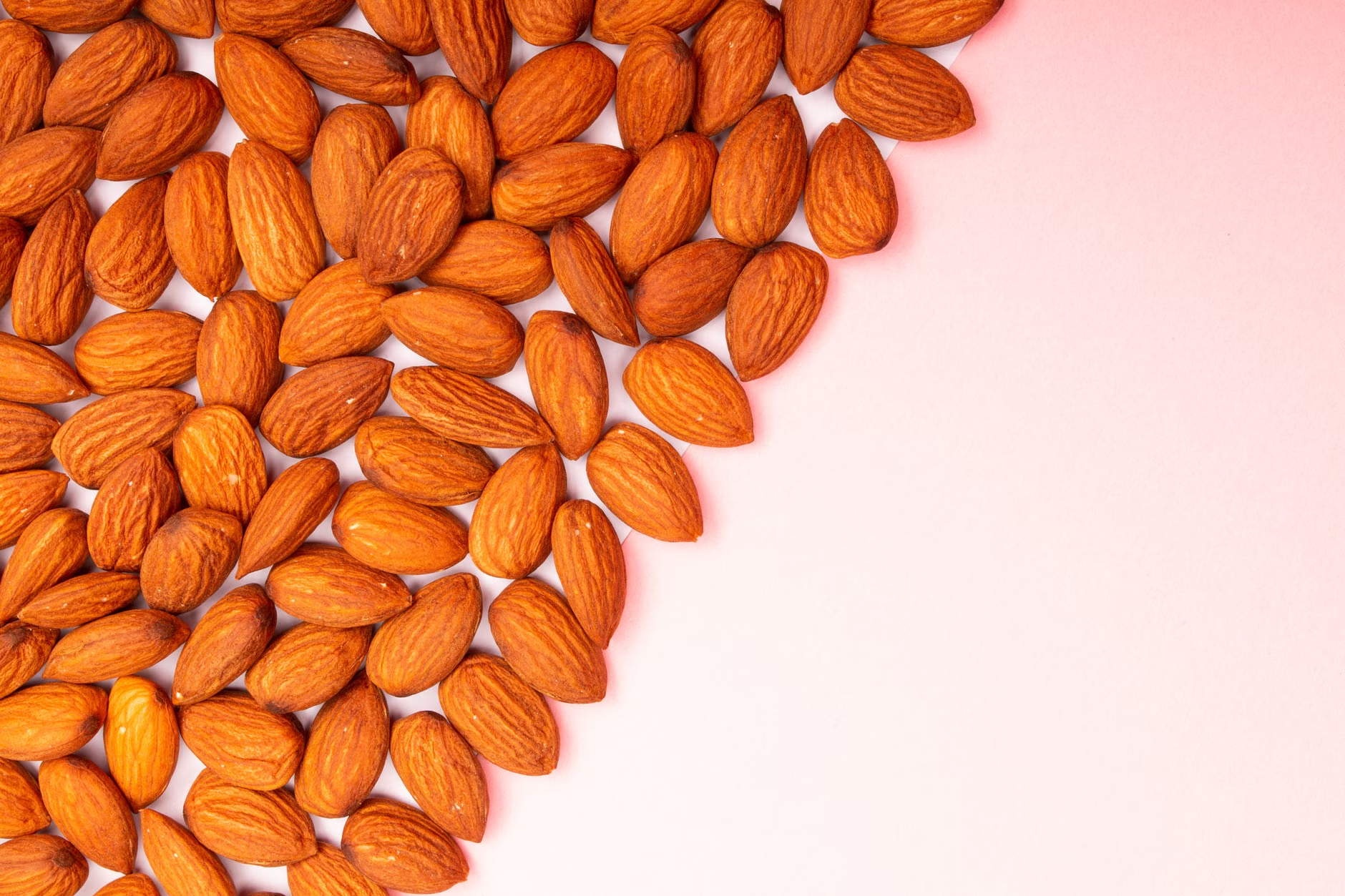
| Plant-Based | Almonds, Mushrooms, Spinach | Adds fiber and antioxidants; excellent for those reducing meat intake. |
The table above highlights that Riboflavin is widely available in a balanced diet. However, the way you handle these foods determines how much B2 you actually receive.
The Hidden Challenges: Preservation and Preparation
One of the most overlooked variables in nutrition is the stability of the vitamins themselves. Vitamin B2 is highly sensitive to light (photolabile). If you store milk in a clear glass container in a sunny kitchen, the B2 content will degrade significantly within a few hours. Similarly, because it is water-soluble, boiling vegetables in large amounts of water causes the B2 to leach out into the cooking liquid.
Practical Kitchen Strategies
- Protect from Light: Store dairy products in their original opaque containers. If you use glass, keep it in the refrigerator or a dark cabinet.
- Gentle Cooking: Steaming or sautéing vegetables preserves significantly more B2 than boiling. If you do boil, consider using the leftover water for soups or stews to retain the nutrients.
- Pairing for Absorption: While B2 is absorbed efficiently on its own, it works in concert with other B-vitamins (like B1, B3, and B6). Eating a variety of whole foods ensures you aren’t just getting B2, but the entire “team” of B-complex vitamins required for energy metabolism.

When to Consult a Professional
While dietary changes are the first line of defense, there are circumstances where you should consult a healthcare provider or a registered dietitian. If you are experiencing persistent, unexplained fatigue, it is important to rule out other factors before assuming a simple vitamin deficiency. Conditions such as thyroid issues, anemia (which may involve B12 or iron, not just B2), or medication side effects can mimic the symptoms of low energy.
Preparation for your visit:
- Keep a 3-day food log: Write down everything you eat and drink. This helps your doctor see if your intake is truly lacking or if there is an absorption issue.
- List your medications: Some medications, including certain diuretics or antidepressants, can influence how your body processes vitamins.
- Ask specific questions: Instead of asking “Do I need vitamins?”, ask “Based on my current health profile and medications, would a targeted supplement be safer than dietary adjustments alone?”
It is important to note that supplements are not a replacement for a diverse diet. Supplements provide isolated nutrients, whereas whole foods provide a matrix of phytonutrients, fiber, and co-factors that work synergistically. For most, a diet rich in eggs, dairy, and leafy greens is sufficient. If a supplement is recommended, it is usually because a specific medical condition is preventing proper absorption, not because the diet itself is inherently failing.

Addressing Common Misconceptions About Energy
There is a prevalent myth that “more is better” when it comes to B-vitamins. Because B2 is water-soluble, taking high-dose supplements will generally result in your body simply excreting the excess through urine—you may notice your urine turning a bright, neon yellow, which is a harmless but clear sign that your body is discarding the surplus. There is no evidence that “mega-dosing” B2 provides an extra boost of energy for healthy individuals. The goal is adequacy, not excess.
Another misconception is that fatigue in later life is inevitable. While energy levels may naturally fluctuate, chronic exhaustion is not a “normal” part of aging. It is a signal from the body that requires attention. By focusing on the fundamentals—consistent nutrient intake, proper hydration, and adequate sleep—you provide your body the best possible environment to maintain its vitality.
Synthesizing Your Daily Routine
To integrate these insights into your life, start with small, manageable adjustments. Do not attempt to overhaul your entire diet in one day. Instead, look at your breakfast or lunch and consider how to include a B2-rich component. For example, if you typically have oatmeal, try adding a handful of almonds or a side of yogurt. If you enjoy salads, ensure you have a variety of dark, leafy greens.
Remember that your digestive system is a dynamic environment. Factors like stress, sleep quality, and physical activity levels all influence how your body handles the nutrients you provide. A holistic approach that values steady, high-quality nutrition will serve you better than any quick-fix solution. Consult official resources such as the National Institutes of Health (NIH) Office of Dietary Supplements for detailed, evidence-based data on Riboflavin requirements and safety.
Ultimately, the goal of focusing on nutrients like Vitamin B2 is to maintain the autonomy and energy required to enjoy your hobbies, travel, and time with family. By viewing food as the fuel for your cellular “power plants,” you take an active, informed role in your own long-term health.
Frequently Asked Questions
- 1. Can I get enough Vitamin B2 from a plant-based diet?
- Yes. While dairy and meat are traditional high-B2 sources, you can obtain sufficient amounts from fortified cereals, mushrooms, almonds, spinach, and legumes. If you follow a strict vegan diet, it is wise to monitor your intake closely and consult a professional to ensure you are meeting your daily requirements.
- 2. Does light exposure really affect the Vitamin B2 in my food?
- Yes, Riboflavin is photolabile, meaning it breaks down when exposed to light. This is why milk is traditionally sold in opaque cartons or jugs rather than clear glass. Keeping your food stored in dark, cool places is a simple way to preserve its nutrient density.
- 3. Will taking a B-complex supplement give me more energy if I’m already eating well?
- If you are already meeting your nutritional needs through a balanced diet, additional supplementation is unlikely to provide a noticeable “energy boost.” The body is excellent at maintaining homeostasis; once your cells have the necessary coenzymes to function, providing extra B2 will simply result in the excess being processed and excreted.