- The Layering Principle: Prioritize moisture-wicking base layers and versatile mid-layers to adapt to temperature swings without adding bulk to your luggage.
- Mobility-First Packing: Keep your total luggage weight under 10kg (22lbs) to ensure you can manage your bags independently on stairs, shuttles, and public transport.
- Health Continuity: Maintain a dedicated, easily accessible “health kit” containing prescriptions, a summary of your medical history, and basic first-aid, regardless of the destination climate.
Traveling across different climate zones—such as moving from a humid, tropical coastal city to a cool, dry mountain region—presents unique logistical challenges for travelers aged 60 to 80. The primary goal is to maintain comfort and mobility while minimizing the physical burden of heavy luggage. This guide focuses on strategic packing, temperature regulation, and the practicalities of moving between environments without compromising your stamina or health.
1. The Strategic Approach to Multi-Climate Packing
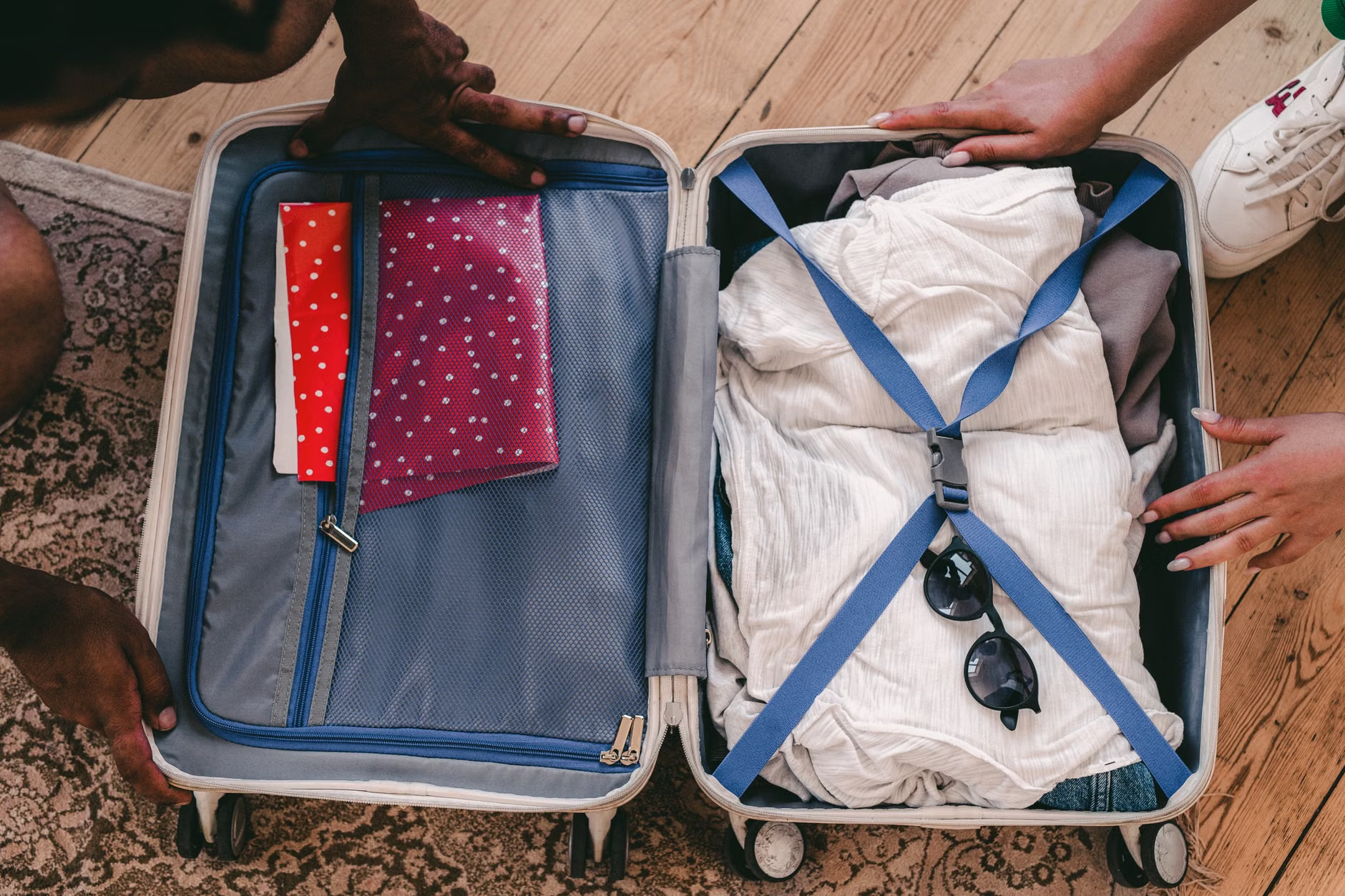
The biggest mistake travelers make when preparing for varying climates is packing for each destination as a separate, isolated event. Instead, you should pack for a “system” where every item serves multiple purposes. By using a modular packing system, you can easily access what you need without unpacking your entire bag.
The Layering Framework
Layering is not just about fashion; it is a critical thermal management tool. For an older adult, maintaining a stable core temperature is essential for preventing fatigue and managing chronic health conditions like joint stiffness or circulation issues.
- Base Layer: Use synthetic or merino wool fabrics that wick moisture away from the skin. Avoid cotton in cold or humid environments, as it stays wet and can lead to rapid heat loss or skin irritation.
- Mid-Layer: A lightweight fleece or a packable down vest. These provide excellent insulation-to-weight ratios.
- Outer Shell: A windproof and water-resistant jacket is vital. It acts as a shield against sudden weather shifts and occupies very little space in your bag.
Weight Management and Mobility
Stamina is a finite resource during travel. The heavier your luggage, the more energy you expend just moving through transit hubs. Aim for a total weight that allows you to lift your bag onto an overhead rack or up a flight of stairs without straining your back or shoulders. If you cannot lift your bag unassisted, it is too heavy for a multi-climate journey where you may need to navigate changing transport modes.
| Item Type | Material Strategy | Why It Matters |
|---|---|---|
| Base Layers | Merino Wool / Synthetic | Prevents dampness and regulates temperature. |
| Footwear | Supportive Walking Shoes | Prevents foot fatigue and provides stability on uneven terrain. |
| Outerwear | Packable Synthetic Shell | Protects against wind/rain; easily stowed. |
The table above highlights that material choice is as important as the item itself. Synthetic materials are generally more resilient and easier to wash and dry in a hotel sink if you are on a long-term trip, reducing the need to carry extra clothing.
2. Managing Health and Medication Across Climates
Changing climates can affect how your body responds to medications or existing health conditions. For example, high humidity can exacerbate respiratory issues, while dry mountain air can lead to dehydration. Preparation is your best defense.
Creating a Standardized Health Kit
Your health kit should be a “go-bag” that never leaves your carry-on. Do not pack medications in checked luggage, as the temperature fluctuations in the cargo hold can damage certain sensitive medications, and the risk of lost luggage is an unnecessary stressor.
- Prescription Documentation: Carry a list of all your medications, their dosages, and the generic names in English. Include a brief summary of your health conditions in case you need to consult a local doctor.
- Hydration and Supplements: Climate changes often disrupt your internal hydration balance. Carry electrolyte tablets to help your body adapt to heat or altitude changes more effectively.
- First Aid Essentials: Include blister pads, a basic antiseptic, and any over-the-counter pain relievers you use for joint comfort, especially if you anticipate increased walking.
When to Seek Professional Advice
If you have specific conditions such as high blood pressure or diabetes, consult your doctor before traveling to regions with extreme temperature differences. Ask specifically about how these environments might affect your daily medication schedule or blood sugar levels. Keep a digital copy of your medical records on a secure cloud drive that you can access from any device.
3. Footwear and Mobility: The Foundation of Your Trip
In a multi-climate trip, you will likely encounter various surfaces—from slick, wet city streets to dusty, uneven rural paths. Your footwear must be versatile enough to handle these without requiring you to carry multiple heavy pairs.
Selecting the Right Shoe
Look for shoes with high-traction outsoles and firm arch support. Avoid new shoes for a trip; break them in for at least two weeks before departure. The “wear-test” involves walking for at least an hour at a time to identify any pressure points. If you experience persistent discomfort, consider custom orthotics or high-quality insoles.
Managing Energy and Rest
Do not attempt to replicate the pace of younger travelers. Plan your itinerary to include “recovery half-days.” If you spend a morning walking through a busy market, schedule a quiet afternoon in a climate-controlled environment, such as a museum or a café. This helps your body adjust to the local temperature and prevents the accumulation of physical fatigue.
Multi-climate travel often involves multiple modes of transport: planes, trains, and shuttles. Each has its own accessibility challenges. Understanding these ahead of time can save you significant effort.
Pre-Trip Logistics
- Check Accessibility Features: Use official transport websites to check for elevator availability at train stations. If a station lacks an elevator, look for alternative stations or pre-book a taxi to bridge the gap.
- Luggage Handling: If you are traveling alone, use a four-wheeled spinner suitcase. It requires significantly less force to push than a two-wheeled bag, reducing strain on your wrists and shoulders.
- Climate-Specific Transport Tips: In hot climates, prioritize transport during the cooler morning hours. In cold climates, ensure your transport has adequate heating to prevent the “chill-down” effect that occurs when moving from a warm train to a cold platform.
5. Practical Decision Rules for the Senior Traveler
When you are faced with a choice during your travels, use these decision rules to prioritize your well-being:
- The 30-Minute Rule: If an activity requires more than 30 minutes of continuous standing, look for a nearby seating option or skip it. Never assume you will “find a place to sit” when you get there.
- The Luggage Limit: If you cannot carry your luggage for three consecutive blocks, it is too heavy. Remove items until you can.
- The Hydration Check: In dry or hot climates, drink water before you feel thirsty. Dehydration is often mistaken for fatigue and can be dangerous for seniors in extreme temperatures.
By following these rules, you shift the focus from “what I want to see” to “how I can sustain my energy to enjoy what I see.” This shift is the hallmark of a seasoned, smart traveler.
Conclusion
Multi-climate travel is entirely manageable for seniors when approached with a focus on preparation and physical realism. By prioritizing lightweight, modular clothing, maintaining a consistent health kit, and choosing mobility-friendly luggage, you can navigate different environments with confidence. Remember that the quality of your experience is defined by your ability to move comfortably and recover effectively, not by how many destinations you visit.
Frequently Asked Questions
1. How do I handle sudden temperature changes without overpacking?
Focus on layering. A base layer, a light sweater, and a wind-resistant shell cover most temperature ranges. By wearing your heaviest items (like a jacket or boots) on the plane, you save significant space and weight in your suitcase.
2. What should I do if my medication needs to be kept cool?
Use a specialized medical cooling pouch or a small, insulated bag with a reusable cold pack. Always check airline regulations regarding ice packs; most allow them if they are clearly for medical use. Keep these in your carry-on, never in checked luggage.
3. How can I ensure my accommodation is truly senior-friendly?
Don’t rely solely on the term “accessible.” Call the hotel or host directly and ask: “Are there stairs at the entrance?” “Is there an elevator that reaches all floors?” and “Is the shower a walk-in or a tub?” These specific questions provide a much clearer picture of the actual accessibility than general marketing terms.
Official guidance on travel health can be found at the CDC Travelers’ Health website. Always check local government transport websites for specific accessibility information at your destination.