- Zoning Impact: The 2026 expansion of noise-reduction zones will prioritize pedestrian-only hours and electric-vehicle-only access in high-density urban centers.
- Mobility Planning: If you rely on private vehicles or specialized transport, check your local municipal portal for “Essential Access Permits” to avoid fines in restricted zones.
- Quiet Health Benefits: Reduced ambient noise levels are scientifically linked to lower stress markers and improved sleep quality, which are vital for long-term cardiovascular health in your 60s and beyond.
Starting in 2026, major metropolitan areas across Europe, East Asia, and parts of North America are set to significantly expand their “Urban Noise-Reduction Zones.” These initiatives, often referred to as “Quiet City” or “Low-Noise District” programs, aim to lower decibel levels by restricting heavy traffic and implementing strict speed limits in residential and commercial hubs. For those aged 60 to 80, this shift represents a fundamental change in how we interact with our cities—impacting everything from how we reach our doctor’s appointments to how we enjoy local leisure time.
Understanding the 2026 Noise-Reduction Mandates
The core objective of the 2026 expansion is the reduction of “noise pollution”—constant, low-level ambient sound from engines, tires, and construction. While these sounds often go unnoticed by younger commuters, they have been shown to contribute to increased cortisol (stress hormone) levels and sleep disruption in older adults. Governments are moving toward this model not just for comfort, but as a public health intervention.
Most jurisdictions implementing these zones are utilizing a tiered approach. A Core Quiet Zone typically forbids non-electric private vehicles during peak hours (usually 8:00 AM to 8:00 PM), while a Peripheral Buffer Zone enforces a speed limit of 30 km/h (approx. 18 mph) to reduce tire-on-road friction noise. Understanding which zone your home, favorite park, or medical center falls into is the first step toward avoiding unexpected travel inconveniences.
Why Noise Levels Matter for Long-Term Wellbeing
Living in a high-decibel environment is not merely an annoyance. Chronic exposure to traffic noise—defined by the World Health Organization (WHO) as consistently exceeding 55 decibels—can lead to hypertension and cognitive fatigue. By shifting toward quieter streets, these 2026 policies aim to create “healing environments” that support aging in place. When you choose to visit an area designated as a Quiet Zone, you are likely to experience lower environmental stressors, which can make walking or socializing significantly more comfortable.
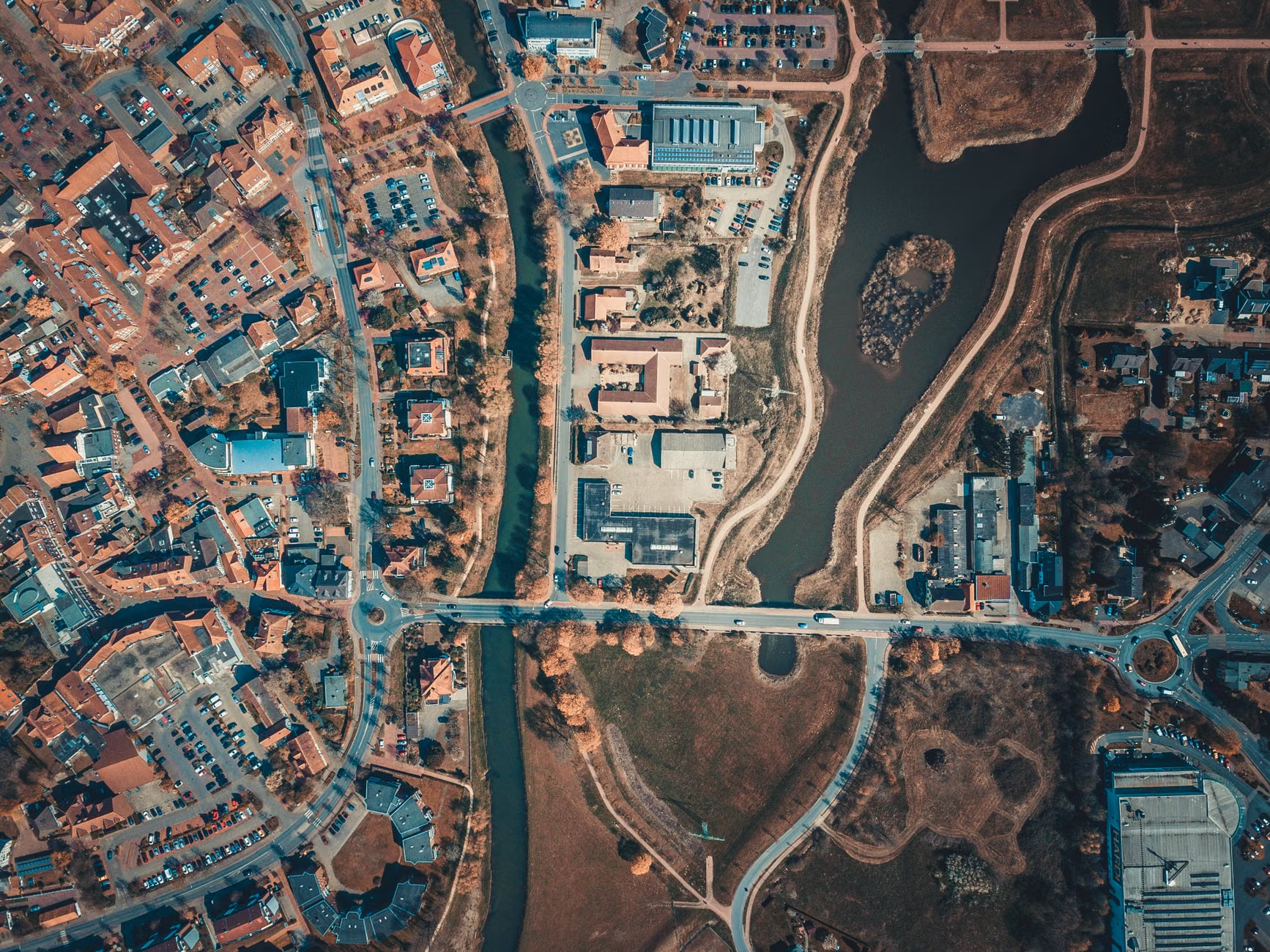
If you or your family members rely on personal vehicles for mobility, the 2026 expansion requires a change in your routine. It is no longer enough to rely on standard GPS navigation, as many standard apps may not immediately flag “Access-Restricted” hours for specific streets.
Checklist for Urban Travel in 2026
- Verify Access Permits: Many cities offer “Resident Access” or “Medical Necessity” permits. If you have mobility-related health conditions, check your local municipal website to see if your vehicle qualifies for an exemption.
- Utilize Real-Time Transit Apps: Use apps that integrate local traffic regulation data to plan your route. Look for features that show “Green Zones” or “Quiet Zones” to ensure you are not entering a restricted area during active hours.
- Explore Micro-Mobility Options: If you are within a noise-reduction zone, consider using city-provided electric shuttle services. These are often free or heavily discounted for seniors and are designed to drop passengers off closer to destinations than private cars in restricted zones.
| Zone Type | Vehicle Restrictions | Best Transport Mode |
|---|---|---|
| Core Quiet Zone | Strictly Electric/Permit Only | Public Electric Shuttle / Walking |
| Buffer Zone | Speed limit < 30km/h | Standard Vehicle / Cycling |
| Open Access Zone | Standard Regulations | Any |
The table above illustrates the general framework. Please note that exact speed limits and vehicle types vary by jurisdiction. Always cross-reference with your local government’s “Urban Mobility Plan” website.
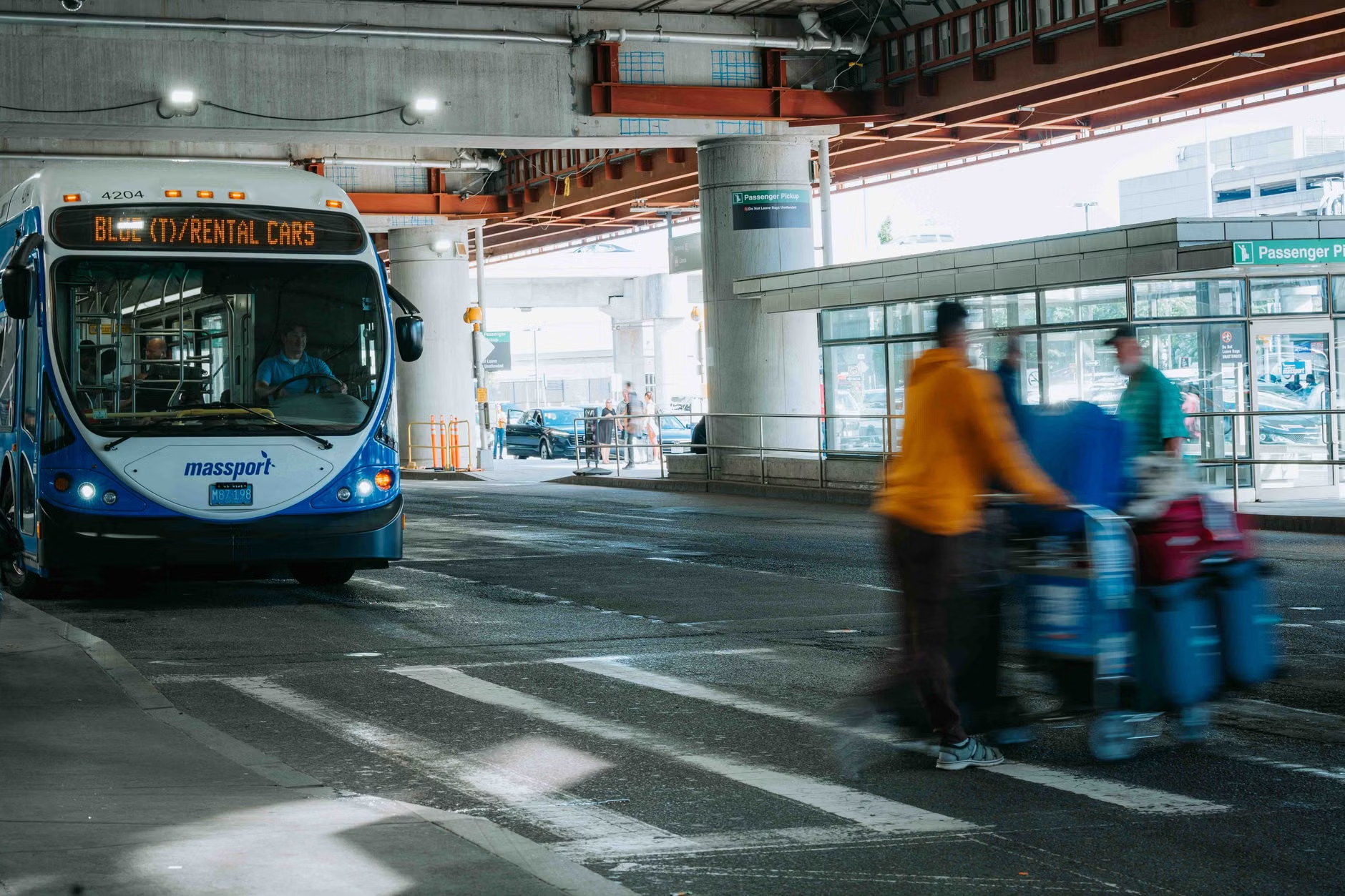
Managing Mobility and Accessibility in Quiet Zones
A frequent concern among older adults is whether “pedestrianization” or “noise reduction” equates to “inaccessibility.” In reality, the 2026 planning guidelines require that any area restricting private vehicle access must provide enhanced accessibility infrastructure. This includes more frequent seating, wider curb cuts, and increased elevator access at transit hubs.
If you find that an area you frequent has become harder to navigate, it is often due to a lack of awareness regarding your rights as a commuter. Most of these urban planning projects have a “Public Feedback” component. If you encounter a lack of seating or poor lighting in a newly designated quiet zone, contact your local council’s disability and mobility department. These departments are often mandated to improve infrastructure in zones where they have restricted vehicle access.
Health Considerations: Preparing for Your Next Visit
When planning a trip to a city center—whether for a medical appointment or a social outing—the shift to quiet zones requires a bit more stamina and preparation. Because drop-off points may be further from the entrance of your destination than you are accustomed to, adjust your pacing expectations.
Practical Decision Rule: Plan for a 10-15% increase in “transit-to-destination” time. For example, if you are visiting a hospital that is now inside a quiet zone, assume you will be dropped off at a peripheral transit hub and will need to walk or use a shuttle for the final 300 meters. If this distance exceeds your comfortable walking capacity, look for the “Special Needs Transport” (SNT) contact number often provided on the city’s official mobility website.

The Hidden Trade-offs of Quiet Urbanism
While the benefits of quiet zones—cleaner air, lower stress, safer walking environments—are clear, there are “hidden” variables to consider. One such variable is the increase in cyclist and e-scooter traffic. In areas where car traffic is restricted, micro-mobility vehicles often increase. For those with visual or hearing impairments, these silent or near-silent vehicles can pose a tripping or collision hazard.
How to stay safe:
- Stay on designated pedestrian paths.
- Look both ways even in “pedestrian-only” zones, as cyclists often move at high speeds.
- If you use hearing aids, consider adjusting your settings to a “directional” mode when walking in urban centers to better pick up the sound of approaching cyclists.
Frequently Asked Questions
1. How do I know if my neighborhood is affected by the 2026 noise-reduction expansion?
Most major cities have launched an interactive “Urban Mobility Map” on their official government website. Search for your city’s name followed by “2026 Mobility Plan” or “Noise Action Plan.” These maps allow you to input your address to see if you fall within a restricted boundary.
2. Can I still use my private car if I have a disability parking permit?
In almost all jurisdictions, valid disability parking permits provide exemptions for restricted noise zones. However, you may be required to register your vehicle’s license plate with the municipal authority to ensure the automated cameras do not issue a fine. Check your local permit guidelines immediately to ensure your registration is current.
3. Will public transport become more expensive in these new zones?
Generally, no. In fact, many cities are subsidizing public transport to encourage its use over private vehicles in quiet zones. In some regions, seniors qualify for “Green Mobility” discounts that make electric shuttle buses or local trams nearly free. Check your local transit authority’s website for “concessionary fares” related to environmental initiatives.
Disclaimer: This article provides general information based on global trends in urban planning and public health. Policies vary significantly by country and municipality. Always consult your local government’s official publications or contact the municipal planning department for rules specific to your residential area.
Deep Dive: Integrating Quiet Zones into Your Daily Routine
As we approach 2026, the transition to quieter urban environments is not just a top-down government initiative; it is a shift in the fabric of daily life. For those in their 60s, 70s, and beyond, this transition offers a unique opportunity to reclaim the city. However, it requires a mindset shift from “car-centric navigation” to “multi-modal navigation.”
The Psychology of the Quiet City
There is a documented phenomenon known as “auditory fatigue.” After decades of working in or commuting through noisy urban centers, many of us have become accustomed to a baseline level of background noise that we don’t even realize is affecting our mental energy. By 2026, the goal is to lower this baseline. When you step into a quiet zone, pay attention to your own physiological response. Do you feel less hurried? Is it easier to hold a conversation? Recognizing these positive changes can help you advocate for more such zones in your own neighborhood.
The “last mile” problem is a classic concept in logistics, but it is deeply relevant to personal travel. If you take a taxi or a ride-share service to a destination within a quiet zone, the driver may not be able to pull up to the front door. To manage this effectively:
- Communicate with your driver: Always confirm if your destination is in a restricted zone before starting the journey.
- Identify the nearest “Access Point”: Most restricted zones have designated drop-off points located at the edge of the zone. Familiarize yourself with these points.
- Use a mobility aid if necessary: If the walk from the drop-off point is beyond your comfort zone, ensure you have a portable folding cane or lightweight walker that can be easily stored in the vehicle.
Technological Confidence and Digital Literacy
The 2026 changes are heavily reliant on digital infrastructure. Permits, real-time traffic alerts, and transit scheduling are increasingly handled via mobile applications. If you find these tools intimidating, consider reaching out to local senior centers or community libraries. Many offer workshops on “Digital Transit Navigation,” specifically designed to help older adults master the apps needed for modern city living. Being comfortable with these tools is not about “keeping up with the times,” but about maintaining your independence and freedom of movement.
Advocating for Your Needs
Urban planning is a democratic process. If you find that the implementation of a quiet zone in your area is failing to account for the needs of older residents—such as insufficient benches, poor signage, or dangerous intersections for slower walkers—you have a voice. Attend local council meetings, write to your representatives, or join local neighborhood associations. The most successful quiet zones are those that include input from all age groups, particularly those who rely on the city for their daily health and social needs.
Ultimately, the 2026 expansion is about creating spaces where we can age with dignity and comfort. By staying informed, planning your travel with care, and participating in the conversation, you can ensure that these changes work for you, rather than against you. The city of the future is meant to be a place of connection, not just a place of transit. Let us work together to make sure that “quiet” truly means “accessible” for everyone.
For further reading on how specific countries are implementing these changes, visit the World Health Organization’s Urban Health initiative, which provides extensive resources on how urban design impacts the health of older populations. Additionally, check your national Department of Transportation website for specific legislative updates regarding your jurisdiction.