- Cognitive Engagement: Stamp collecting acts as a form of “active meditation,” improving focus, fine motor skills, and memory recall through historical research.
- Low-Barrier Entry: You do not need significant financial investment to start; the hobby prioritizes personal interest and organization over monetary value.
- Social and Mental Wellness: Whether pursued individually or via local clubs, the hobby fosters a sense of purpose, community connection, and lifelong learning.
Introduction: The Enduring Appeal of Philately
Stamp collecting, or philately, is often misunderstood as a static, solitary pursuit. In reality, it is a dynamic intellectual journey that bridges the gap between history, geography, art, and personal narrative. For adults aged 60 to 80, this hobby offers more than just a collection of paper; it provides a structured, low-stress environment to maintain cognitive sharpness while fostering a deep sense of accomplishment.
Unlike high-intensity hobbies that may require significant physical stamina, stamp collecting is inherently adaptable to your preferred pace. It encourages the brain to categorize, analyze, and synthesize information—skills that are essential for maintaining cognitive health as we age. This article explores how to turn a simple interest in stamps into a rewarding mental exercise that enriches your daily life.
Why Stamp Collecting Supports Cognitive Health
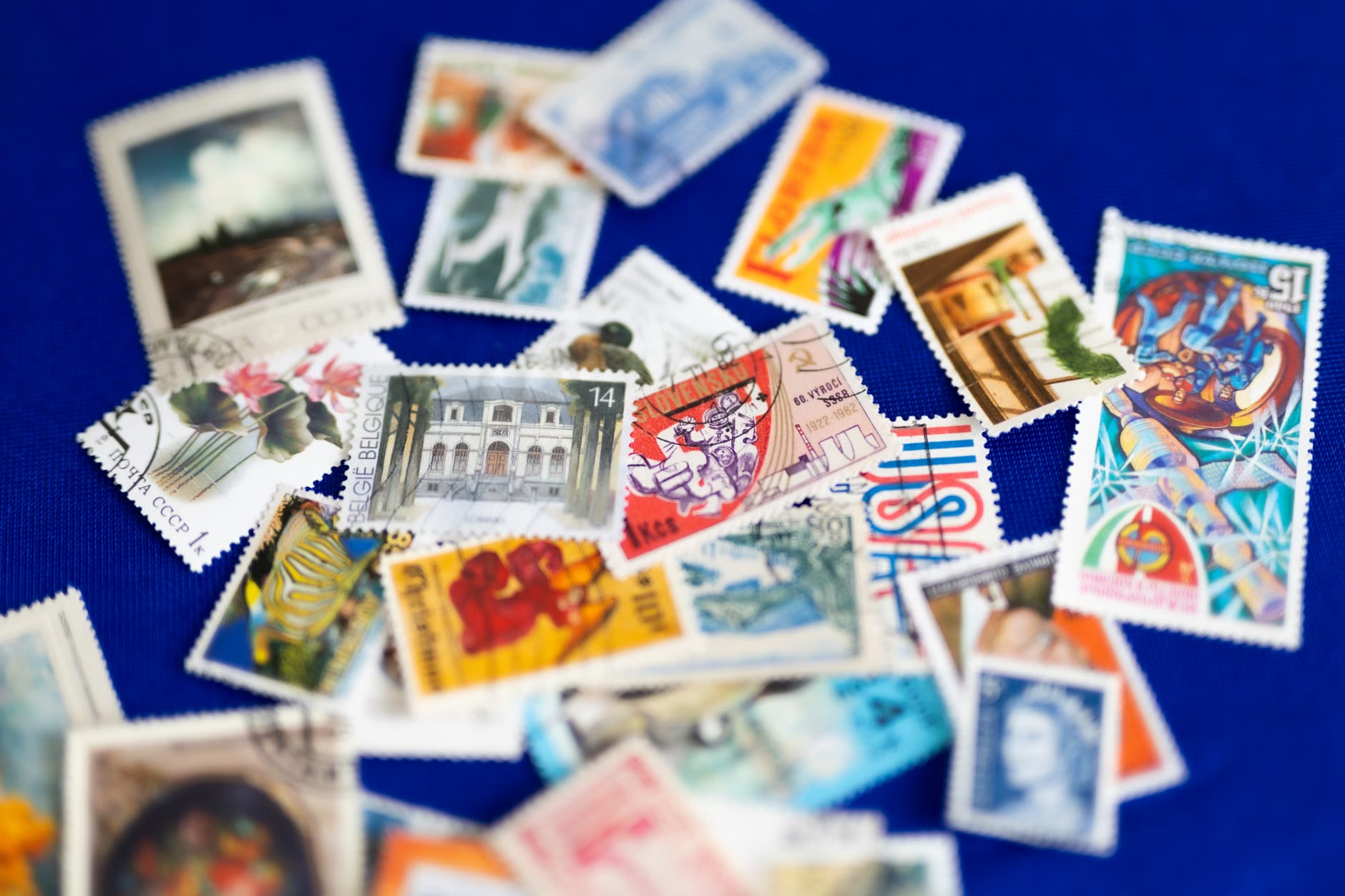
The human brain thrives on novelty and structured complexity. When you engage with stamp collecting, you are not merely looking at small pieces of paper; you are interacting with historical artifacts that require specific cognitive processes to decode.
1. Enhancing Fine Motor Skills and Coordination
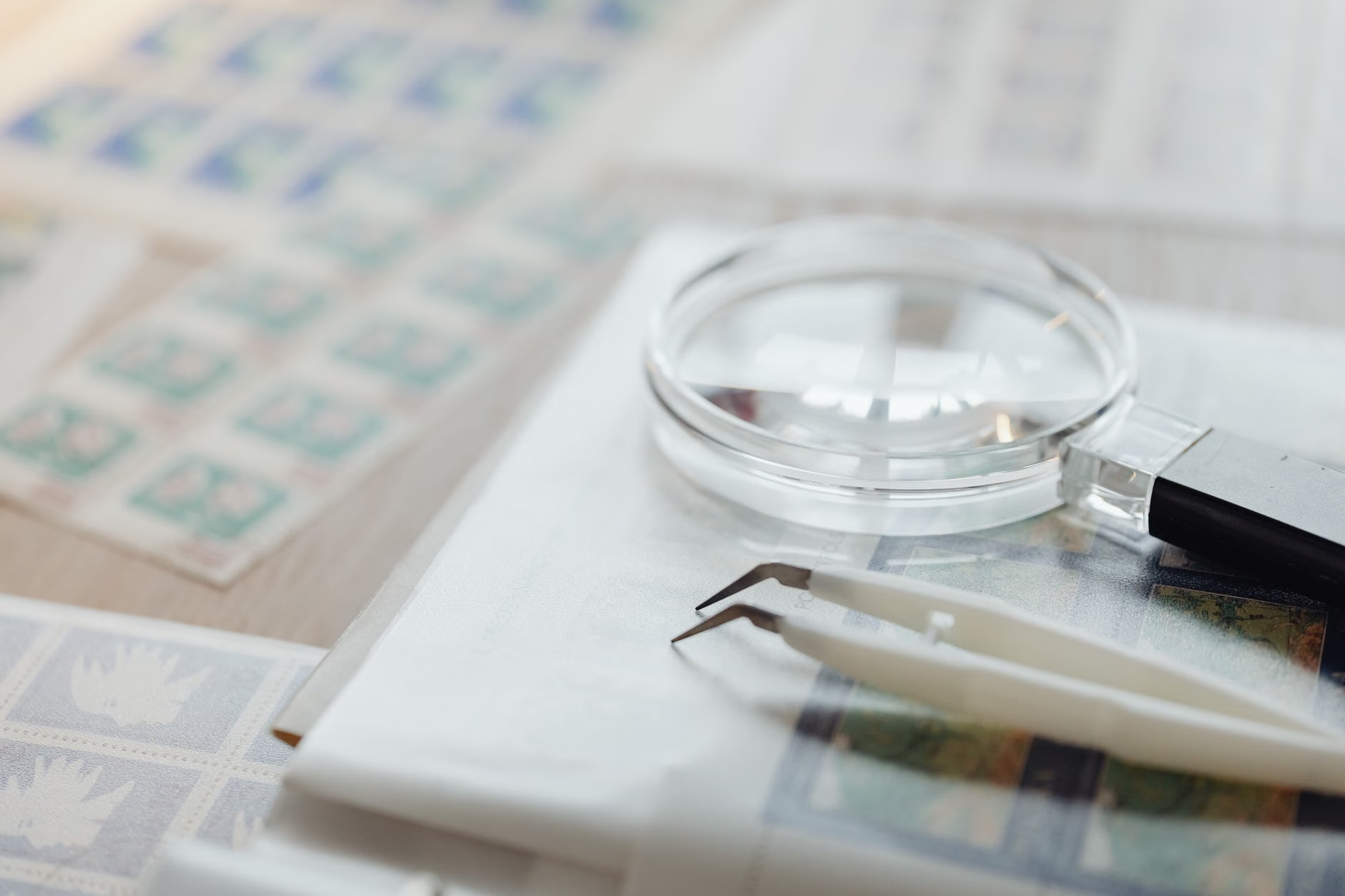
Handling stamps requires precision. Using stamp tweezers (tongs) to grasp delicate edges and placing them into mounts requires fine motor control and hand-eye coordination. This repetitive, precise movement is an excellent way to maintain dexterity in the fingers, which can often stiffen with age. By focusing on the physical placement of stamps, you engage the cerebellum, the part of the brain responsible for refined movement.
2. Strengthening Memory and Pattern Recognition
A stamp is a dense source of information. It contains dates, national symbols, portraits of historical figures, and varied printing techniques. When you organize a collection, you are constantly exercising your working memory. For example, sorting stamps by the decade of their issuance or by the country of origin requires you to retrieve and apply knowledge, effectively acting as a form of “mental gymnastics.”
3. The “Flow” State and Stress Reduction
Psychologists often describe the “flow” state—a mental condition where a person is fully immersed in an activity—as a primary driver of happiness. Stamp collecting induces this state easily. Because the hobby is self-paced and free from external deadlines, it lowers cortisol levels. This creates a calm, focused environment that allows the mind to rest from the stressors of daily life while remaining actively engaged.
Getting Started: A Practical Framework for Beginners
One of the most common misconceptions about philately is that it requires a large budget. In reality, the most intellectually rewarding collections are built on curiosity, not capital. You can start with a modest investment and scale up only if and when you choose.
| Tool | Purpose | Importance for Seniors |
|---|---|---|
| Stamp Tongs | Prevent skin oils from damaging stamps. | Ensures longevity of the item and improves grip precision. |
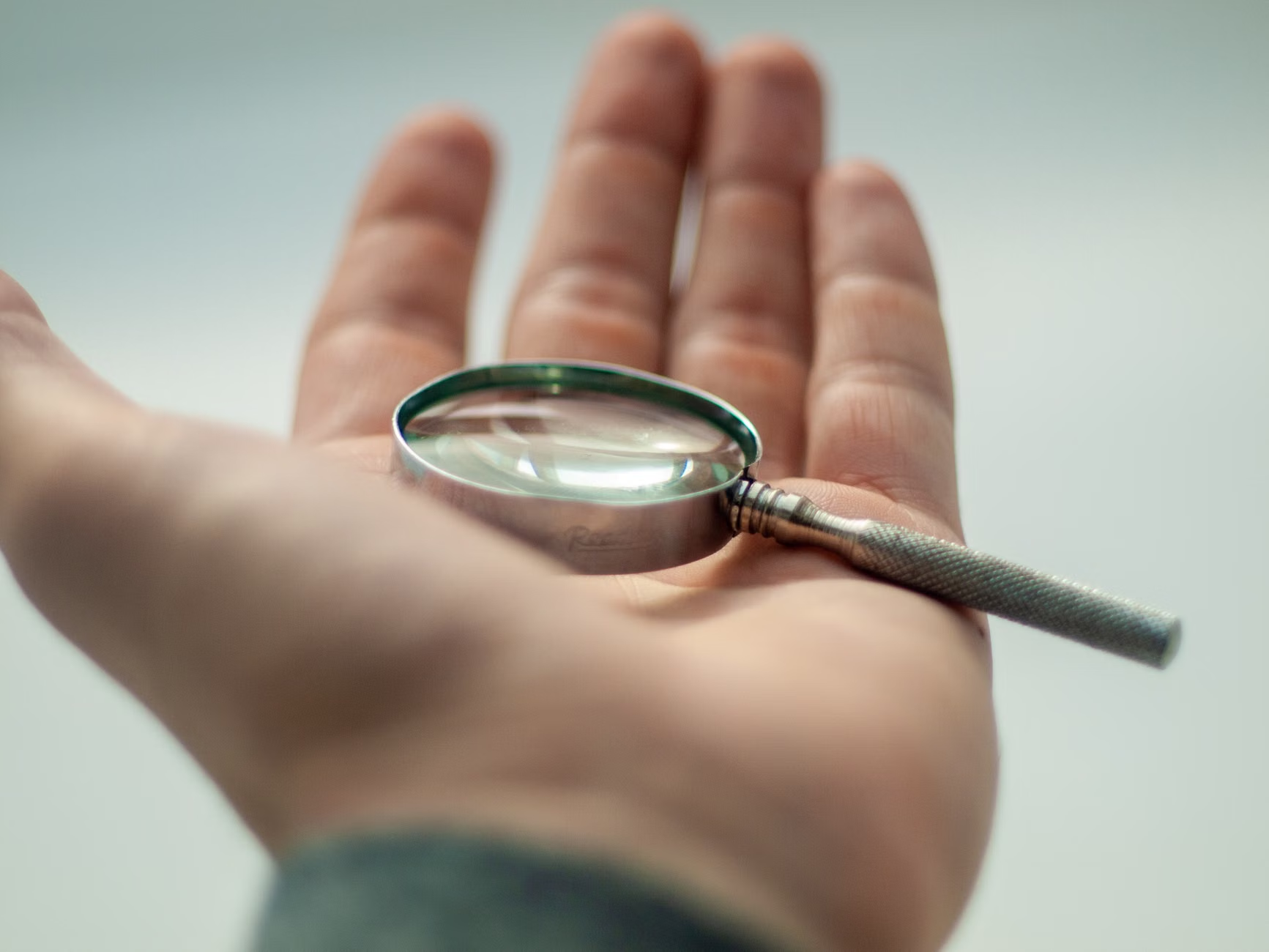
| Magnifying Glass | Examines printing details and watermarks. | Reduces eye strain; essential for detailed visual inspection. |
| Stock Book | Organizes and protects stamps. | Provides structural organization, aiding mental clarity. |
| Perforation Gauge | Measures the size of stamp teeth. | Introduces scientific measurement and precision to the hobby. |
Practical Decision Rule: If you are just starting, do not purchase expensive individual stamps. Instead, acquire a “mixture” or a “kiloware” batch from a reputable dealer. These are large quantities of unsorted, common stamps. Sorting through these provides hours of engagement and allows you to discover your specific interests—whether that be birds, space travel, national leaders, or architectural landmarks—without high financial risk.
As you delve deeper, you may encounter the temptation to treat stamps as financial assets. It is important to approach this with caution. While some stamps hold value, the primary goal for most amateurs should be the joy of the collection rather than investment gains.
Avoiding Common Pitfalls
- Overspending on “Rare” Items: Beginners often overpay for stamps marketed as “rare” or “valuable” on non-specialized auction sites. Always cross-reference with catalog databases like Scott or Stanley Gibbons before making significant purchases.
- Ignoring Environmental Factors: Humidity and direct sunlight are the enemies of paper. Store your collection in a climate-controlled room, away from direct windows. Using archival-quality materials (acid-free mounts) is not just a suggestion; it is a necessity to prevent the degradation of your collection.
- The “Complete Set” Trap: Attempting to complete a set perfectly can sometimes become a source of frustration rather than pleasure. Allow your collection to be organic. If you cannot find a specific stamp, enjoy the search process rather than viewing the gap as a failure.
The Role of Research
The true joy of the hobby lies in the research. If you find a stamp from a country that no longer exists, such as the former Yugoslavia or the British colonies of the 19th century, take the time to read about that region’s history. This turns a hobby into a lifelong learning project. The internet provides vast resources, such as the American Philatelic Society, which offers guides for beginners that are accessible and reliable.
Integrating the Hobby into Your Daily Routine
To ensure that stamp collecting remains a positive, sustainable activity, it should be integrated into your life in a way that respects your physical needs and energy levels.
1. Designing Your Workspace
Ensure your desk is at a comfortable height. Good lighting is critical—use a high-quality LED desk lamp that provides cool, bright light to minimize eye strain. If you have limited mobility in your hands, consider using a larger magnifying glass on a stand so you don’t have to hold it while working.
2. Pacing and Duration
Treat your hobby as a scheduled appointment. Even 30 minutes of sorting or cataloging a day is more effective than a four-hour session once a month. This consistency helps build a habit, which is essential for cognitive maintenance. If you feel tired or your eyes become strained, stop. The stamps will be there tomorrow; the goal is to enjoy the process, not to reach a finish line.
3. Social Connections
If you enjoy sharing your findings, consider joining a local philatelic club. Many clubs offer hybrid meetings or online forums. This provides a social outlet where you can discuss history, trade duplicates, and learn from others. If you prefer to stay home, there are numerous online communities where you can post images of your “mystery” stamps and ask for help identifying them.
Beyond the Paper: The Emotional and Cognitive Rewards
The act of collecting is inherently forward-looking. It requires you to plan, to anticipate, and to organize. When you look at an album, you are looking at a curated history of the world through your own eyes. This provides a sense of continuity that is deeply reassuring.
Furthermore, the hobby encourages “mindful observation.” In a world where we are constantly bombarded with digital stimuli, the act of slowing down to observe the intricate engraving on a 1950s postage stamp forces the brain to shift from “autopilot” to “active engagement.” This shift is fundamental to preserving cognitive plasticity.
The “Unseen” Benefit: Developing Digital Literacy
As you research your stamps, you will likely find yourself using online catalogs, digital databases, and perhaps even engaging with forums. This is a subtle but powerful way to maintain and enhance your digital literacy. Learning how to navigate a specialized website or upload an image to an online forum keeps your digital skills sharp in a low-pressure, high-interest context.
Conclusion: A Hobby for a Lifetime
Stamp collecting is a hobby that grows with you. It is as simple or as complex as you want it to be. Whether you are sorting through a box of stamps from your childhood or starting a new collection focused on a specific theme, you are engaging in an activity that honors your curiosity and protects your cognitive vitality.
Remember, there is no “right” way to collect. Your collection is a reflection of your personality, your history, and your interests. By focusing on the joy of discovery and the satisfaction of careful organization, you transform a simple hobby into a powerful tool for maintaining a sharp, active, and engaged mind. Start small, stay curious, and enjoy the quiet, intellectual rewards that every new stamp brings to your collection.
Frequently Asked Questions
1. Is stamp collecting too expensive for someone on a fixed income?
Not at all. While rare stamps can cost thousands, the vast majority of stamps available to collectors are very affordable. You can start with “kiloware” or common stamps for just a few dollars. The value of the hobby is in the research, organization, and enjoyment of the imagery, not in the market price of the items themselves.
2. I have some vision difficulties. Can I still enjoy this hobby?
Yes. Many collectors use high-powered magnifying lamps that sit on a desk, which significantly reduces the need to hold a glass close to the eye. Additionally, digital scanners can take high-resolution images of stamps, allowing you to view them on a large computer or tablet screen where you can zoom in to see the smallest details.
3. What should I do if I inherit a large collection of stamps?
If you inherit a collection, do not rush to sell it. Take your time to catalog what is there. Use a general guide like the Scott Specialized Catalogue to understand the basics. If you are overwhelmed, reach out to a local stamp club. Members are often happy to help novices identify what they have, and they can provide guidance on whether any items require professional appraisal. Always prioritize the history and the stories behind the stamps before considering their monetary value.
Disclaimer: This article is for informational purposes and does not provide financial or medical advice. Please consult with appropriate professionals for valuation of collections or if you have concerns regarding vision or cognitive health.