- Molybdenum is an essential trace mineral that acts as a cofactor for four critical enzymes involved in breaking down sulfites and metabolizing amino acids.
- Most adults obtain sufficient molybdenum through a balanced diet of legumes, grains, and nuts; deficiency is extremely rare in healthy individuals.
- Focus on diverse food sources rather than supplementation, as excessive intake can interfere with copper absorption and lead to adverse health outcomes.
Understanding Molybdenum: The Unsung Hero of Metabolism
In the expansive world of nutrition, minerals like calcium, iron, and magnesium often take center stage. However, there is a quiet, essential player that operates behind the scenes of our metabolic machinery: molybdenum. While you may not hear it mentioned in daily health headlines, this trace mineral is indispensable for the proper functioning of enzymes that keep our bodies running smoothly as we age.
Molybdenum is a transition metal that exists in the body in minute quantities. Despite its small presence, it serves as a necessary “cofactor”—essentially a chemical key—that allows specific enzymes to perform their work. Without it, the body would struggle to process sulfur-containing amino acids and neutralize toxic byproducts, such as sulfites, which are found in various foods and beverages.
For adults aged 60 to 80, understanding the role of trace minerals like molybdenum is part of a proactive approach to long-term health. It is not about chasing “superfoods” or expensive supplements, but rather about ensuring the body has the fundamental building blocks required for cellular maintenance and metabolic stability.
The Biological Role: Why Molybdenum Matters
To understand why we need molybdenum, we must look at what it does inside our cells. It is primarily responsible for the activation of four specific enzymes. These enzymes are vital for the breakdown of substances that, if left to accumulate, could cause systemic stress.
1. Sulfite Oxidase: The Detoxification Specialist
The most critical role of molybdenum is its function within the enzyme sulfite oxidase. This enzyme is responsible for converting sulfites into sulfates. Sulfites are naturally occurring compounds, but they are also commonly found as preservatives in wine, dried fruits, and processed deli meats. If the body lacks the ability to process these sulfites efficiently, it can lead to sensitivity reactions. For seniors, whose metabolic efficiency may naturally decline, supporting these enzymatic pathways through consistent, moderate intake is a prudent habit.
2. Xanthine Oxidase: Managing Purines
Xanthine oxidase is the enzyme responsible for breaking down purines—compounds found in many foods, including red meats, organ meats, and certain types of fish. The end product of this process is uric acid, which is then excreted by the kidneys. While the body needs this process to function, it is also a delicate balance; managing this pathway is essential for general metabolic health.
3. Aldehyde Oxidase: Neutralizing Toxins
Aldehyde oxidase works to break down various aldehydes, which can be formed during the metabolism of certain medications or the consumption of alcohol. By supporting the function of this enzyme, molybdenum helps the liver maintain its detoxification processes, a key aspect of aging gracefully.
Assessing Your Dietary Intake: Where to Find Molybdenum
Because molybdenum is a trace mineral, you only need very small amounts to satisfy your body’s requirements. Unlike some vitamins that are easily depleted, molybdenum is widely available in plant-based foods. Most health organizations, including the National Institutes of Health (NIH), suggest an Adequate Intake (AI) for adults of approximately 45 micrograms (mcg) per day.
The beauty of molybdenum is that it is found in many common, affordable, and shelf-stable staples. If you are already consuming a diet rich in whole foods, you are likely meeting your needs without even thinking about it.
Primary Dietary Sources
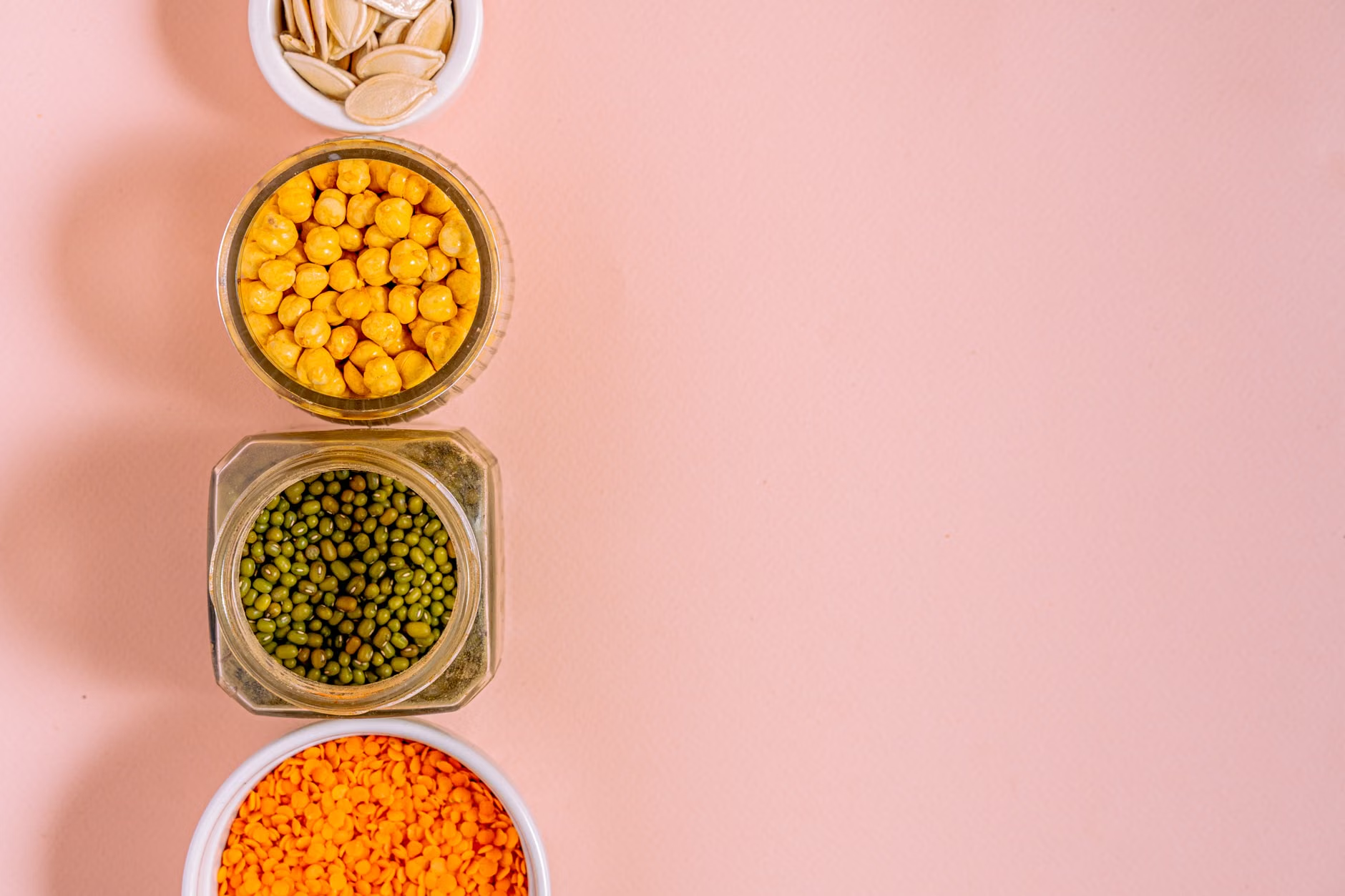
- Legumes: Lentils, chickpeas, black beans, and kidney beans are among the most concentrated sources of molybdenum.
- Whole Grains: Barley, oats, and brown rice provide a consistent intake when consumed as part of a balanced diet.
- Nuts and Seeds: Almonds, walnuts, and sunflower seeds are excellent snacks that contribute to your daily mineral profile.
- Leafy Greens: Spinach and kale provide not only vitamins and fiber but also trace amounts of molybdenum.
Consider the following table to help visualize how simple it is to reach the daily target:
| Food Item | Approximate Serving Size | Molybdenum Contribution |
|---|---|---|
| Lentils (cooked) | 1/2 cup | ~100 mcg |
| Black Beans (cooked) | 1/2 cup | ~70 mcg |
| Oatmeal (cooked) | 1 cup | ~30 mcg |
| Almonds | 1 ounce | ~15 mcg |
Note: Values are estimates based on standard nutritional databases; bioavailability can vary based on soil quality where the crops were grown.
The Risks of Over-Supplementation: Why Natural Sources Are Superior
In the senior health community, there is often a temptation to believe that if a little is good, more must be better. Regarding molybdenum, this is a dangerous misconception. Because it is a trace mineral, the body’s tolerance for high doses is relatively low.
The “Copper Conflict” is a critical insight: High intake of molybdenum—typically through excessive supplementation rather than food—can interfere with the body’s ability to absorb copper. Copper is an essential mineral for iron metabolism, neurological health, and the formation of connective tissue. A deficiency in copper, induced by excessive molybdenum, can lead to anemia and neurological symptoms that are often misdiagnosed in older adults.
Unless a specific medical condition is diagnosed by a physician that requires therapeutic molybdenum, avoid high-dose supplements. The most effective and safest strategy is to diversify your plate with whole foods. By eating a variety of legumes, grains, and nuts, you naturally regulate your intake and avoid the risks associated with concentrated, synthetic doses.
Practical Steps for Integrating Molybdenum into Daily Life
Maintaining metabolic health does not require complex protocols. It requires consistency. For the 60-to-80 age group, the focus should be on “kitchen-based prevention”—making small, sustainable adjustments to daily meals that support enzymatic function.
Step 1: The “Legume-a-Day” Habit
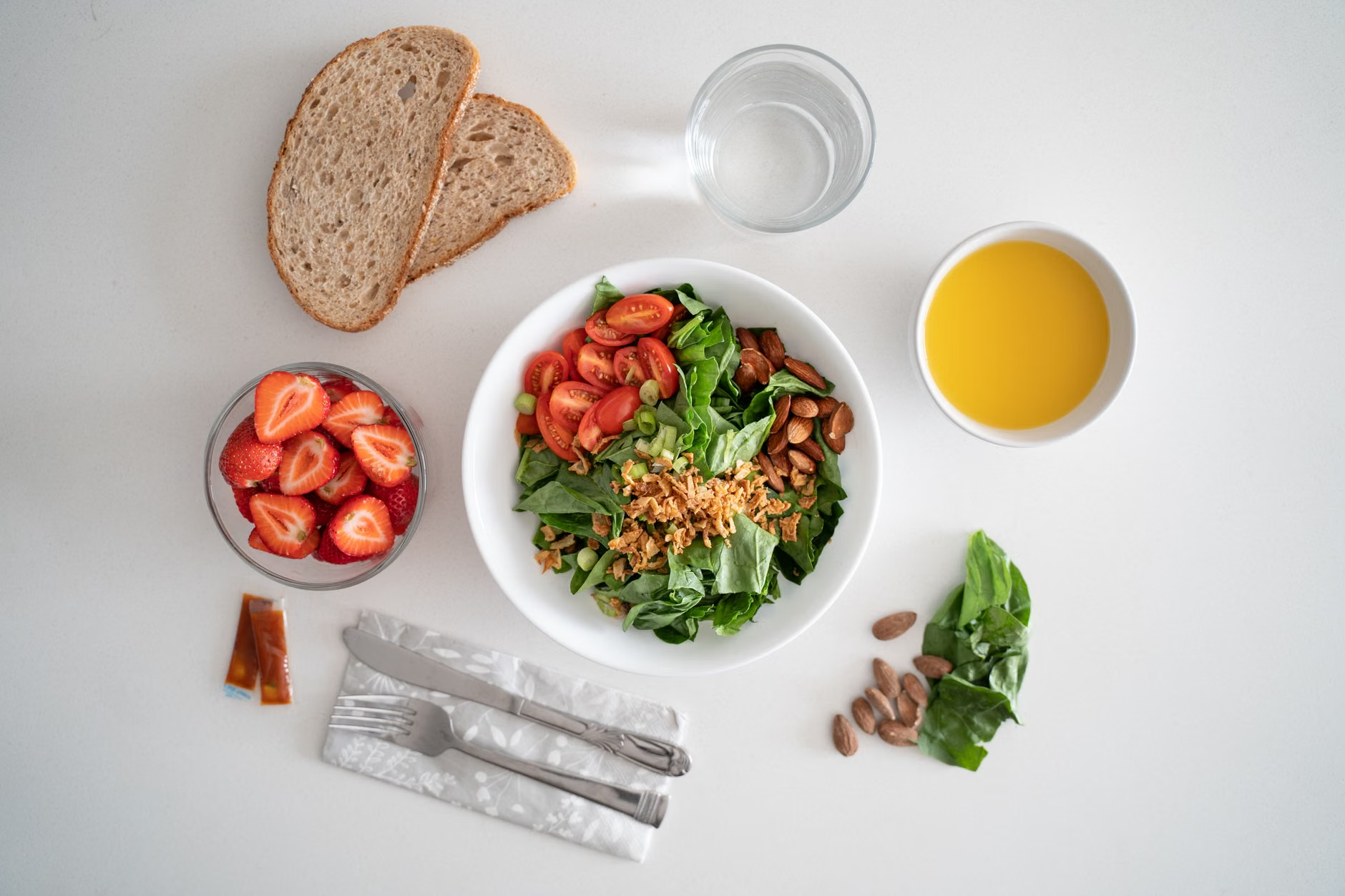
Legumes are arguably the most efficient way to maintain healthy molybdenum levels. If you are not accustomed to eating beans, start slowly to allow your digestive system to adjust to the increased fiber. Adding a quarter-cup of cooked chickpeas to a salad or blending black beans into a soup is an easy way to incorporate them without significant effort.
Step 2: Diversify Your Grain Intake
Many seniors rely heavily on white rice or refined wheat bread. By substituting even two meals a week with barley, quinoa, or steel-cut oats, you significantly increase your intake of trace minerals. These grains are also excellent for blood sugar management, providing a “double benefit” for metabolic stability.
Step 3: Read Labels for Sulfites
If you find that you have a sensitivity to certain processed foods, it may be related to your body’s sulfite processing. While we cannot change our genetics, we can reduce the “sulfite load” on our metabolic enzymes. Look for labels on dried fruits or wine that specify “no added sulfites.” This reduces the work your molybdenum-dependent enzymes need to do, allowing them to focus on other essential tasks.
When to Consult a Professional
While molybdenum-related health issues are rare, there are specific scenarios where a conversation with a primary care physician or a registered dietitian is warranted. If you are experiencing unexplained fatigue, persistent digestive discomfort, or if you are on a highly restrictive diet (such as a very low-protein diet), it is worth discussing your nutritional status.
When you prepare for an appointment, bring a 3-day food diary. This allows your healthcare provider to see whether your diet is truly lacking or if other factors are contributing to your symptoms. Do not assume that a symptom is “just part of getting older.” Always ask: “Could this be related to my nutritional intake or a metabolic imbalance?”

The Broader Context: Minerals and Metabolic Aging
Aging is a process of cumulative metabolic change. Our enzymes, which once worked at peak efficiency, may require more support or, at the very least, a more consistent environment to function optimally. Molybdenum is but one piece of this puzzle. It works in tandem with other trace minerals like selenium, zinc, and copper to maintain cellular integrity.
An overlooked variable in senior nutrition is the impact of medication on nutrient absorption. Many common medications, such as those for blood pressure or acid reflux, can alter the gut environment, potentially affecting how minerals are absorbed. This is why a “food-first” approach is consistently superior to supplementation; food provides minerals in a complex matrix that the body is evolved to process, whereas supplements can sometimes disrupt the delicate balance of the digestive tract.
Conclusion: A Sustainable Approach to Wellness
The goal of preventive health at age 60 and beyond is to provide the body with the tools it needs to maintain homeostasis. Molybdenum, while small in its requirement, is essential for the detoxification and metabolic pathways that support our daily vitality. By choosing a diet rich in legumes, whole grains, and nuts, you are not just “eating well”—you are providing the foundational support your enzymes need to protect your cellular health.
Remember: Focus on variety, avoid the trap of high-dose supplementation, and listen to your body. Nutrition is a lifelong habit, not a quick fix. By making these minor adjustments, you ensure that your metabolic systems remain robust, allowing you to enjoy your later years with energy and clarity.
Frequently Asked Questions
1. Can I get too much molybdenum from my diet?
It is extremely difficult to reach toxic levels of molybdenum through food alone. Toxicity is almost exclusively associated with the misuse of high-dose dietary supplements. If you eat a varied diet including beans, grains, and greens, you are in the safe zone.
2. Does cooking destroy the molybdenum content in food?
Molybdenum is a mineral, not a vitamin. Minerals are heat-stable, meaning they do not break down during standard cooking processes like boiling, steaming, or roasting. In fact, cooking legumes is necessary to make them digestible and to reduce “anti-nutrients” that might otherwise interfere with mineral absorption.
3. Are there specific symptoms of molybdenum deficiency?
Molybdenum deficiency is exceptionally rare in healthy adults. In medical literature, it has primarily been observed in individuals receiving long-term total parenteral nutrition (intravenous feeding) without adequate mineral supplementation. Symptoms in such extreme cases can include rapid heart rate, headache, and mental confusion, but these are not common in the general population.
Disclaimer: This article is for informational purposes only and does not constitute medical advice, diagnosis, or treatment. Always seek the advice of your physician or other qualified health provider with any questions you may have regarding a medical condition or dietary changes.
Sources and Further Reading:
- National Institutes of Health (NIH) Office of Dietary Supplements: Molybdenum Fact Sheet for Consumers
- Institute of Medicine (US) Panel on Micronutrients: Dietary Reference Intakes for Vitamin A, Vitamin K, Arsenic, Boron, Chromium, Copper, Iodine, Iron, Manganese, Molybdenum, Nickel, Silicon, Vanadium, and Zinc