Maintaining fine motor control—the ability to make precise movements with the small muscles of the hands and fingers—is essential for preserving independence in daily tasks like buttoning shirts, writing, preparing meals, or using digital devices. Seated finger-flicks are a low-impact, accessible preventive exercise designed to keep the joints of the hands mobile and the neural pathways between your brain and fingers sharp.
Key Takeaways
- Consistency over Intensity: Fine motor maintenance is most effective when performed as a daily, low-repetition habit rather than a sporadic, high-intensity workout.
- Neurological Engagement: Focusing your full attention on the specific movement of each finger enhances the neural feedback loop, which is as important as the physical movement itself.
- Warning Signs: Persistent pain, numbness, or sudden loss of grip strength are not normal parts of aging and should be evaluated by a healthcare professional to rule out conditions like arthritis or nerve compression.
Understanding Fine Motor Function in Later Adulthood
Fine motor skills rely on a complex interaction between the brain’s motor cortex, the peripheral nervous system, and the musculoskeletal structure of the hands. As we reach our 60s and beyond, natural changes in connective tissue, potential reduction in joint lubrication, and subtle shifts in nerve conduction velocity can make these movements feel less fluid than they were in our younger years.
However, the concept of “use it or lose it” is particularly relevant here. By engaging in targeted, low-stress movements like finger-flicks, you encourage the body to maintain the range of motion in the metacarpophalangeal (knuckle) and interphalangeal (finger) joints. Furthermore, you are stimulating the sensory receptors in your fingertips, which helps maintain the “proprioception”—or the body’s ability to sense its position in space—that is vital for delicate work.
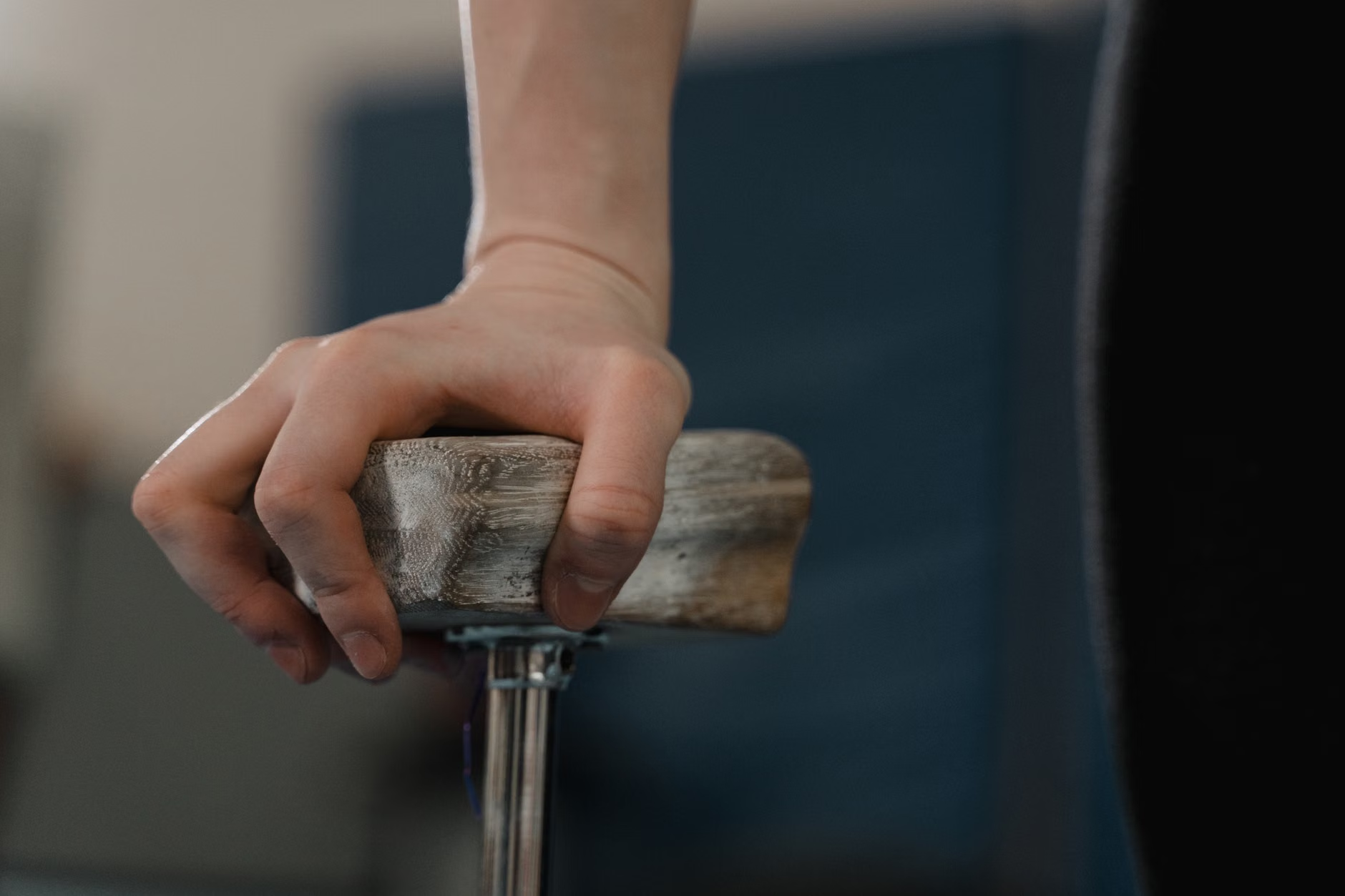
The Anatomy of a Finger-Flick Exercise
A “finger-flick” is not a snap that requires excessive force. Instead, it is a controlled, rhythmic movement that moves a finger through its full range of motion. The goal is to isolate the movement to a single finger while keeping the rest of the hand relaxed.
Step-by-Step Execution
- Preparation: Sit in a chair with your feet flat on the floor and your back supported. Rest your forearm on a table or your lap, palm facing down.
- Isolation: Keep your hand mostly relaxed. Gently curl your fingers slightly toward the palm without making a tight fist.
- The Flick: Choose one finger, for example, the index finger. Extend it fully, then “flick” it back into a slightly curled position using a fluid, controlled motion. Focus on the movement originating from the base knuckle.
- Repetition: Repeat the motion 5 to 10 times for each finger, including the thumb.
- Integration: Once you have completed individual fingers, try a “piano-playing” motion, where you tap your fingers sequentially on the table surface.
Common Mistake: Many people tense their entire shoulder and forearm while trying to isolate their fingers. If you feel tension in your neck or wrist, stop, take a deep breath, and lower your shoulders. The exercise should be effortless and fluid.
Integrating Dexterity Maintenance into Daily Life
To make this a sustainable habit, it is best to anchor it to an existing part of your routine. For instance, perform your finger-flicks while waiting for your morning coffee to brew or while listening to the radio. Because these exercises require no equipment and are highly discreet, they can be done anywhere.
Daily Maintenance Checklist
| Activity | Duration/Frequency | Primary Benefit |
|---|---|---|
| Finger-Flicks | 2 sets of 10 per finger | Joint mobility and isolated muscle control |
| Thumb Opposition | Touch thumb to each fingertip | Grip strength and precision |
| Wrist Circles | 5 clockwise, 5 counter-clockwise | Reducing forearm tension |
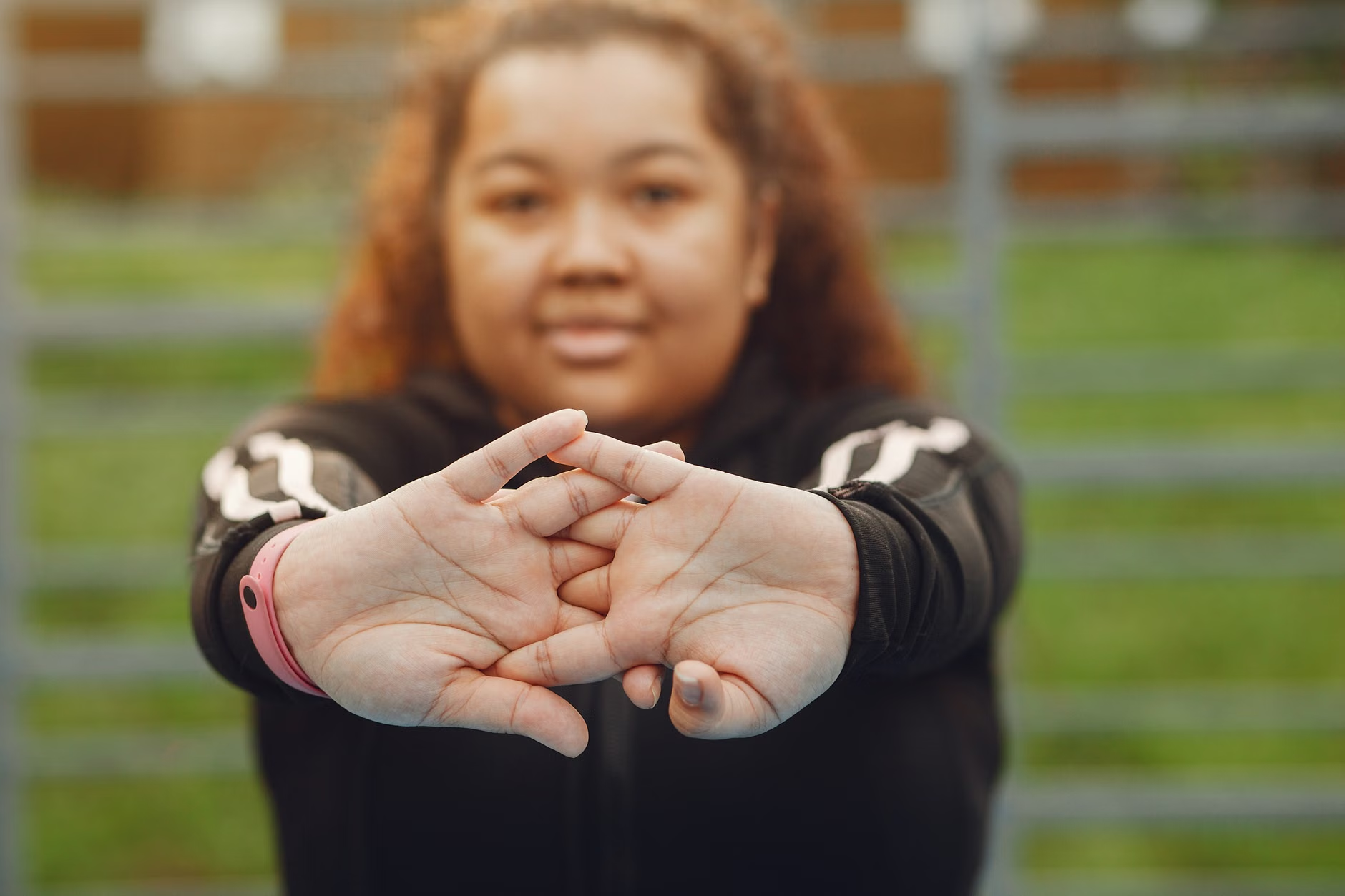
Distinguishing Normal Aging from Medical Concerns
It is important to understand when your hand health requires professional intervention. While minor stiffness in the morning is common, there are specific symptoms that signal the need for a consultation with a physical therapist or a primary care physician.
When to Seek Professional Advice
- Sharp or Shooting Pain: If a specific exercise causes sharp, localized pain, discontinue it immediately and consult a professional.
- Persistent Numbness or Tingling: This may indicate nerve entrapment, such as Carpal Tunnel Syndrome, which requires a specific medical approach rather than general exercises.
- Visible Deformity or Swelling: Any new, unexplained swelling or change in the alignment of your finger joints should be evaluated, as it could indicate inflammatory conditions like rheumatoid arthritis or osteoarthritis.
When you prepare for a medical appointment regarding hand function, bring a simple list: record the times of day when your hands feel most stiff, note any specific activities (like opening jars or typing) that have become difficult, and list any medications you are currently taking that might affect your joints or nerves.
The Role of Sensory Stimulation
Beyond physical movement, the brain benefits from tactile variety. Fine motor maintenance is not just about moving muscles; it is about keeping the sensory feedback loop active. Engaging in hobbies that require different textures and resistance levels is a powerful complement to seated exercises.
For example, working with modeling clay, sorting different types of buttons, or even playing a card game involves complex, non-repetitive finger movements. These activities force the brain to coordinate movements in real-time, which is a much more complex task than a simple repetitive exercise. By combining the structured “finger-flick” routine with varied tactile hobbies, you create a comprehensive approach to hand health.
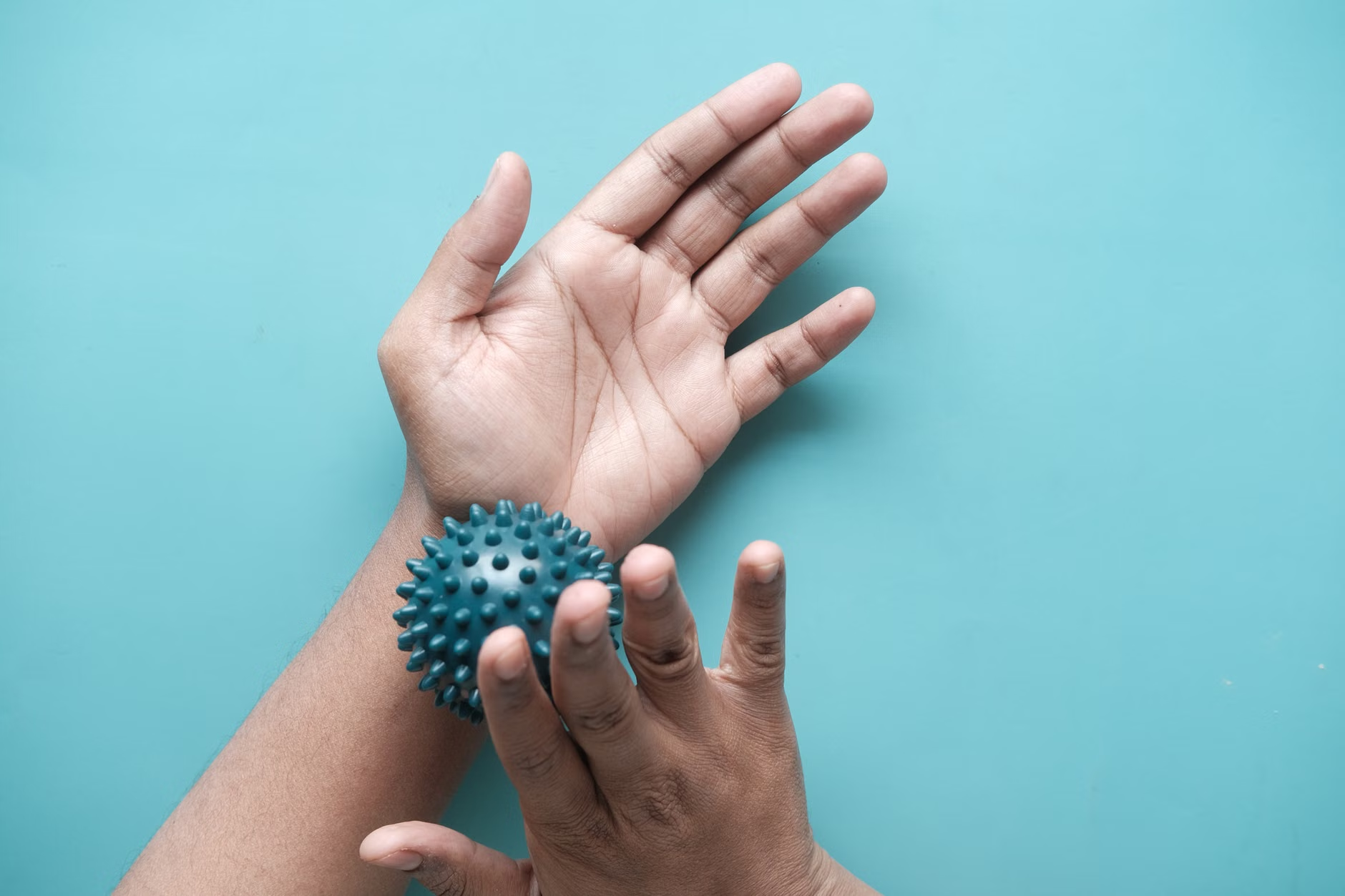
Addressing Common Misconceptions
There is a widespread belief that “more is better” when it comes to exercise. In the context of the small muscles of the hand, this is often incorrect. Over-exercising can lead to tendonitis or muscle fatigue, which is counterproductive. The focus should be on quality of movement. If you are doing 50 flicks a day but doing them with high tension and poor form, you are less likely to see improvement than if you perform 10 high-quality, relaxed repetitions.
Another misconception is that hand exercises are only for people who already have symptoms. On the contrary, these movements are most effective when started as a preventive measure before any significant loss of dexterity occurs. By maintaining the status quo, you are effectively “banking” your motor function for the future.
Environmental Factors and Ergonomics
Your environment plays a significant role in how your hands age. If you spend significant time on a computer or using a smartphone, your hand position is likely static for long periods. This static tension can shorten the flexor tendons in your forearm, leading to stiffness.
Ensure that your workstation is ergonomically sound. Your wrists should ideally be in a neutral position—not bent upward or downward—when using a keyboard. If you find yourself gripping your smartphone tightly, try using a stand or a pop-socket to reduce the amount of muscular effort required to hold the device. Simple environmental adjustments often do as much for your hand health as the exercises themselves.
Long-term Perspective on Hand Maintenance
As we navigate our 60s, 70s, and beyond, the goal of any health regimen should be to maximize our ability to interact with the world around us. Fine motor skills are the gateway to our hobbies, our digital connections, and our daily personal care. By dedicating just a few minutes a day to conscious, seated finger-flicks, you are investing in the longevity of these essential tools.
Remember that progress is often slow and subtle. You may not notice a dramatic change in a week, but over months, the cumulative effect of consistent, mindful movement will manifest as greater ease in your daily tasks. Stay patient, focus on the sensation of movement, and listen to your body’s signals.
Frequently Asked Questions
1. Should I use weights or resistance bands for my finger exercises?
For preventive maintenance, resistance is generally not required. The goal is to maintain range of motion and neural connection. If you are recovering from an injury, only use resistance under the direct guidance of a physical therapist, as improper resistance can strain the delicate tendons in the hand.
2. Can I perform these exercises if I have arthritis?
Many individuals with arthritis find that gentle movement helps reduce stiffness. However, it is essential to avoid movements that cause pain. If you have been diagnosed with arthritis, consult your rheumatologist or a hand therapist to develop a routine that is safe for your specific joint condition.
3. How long does it take to see results?
Consistency is key. While you may feel a temporary reduction in stiffness immediately after a session, noticeable improvements in overall dexterity usually take 4 to 8 weeks of consistent daily practice. Focus on the habit rather than the immediate outcome.
Disclaimer: This article provides general information for educational purposes and is not a substitute for professional medical advice, diagnosis, or treatment. Always seek the advice of your physician or other qualified health provider with any questions you may have regarding a medical condition.
For further reading on maintaining independence through physical activity, you can consult resources such as the National Institute on Aging, which offers evidence-based guidance on safe movement and exercise for older adults.