- Ergonomics as Standard: New 2026 furniture mandates prioritize seat height (18-20 inches) and firm armrests to facilitate safer sitting and standing transitions.
- Spatial Autonomy: Modern library floor plans now incorporate “navigation zones” that ensure wheelchairs and walkers have clear, unobstructed paths to all seating areas.
- Advocacy for Access: As a user, you have the right to request specific seating accommodations; libraries are increasingly adopting “Universal Design” policies to ensure no patron is excluded due to mobility limitations.
Public libraries are undergoing a quiet, essential revolution. By 2026, the focus of library architecture and interior design has shifted from purely aesthetic appeal to “age-inclusive functionality.” For adults aged 60 to 80, this means that the simple act of visiting the library—finding a comfortable place to read, research, or socialize—is becoming safer, more accessible, and significantly more dignified.
This shift is not merely about adding a few cushioned chairs. It represents a systemic change in how public institutions interpret “accessibility” for a rapidly aging global population. This article explores what you can expect from these updated environments and how you can navigate these spaces to maintain your independence and comfort.
The Evolution of Ergonomics: What “Age-Inclusive” Actually Means
In the past, library furniture was often selected for durability or cost, regardless of how difficult it might be for an older adult to rise from a deep, low-slung lounge chair. The 2026 trend moves toward active-support seating. This is not just a marketing term; it refers to specific engineering standards that prioritize physical stability.
What it is: Active-support seating features a seat height that aligns with the knee level of the user (typically 18 to 20 inches from the floor), firm armrests that extend to the edge of the seat, and high-density foam that prevents the user from “sinking” into the furniture.
Why it matters: As we age, our joints—specifically knees and hips—require more support during the transition from sitting to standing. A chair that is too low or too soft requires excessive core and leg strength, increasing the risk of imbalance or strain. By standardizing these dimensions, libraries are reducing the physical barrier to entry for daily visits.
What you can do: When visiting a library, look for the “Universal Design” badge or signage indicating accessible furniture. If you find that the seating in a particular area causes you discomfort, speak to a circulation desk librarian. Most modern municipal library systems now have a “Furniture Feedback” protocol, and they are often actively seeking input from the 60-80 age demographic to justify future procurement budgets.
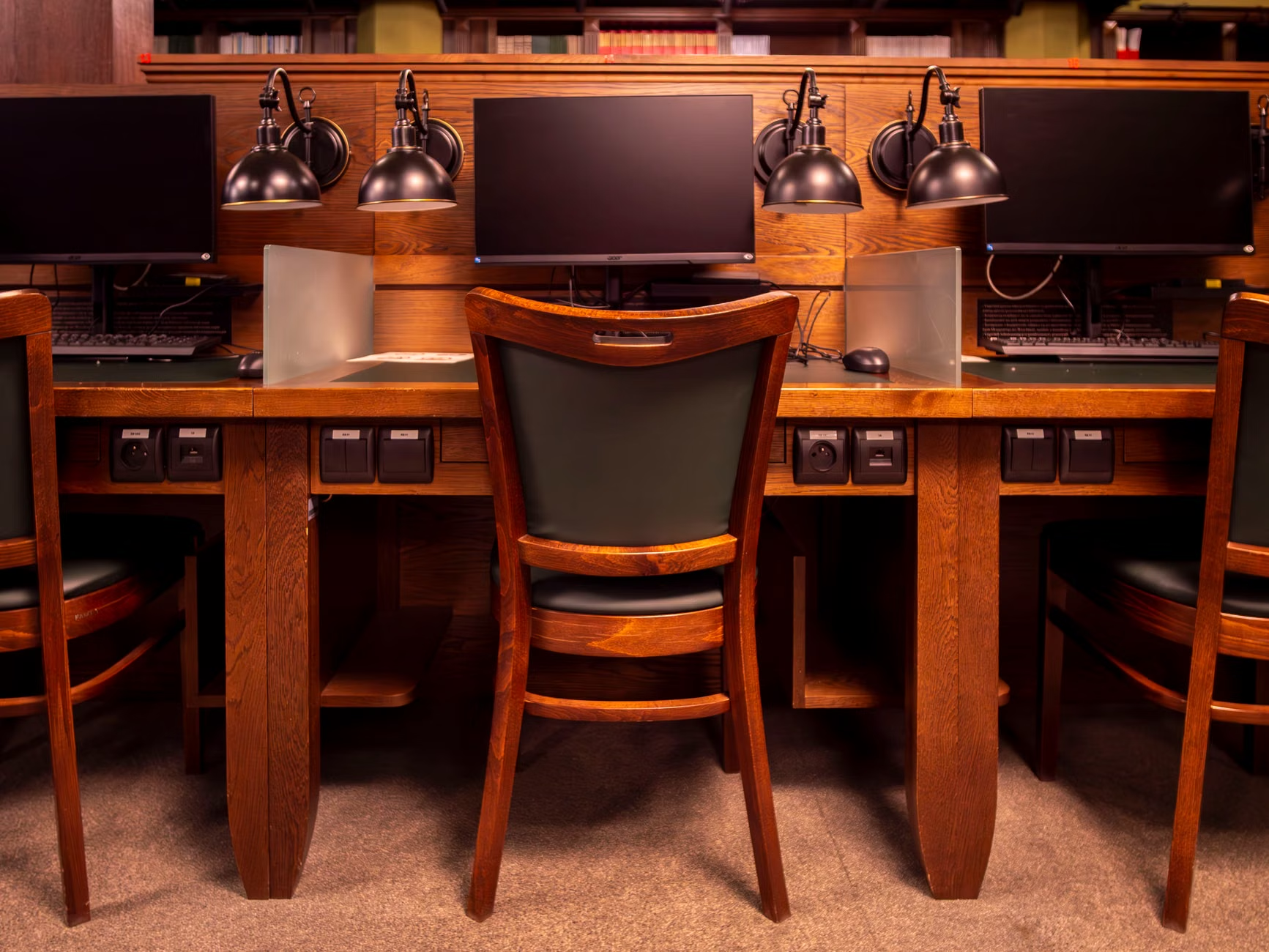
Accessibility in 2026 is not just about the chair; it is about the journey to the chair. Older adults, whether they use mobility aids like canes or walkers, or simply prefer a wider berth for stability, require predictable floor plans. The modern library layout now incorporates “navigation zones.”
The Reality of 2026 Standards:
- High-Contrast Flooring: To accommodate changes in vision, new flooring materials use high-contrast textures and colors to clearly define where a walkway ends and a seating area begins.
- Clearance Metrics: Minimum aisle widths are being standardized at 48 inches (approx. 122 cm) to allow for two people to pass comfortably or for a walker/wheelchair to turn 360 degrees without obstruction.
- Acoustic Zoning: “Quiet zones” are now being paired with “Social zones,” ensuring that those who need to communicate with caregivers or staff can do so without being forced into high-traffic, noisy areas that cause sensory overload.
Common Mistake: Many older adults assume that if a path looks “empty,” it is the best route. However, look for the floor markings. Libraries are increasingly using subtle, non-slip floor tactile indicators (similar to those found at train stations) to guide users toward the most accessible seating areas near power outlets and staff help desks.

Technology Integration and the “Adjustable” Experience
The 2026 library is a hub for digital public services. Whether you are accessing government pension portals, health information, or e-books, the physical setup of these digital stations is critical. The “one-size-fits-all” desk is being replaced by height-adjustable workstations.
How to optimize your setup:
| Feature | What to look for | Benefit |
|---|---|---|
| Adjustable Height | Manual or electronic crank | Reduces neck strain by aligning screen to eye level. |
| Task Lighting | Dimmable LED lamps | Reduces glare on screens, essential for varying light sensitivity. |
| Device Connectivity | Accessible USB/Power ports | Eliminates the need to crawl under desks to find outlets. |
Insight: The most significant, often overlooked variable is the “glare factor.” Many libraries are installing matte-finish surfaces on desks to prevent the reflection of overhead lights. If you find a desk with a glossy surface, try to position your device at a slight angle to minimize reflection, or ask staff if a portable desk lamp is available to provide localized light without the glare.
Current affairs in library management are shifting toward a “co-design” model. In countries like the UK, Canada, and Australia, municipal library boards are increasingly required by law (such as the Equality Act 2010 in the UK or the Americans with Disabilities Act in the US) to provide reasonable accommodations. However, “reasonable” is often defined by what is requested.
Step-by-Step Action for Better Access:
- Identify the Authority: Determine if your library is part of a local council or an independent trust. Local council libraries are subject to public sector equality duties.
- Document the Barrier: If you find a section of the library inaccessible, take a photo or note the specific area (e.g., “The reference desk seating is too low for safe exit”).
- Submit a Formal Request: Use the library’s website to submit a “Facilities Access Request.” By using formal language, you trigger a record that the institution must address.
- Follow Up: Most libraries have a 30-day response window for accessibility inquiries.
It is important to remember that you are a primary stakeholder in these public spaces. Libraries are not just repositories for books; they are essential community infrastructure. When you request a seating adjustment, you are not being “difficult”—you are helping the institution fulfill its mandate to serve all members of the community effectively.
The Hidden Trade-offs of Modern Design
While the trends for 2026 are overwhelmingly positive, there is a hidden trade-off: the “Open Plan” paradox. In an effort to make spaces feel airy and modern, some libraries are removing physical barriers (like partial walls or tall bookshelves) that previously provided a sense of enclosure and acoustic privacy. For some older adults, this can feel exposed or overwhelming.
If you find that an open-plan library feels too chaotic, look for “nook” furniture. These are high-backed chairs or semi-enclosed booths that provide a personal sanctuary within a large, open room. These are specifically designed to mitigate the noise and visual distractions of modern open-plan architecture. Always prioritize these nooks if you are visiting for extended periods of reading or research.
Conclusion: Taking Charge of Your Library Experience
By 2026, the public library is evolving into a space that respects the physical reality of aging rather than ignoring it. From the height of the chair you sit in to the clarity of the signage directing your path, these changes are designed to support your independence. Your role is to remain an active participant—using the resources available, requesting the adjustments you need, and advocating for the standards that keep these spaces accessible for everyone.
The library is your space. Make sure it works for you.
Frequently Asked Questions
1. Can I request that a library change its furniture if I find it unsafe?
Yes. While a library cannot change its entire inventory overnight, they are often required to provide a “reasonable accommodation.” This might include reserving a specific, more accessible chair for you or adjusting the location of a table to better suit your needs. Speak with the head librarian on duty to discuss your requirements.
2. Are there specific legal standards for library seating?
Yes, though they vary by country. In the United States, the ADA (Americans with Disabilities Act) sets standards for accessible furniture. In the UK, the Equality Act requires public services to anticipate the needs of disabled people. Check your local government’s website for the “Public Sector Equality Duty” or equivalent legislation in your jurisdiction.
3. How do I know if a library is truly “age-inclusive”?
Look for three signs: height-adjustable workstations, clear floor markings that indicate safe paths, and staff who are trained in accessibility assistance. If a library has these, they are likely following modern 2026 inclusive design trends.
Official resources for further reading: