- Vitamin E is a potent antioxidant that helps protect skin cells from oxidative stress, a primary factor in age-related skin changes.
- Dietary intake—prioritizing nuts, seeds, and vegetable oils—is superior to supplementation for most seniors, as it ensures better absorption and avoids the risks of excessive dosing.
- Skin health is multifaceted; while Vitamin E is essential, it works best in combination with adequate hydration, UV protection, and a balanced intake of other nutrients like Vitamin C and healthy fats.
As we navigate our 60s, 70s, and beyond, our skin undergoes natural physiological changes. The production of collagen slows, the skin’s barrier function becomes less resilient, and the cumulative effects of decades of sun exposure become more apparent. While no nutrient can “reverse” the aging process, maintaining optimal levels of Vitamin E is a scientifically supported strategy to support skin resilience and protect against environmental damage. This article explores how to integrate Vitamin E into your daily routine effectively and safely.
Understanding Vitamin E: What It Is and Why It Matters
Vitamin E is not a single compound but a group of eight fat-soluble antioxidants—tocopherols and tocotrienols. Its primary role in the human body, specifically regarding the skin, is to act as a shield against oxidative stress.
What is oxidative stress? It is the damage caused by free radicals—unstable molecules produced by UV radiation, pollution, and even our own metabolism. These molecules can break down the structural proteins (collagen and elastin) that keep skin firm and supple. Because Vitamin E is fat-soluble, it integrates into the cell membranes of the skin, where it acts as a “terminator” for free radical chain reactions, essentially neutralizing them before they can cause cellular damage.
For adults aged 60 to 80, the importance of this protection is amplified. As we age, our skin’s natural antioxidant defenses decline. By ensuring a consistent dietary intake of Vitamin E, you provide your body with the raw materials necessary to maintain its structural integrity and support the skin’s natural repair mechanisms.
The Superiority of Food-Based Intake over Supplements
A common misconception is that if a little is good, a lot—usually via a high-dose supplement—must be better. In the case of Vitamin E, this is often incorrect and potentially harmful.
Scientific consensus largely favors obtaining Vitamin E through whole foods. When you consume Vitamin E in food, it arrives in a complex matrix of other nutrients, fiber, and healthy fats that optimize its absorption. Supplements, particularly those containing synthetic Vitamin E (often labeled as dl-alpha-tocopherol), do not always offer the same biological activity as the natural forms found in food.
The Risks of Over-Supplementation
Unlike water-soluble vitamins (like Vitamin C) which are excreted in urine if consumed in excess, Vitamin E is fat-soluble and stored in the body’s fatty tissues and the liver. Taking high-dose supplements over long periods can lead to toxicity. Specifically, excessive Vitamin E can interfere with blood clotting, which is a significant concern for seniors who may already be taking blood-thinning medications like aspirin, warfarin, or clopidogrel.
Practical Decision Rule: Unless a physician has diagnosed a specific deficiency or malabsorption issue (such as Crohn’s disease or pancreatic insufficiency), aim for your Recommended Dietary Allowance (RDA) through diet. For most adults, this is 15 milligrams (approx. 22.4 IU) per day. Always inform your healthcare provider about any supplements you are considering to prevent interactions with your existing medication list.
Top Dietary Sources for Your Daily Routine
To reach your daily target, you do not need to overhaul your entire diet. Instead, focus on incorporating small, nutrient-dense portions into your existing meals. Vitamin E is fat-soluble, meaning it is best absorbed when consumed alongside a small amount of fat.
| Food Item | Typical Serving | Vitamin E Content (Approx.) |
|---|---|---|
| Sunflower Seeds | 1 ounce (dry roasted) | 7.4 mg |
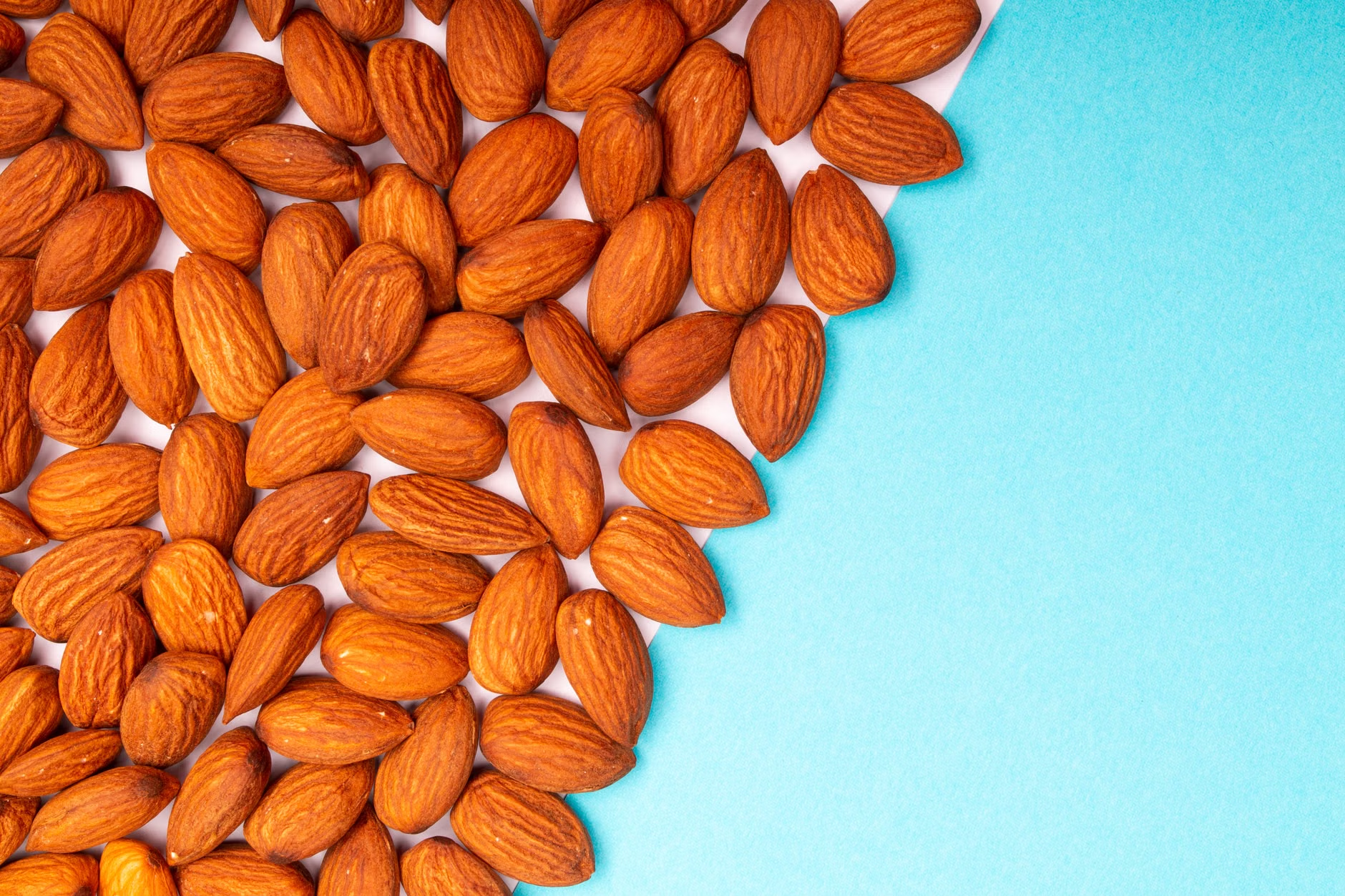
| Almonds | 1 ounce (dry roasted) | 6.8 mg |
| Hazelnuts | 1 ounce | 4.3 mg |
| Sunflower Oil | 1 tablespoon | 5.6 mg |
| Avocado | 1/2 medium | 2.1 mg |
| Spinach | 1/2 cup (cooked) | 1.9 mg |
Note: Data adapted from the National Institutes of Health (NIH) Office of Dietary Supplements.
How to Incorporate These into Daily Life
Integration is key to consistency. Here are three simple ways to boost your intake:
- The Morning Sprinkle: Add a tablespoon of sunflower seeds or slivered almonds to your morning oatmeal or yogurt. This adds a satisfying crunch and a significant dose of Vitamin E.
- Oil Selection: When cooking at home, swap butter or lard for sunflower or safflower oil. These are among the richest dietary sources of Vitamin E.
- The Avocado Hack: If you enjoy salads, add slices of avocado. The fat in the avocado not only contains Vitamin E but also helps your body absorb the fat-soluble vitamins found in the other vegetables in your bowl.
Addressing Common Skin Concerns in Later Life
While Vitamin E is essential for skin health, it is important to manage expectations. It is not a “magic bullet” that will erase deep wrinkles or sagging skin. Instead, it is a foundational nutrient that supports the skin’s ability to remain hydrated and resilient.
Managing Dryness and Barrier Function
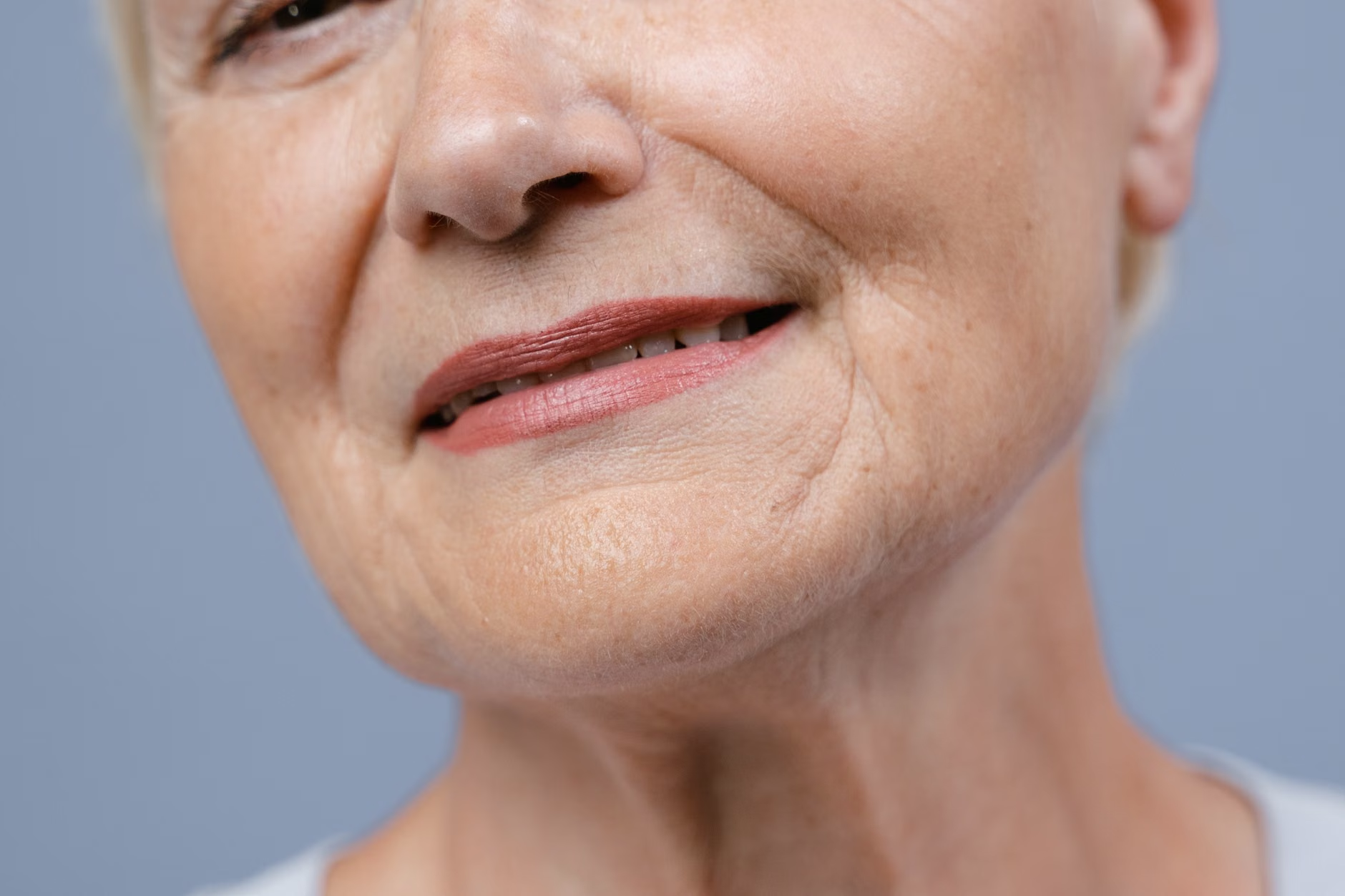
As we age, the skin’s lipid barrier—the “glue” that holds skin cells together—thins. This leads to increased transepidermal water loss (TEWL). Vitamin E, when consumed or applied topically, can help maintain the integrity of this barrier. If you suffer from chronic dry skin, diet is only one piece of the puzzle. You must also consider environmental factors like indoor heating, which strips moisture from the air, and the use of harsh, soap-based cleansers.
Actionable Tip: If your skin feels tight or itchy, look for gentle, fragrance-free cleansers and apply a moisturizer while your skin is still slightly damp after bathing. This “traps” water in the skin, which Vitamin E helps to retain.
The Role of UV Protection
No amount of dietary Vitamin E can compensate for unprotected sun exposure. UV radiation is the single greatest cause of premature skin aging and skin damage. Think of Vitamin E as your internal “backup” defense, while sunscreen remains your primary, frontline defense. Regardless of your age, applying a broad-spectrum sunscreen with an SPF of at least 30 every day is the most effective way to preserve your skin’s health.
When to Consult a Professional
While nutrition is a pillar of health, skin changes can sometimes signal underlying medical conditions. You should consult a dermatologist or your primary care physician if you notice any of the following:
- Sudden changes in skin texture: Rapid thinning, bruising, or the development of non-healing sores.
- Persistent rashes or inflammation: These may indicate an allergy, autoimmune condition, or a reaction to medication, rather than a simple need for more nutrients.
- Changes in moles or pigmented spots: Always follow the “ABCDE” rule (Asymmetry, Border, Color, Diameter, Evolving) for any spots on your skin.
When preparing for a dermatological appointment, come prepared. Bring a list of your current medications (as some, like corticosteroids, can affect skin health), a record of any recent changes you have noticed, and a list of any supplements you are currently taking. This ensures the clinician can provide an accurate assessment.
The Synergistic Approach: Vitamin E and Beyond
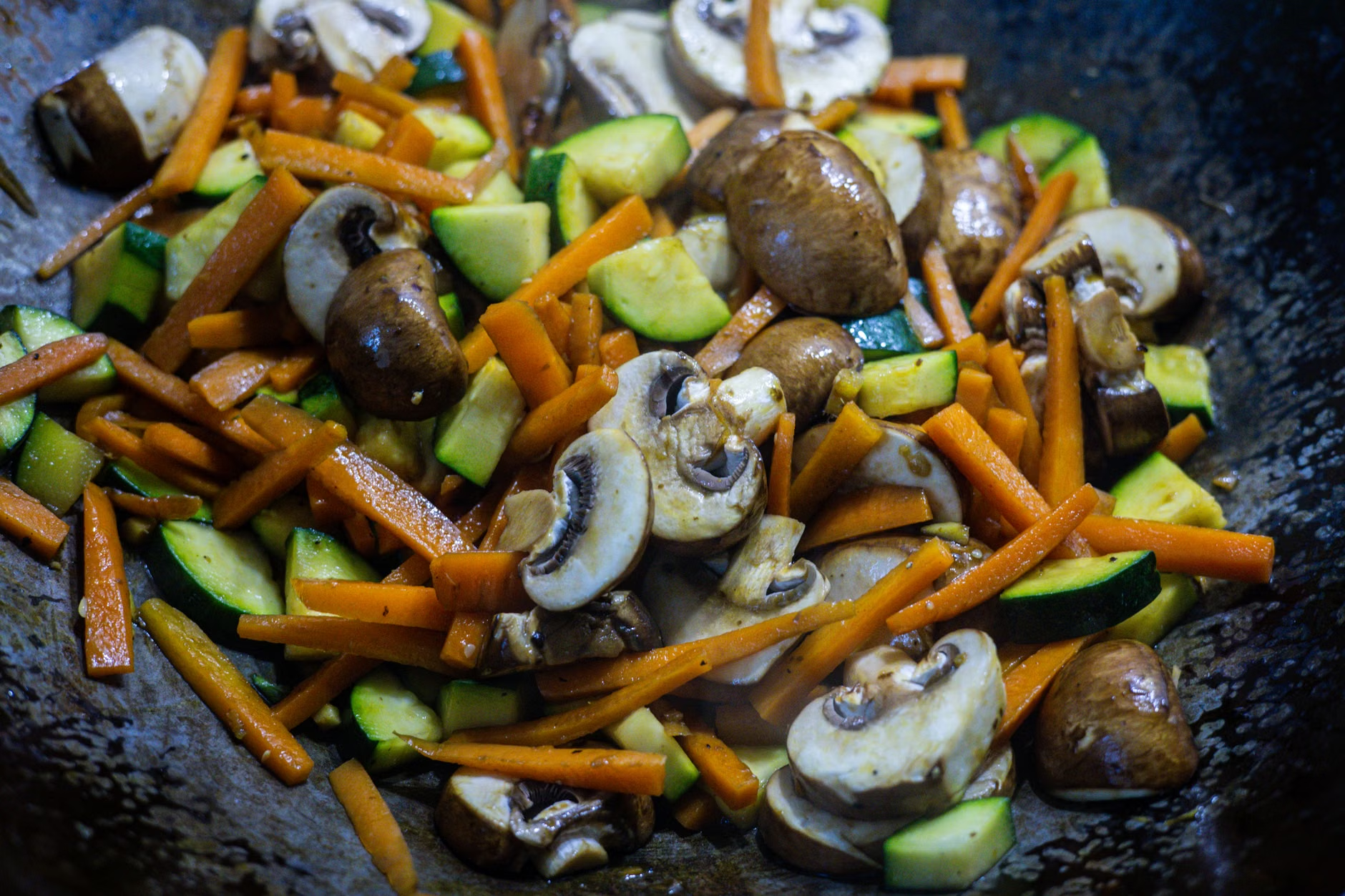
Nutrition is rarely about one single nutrient. Vitamin E works best in synergy with other substances. For example, Vitamin C is essential for the production of collagen, while Vitamin E protects the lipids in your skin cells. Eating a diet that includes a wide variety of colorful fruits and vegetables ensures you get the full spectrum of antioxidants needed for comprehensive skin health.
Furthermore, hydration is critical. No matter how much Vitamin E you consume, if your body is chronically dehydrated, your skin will reflect it. Aim for consistent water intake throughout the day rather than large amounts at once, which can be taxing for the kidneys and lead to frequent nighttime bathroom trips—a common disruption for older adults.
Common Misconceptions About Topical Vitamin E
Many skincare products advertise “Vitamin E” as a primary ingredient for healing scars or reducing wrinkles. While topical application can be moisturizing, the evidence for its ability to “heal” scars or “reverse” deep wrinkles is limited and often overstated. Furthermore, some people develop contact dermatitis (an allergic skin reaction) when applying pure Vitamin E oil to their skin. If you wish to try a topical product, test it on a small, inconspicuous patch of skin (like the inside of your forearm) for 48 hours before applying it to your face or larger areas.
Conclusion
Supporting your skin health in your 60s, 70s, and 80s is an exercise in consistency and gentle care. Vitamin E plays a vital role in protecting your skin from the oxidative stresses of daily life. By prioritizing whole-food sources like nuts, seeds, and healthy plant oils, you can naturally boost your intake without the risks associated with high-dose supplements. Remember that nutrition is only one component; pairing your diet with adequate sun protection, proper hydration, and regular check-ups with your healthcare provider will ensure you maintain the best possible skin health for years to come.
Official guidance on nutrient requirements can be found at the National Institutes of Health Office of Dietary Supplements. Always consult with your primary care provider before making significant changes to your diet or starting any new supplement regimen.
Frequently Asked Questions (FAQ)
1. Can I get enough Vitamin E from a vegan or vegetarian diet?
Yes, absolutely. In fact, many of the best sources of Vitamin E—such as sunflower seeds, almonds, hazelnuts, and vegetable oils—are plant-based. A well-planned plant-based diet is naturally high in this nutrient, provided you include these healthy fats in your daily intake.
2. Does cooking destroy the Vitamin E in food?
Vitamin E is relatively stable when exposed to heat, but it can be degraded by prolonged exposure to high heat, light, and oxygen. To maximize your intake, store oils in cool, dark places and avoid overheating them during cooking. Lightly sautéing or roasting is generally fine, but deep-frying can significantly reduce the nutritional quality of the oil.
3. I am on blood-thinning medication. Is it safe for me to increase my Vitamin E intake?
If you take blood thinners, you must exercise caution. Even moderate increases in Vitamin E intake could theoretically enhance the effects of your medication, increasing your risk of bleeding. Always discuss any changes to your diet or potential supplement use with the physician who manages your blood-thinning medication before making any changes.