- Layering is your best defense: Prioritize base layers that wick moisture and outer shells that provide insulation, allowing you to adapt to temperature shifts without over-packing.
- Prioritize mobility over volume: Use lightweight, wheeled luggage with ergonomic handles to reduce physical strain, and employ packing cubes to keep essential items accessible without rummaging.
- The “Transition Kit” strategy: Pack a dedicated small bag for immediate climate changes (e.g., a scarf, light gloves, or a foldable hat) to avoid opening your main luggage during transit.
Introduction: The Art of Versatile Packing
Traveling across diverse climates—moving from the humid tropics to a crisp, mountainous region, or from a sweltering summer city to a cool coastal evening—requires more than just packing a variety of clothes. For travelers aged 60 to 80, the primary goal of packing is to maintain body temperature regulation, ensure comfort for joints and muscles, and minimize the physical burden of transporting gear. A well-planned packing strategy transforms a potentially stressful transition between climates into a seamless experience.
This guide focuses on the practical mechanics of packing for multi-climate journeys. We will move beyond generic advice to examine how specific materials, organizational techniques, and mobility-focused gear choices can safeguard your health and stamina throughout your trip.
The Science of Layering for Temperature Regulation
Maintaining a stable core body temperature is essential for seniors, especially when transitioning between extreme environments. The “three-layer system” is the gold standard for climate versatility, but it must be adapted for comfort and ease of use.
1. The Base Layer: Moisture Management
The base layer sits against your skin. In warm climates, it must wick moisture away to prevent dampness, which can lead to chafing or skin irritation. In cold climates, it serves as the first line of insulation. Merino wool is often the preferred material because it is naturally odor-resistant, temperature-regulating, and exceptionally soft against sensitive skin.
2. The Mid-Layer: Thermal Insulation
This layer traps heat. For seniors, a lightweight fleece or a down-alternative vest is ideal. These items offer significant warmth without the bulk of heavy wool sweaters, which can be difficult to manage if you have limited grip strength or arthritis. A vest is particularly effective because it keeps your core warm while allowing for full range of motion in your arms.
3. The Outer Shell: Environmental Protection
Your outer layer should be windproof and, ideally, water-resistant. A high-quality “shell” jacket that folds into its own pocket is a game-changer. When choosing an outer shell, look for zippers with large, easy-to-grip pulls, as these are much more accessible than small, stiff hardware.
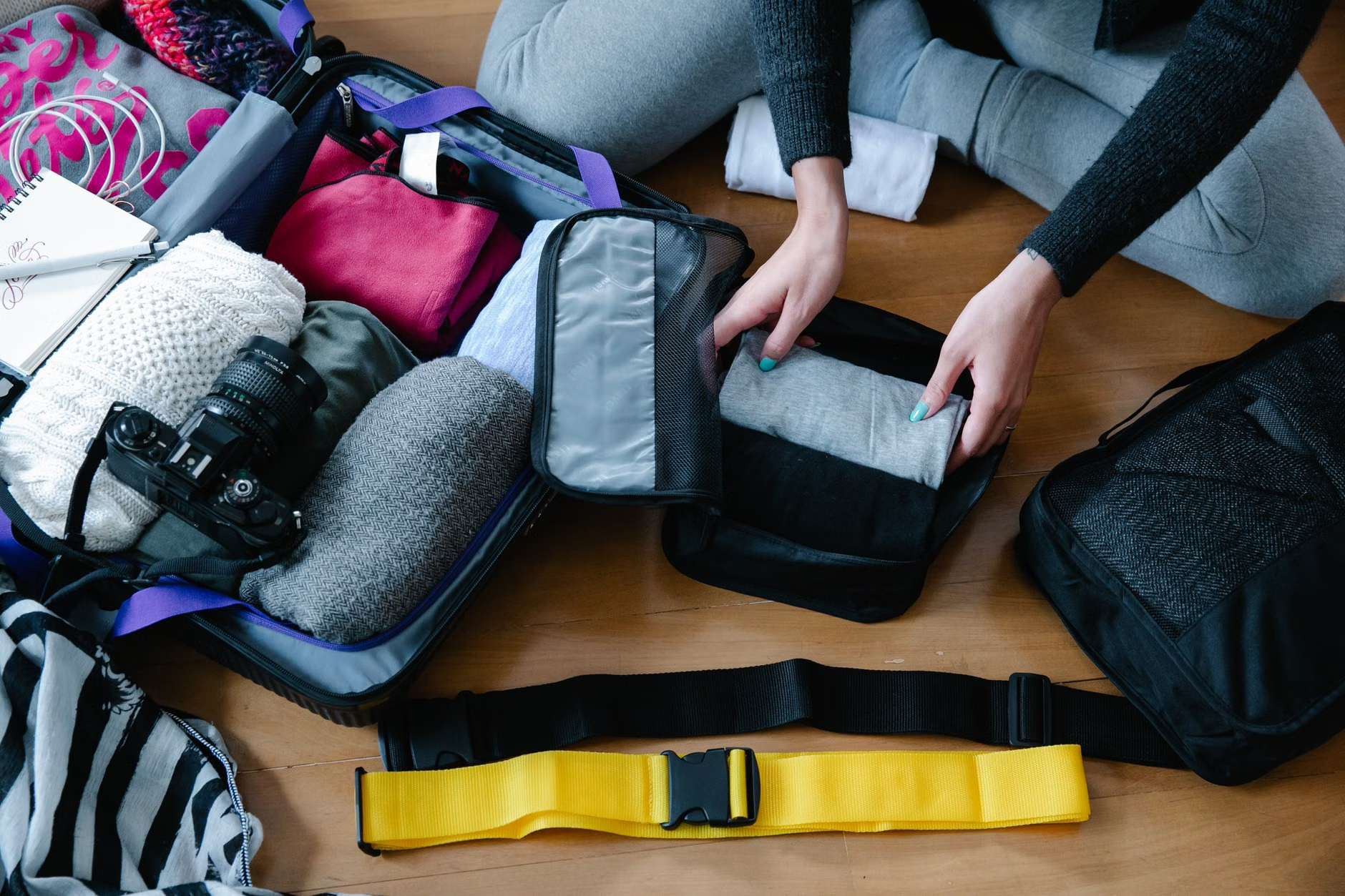
Strategic Luggage Choices for Maximum Mobility
The weight and design of your luggage directly impact your stamina. When moving between climates, you may find yourself navigating different terrains—from smooth airport floors to cobblestone streets. Your luggage choice must account for these variations.
| Luggage Type | Best For | Mobility Note |
|---|---|---|
| Four-Wheeled Spinner | Smooth airport terminals, hotels | Requires minimal effort; glides alongside you. |
| Two-Wheeled Upright | Uneven surfaces, cobblestones | More stable on rough terrain; less prone to rolling away. |
| Lightweight Carry-on + Personal Item | Reducing physical strain | Keeps weight manageable; prevents over-packing. |
Decision Rule: If your itinerary involves significant walking or public transport, prioritize a lightweight, two-wheeled suitcase. While spinners are popular, they can be unstable on steep inclines or uneven pavement, which may force you to exert unnecessary force to keep the bag upright. Always test the handle height before purchase to ensure it aligns with your natural posture, preventing lower back strain.
Packing Cubes: Your Organizational Nervous System
The biggest challenge in multi-climate travel is the “rummage factor”—the tendency to empty half your suitcase to find a sweater when a sudden cold front hits. Packing cubes act as portable drawers, allowing you to compartmentalize your wardrobe by climate or item type.
Pro Tip: Use color-coded cubes. For example, use a blue cube for your “cold-weather” gear and a yellow cube for “warm-weather” attire. If you are moving from a hot region to a cold one, you only need to pull out the “cold” cube from your bag. This saves energy and keeps your belongings secure.
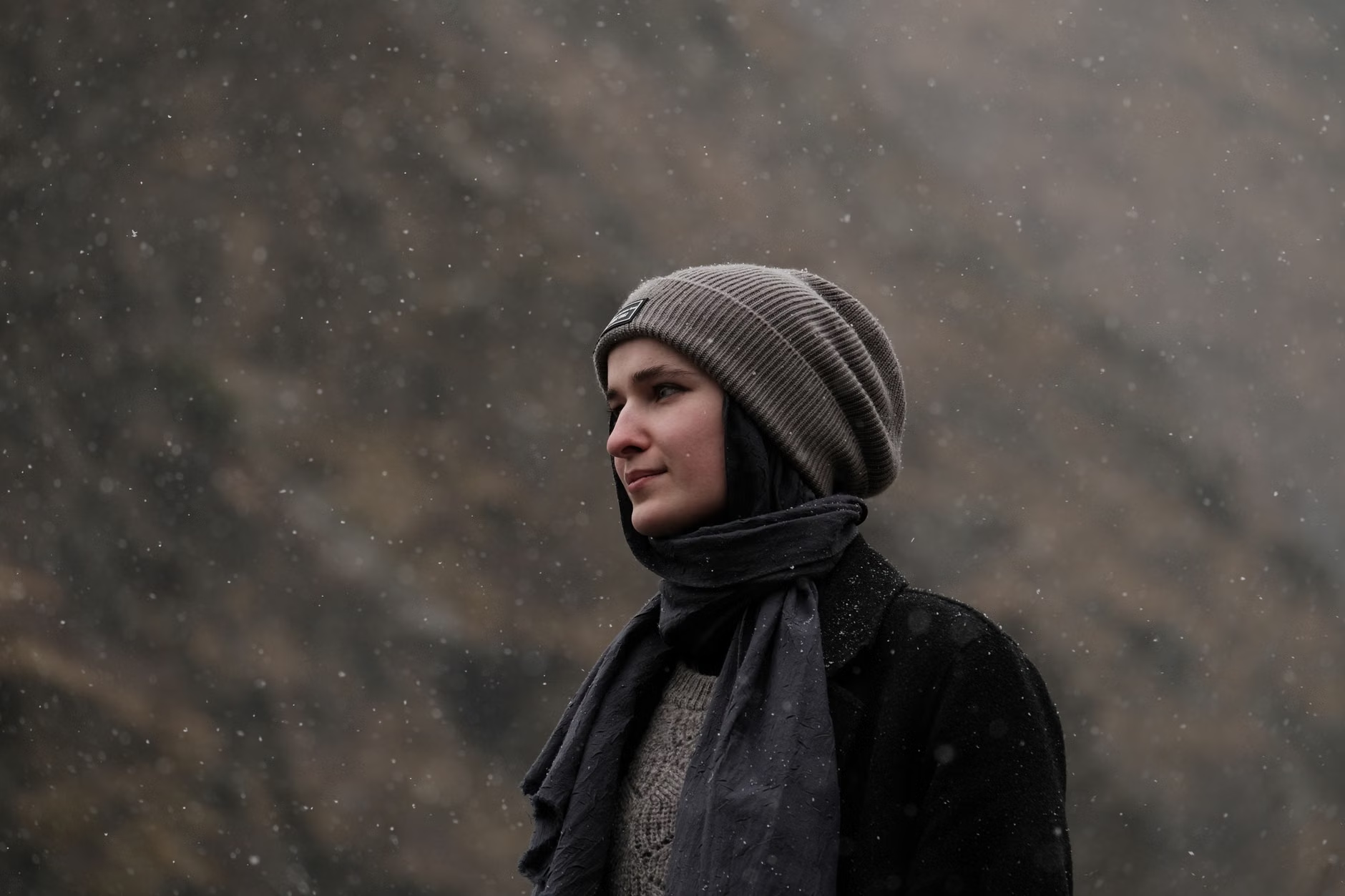
Footwear: The Foundation of Travel Comfort
Footwear is the most difficult category to pack for multi-climate trips. You need shoes that are breathable for heat, supportive for long walking days, and potentially water-resistant. The most practical approach is to wear your heaviest, most supportive pair (usually walking shoes or light hikers) on the plane and pack one versatile, lightweight pair of sandals or loafers.
Warning Sign: Do not break in new shoes during your trip. Ensure your chosen footwear has been worn for at least two weeks prior to departure to avoid blisters or arch strain. If you require orthotics, ensure your travel shoes have removable insoles to accommodate them.
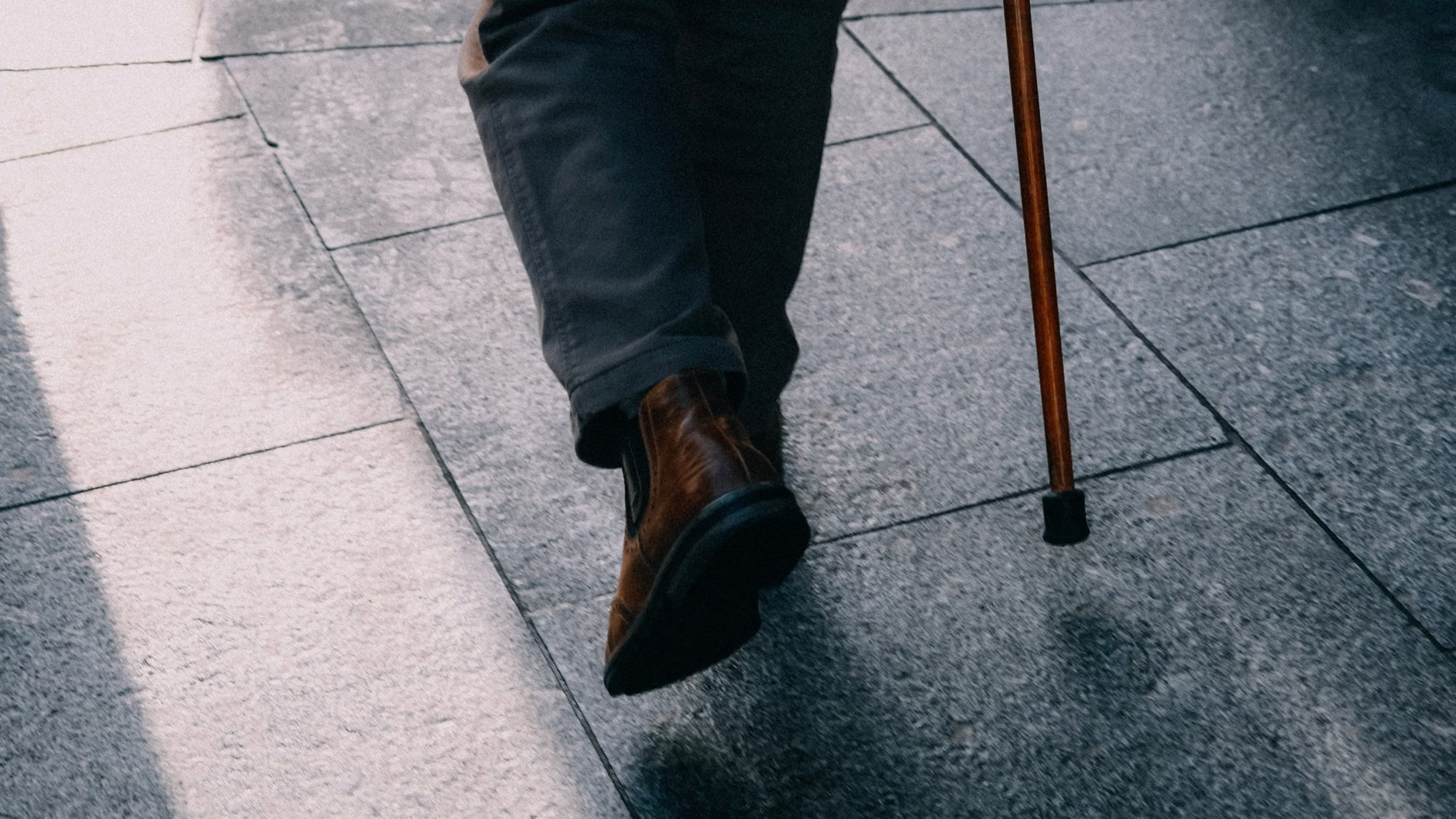
Managing Health Supplies and Medication
When traveling across climates, your body may react to changes in humidity, pressure, and air quality. Having a well-prepared health kit is non-negotiable.
- Medication Portability: Always carry your medications in their original containers with a copy of your prescription. Keep them in your carry-on luggage, never in checked baggage, to avoid loss or damage from extreme temperature changes in the cargo hold.
- Hydration and Skin Care: Sudden changes in climate can lead to dehydration or dry skin. Pack travel-sized, high-quality moisturizer and an electrolyte supplement powder. These can be lifesavers during high-altitude travel or in arid, desert climates.
- Documentation: Carry a “travel health card” that lists your current conditions, allergies, and contact information for your primary care physician in your home country.
The “Transition Kit” Strategy
A “Transition Kit” is a small, soft-sided bag that stays in your personal item (the bag under your seat). It should contain items you may need the moment you step off the plane into a different climate. Examples include a light scarf, a pair of lightweight gloves, a foldable sun hat, and a travel-sized bottle of water. Having these items instantly available prevents you from having to open your main luggage in a crowded terminal or while waiting for ground transport.
Insights on Unexpected Variables
Many travelers overlook the “humidity factor.” Moving from a humid climate to a dry one can cause more fatigue than simply changing temperature. Your body loses moisture faster in dry air, which can exacerbate joint stiffness. If you are traveling to a dry climate, increase your water intake significantly starting 24 hours before you depart. Furthermore, if you wear glasses, be prepared for lens fogging when moving from a cold, air-conditioned environment into a humid outdoor setting. Keep a microfiber cloth in an easily accessible pocket to manage this safely.
Conclusion: Pacing and Recovery
The ultimate strategy for multi-climate travel is not just about what you put in your suitcase, but how you manage your energy. Packing light allows you to move with confidence, while layering ensures you remain comfortable regardless of the external environment. Remember that your stamina is your most valuable asset. Build “recovery days” into your itinerary when moving between significantly different climates to allow your body to adjust to the new environment.
By streamlining your packing, you reduce the physical and mental overhead of your journey, allowing you to focus on the experience rather than the logistics. Keep your essentials accessible, your footwear reliable, and your hydration consistent. Safe travels.
Frequently Asked Questions (FAQ)
1. How can I manage heavy winter coats for a trip that also includes warm destinations?
Avoid packing a heavy, bulky coat. Instead, use a “modular” system: a thin, high-quality down vest worn under a windproof rain shell. This combination provides excellent warmth for cold climates but packs down into a very small space. If you are visiting an extremely cold region, consider wearing your heaviest layer on the plane to free up luggage space.
2. Are there specific packing tips for travelers with arthritis?
Focus on ease of access. Use lightweight luggage with high-quality wheels, and opt for compression-style packing cubes that don’t require heavy lifting to organize. Choose clothing with magnetic closures or large, easy-to-grab zippers rather than small buttons. If you use a cane, look for a lightweight, foldable carbon fiber model that can be stored securely in your carry-on.
3. How do I handle medication if I am crossing multiple time zones?
Consult with your primary care provider before you leave. For most daily medications, you can gradually adjust your dosing schedule to match the destination time zone. Keep a written log of when you take your doses to avoid confusion during long travel days. If you take medication that must be kept at a specific temperature, use an insulated medical travel pouch with a gel pack, but confirm with airline security that your specific gel pack meets current liquid-limit exemptions.
Official guidance on travel health and safety can be found at the CDC Travelers’ Health website. Always check local government travel advisories for your specific destination before departure.