- Uniformity over Intensity: New global standards prioritize even light distribution to eliminate shadows and glare, which are primary causes of trips and falls.
- Color Rendering Matters: Updated requirements mandate better color accuracy, helping you distinguish between surface textures, curbs, and potential hazards in low light.
- Adaptive Technology: Cities are transitioning to smart lighting that adjusts brightness based on actual pedestrian presence, ensuring safety without light pollution.
As we approach 2026, international organizations and urban planning authorities are rolling out significant updates to public lighting standards. For older adults, these changes are not merely technical adjustments; they represent a fundamental shift in how public spaces—sidewalks, transit hubs, and parks—are designed to support independent mobility. Poor lighting is one of the most significant environmental contributors to loss of confidence and physical falls among those aged 60 to 80. By understanding these new standards, you can better advocate for your local infrastructure and adjust your evening routines to take advantage of these safer environments.
The Science of Sight: Why 2026 Standards Address Age-Related Visual Changes
As we age, our eyes undergo natural changes. The pupil tends to become smaller, and the lens becomes less transparent. This means that by age 60, the average person requires approximately three times more light to perform the same visual tasks as a 20-year-old. Furthermore, the ability to recover from glare—such as that produced by harsh, unshielded streetlights—diminishes significantly.
The 2026 global shifts in lighting standards, guided by organizations like the International Commission on Illumination (CIE), focus on visual comfort rather than just brightness. Previous standards often focused on “high intensity,” which frequently created deep shadows and blinding glare. The new standards prioritize “Uniformity Ratios.”
What Does Uniformity Mean for Your Walk?
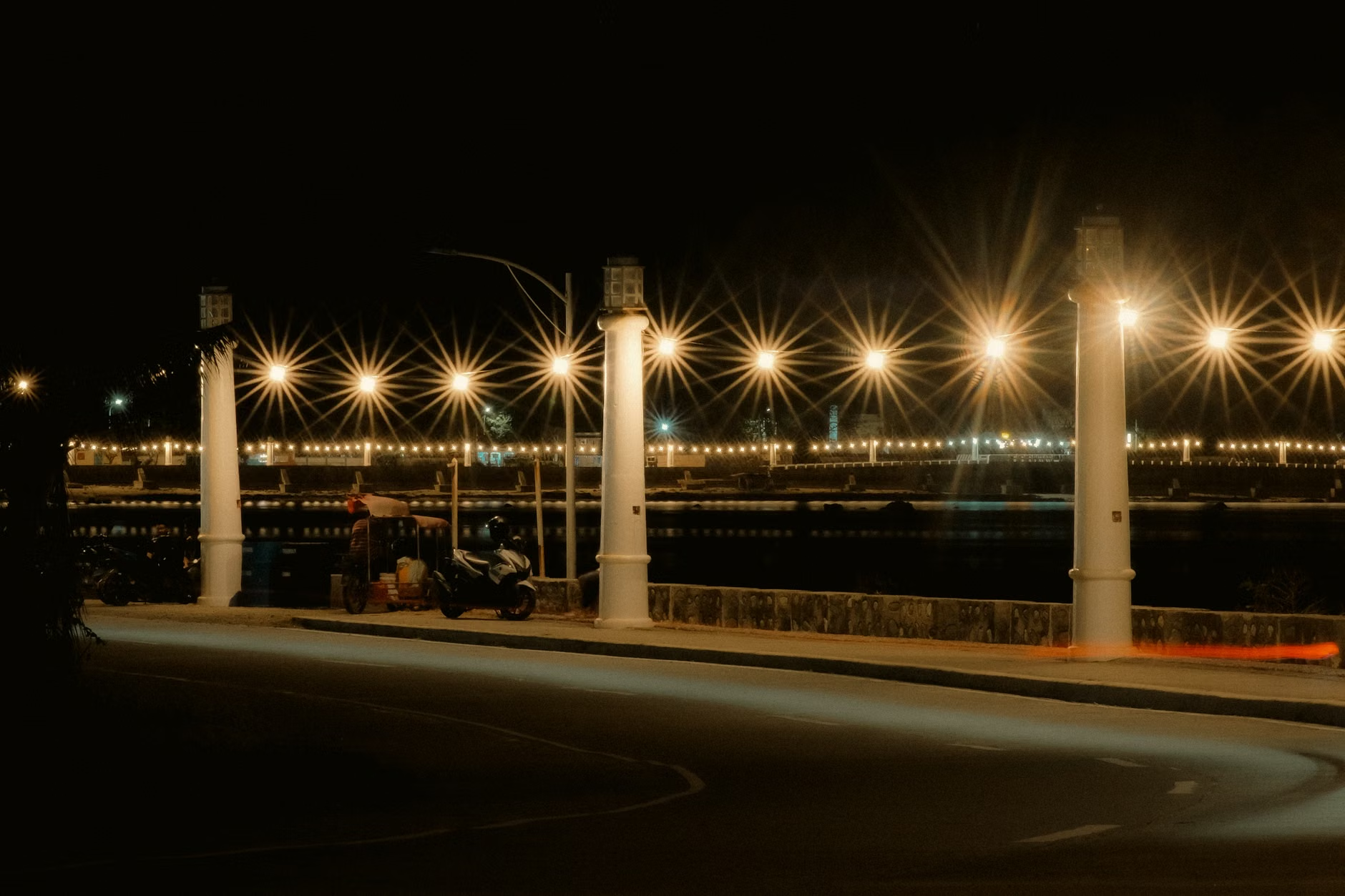
Uniformity refers to how evenly light is spread across a surface. If a sidewalk has a bright spot under a pole but is pitch-black between poles, your eyes struggle to adapt to the constant shift. This “flicker” of light and dark forces your brain to work harder to identify obstacles like uneven pavement or tree roots. The 2026 standards mandate that the ratio between the brightest and dimmest points on a path be reduced, creating a consistent, “blanket” of light that allows your eyes to maintain a steady focus.
Key Changes in Public Lighting Infrastructure
The transition to LED (Light Emitting Diode) technology is reaching a new phase of maturity. While early LED streetlights were criticized for their harsh, blue-tinted light, the 2026 standards push for warmer color temperatures (typically 3000K or lower). This warmer light is not only more comfortable for the human eye but also reduces the impact on the circadian rhythm, which is vital for maintaining healthy sleep patterns.
| Feature | Old Standard (Pre-2025) | New 2026 Standard |
|---|---|---|
| Light Temperature | High blue-light (Cool white) | Warmer, soft yellow-white |
| Glare Control | Minimal shielding | Strict cut-off optics (no light in eyes) |
| Color Rendering | Low (Everything looks gray) | High (Colors appear natural) |
| Brightness | Static (Always on full) | Adaptive (Motion-sensing dimming) |
The “Color Rendering Index” (CRI) is perhaps the most overlooked improvement. High CRI lighting allows you to see the true color of the ground. Why does this matter? If you are walking at night, being able to distinguish the brownish-gray color of a concrete curb from the darker asphalt of the street is a critical safety factor. Under the 2026 standards, public spaces are required to use lighting that makes these contrast differences obvious, drastically reducing the risk of misjudging steps.
How to Advocate for Better Lighting in Your Neighborhood
You do not need to be a lighting engineer to identify safety hazards. If you find that your local walking routes feel unsafe at night, you can use the following checklist to document the issue for your local council or municipality. Municipalities are increasingly updating their infrastructure to comply with 2026 standards, and they often rely on public feedback to prioritize which areas to upgrade first.
Practical Checklist for Reporting Poor Lighting
- The “Glare Test”: Can you look down the street without the light source stinging your eyes? If the light source is visible and blinding, it is likely non-compliant with modern standards.
- The “Shadow Test”: Are there large patches of darkness between light poles? A safe path should have continuous illumination.
- Color Contrast: Are you able to clearly see the edges of the sidewalk, or does everything blend into one dark mass?
- Obstacle Visibility: Are steps, ramps, or uneven surfaces highlighted, or are they obscured by shadows?
When contacting your local authority, focus on these specific safety terms. Mentioning “poor uniformity” and “excessive glare” signals that you are aware of the modern safety requirements, which often leads to a more professional response than simply saying the area is “too dark.”
Understanding Adaptive Lighting and Smart Cities
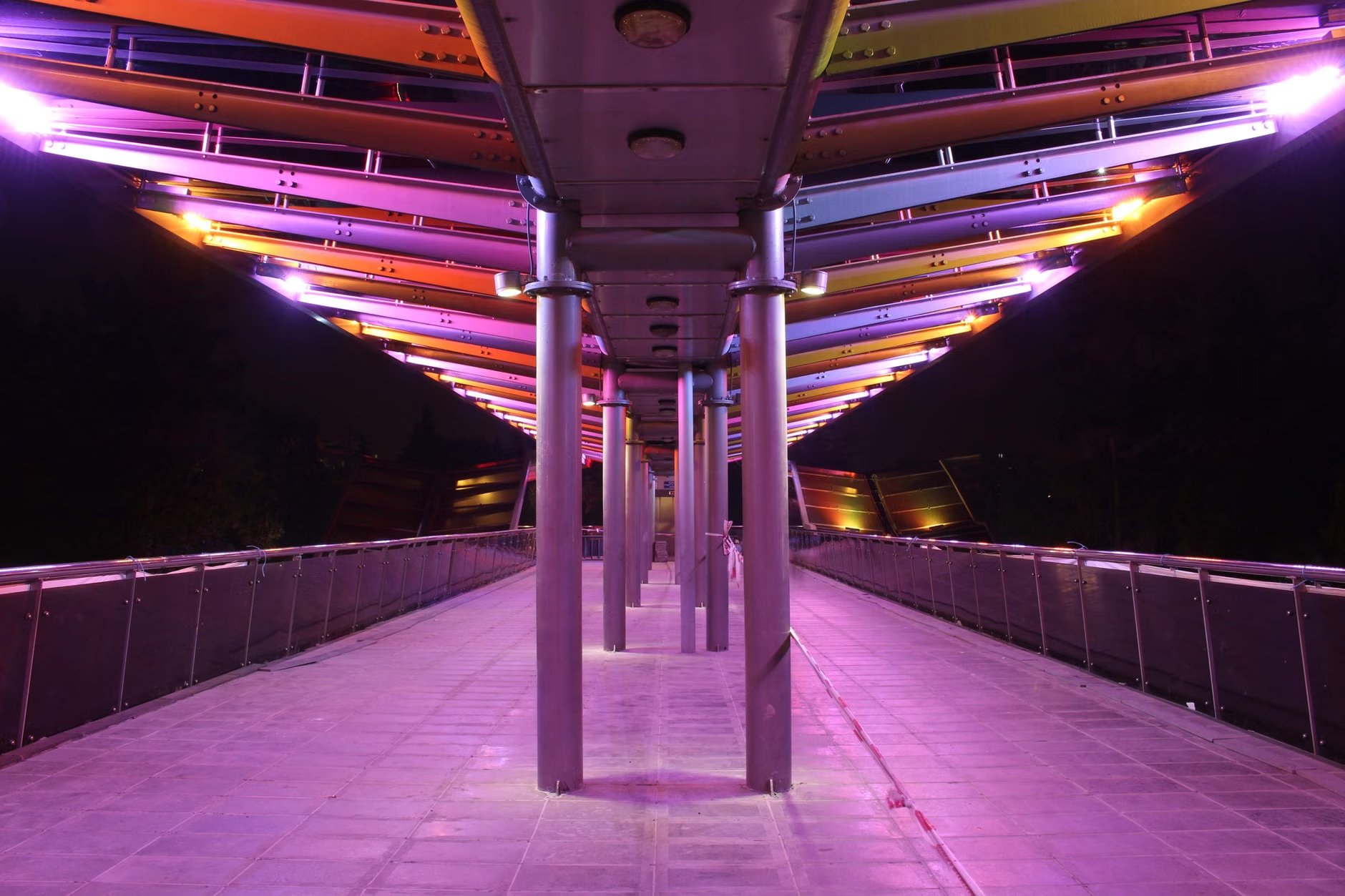
One of the most exciting shifts in 2026 is the deployment of “Smart Lighting.” These systems utilize sensors to detect movement. When no one is on the street, the lights may dim to 30% to save energy and reduce light pollution. As you approach, the lights gently brighten to 100%.
Some users express concern about these systems, fearing that the lights will not turn on in time. However, the 2026 standards dictate a “pre-emptive lighting” protocol. Sensors are designed to detect a person at a distance, ensuring that the path ahead of you is fully illuminated before you reach it. This technology is a massive win for accessibility, as it allows cities to provide high-intensity light only where it is needed, without the trade-off of excessive energy consumption or light pollution that ruins the night sky.
The Psychological Benefit: Feeling Safe in Your Environment
Safety is not just about avoiding a fall; it is also about the psychological comfort of being able to navigate your environment after dark. Many older adults report a “curfew” they place on themselves, refusing to go out after sunset because they feel vulnerable. The 2026 standards aim to reclaim these hours for you.
When you feel confident that you can see the ground, identify potential hazards, and clearly see the path ahead, your willingness to remain active in the community increases. This has a direct, positive impact on social health, reducing feelings of isolation and keeping you engaged with hobbies, evening events, or simply a healthy night walk.

Practical Tips for Nighttime Mobility
While infrastructure is improving, it is not perfect everywhere. Until your local area is fully updated to the 2026 standards, consider these practical steps to maintain your mobility:
- Carry a high-quality, wide-beam flashlight: Do not rely on your phone’s flashlight, which is often too narrow and creates harsh, blinding spots. A wide-beam torch provides better context for the ground around your feet.
- Use high-visibility accessories: Reflective strips on shoes, canes, or bags help others see you, which is just as important as you seeing them.
- Plan your routes: If you are going somewhere new, use mapping services to check if the route is well-lit. Many modern city apps now include “well-lit route” features.
- Wear appropriate footwear: Even with good lighting, nighttime surfaces can be deceptive. Ensure your shoes have excellent grip to handle any unforeseen moisture or unevenness.
The Role of Municipal Responsibility
It is important to understand that public lighting is a municipal service funded by your taxes. Under the new 2026 frameworks, many jurisdictions are legally obligated to ensure that public infrastructure is accessible to all, regardless of age or physical ability. If a specific area in your neighborhood has been neglected, it is your right to request an audit. Most cities have an “accessibility coordinator” or a “public works” department that handles these requests.
When making a request, provide a photo of the area during the day and, if possible, at night. Clearly label the hazards you see. This provides the evidence that officials need to approve budget allocations for repairs or upgrades. Remember, you are not asking for a favor; you are asking for the maintenance of a public utility that is legally required to be safe for all residents.
Considering the Trade-offs: Light Pollution vs. Human Safety
A common debate in urban planning is the balance between human safety and the health of the local ecosystem. Excessive light can disrupt nocturnal wildlife and interfere with the sleep of residents. The 2026 standards address this through “directional lighting.” Instead of light spilling into windows or upward into the sky, it is directed precisely onto the sidewalk and road. This is a significant improvement over older “globe” style lights that scattered light in every direction. If you notice light spilling into your home, this is another point you can raise with your local council, as it is generally considered a nuisance and a waste of energy under the new guidelines.
Deepening Your Understanding: The Impact of Lighting on Fall Prevention
Falls are the leading cause of injury for adults over 65. The correlation between lighting and fall prevention is well-documented in occupational therapy literature. When the environment is under-lit, the brain receives less visual data, which leads to a “cautious gait.” This change in walking style—often characterized by shorter steps and a shuffling movement—actually increases the likelihood of tripping. By providing consistent, high-quality lighting, we allow for a more natural, confident gait, which is inherently more stable.
The 2026 standards are designed to support this natural movement. By eliminating the “visual noise” of shadows and glare, the environment becomes a supportive partner rather than an obstacle course. If you find yourself shuffling or feeling uncertain when walking at night, it is worth asking yourself if the environment is contributing to this. Often, the solution is not a change in your physical capability, but a change in the environment you choose to traverse.
Preparing for the Future: What to Look for in 2026 and Beyond
The shift to these new standards is not overnight. You will see a gradual replacement of older, inefficient lamps with the new, high-uniformity, warm-temperature LED systems. This process is usually tied to the regular maintenance cycle of city infrastructure. If you are curious about your city’s specific timeline, check their official website for “Public Lighting Master Plans.” These documents will outline which neighborhoods are scheduled for upgrades and when.
Furthermore, look for the integration of “Wayfinding” lights. These are subtle, floor-level lights integrated into paths, benches, or low walls, providing a soft glow that guides you without being overwhelming. These are becoming more common in public parks and transit hubs, offering a gentle, safe way to navigate without the need for tall, bright poles.
Conclusion
The 2026 transition to improved global lighting standards is a major victory for the independence and safety of older adults. By moving toward uniform, glare-free, and high-contrast lighting, cities are finally recognizing that the environment must adapt to the needs of its citizens, not the other way around. While you wait for these changes to reach your local street corner, remember that you have the power to advocate for your safety. Use the checklists provided, report hazards, and stay informed about your city’s infrastructure plans. By taking these steps, you are not just improving your own quality of life, but helping to build a more accessible, safe world for everyone.
Frequently Asked Questions
- Why does the color of the light matter?
Warmer lights (3000K) are more comfortable for the human eye, reducing glare and eye strain. They also help distinguish between different textures and colors, making it easier to see curbs and uneven ground compared to cool, blue-tinted lights. - What should I do if a street light in my area is flickering or out?
Most municipalities have an online portal or a dedicated phone number to report street light outages. When reporting, use the specific pole number (usually found on a metal tag on the pole) to ensure the maintenance crew can find it quickly. - Are there any health risks to the new LED street lights?
Modern LED lights that meet 2026 standards are designed to be safe. They do not emit harmful radiation, and the focus on “warm” temperatures minimizes the risk of disrupting your sleep cycle. Always ensure that the lights in your area are properly shielded to prevent light from entering your home.
Sources for further information:
International Commission on Illumination (CIE) – The primary authority on global lighting standards.
World Health Organization (WHO) Age-friendly World – Resources on creating safe and accessible urban environments for older adults.