- Consistency over intensity: Gentle, daily neck rotations are more effective for maintaining long-term mobility than infrequent, aggressive stretching.
- Posture is the foundation: Neck movement is only safe and effective when the spine is properly aligned and the shoulders are relaxed.
- Listen to your limits: If you experience sharp pain, dizziness, or numbness, stop immediately; these are signs to consult a physical therapist rather than pushing through.
Maintaining cervical range of motion—the ability to turn, tilt, and nod your head without restriction—is essential for everyday safety and independence. For adults aged 60 to 80, the neck serves as the pivot point for many daily activities, from checking blind spots while driving to scanning a room for social engagement. As we age, natural changes in the cervical spine can lead to stiffness, often exacerbated by prolonged periods of sitting or looking downward at devices. Seated neck rotations offer a controlled, low-impact method to preserve this mobility while minimizing the risk of falls or overexertion.
Understanding Your Cervical Range of Motion
The cervical spine, consisting of the top seven vertebrae in your neck, is a complex structure designed for both support and mobility. Over time, the discs between these vertebrae may lose some hydration, and the surrounding muscles can tighten due to postural habits. When we talk about “range of motion,” we are referring to the fluid, pain-free movement of the head in all directions: rotation (turning left and right), flexion/extension (nodding up and down), and lateral flexion (tilting ear to shoulder).
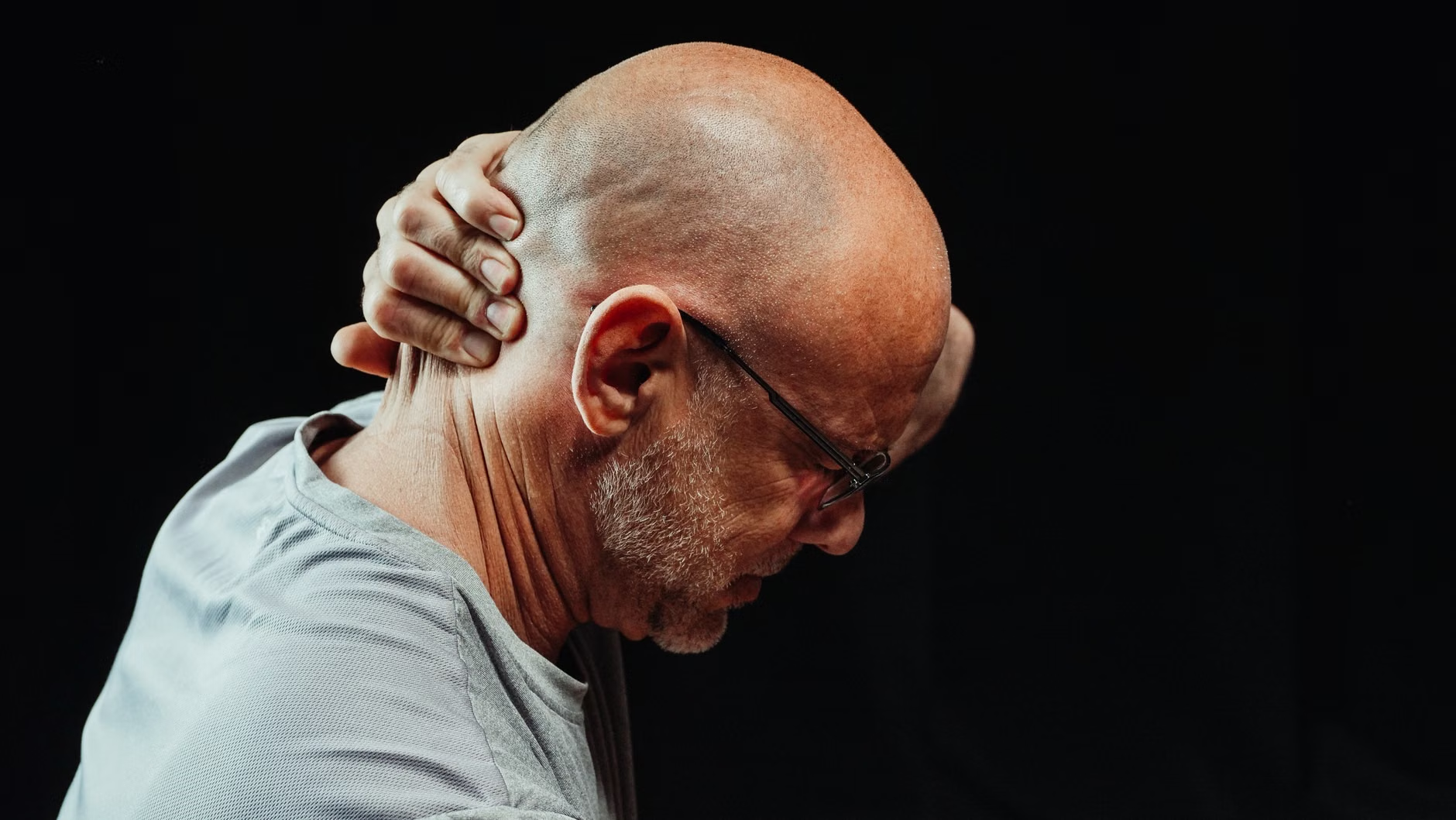
Why does this matter? A restricted neck can lead to a phenomenon known as “en bloc” movement, where a person must turn their entire upper torso to look to the side because their neck cannot rotate sufficiently. This not only increases the risk of muscle strain in the upper back but also makes navigating busy environments—such as a crowded grocery store or a transit station—more difficult and less safe. By practicing controlled rotations, you keep the soft tissues supple and encourage the joints to move through their full, natural arc.
Preparing for Safe Movement
Before beginning any neck exercise, the setup is paramount. The goal is to isolate the cervical spine while keeping the rest of the body stable. Attempting to stretch the neck while hunched over or leaning forward can place unnecessary stress on the lower cervical vertebrae.
The Ideal Seated Position
- Chair Selection: Use a stable chair with a backrest. Avoid stools or chairs with wheels that might slide unexpectedly.
- Foot Placement: Keep both feet flat on the floor, hip-width apart. This provides a stable base and helps distribute your weight evenly.
- Spinal Alignment: Imagine a string attached to the crown of your head, gently pulling your spine toward the ceiling. Your ears should be aligned directly over your shoulders.
- Shoulder Engagement: Consciously relax your shoulders. Many people unconsciously “hunch” their shoulders toward their ears when they are tense. Drop them down and back to create space for the neck to move.
Once you are seated correctly, take three deep, intentional breaths. This helps lower your heart rate and brings your focus to the movement, preventing the “rushed” feeling that often leads to jerky or unsafe motions.
Step-by-Step Execution of Seated Neck Rotations
The rotation should be performed slowly and with full awareness. The goal is not to see how far you can turn, but to feel the muscles lengthening through a controlled range.
- Start at Neutral: Begin with your gaze forward, chin parallel to the floor.
- Initiate the Turn: Slowly rotate your head to the right as if you are trying to look over your shoulder. Move only until you feel a gentle, comfortable stretch. Do not force the motion.
- Pause and Breathe: Once you reach your comfortable limit, hold the position for 3 to 5 seconds. Continue to breathe deeply.
- Return to Center: Slowly return your head to the neutral, forward-facing position.
- Repeat on the Opposite Side: Follow the same process for the left side.
Common Mistake: Many people tilt their head upward or downward while trying to rotate. Keep your chin at a constant, level height throughout the entire turn. If you find yourself lifting your chin, it is a sign that you are pushing too far or that your neck muscles are compensating for a lack of mobility.
Integrating Rotations into Daily Life
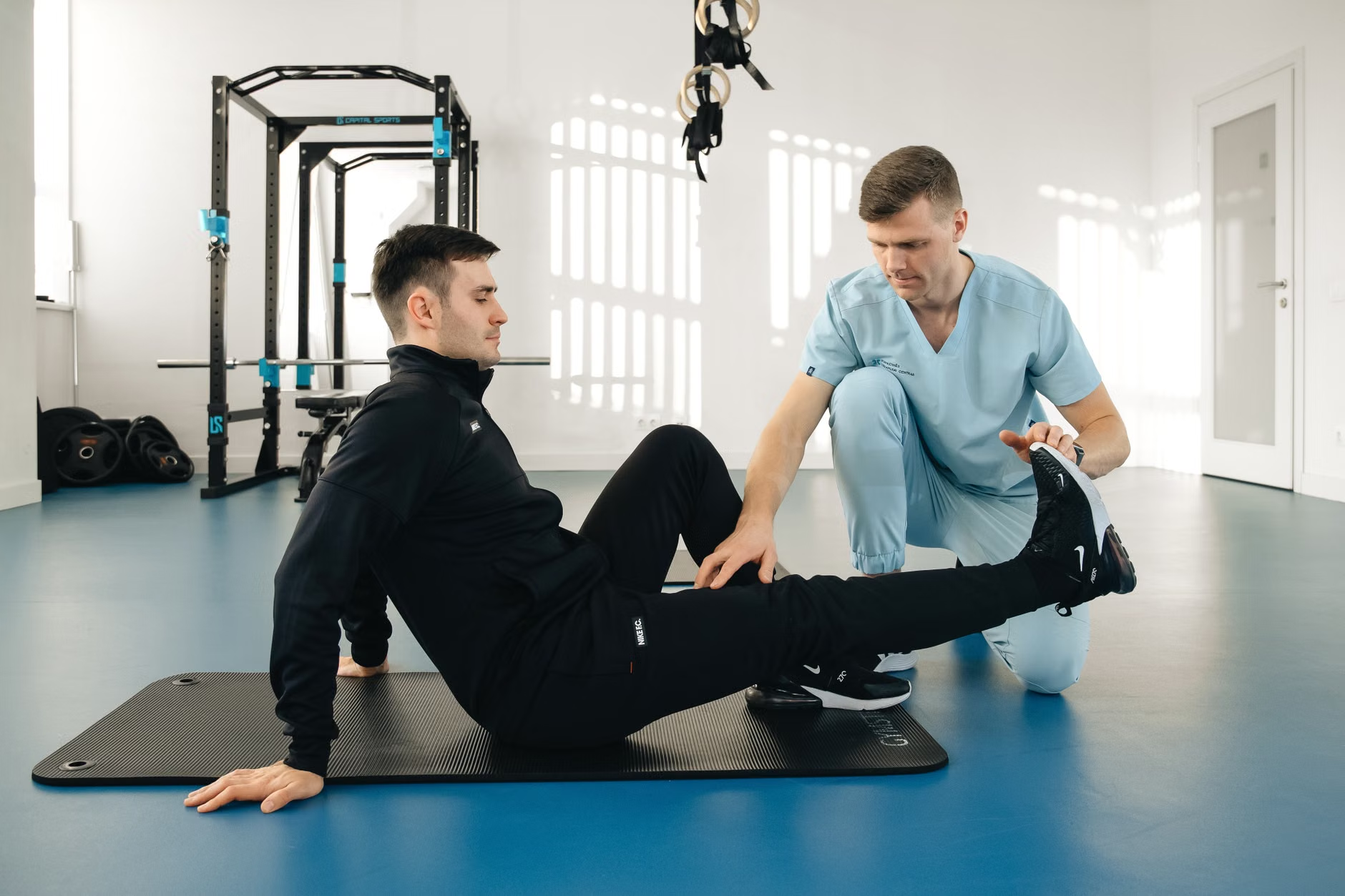
Consistency is more important than duration. Instead of performing a 15-minute “neck workout” once a week, it is far more effective to perform 2 to 3 minutes of gentle rotations several times throughout the day. This keeps the tissues lubricated and prevents the buildup of tension that occurs during long periods of inactivity.
Practical Opportunities for Movement
| Activity Scenario | Timing | Recommended Action |
|---|---|---|
| Watching Television | During commercial breaks | Complete 3 slow rotations per side. |
| Reading or Digital Tasks | Every 30 minutes | Pause, sit tall, and perform 2 rotations per side. |
| Waiting for Transport | While seated at a stop | Focus on deep breathing and gentle, slow turns. |
The table above highlights that “exercise” does not need to be a formal event. By linking these movements to existing habits, you are much more likely to maintain the practice. For those who find it difficult to remember, placing a small sticky note on your computer screen or near your favorite chair can serve as a gentle, non-intrusive reminder.
When to Seek Professional Guidance
While gentle movement is generally safe, there are specific conditions where you should pause and consult a healthcare professional, such as a physical therapist or a primary care doctor. If you experience any of the following “red flag” symptoms, do not attempt to force the movement:
- Sharp or Shooting Pain: A stretch should feel like a mild, dull tension. Sharp pain is a signal to stop immediately.
- Dizziness or Lightheadedness: This can indicate issues with the inner ear or blood flow, and requires a professional assessment.
- Numbness or Tingling: If you feel “pins and needles” in your fingers or arms during the movement, this suggests nerve involvement.
- Sudden Loss of Strength: If your grip feels weak or your arms feel heavy while moving your neck, consult a doctor.
If you are planning to visit a specialist, it is helpful to keep a brief log of your symptoms. Note when the stiffness occurs, what activities seem to trigger it, and how long the discomfort lasts. Bringing this information to your appointment allows the professional to provide much more targeted advice than a general inquiry would.

The Role of Environment and Ergonomics
Often, the neck stiffness we experience is a symptom of our environment rather than an inherent physical limitation. If your desk, computer monitor, or even your favorite reading chair forces your head into a constant downward or twisted position, no amount of stretching will fully resolve the issue.
Consider the “Eye-Level Rule.” Whether you are using a tablet, a smartphone, or a book, try to bring the object up to your eye level rather than dropping your head to look down at it. Using a simple stand or a pile of books to elevate your device can make a profound difference in the daily strain placed on your cervical spine. Similarly, if you are sitting at a computer, ensure the top third of your monitor is at eye level so that your gaze remains neutral.
Another often overlooked factor is lighting. If you find yourself constantly leaning forward or tilting your head to get a better view of your work, you may be straining your neck simply because of poor visibility. Improving the lighting in your workspace is a simple, non-invasive change that can significantly improve your posture and, by extension, your neck health.
Advanced Considerations for Long-Term Mobility
As you become more comfortable with basic seated rotations, you may wonder if you should progress to more complex stretches. It is important to emphasize that for the purpose of daily maintenance, simplicity is usually superior to complexity. Avoid “cracking” or forcefully manipulating your own neck. These actions can place excessive pressure on the facet joints and are not a substitute for the controlled, muscular engagement of a gentle rotation.
Hydration also plays a subtle but critical role. The discs in your spine are largely composed of water. Staying well-hydrated helps these discs maintain their height and shock-absorbing properties, which in turn supports the fluid movement of the entire spine. While this is not a “cure” for neck pain, it is a foundational habit that supports musculoskeletal health across the board.
Furthermore, consider the impact of emotional tension. The neck and shoulders are common sites for “somatization,” where the body holds onto stress. If you find that your neck is particularly stiff during periods of high stress, realize that this is a physical response to an emotional state. Adding a few minutes of deep, diaphragmatic breathing—where you focus on expanding your belly rather than lifting your shoulders—can help release the unconscious tension that makes your neck feel “locked up.”
Conclusion: A Sustainable Approach to Neck Health
Maintaining your neck’s range of motion is a lifelong project, not a one-time fix. By prioritizing proper seated posture, integrating frequent but gentle rotations into your day, and listening to your body’s signals, you can significantly reduce the risk of stiffness and discomfort. Remember that the goal is not to achieve the flexibility of an athlete, but to maintain the functionality required for a vibrant, independent life.
Take the time to evaluate your daily habits. Are you looking down too often? Is your chair supporting your spine? Small, incremental changes in how you interact with your environment will pay dividends in the years to come. Start today by simply checking your posture and performing a few slow, mindful rotations. Your future self will thank you for the extra mobility.
Frequently Asked Questions
1. How many times a day should I perform these rotations?
There is no strict rule, but aiming for 2 to 3 sessions per day is generally beneficial. It is better to do small, frequent sets (e.g., 3-5 rotations) throughout the day than to do a long, intense session that may cause fatigue.
2. Can I do these rotations while standing?
Yes, you can, but sitting provides a more stable foundation that minimizes the risk of losing your balance. If you choose to stand, ensure your feet are firmly planted and your core is engaged to prevent swaying.
3. Will these exercises help with chronic neck pain?
These exercises are intended for maintaining range of motion in generally healthy adults. If you have chronic, diagnosed neck pain, these movements should only be performed under the guidance of a physical therapist or doctor to ensure they are appropriate for your specific condition.
Official Guidance Reference: For more information on maintaining mobility and preventing age-related musculoskeletal issues, visit the National Institute on Aging (NIA) website, which provides evidence-based resources for healthy aging.