- Prioritize Weight Over Volume: For heritage rail, where assistance may be limited and platforms can be uneven, a suitcase weighing under 10kg is essential for maintaining independence.
- Strategic Layering: Heritage trains often have fluctuating temperatures; packing lightweight, modular layers allows you to adjust to both the drafty historic carriages and the outdoor platform climate.
- Accessibility First: Always verify platform accessibility and luggage storage dimensions with the specific rail operator, as heritage lines often use vintage rolling stock with narrow aisles and steep steps.
Introduction: The Philosophy of Minimalist Travel on Historic Rails
Heritage rail travel offers a window into the past, allowing passengers to traverse scenic landscapes in restored carriages that echo a bygone era. However, the very charm of these historic lines—vintage rolling stock, non-standardized station platforms, and limited modern infrastructure—presents unique challenges for travelers aged 60 to 80. Minimalist packing is not merely about convenience; it is a fundamental strategy for ensuring safety, preserving physical stamina, and maximizing the enjoyment of your journey.
When you travel with minimal gear, you reduce the physical burden on your joints, decrease the likelihood of falls on uneven station platforms, and simplify the process of navigating narrow train aisles. This guide explores the practicalities of packing light specifically for the nuances of heritage rail, ensuring you remain mobile, autonomous, and comfortable throughout your trip.
Evaluating Your Physical Requirements and Rail Logistics
Before packing a single item, you must assess the specific demands of the heritage line you intend to board. Unlike modern high-speed rail, heritage trains often feature high floor-to-platform gaps and steep, narrow steps at the carriage entrance. A heavy suitcase is not just a nuisance; it is a significant safety hazard that can lead to loss of balance or strain.
The “Stamina-First” Assessment
Consider your personal mobility profile. Do you rely on a cane, a walker, or simply require extra time to navigate stairs? If you travel with a companion, do they have the physical capacity to assist with luggage, or must you be entirely self-sufficient? The goal is to ensure that your luggage never exceeds your ability to move it independently, especially in the event of an unexpected platform change or a crowded carriage.
Common Mistake: Many travelers assume that because they are on a “leisurely” train journey, they can afford to bring “just in case” items. In reality, the physical effort required to move heavy bags—even for short distances—can exhaust your energy reserves for the day, leaving you too tired to enjoy the actual destination.
Strategic Packing: The Modular System
To pack minimally, you must move away from the “outfit per day” mentality and adopt a modular, layered system. This approach focuses on versatility and weight reduction, ensuring you have what you need without the bulk.
The Core Principles of Lightweight Packing
- Fabric Choice: Opt for high-performance, lightweight synthetic or merino wool blends. These materials are wrinkle-resistant, quick-drying, and significantly lighter than traditional denim or heavy cotton.
- Color Coordination: Choose a neutral color palette (e.g., navy, beige, or grey) so that every top matches every bottom, effectively tripling your outfit combinations without increasing the item count.
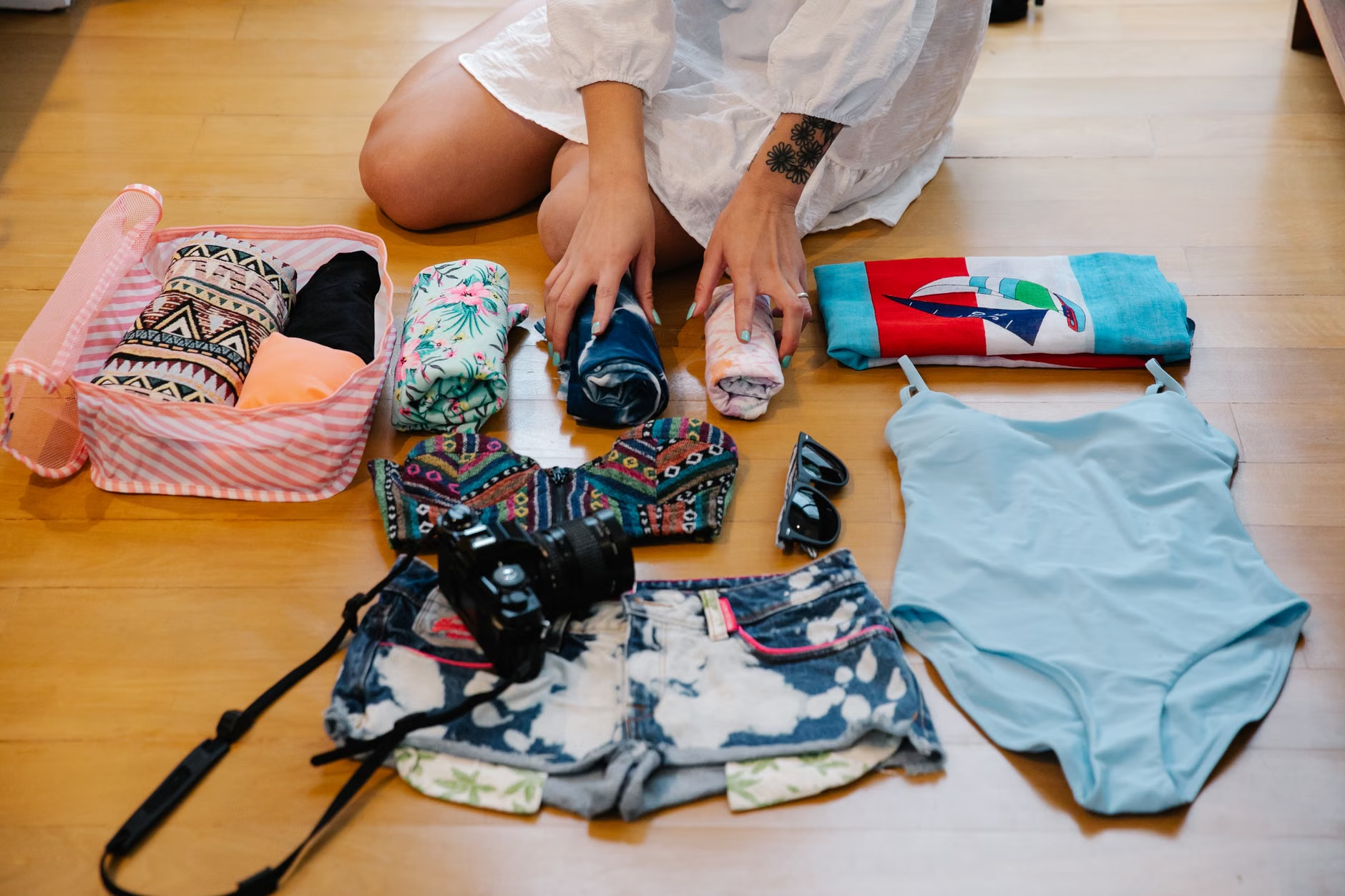
- Packing Cubes: These are essential for compression and organization. By categorizing items, you avoid the need to rummage through your suitcase, which is difficult in the confined space of a heritage train seat.
Checklist: The Essential Heritage Rail Packing List
| Category | Item | Why it matters for Seniors |
|---|---|---|
| Clothing | Lightweight Merino layers | Temperature regulation in drafty vintage carriages. |
| Footwear | Supportive walking shoes | Essential for navigating uneven station gravel and historic platforms. |
| Health | Medication organizer | Clear, accessible access to daily prescriptions. |
| Tech | Portable power bank | Historic trains rarely have power outlets at every seat. |
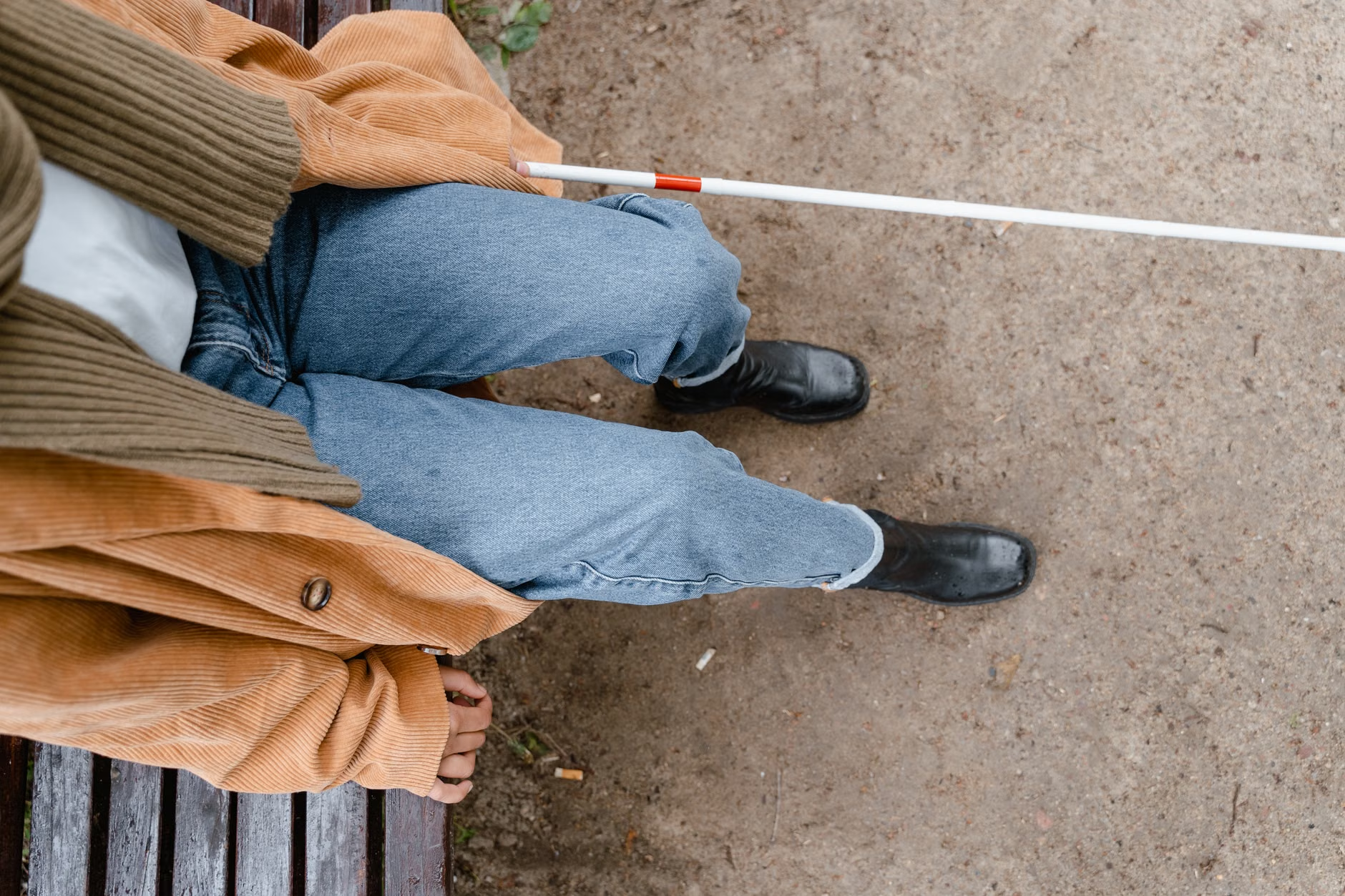
| Safety | Foldable cane | Provides stability without taking up significant space. |
Managing Mobility and Safety on Board
Heritage trains are often designed with narrow vestibules and tight turns. Managing your luggage while boarding and disembarking is the highest-risk activity of your trip.
The “Two-Piece” Rule
Stick to a “two-piece” luggage rule: one small, four-wheeled carry-on suitcase and one personal item (a crossbody bag or small backpack). Four-wheeled spinners are superior to two-wheeled rollers because they allow you to move the bag alongside your body rather than pulling it behind you. This posture is significantly better for your lower back and maintains your center of gravity, which is crucial for stability.
Safety Note: If you use a walking aid, ensure it is either foldable or easily stowed in an overhead rack. Never leave your luggage in the aisles, as these can become tripping hazards for both you and other passengers. Always keep your essential documents and medications in your personal item, which should remain with you at your seat at all times.
Travel by rail, while relaxing, can lead to stiffness and fatigue. The lack of ergonomic design in some heritage carriages means you need to be proactive about your comfort.
Preventive Comfort Strategies
- Hydration and Nutrition: Heritage trains may have limited catering. Bring a reusable water bottle and pre-packed, non-perishable snacks to avoid relying on erratic dining car schedules.
- Movement Breaks: Even if the train is moving, aim to stand up or stretch your legs every 60 to 90 minutes. This promotes circulation and reduces the risk of stiffness.
- Preparation for Emergencies: Always carry a printed list of your current medications, any known allergies, and emergency contact information in your wallet or a dedicated pocket in your personal bag.
If you have specific health conditions, such as chronic pain or mobility issues, do not hesitate to contact the rail operator in advance. Many heritage lines are happy to provide assistance with boarding or reserve a seat closer to the exit or the restroom, provided they receive notice at least 48 hours in advance.
The Hidden Variables of Heritage Travel
One aspect often overlooked is the difference between “tourist” heritage lines and “regional” older rolling stock. A tourist line might have staff to help with luggage, while a regional line using older carriages may have no staff presence at all. Researching the specific operator is your best defense against unexpected physical strain.
Furthermore, consider the “station-to-transport” gap. Many heritage stations are located in rural areas where taxis or public transport might be infrequent. A minimalist approach allows you to walk to your next connection if necessary, providing you with a level of freedom that someone struggling with heavy suitcases simply does not have.
Step-by-Step Packing Guide for Your Next Trip
Follow these steps to streamline your preparation process:
- Inventory Review: Lay out all your intended items on a bed or table. Remove 30% of what you think you need—you will likely find that you have overpacked.
- The “Test Walk”: Pack your suitcase and walk around your home for 10 minutes. If you feel strain in your back or shoulders, or if the bag feels unstable, remove more items.
- Electronic Organization: Consolidate all chargers into one small pouch. Ensure your digital tickets are downloaded to your phone, but always keep a printed copy as a backup in case of battery failure or poor signal.
- Final Check: Verify that your medication, glasses, and mobility aids are in your personal item, not the checked or overhead luggage.
Conclusion: Freedom Through Minimalism
Minimalist packing is a gateway to a more enjoyable travel experience. By reducing your physical load, you gain the freedom to focus on the scenery, the history, and the joy of the journey itself. Remember that the goal of heritage rail travel is to immerse yourself in the experience, not to manage a mountain of luggage. By planning ahead, prioritizing your physical comfort, and keeping your gear to the absolute essentials, you ensure that every mile traveled is one of comfort and confidence.
For more information on specific accessibility standards, consult the official website of the rail operator you are traveling with, as they will provide the most accurate information regarding carriage dimensions and platform accessibility. Always check official government travel portals for any updates on health requirements or transport regulations in the region you are visiting.
Frequently Asked Questions
1. Can I bring a full-sized suitcase on a heritage train?
While most heritage trains will allow it, it is strongly discouraged. Historic carriages often have very narrow aisles and limited luggage racks. A large suitcase will likely be impossible to stow safely, potentially blocking your exit or creating a hazard for others.
2. What should I do if I have mobility issues and need help boarding?
Most heritage rail operators provide assistance if requested in advance. Contact their customer service or accessibility department at least 48 to 72 hours before your departure to arrange for staff assistance at the platform.
3. Are heritage trains equipped with modern climate control?
Rarely. Most heritage trains rely on opening windows or basic heating systems. It is vital to dress in layers so you can adjust your comfort levels regardless of whether the carriage is drafty or overly warm.
Official resources for travel planning:
– Check your local national rail authority for specific passenger rights and accessibility policies.
– World Health Organization (WHO) Travel Advice: https://www.who.int/news-room/questions-and-answers/item/travel-advice