The landscape of housing for older adults is undergoing a fundamental shift as we approach 2026. Rather than isolating seniors in age-restricted communities, global trends are moving toward intergenerational living—a model that integrates different age groups into shared residential environments to foster social connection, mutual support, and sustainable living.
- Social Synergy: Intergenerational housing is not just about proximity; it is about intentional design that facilitates daily interaction between seniors and younger residents to combat social isolation.
- Universal Design as Standard: By 2026, the gold standard for these homes is “invisible accessibility”—features like zero-threshold entries and automated lighting that benefit all ages without looking institutional.
- Technology for Autonomy: Smart-home integration is increasingly focused on passive monitoring and voice-activated assistance, allowing seniors to maintain independence while providing peace of mind to family caregivers.
The Shift Toward Purposeful Intergenerational Design
The traditional approach to senior housing often prioritized segregation. However, the 2026 trend identifies “social capital” as a primary health metric. When an 80-year-old lives near a 25-year-old, the potential for informal care, shared hobbies, and mutual learning creates a more resilient living environment.
Why does this matter? Research consistently shows that social integration is as vital to longevity as nutrition and exercise. Intergenerational housing provides a natural buffer against the cognitive and emotional decline often associated with loneliness. In practice, this looks like shared common spaces—such as communal kitchens, hobby workshops, and rooftop gardens—where residents naturally intersect.
Defining the Models: From Co-Housing to Managed Complexes
It is crucial to distinguish between the various formats of intergenerational living, as each carries different financial and social expectations:
| Model | Key Characteristic | Best For |
|---|---|---|
| Intentional Co-Housing | Residents own private units but share extensive common facilities and decision-making. | Those seeking active community participation and shared governance. |
| University-Integrated Housing | Seniors live on or near campus, often trading rent for mentorship or social hours with students. | Those who value lifelong learning and a vibrant, youthful environment. |
| Adaptive Reuse Complexes | Renovated buildings (schools, offices) designed for mixed-income/mixed-age rental. | Those looking for urban convenience and proximity to public services. |
When choosing a model, consider your own desire for “active participation.” Co-housing requires time and energy for community meetings, whereas managed complexes offer more privacy with optional social events. If you are a person who thrives on autonomy but desires a safety net, an adaptive reuse complex might offer the best balance.

Universal Design: The 2026 Standard for All Ages
Universal design is the practice of creating environments that are accessible to everyone, regardless of age or physical ability. In 2026, the trend is moving away from “medicalized” accessibility features (like bulky grab bars) toward “integrated” features that look like high-end interior design.
Key Features to Look For:
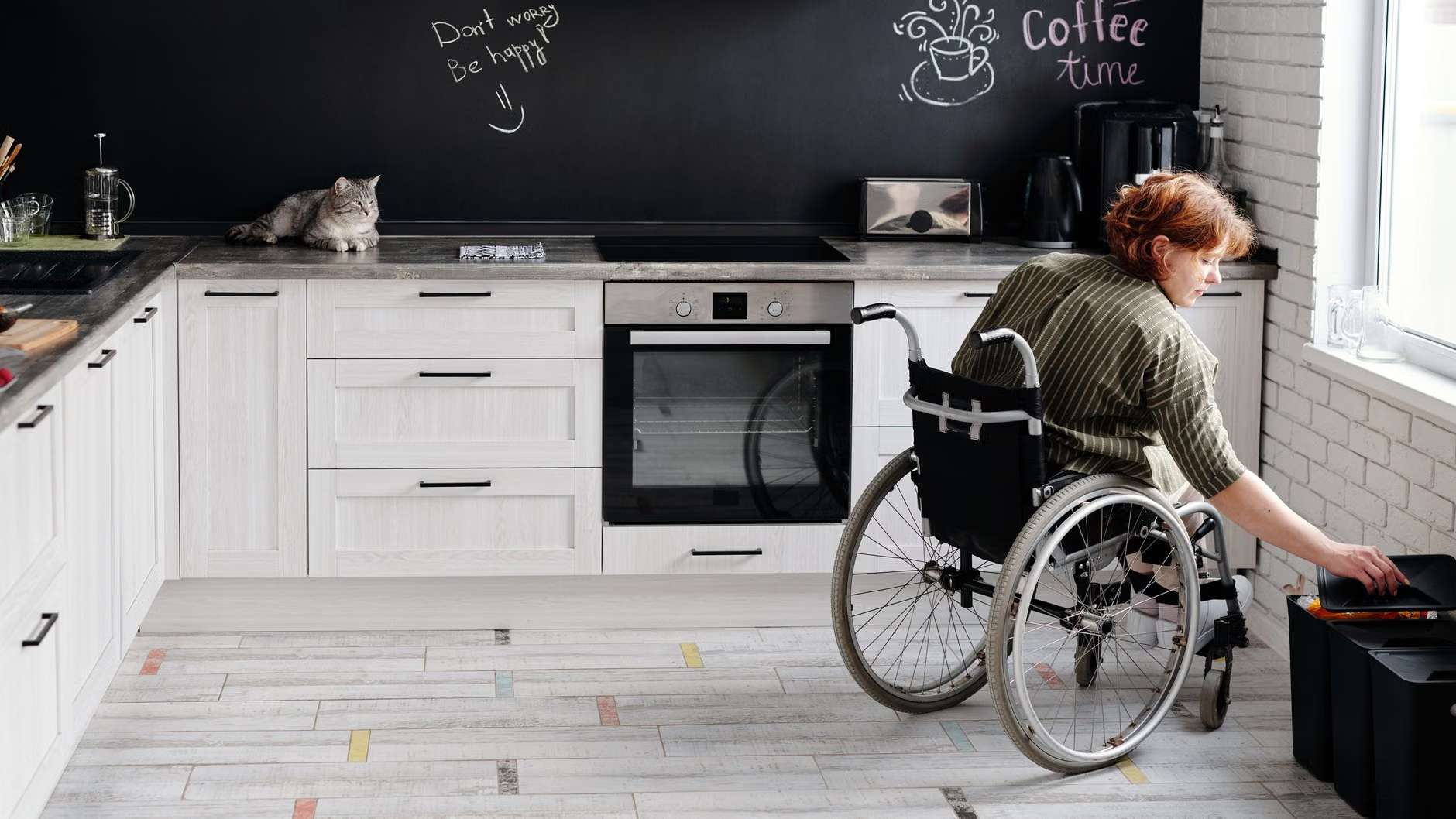
- Zero-Threshold Transitions: Floors that are completely flush between rooms and between indoor/outdoor spaces. This eliminates trip hazards and allows for easy wheelchair or walker access without modification.
- Adaptive Lighting: Automated, motion-activated lighting that follows a circadian rhythm, providing bright light during the day and soft, low-glare navigation lighting at night to prevent falls.
- Ergonomic Kitchens: Countertops with adjustable heights and pull-out shelving, ensuring that heavy items are stored at waist level rather than overhead or near the floor.
If you are currently evaluating your living space, look for “hidden” modifications. A common mistake is installing features that clearly signal “aged living,” which can be demoralizing. Instead, focus on high-quality, permanent solutions like walk-in showers with seamless floor drainage and wide-lever door handles. These modifications increase the home’s resale value while ensuring you can “age in place” for years to come.
The Role of Smart Technology in 2026
Technology in 2026 is moving from “active” (where the user must press a button) to “passive” (where the home detects changes in routine). For older adults, this is a game-changer for safety and autonomy.
What it looks like: Passive sensors installed in the home can detect if a resident has not entered the kitchen by a certain time or if there has been an unusual change in activity patterns. This data can be shared with a designated family member or caregiver, providing peace of mind without the need for intrusive cameras or wearable devices that the senior might forget to charge.
Practical Step: When considering smart home technology, prioritize systems that offer interoperability. Ensure your smart home devices use a unified standard, such as “Matter,” which allows devices from different manufacturers to communicate. This prevents you from being locked into a single ecosystem that might become obsolete or too expensive to maintain.
Financial and Legal Considerations for Intergenerational Living
Transitioning into an intergenerational living arrangement involves more than just physical moving. You must consider the legal and financial structures of your agreement. In many jurisdictions, shared housing agreements may impact your eligibility for specific government benefits or tax subsidies.
For example, in many parts of the European Union and North America, “granny flat” or Accessory Dwelling Unit (ADU) regulations have been relaxed to encourage intergenerational living. However, you must verify the zoning laws in your specific municipality. Before signing a lease or purchasing a unit in a co-housing community, consult with a financial advisor who specializes in estate planning to ensure that the ownership structure does not negatively impact your pension or healthcare coverage.

Strategic Planning for the Future
The choice to move into an intergenerational setting is a proactive decision. The most common pitfall is waiting until a health event forces a move, which limits your ability to choose the location and the community culture that best fits your personality.
Start your transition by auditing your current home. Ask yourself: “Can I safely navigate every room in my house if my mobility decreases by 20% over the next three years?” If the answer is no, you have two paths: modify your current home or begin researching intergenerational alternatives. The latter provides the added benefit of a built-in community, which is perhaps the most significant hedge against the risks of aging.
Remember, the goal of these 2026 trends is not to suggest that older adults cannot live alone, but rather to highlight that the most successful living arrangements are those that offer a balance of independence and community. By choosing a home that is designed for the future—one that is physically accessible and socially integrated—you are setting the stage for a more secure and fulfilling next chapter.
Frequently Asked Questions (FAQ)
1. Is intergenerational housing more expensive than traditional senior living?
It varies significantly. Co-housing models often involve a lower cost of living due to shared resources (utilities, maintenance, and food), whereas purpose-built intergenerational complexes in urban centers can be priced at market rates. Always compare the “total cost of ownership,” including maintenance, association fees, and potential savings on social services or care.
2. How do I find intergenerational housing options in my area?
Start by searching for “co-housing communities” or “intergenerational residential programs” in your local region. Many universities now have programs that offer housing to seniors in exchange for volunteer hours or social interaction. Check your local municipal planning department’s website for information on “multi-generational zoning” or “ADU initiatives” as these are often tied to new residential developments.
3. Are there privacy concerns with intergenerational living?
Privacy is a common concern, but modern architectural design addresses this through the “layered privacy” approach. This means that while common areas are shared, private units are soundproofed and equipped with their own entrances, kitchens, and bathrooms. You can choose to engage with the community as much or as little as you like, maintaining full control over your personal space.
Disclaimer: This article is for informational purposes only and does not constitute financial, legal, or medical advice. Always consult with qualified professionals before making significant changes to your living situation or financial arrangements. For more information on aging in place, visit your national health authority’s official portal, such as the National Institute on Aging (USA) or your country’s equivalent public health resource.