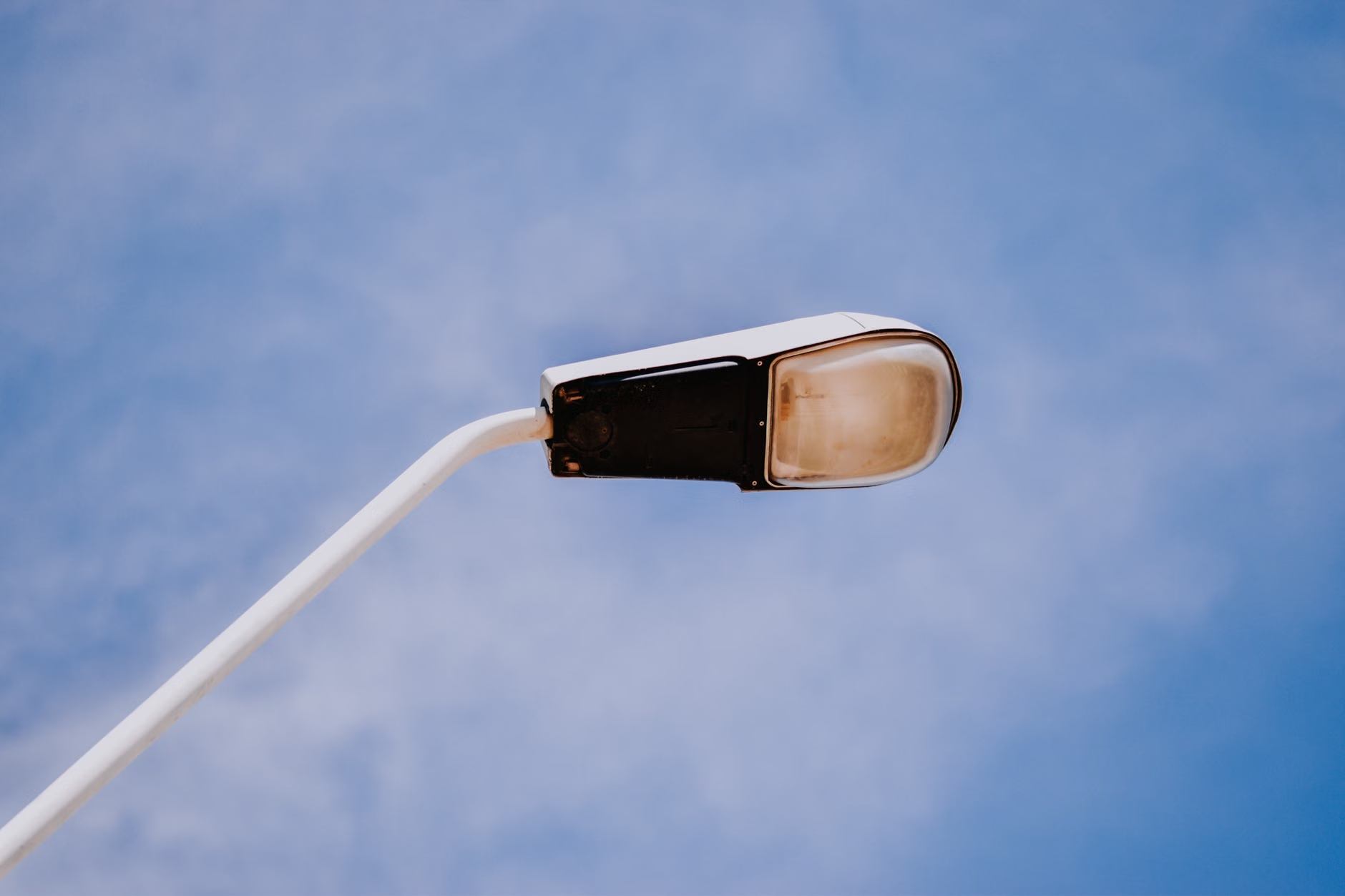
- Glare Reduction is Key: 2026 standards prioritize “warm” color temperatures (below 3000K) and shielded fixtures to reduce eye strain and improve depth perception.
- Adaptive Technology: Modern lighting now utilizes motion sensors to increase brightness only when pedestrians are present, balancing energy efficiency with personal safety.
- Uniformity Over Intensity: Increased brightness is often less effective than consistent light distribution; 2026 designs focus on eliminating “dark spots” that create tripping hazards.
As of 2026, urban planning and public infrastructure have entered a new era of age-inclusivity. For adults aged 60 to 80, the way public spaces are illuminated at night is no longer just about “more light”—it is about the quality and consistency of that light. As our eyes naturally change, requiring more light to see the same level of detail, the shift toward “human-centric lighting” in public parks, transit hubs, and residential streets is a significant development for maintaining independence and mobility after dark.
Understanding Why Lighting Quality Matters More Than Brightness
There is a common misconception that brighter streetlights are always safer. However, for the aging eye, excessive brightness—especially when poorly directed—causes glare. Glare creates a “blinding” effect that obscures obstacles, making it harder to judge the depth of a curb or the texture of a sidewalk.
In 2026, international standards for age-friendly lighting are focusing on three critical physiological factors:
- Reduced Contrast Sensitivity: Older eyes struggle to distinguish between an object and its background. Proper lighting must provide high-contrast illumination on pathways.
- Longer Recovery Time: If an older adult looks into a harsh, unshielded light, their eyes take significantly longer to adjust back to the darkness.
- Depth Perception: Shadows created by overhead lights can be misinterpreted as holes or steps, leading to hesitation or falls.
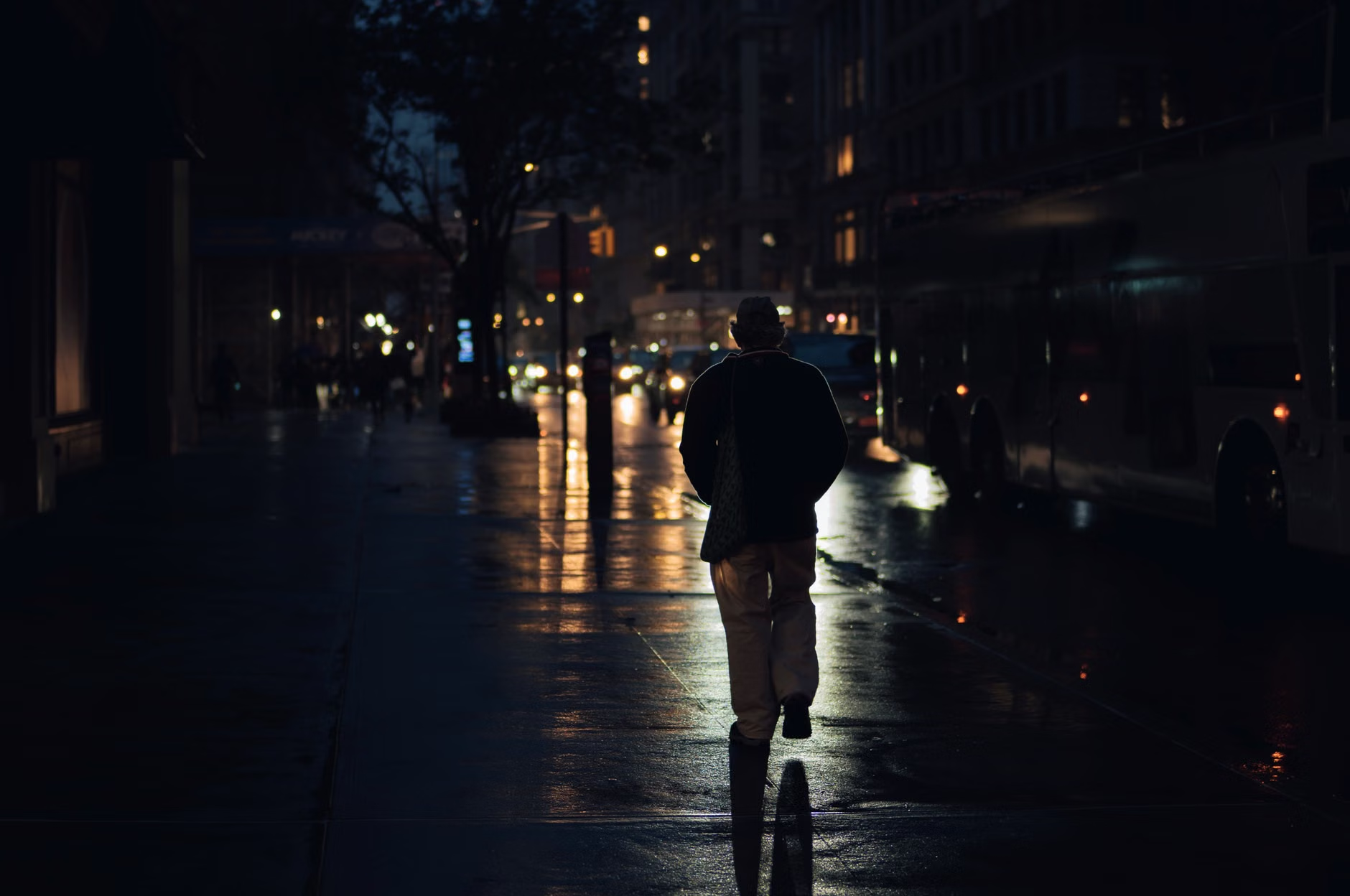
The 2026 shift moves away from high-intensity blue-toned LED lights toward “warm-spectrum” lighting. These lights emit a softer, yellow-tinted glow that mimics natural sunset tones, which is easier on the eyes and provides better color rendering, allowing you to see the true color of surfaces like pavement or stairs.
The Rise of Adaptive Motion-Sensing Infrastructure
One of the most practical advancements you will encounter in 2026 is the implementation of “dynamic lighting.” In the past, streetlights were either on or off, often leaving residential pathways dim to save energy. Today, many cities are installing smart-sensor lighting.
How It Works in Your Daily Life
Imagine walking through a local park at 8:00 PM. As you approach a section of the path, the lights ahead brighten gradually, illuminating the ground clearly. As you pass, the lights behind you dim slightly, while the lights ahead continue to brighten. This ensures that the area immediately surrounding you is always well-lit, eliminating the “dark pockets” that often cause anxiety for walkers.
Why this matters for your safety:
- Predictability: You are never walking into a pitch-black zone.
- Reduced Glare: Because the lights don’t need to be at maximum intensity 24/7, they can be designed with optics that focus the light on the ground rather than into your eyes.
- Energy Sustainability: Cities are more likely to install these systems in residential areas because they are cost-effective, meaning your neighborhood is more likely to be upgraded sooner.
Evaluating Your Local Environment: A Practical Checklist
Not every city upgrades its infrastructure at the same pace. If you are concerned about the lighting in your neighborhood, you can use the following criteria to assess if your walking routes are “age-ready.”
| Feature | Age-Friendly Indicator | What to Look For |
|---|---|---|
| Light Color | Warm Spectrum (2700K – 3000K) | Avoids harsh blue/white light. |
| Light Distribution | Uniformity | No distinct “pools” of light and dark. |
| Fixture Design | Full Cut-off | Light is directed down, not into your eyes. |
| Transition Zones | Gradual changes | Lighting levels change slowly between streets. |
If you notice that your local park or street has “spotty” lighting (where you move from bright light into deep shadow), this is a tripping hazard. In such cases, the best approach is to report the location to your local municipal council or public works department. When making a report, use terms like “inconsistent illumination” or “high-glare fixtures” to highlight that the issue is a safety concern rather than just a preference.
While infrastructure is improving, you can take personal steps to ensure your walks are as safe as possible. If you enjoy evening exercise or visiting friends after dark, consider these strategies:
- Prioritize Familiar Routes: Even if a new park has “state-of-the-art” lighting, your brain is faster at navigating environments you know well. Stick to your regular routes during the evening hours.
- The “Three-Second” Rule: When you enter a new lighting zone, stop for three seconds. This allows your pupils to adjust to the new light intensity, which is critical for depth perception.
- Use High-Visibility Accessories: Even in well-lit areas, wearing a small reflective strip on your jacket or shoes helps drivers and cyclists spot you instantly, even if they are momentarily blinded by oncoming glare.
- Check Footwear: Ensure your shoes have non-slip, high-traction soles. Lighting can sometimes hide wet leaves or small patches of ice, and proper footwear is your secondary line of defense.
Advocacy: How to Request Better Lighting in Your Neighborhood
Many jurisdictions now have specific “Age-Friendly City” initiatives. These are not just buzzwords; they are formal policy frameworks often linked to the World Health Organization (WHO) guidelines. If your community is struggling with poor lighting, you have the right to request improvements based on these standards.
Steps to Take:
- Identify the Authority: Determine if your street lighting is managed by the city, the local council, or a private utility company.
- Document the Issue: Take photos during the day and night of the same location. This helps officials see exactly where the light is failing to reach the ground.
- Use Official Channels: Look for “Public Service Request” forms on your local government website. Avoid vague complaints; instead, state: “The current lighting at [Location] creates significant shadows that pose a tripping hazard for older residents.”
The Intersection of Lighting and Digital Public Services
By 2026, we are also seeing the integration of “Smart City” apps. In many major cities, you can now use a mobile app to check the status of streetlights or report a flickering light in real-time. These apps often provide a map of “well-lit routes” that have been audited for accessibility. If you are comfortable using a smartphone, check if your local city portal has a “Safety Map” or “Accessibility Audit” feature.
For those who prefer not to use apps, call your local council’s non-emergency line. Ask specifically if they have an “Accessibility Audit” for your neighborhood. You might be surprised to find that many cities have an established budget to improve lighting in areas where seniors reside, but they rely on residents to point out where the need is greatest.
Addressing Common Concerns and Myths
A frequent concern is that “smart” lights might be invasive or record data. It is important to clarify that most 2026 public lighting upgrades are purely for illumination and energy conservation. Motion sensors are typically passive infrared sensors—they detect movement, not images or identity. They are not cameras, and they do not track your personal data.
Another myth is that LED lights are “bad for health.” This stems from early LED models that were very high in blue light. Modern, high-quality public lighting is specifically engineered to filter out the blue spectrum, making it safe for your circadian rhythm (sleep-wake cycle). When in doubt, look for fixtures that are labeled as “Dark Sky Compliant” or “Warm-Spectrum,” as these are the gold standard for both environmental and human health.
Deepening Your Understanding: The Future of Urban Mobility
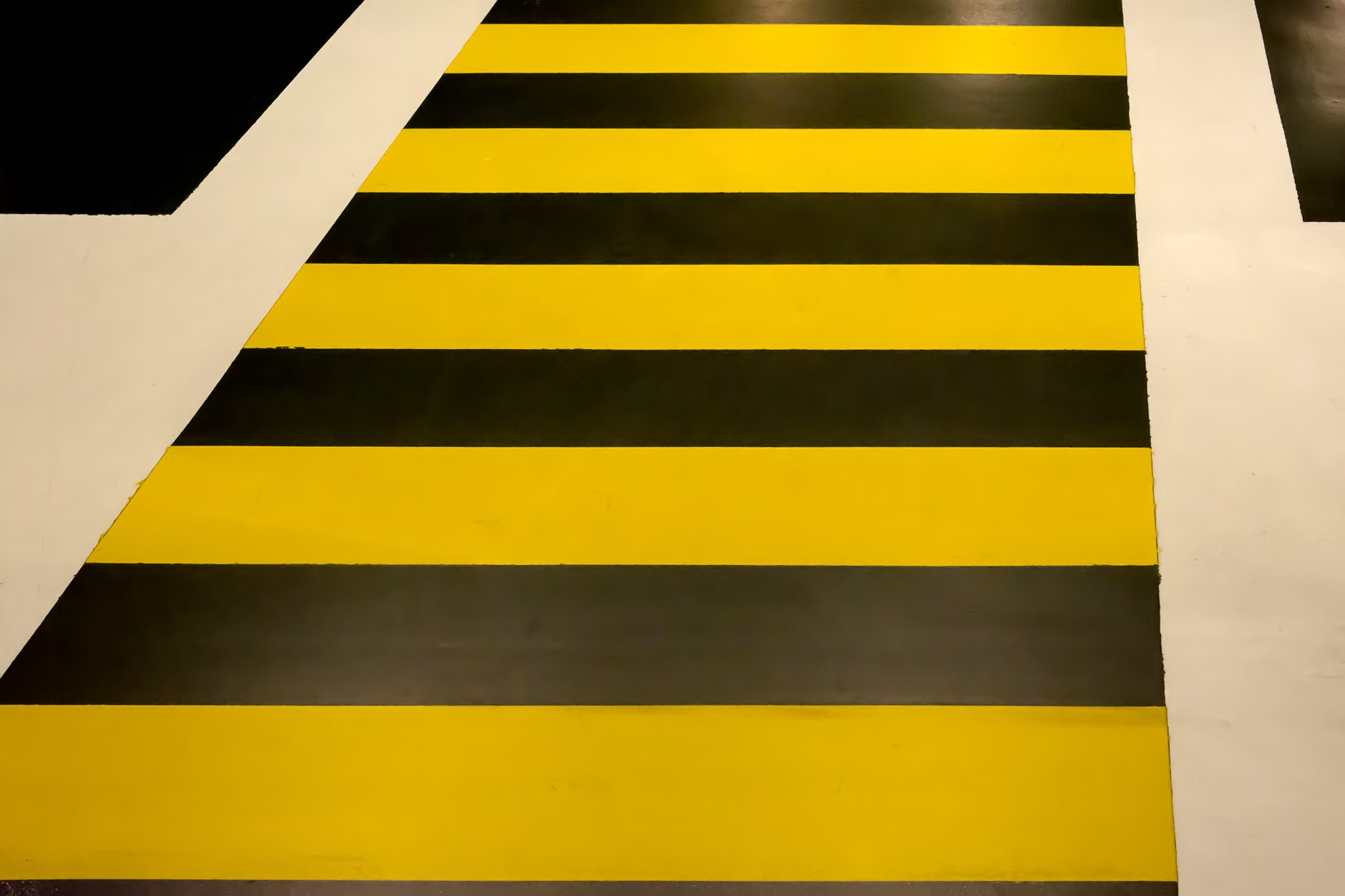
As we look toward the later part of the decade, the integration of ground-level lighting—such as LED strips embedded in the pavement at crosswalks—will become more common. These are particularly helpful for older adults because they illuminate the transition from sidewalk to street, where most falls occur. When you see these, notice how they clearly delineate the “safe zone” for pedestrians. If you have the opportunity to participate in local urban planning meetings or community forums, advocating for these ground-level markers is a high-impact, low-cost way to improve safety in your area.
Remember, the goal of these advancements is to support your continued engagement with your community. Nighttime should not be a barrier to your hobbies, social life, or physical activity. By understanding what constitutes good, age-inclusive lighting, you can make better decisions about where you walk and how you advocate for the safety of your neighborhood.
Frequently Asked Questions
- Why do streetlights seem to turn off or dim when I am walking?
This is likely an adaptive motion-sensing system designed to save energy. The lights are intended to brighten as you approach. If they do not brighten in time, this is a technical issue that should be reported to the city’s maintenance department. - Does “warm” lighting mean it will be too dim to see?
No. “Warm” refers to the color spectrum (yellow/amber tones) rather than the intensity. In fact, many people find that warm light provides better contrast, making it easier to see the texture of the ground and potential obstacles compared to the harsh glare of “cool” blue/white light. - How can I find out if my city has an age-friendly lighting policy?
Search your local government website for “Age-Friendly City Plan” or “Accessibility Action Plan.” Many cities that have joined the WHO Global Network for Age-friendly Cities and Communities specifically include public lighting standards in their policy documents.
For further reading on global standards for lighting and accessibility, visit the World Health Organization’s Global Age-friendly Cities Guide.