- Verify Accessibility First: Always check official library websites or call ahead to confirm the location of elevators, accessible restrooms, and level-entry access points before visiting.
- Manage Your Stamina: Historic buildings often involve significant walking and hard seating; plan for frequent breaks and consider bringing a portable cushion or your own lightweight seating aid.
- Prepare Your Research: Many historic libraries require pre-registration or appointment booking for specific collections; confirm these requirements online to avoid unnecessary travel.
Historic library reading rooms offer an unparalleled atmosphere for study, reflection, and appreciation of architecture. However, these centuries-old structures often present unique physical challenges. Navigating them successfully requires a blend of careful planning, an understanding of your own mobility needs, and knowledge of how to utilize available institutional support.
Understanding the Physical Landscape of Historic Libraries
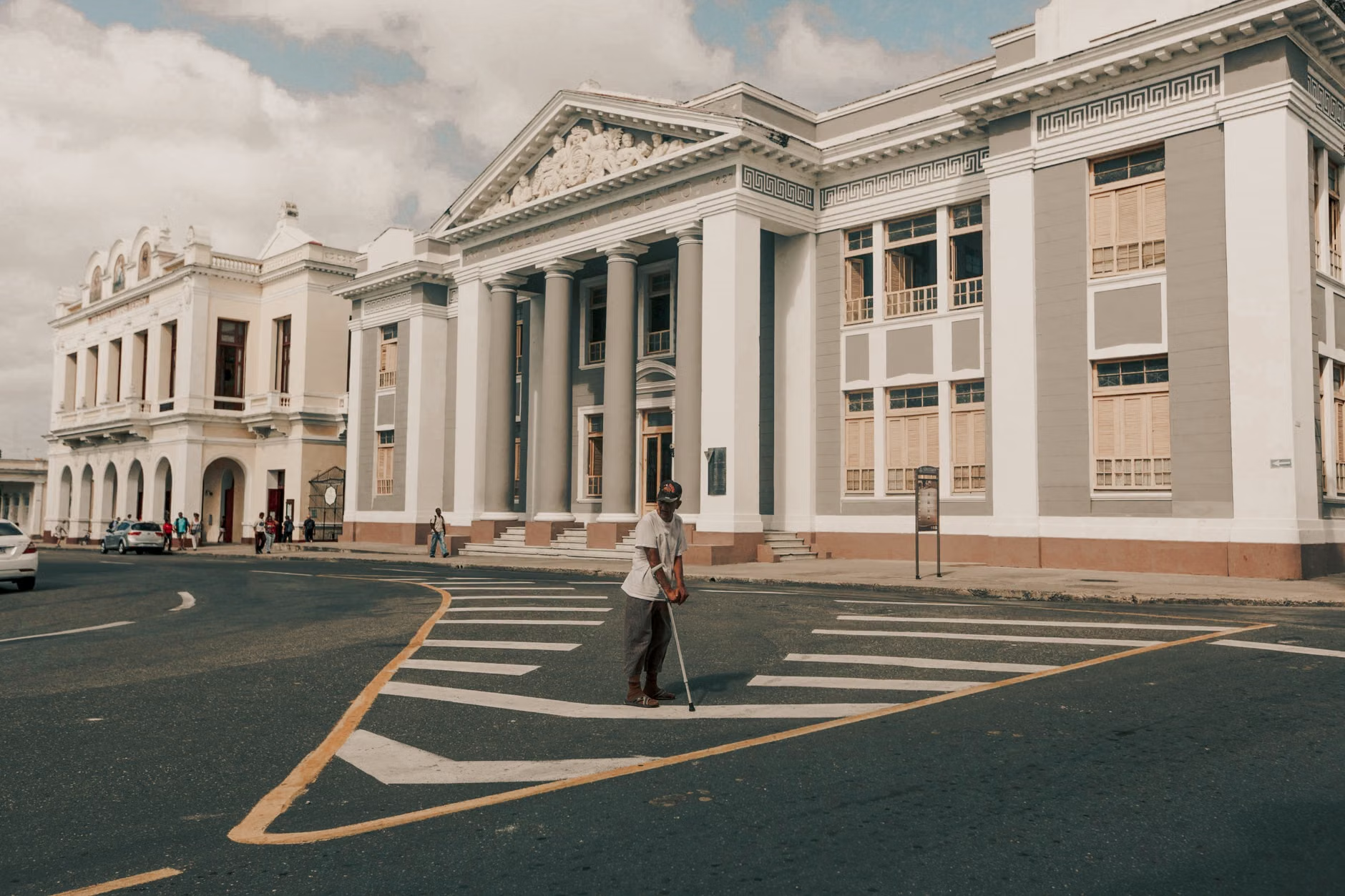
Historic libraries were rarely built with modern accessibility standards in mind. Thick stone walls, grand staircases, and uneven flooring are hallmarks of their charm, but they can be obstacles for visitors with reduced mobility. Understanding what to expect is the first step in ensuring your visit remains an enjoyable experience rather than a physical struggle.
The Challenge of “Grand” Architecture
Many historic reading rooms are located on upper floors, accessed by sweeping, ornate staircases. While these are visually stunning, they are often the primary barrier to entry. When planning a visit, do not assume that the main entrance is the accessible one. Older institutions often have modernized entrances hidden in side wings or basement levels that connect to elevators.
Practical Decision Rule: If you are traveling with a mobility aid, such as a cane or walker, always search the library’s website for an “Accessibility” or “Visitor Services” page. If this information is missing, call the visitor services desk directly. Ask specifically: “Is there a level-entry path from the street to the reading room?” and “Are there any steep gradients or heavy doors that require assistance?”
Lighting and Sensory Considerations
Historic reading rooms often favor low-level, ambient lighting to protect fragile documents. While this creates a serene environment, it can make navigation and reading difficult for those with visual impairments. You may find that the contrast between the bright outdoor light and the dim interior causes a period of adjustment. Allow yourself 10 to 15 minutes to sit in the lobby or a transition area to let your eyes acclimate before attempting to navigate the library stacks.

Pre-Visit Preparation: Managing Logistics and Stamina
The most common mistake visitors make is treating a historic library like a modern public building. Modern libraries are designed for high-traffic, quick-turnover browsing; historic research libraries are designed for preservation and quiet, sustained study. Preparation is the key to minimizing fatigue.
The Importance of Appointment Booking
Many major historic libraries, such as the Bodleian in Oxford or the New York Public Library’s Rose Main Reading Room, require specific protocols for accessing certain sections. Check if you need to register for a reader’s card or reserve a desk in advance. For older adults, this is not just a bureaucratic hurdle—it is a tool for comfort. Having a confirmed seat ensures you will not have to wander the building looking for a place to rest.
Packing for a Full Day
Your “library kit” can significantly improve your comfort levels. Because these buildings are often drafty in winter or poorly ventilated in summer, dressing in layers is essential. Furthermore, historic wooden chairs are rarely ergonomic. Carrying a slim, foldable seat cushion can make a three-hour reading session far more sustainable for your back and hips.
| Item | Why it matters |
|---|---|
| Portable Cushion | Adds essential lumbar support for long periods on hard wooden chairs. |
| Digital Magnifier | More portable and adjustable than traditional glass magnifiers. |
| Hydration/Snacks | Many historic libraries restrict food and drink; check if you can keep a sealed water bottle in your bag. |
| Noise-Canceling Headphones | Helps maintain focus in large, echoey halls where ambient noise can be distracting. |
When reviewing this table, consider your specific needs. If you have lower back sensitivity, the cushion is non-negotiable. If you struggle with ambient noise, prioritize the headphones. The goal is to create a “controlled environment” within the public space.
Once you arrive, the priority shifts to safe movement. Historic libraries often feature highly polished stone or marble floors, which can be slippery. Wearing shoes with high-traction rubber soles is a simple but effective safety measure.
Identifying “Rest Zones”
Do not attempt to walk the entire perimeter of a historic library in one go. Identify “rest zones” upon entering. These are typically the lobby, the gift shop, or the cafe. Use these spaces to sit and monitor your energy levels. If you find yourself becoming breathless or experiencing joint pain, it is a sign that you have reached your limit for that specific session. Return to a rest zone immediately.
Understanding Staff Assistance
Library staff are trained to assist, but they may not always know your specific needs unless you communicate them clearly. If you require help reaching a book on a high shelf, or if you need to find the nearest accessible restroom, do not hesitate to ask. These institutions are public-facing and have a duty of care to ensure all patrons can participate in the services provided.
Health and Well-being: Avoiding Common Pitfalls
The biggest risk to an older adult in a historic library is “over-exertion through interest.” When we are engaged in a hobby or research, we often ignore the body’s signals of fatigue. This can lead to increased fall risk or post-visit exhaustion.
Pacing Strategy
Apply the “Rule of 45/15.” For every 45 minutes of reading or browsing, take 15 minutes of active rest. This does not mean sitting in the same chair; it means standing up, stretching your legs, or walking to a different area of the room. This movement is critical for maintaining blood flow and preventing stiffness, especially in older joints.
Hydration and Temperature Regulation
Historic libraries are often kept at specific temperatures to preserve paper (usually cooler). You may not feel thirsty, but dehydration can set in quickly in these climate-controlled environments. Keep a small bottle of water accessible, and if your health condition requires specific temperature management, verify the library’s internal temperature before your visit. Some libraries allow you to check this on their website or via a quick phone call to the facilities manager.

Technological Aids and Digital Access
Many historic libraries have digitized their catalogs. Before you visit, spend time on their website. You can often view high-resolution images of documents or books online, which might save you the physical effort of handling them in person. If you do go, you can use your tablet or smartphone to take photos of pages for later review, rather than straining your eyes or posture over the physical volume for hours.
The Role of Assistive Technology
Modern tablets now have excellent accessibility features, such as screen zooming and high-contrast modes. If you are researching, consider bringing a tablet to transcribe notes. This is often easier than handwriting, which can be taxing on the hands during long sessions.
Conclusion: Making the Experience Your Own
Visiting a historic library should be a rewarding intellectual experience, not a test of endurance. By prioritizing your physical needs—through pre-visit research, appropriate packing, and strict pacing—you can navigate these spaces with confidence. Remember that the value of the library lies in the knowledge and beauty it offers; your goal is to experience that with as little physical strain as possible.
If you find that a particular library is simply too inaccessible, do not feel discouraged. Many institutions are in the process of retrofitting, and calling ahead to provide feedback on their accessibility can sometimes prompt them to improve signage or facilities for future visitors. Your comfort and safety are the most important parts of the journey.
Frequently Asked Questions (FAQ)
1. Can I bring my own walker or mobility aid into the reading room?
Yes, in almost every case, mobility aids are permitted. However, some historic libraries have narrow aisles between bookshelves. It is a good idea to check with the staff at the entrance about which paths are wide enough for your specific equipment.
2. Are there elevators in all historic library buildings?
Most public-facing historic libraries have installed elevators to meet modern disability legislation (such as the Americans with Disabilities Act in the US or the Equality Act in the UK). However, they may be located in service corridors rather than the main hall. Always ask staff for the “accessible route” upon arrival.
3. Is it common for historic libraries to be cold?
Yes, many libraries keep their reading rooms at lower temperatures (often around 18-20°C or 64-68°F) to slow the deterioration of paper and bindings. Always bring an extra layer, such as a cardigan or light jacket, even if the weather outside is warm.
For further information on accessibility standards, you can consult resources such as the Americans with Disabilities Act (ADA) guidelines or your local government’s equivalent disability access portal.