- Prioritize “flat-surface” destinations by researching ground materials; avoid locations dominated by uneven cobblestones, which can cause tripping hazards and joint strain.
- Use digital satellite mapping tools to scout for “rest-stop density,” ensuring there is a bench or café seating every 50 to 100 meters along your planned route.
- Confirm the location of accessible public toilets and mid-day transit hubs before you arrive to manage your stamina effectively and avoid unnecessary physical exertion.
Historic market squares are the heart of many global cities, offering a window into centuries of culture and architecture. For travelers between the ages of 60 and 80, these sites offer a unique blend of leisure and education. However, the charm of “historic” often comes with the challenge of “uneven infrastructure.” Selecting the right destination requires a strategic approach to mobility, stamina, and facility access.
The Importance of Ground Composition: Beyond Aesthetics
The primary barrier in historic market squares is almost always the ground surface. While cobblestones are synonymous with historic charm, they are the most significant obstacle for travelers with limited balance or joint sensitivity.
Assessing Walking Surfaces
When choosing a destination, categorize the ground surface into three tiers:
- Tier 1 (Optimal): Smooth, modern paving or flat-cut stone slabs. These allow for easy movement with canes, walkers, or standard footwear.
- Tier 2 (Moderate): Well-maintained, tightly fitted stone blocks. These are stable but require careful footwear with good grip.
- Tier 3 (Challenging): Rounded, loose, or widely spaced “river-stone” cobblestones. These surfaces are prone to shifting and create significant unevenness, which increases the risk of tripping or ankle fatigue.
Before booking, use satellite view tools like Google Maps to zoom into the street level of the central square. If you see large gaps between stones or a highly irregular texture, look for secondary routes or alternative squares within the same city that feature modern, flat walkways.
Strategic Pacing: The “Rest-Stop Density” Rule
Many travelers overestimate their stamina when planning a day in a new city. In a historic square, the lack of shade and the abundance of crowds can quickly exhaust even the most active senior. The “Rest-Stop Density” rule is a practical framework to ensure your day remains enjoyable.
Implementing the 100-Meter Bench Protocol
A comfortable travel pace for many adults in the 60-80 age range involves a rest period every 15 to 20 minutes of walking. In a market square, this translates to finding a place to sit every 50 to 100 meters.
| Feature | What to Look For | Why It Matters |
|---|---|---|
| Cafe Seating | Outdoor chairs with back support | Provides a legitimate reason to rest while observing the square. |
| Public Benches | Armrests and backrests | Essential for those who need assistance standing up after sitting. |
| Peripheral Walls | Flat, waist-high ledge walls | Can serve as a temporary perch if designated seating is occupied. |
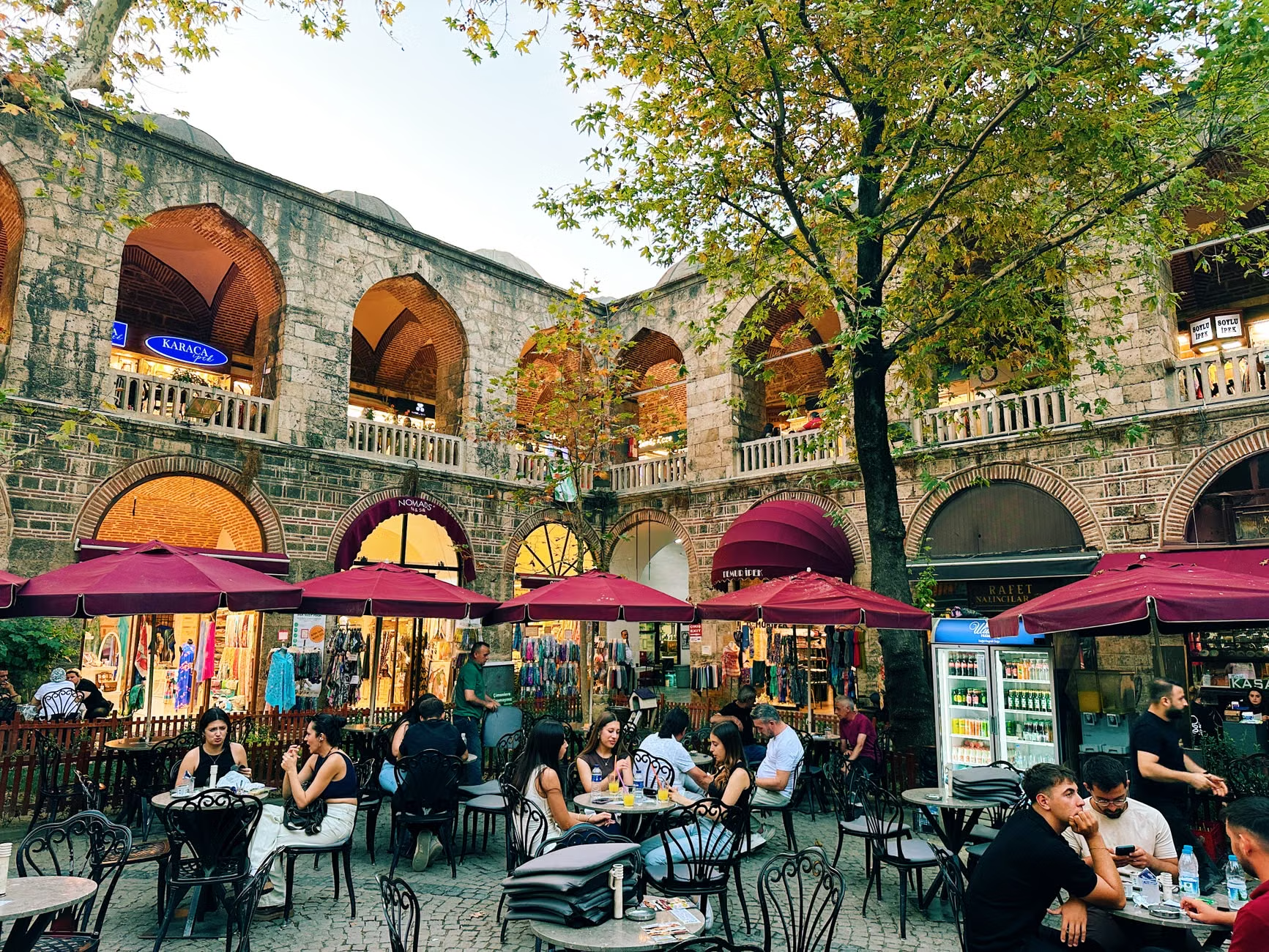
If a square lacks these features, it is likely not suitable for a long afternoon visit. Always prioritize squares that are surrounded by cafes, as these businesses are more likely to offer accessible seating options compared to open, empty plazas.
Managing Mobility and Transport Logistics
Reaching the square is often as important as being in it. Historic centers are frequently pedestrianized, meaning public transport stops may be located several hundred meters away from the actual market.
The “Last 500 Meters” Check
Before finalizing your itinerary, investigate the distance between the closest transit stop (bus, tram, or taxi drop-off) and the center of the square. A common mistake is assuming that “central” means “accessible.”
- Taxi/Rideshare: Determine if the square allows vehicles to enter. If not, ask the driver for the “closest accessible drop-off point,” which is often a specific hotel or public building entrance on the edge of the pedestrian zone.
- Public Transit: Check if the local transit authority provides a “low-floor” guarantee for the specific bus line serving the historic district. In cities like Vienna or London, official transit apps often label routes with accessibility symbols indicating step-free access.
Public amenities in historic areas are notoriously difficult to find. Many historic buildings lack elevators, and older public toilets may be located down steep staircases.
The “Facility Checklist” for Your Day Trip
Before you depart your accommodation, confirm the following:
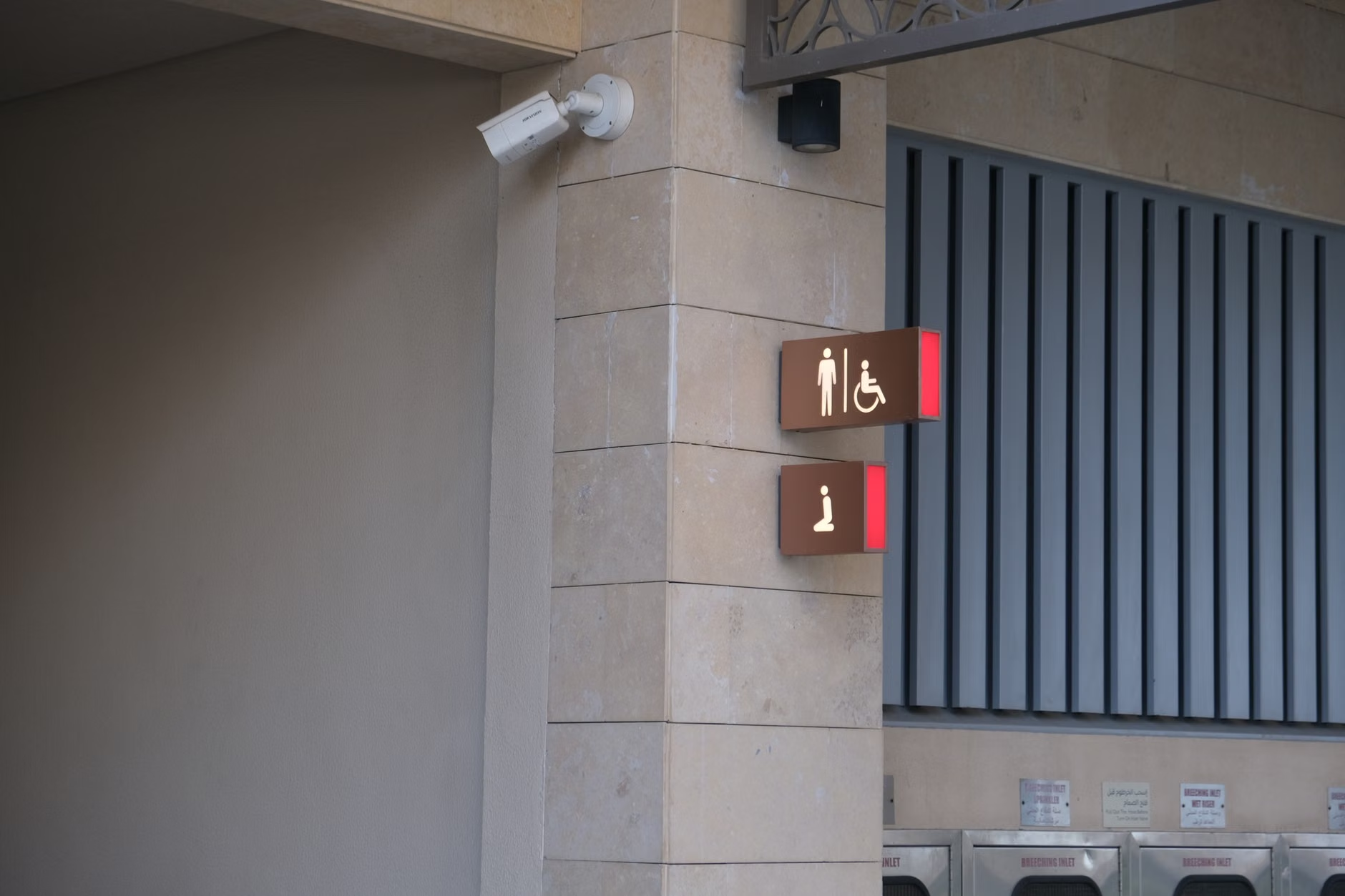
- Restroom Proximity: Identify at least two public, accessible restrooms within 200 meters of the square. Use apps like “Flush” or city-specific accessibility maps.
- Emergency Support: Note the location of the nearest pharmacy or tourist information center. These are the best places to find help if you experience a sudden fatigue or minor medical issue.
- Climate Control: If the square has no shade, check the weather forecast. If temperatures exceed 28°C (82°F), plan your visit for the early morning (before 10:00 AM) or late afternoon (after 4:00 PM) to avoid heat exhaustion.
Ensuring Comfort: Footwear and Assistive Devices
The choice of equipment is a personal decision that impacts your entire experience. For historic squares, comfort is not about fashion; it is about stability.
Footwear Selection Criteria
Avoid heels, flip-flops, or shoes with thin, flexible soles. Your shoes should have a firm, non-slip rubber outsole and adequate arch support. If you use a cane, consider a “large base” rubber tip, which provides better traction on wet or uneven stone surfaces than a standard small tip.
Assessing the Need for a Portable Seat
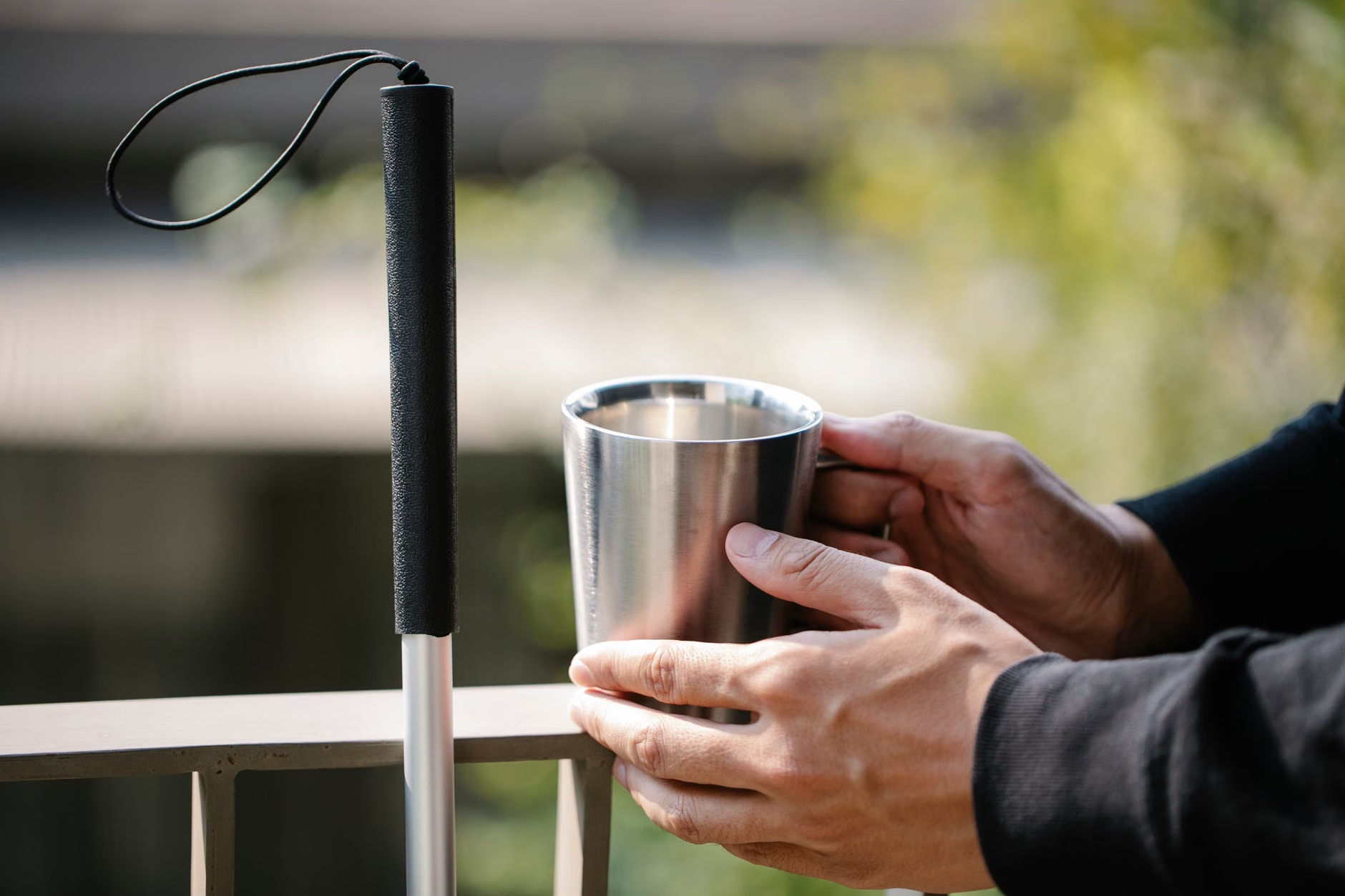
If you have concerns about stamina, a lightweight, foldable cane-seat is a game-changer. These devices act as a walking aid while closed and offer an instant, stable seat when opened. They are particularly useful in crowded squares where all public benches are occupied.
Hidden Variables in Historic Travel
Beyond the obvious physical layout, consider these two overlooked variables that can determine the success of your trip:
1. The Crowd Factor
A square might be physically accessible, but if it is packed with thousands of tourists, your mobility will be restricted. Crowds create a “bottleneck effect,” where you are forced to move at the speed of the slowest person in the group. Always check local festival calendars. If a market square is hosting a seasonal event, it will likely be too crowded for comfortable, safe navigation.
2. The “Sun Glare” Variable
Historic squares are often paved with light-colored limestone or marble. In bright sunlight, this creates significant glare, which can be disorienting or difficult for those with vision sensitivities. Polarized sunglasses are not just a luxury; they are a functional tool for maintaining spatial awareness on bright, reflective stone surfaces.
Conclusion: Building Your Custom Travel Plan
Selecting an accessible historic market square is about matching the environment to your personal mobility profile. By focusing on surface texture, rest-stop density, and the logistics of the “last 500 meters,” you can enjoy the cultural richness of these historic sites without compromising your safety or comfort.
Remember that the best travel experience is one that allows you to remain in control. If a location does not meet your accessibility needs, do not hesitate to choose an alternative. There are countless historic locations globally that have invested in modern infrastructure—you simply need to apply the right criteria to find them.
Frequently Asked Questions
1. How can I find out if a historic square has accessible restrooms before I travel there?
Most major tourist cities provide an “Accessibility Map” on their official government or tourism website. Search for “[City Name] accessibility map” or “[City Name] public toilet map.” These resources often highlight locations with step-free access and disabled-friendly facilities.
2. What should I do if I find myself in a historic square and realize I am too tired to continue?
Do not attempt to walk back to your transport if you are feeling fatigued. Look for the nearest hotel lobby or high-end cafe. These venues are generally welcoming to individuals who need to sit and rest for a few minutes while they arrange a taxi or wait for a transit connection. Staying hydrated and resting in a cool environment is your immediate priority.
3. Are there specific apps that help older travelers navigate historic districts?
Yes, apps like Wheelmap are excellent for identifying the accessibility of public spaces, even for those who do not use wheelchairs. The information provided by the community on these platforms gives a very accurate picture of whether a location has stairs, curbs, or flat entries. Additionally, Google Maps “Street View” remains the most reliable tool for conducting a visual “pre-trip” inspection of the ground surface.
Disclaimer: This article is for informational purposes only and does not constitute medical or professional travel advice. Always assess your personal physical condition and consult with your healthcare provider if you have concerns regarding your mobility or stamina during travel.