- The 2026 international guidelines mandate ergonomic features like armrests and back support to reduce the physical strain of sitting and standing.
- New standards emphasize “strategic placement,” ensuring seating is located at frequent intervals to support those with varying stamina levels.
- Accessibility now includes “clearance zones,” ensuring that benches are not just accessible by foot, but also provide space for walkers, canes, and wheelchairs.
The year 2026 marks a significant shift in how urban planners and park authorities approach public space design. Updated international guidelines now prioritize the specific physical needs of adults aged 60 to 80, moving beyond simple aesthetics to focus on functional, safe, and inclusive seating. For older adults, these changes are not merely about comfort; they are about maintaining the stamina required to enjoy outdoor exercise, social interaction, and independent mobility.
The Evolution of Park Seating: Why 2026 Standards Matter
Historically, public park seating was often designed with durability and low maintenance as the primary goals. While these remain important, the 2026 international consensus—led by organizations such as the World Health Organization (WHO) and various global urban design councils—recognizes that an aging global population requires a more nuanced approach. The core premise of the 2026 update is that seating should act as a “mobility aid” rather than just a place to rest.
Why does this matter? For many older adults, the decision to take a walk or visit a park is directly tied to the availability of rest stops. If a park lacks adequate seating, or if that seating is poorly designed, it creates a “mobility barrier.” This discourages physical activity, which is essential for cardiovascular health, bone density, and mental well-being. By standardizing features like seat height, armrest stability, and placement, these new guidelines aim to keep older adults active and engaged in their communities for longer.
Essential Design Features of the 2026 Guidelines
The 2026 standards introduce specific technical requirements for what constitutes an “age-friendly” bench. These are not suggestions; they are benchmarks that many municipalities are adopting to ensure public spaces remain inclusive.
1. Armrests and Back Support
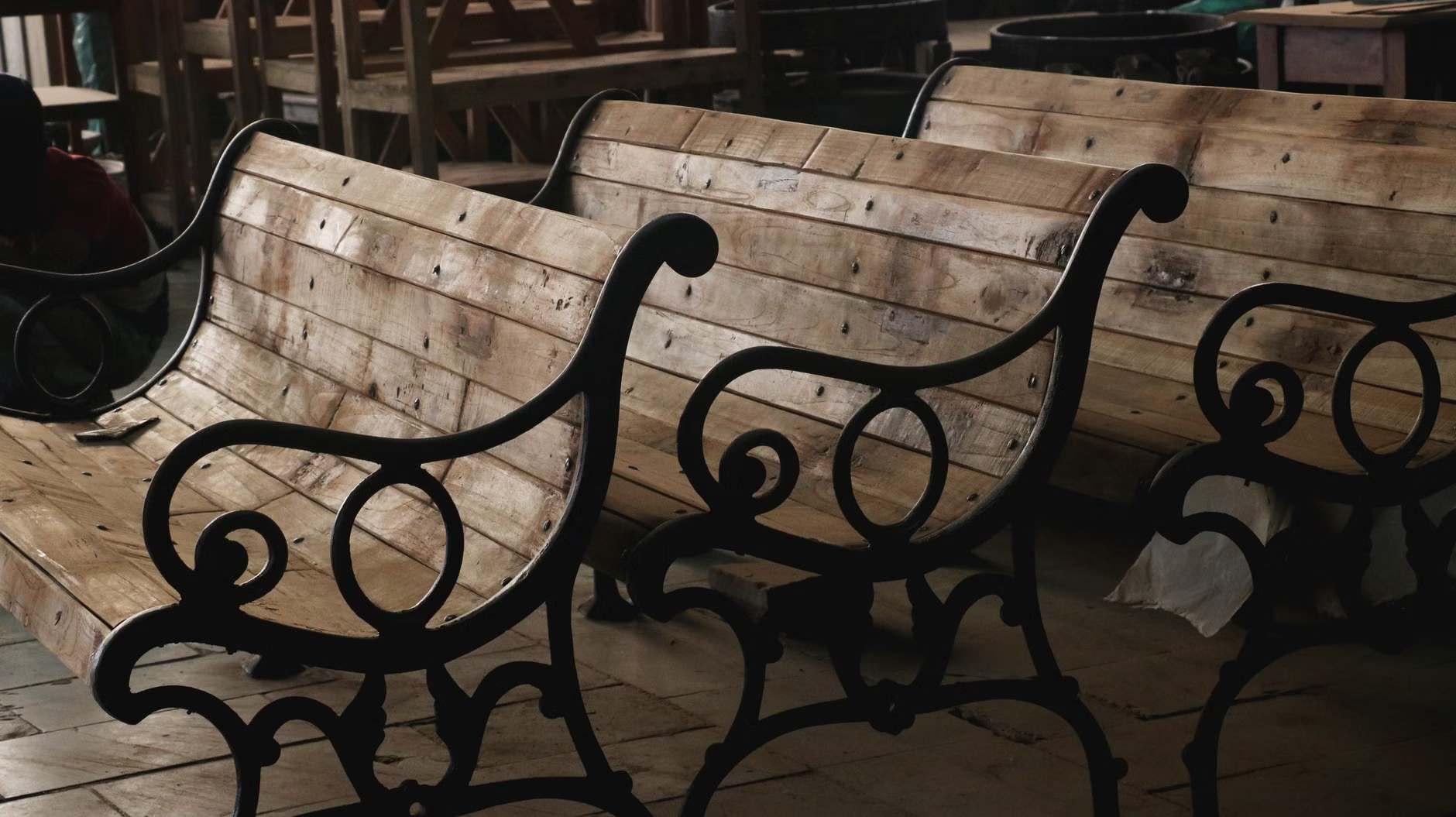
Gone are the days of flat, backless benches. The new guidelines dictate that all public seating must include sturdy, high-contrast armrests. These are critical for two reasons: they provide a steady point of leverage when rising from a seated position, and they help prevent the user from sliding off the edge. Back support is equally vital, as it relieves pressure on the lower spine, which is a common site of discomfort for older adults.
2. Standardized Seat Height
The ideal seat height for an older adult is typically between 45 and 50 centimeters (approximately 18 to 20 inches). This range is specifically calculated to allow the user to sit down and stand up with minimal strain on the knees and hips. Benches that are too low make rising difficult, while those that are too high can leave feet dangling, causing circulation issues and a feeling of instability.
3. Slip-Resistant and Temperature-Controlled Materials
The materials used for seating are now under scrutiny. The 2026 guidelines recommend materials that are non-slip and have low thermal conductivity. In practical terms, this means that benches should not become dangerously hot in the summer sun or freezing cold in the winter. Wood or composite materials are often preferred over metal, which can pose a risk of burns in high-temperature environments.
| Feature | Standardized Requirement (2026) | Why It Matters |
|---|---|---|
| Armrests | Full-length, sturdy, high-contrast | Assists in safe standing and prevents falls. |
| Seat Height | 45–50 cm (18–20 inches) | Reduces joint strain during sitting/rising. |
| Backrest | Full support with lumbar curve | Provides spinal relief and comfort. |
| Foot Clearance | Recessed base or open front | Allows for natural foot placement when rising. |
Strategic Placement: The “Rest-Interval” Strategy
It is not enough to have a perfect bench if it is located two kilometers away from the next one. The 2026 guidelines introduce the concept of “Rest-Interval Mapping.” This strategy suggests that in areas frequently used by older adults, seating should be placed every 100 to 200 meters. This distance is chosen based on average walking stamina, allowing an individual to walk comfortably, rest, and then continue without feeling overwhelmed by fatigue.
When you are planning your next park visit, look for these indicators of a well-planned path:
- Visibility: Seating should be clearly visible from the main path.
- Shade Integration: The best seating is placed under natural or artificial shade to encourage use during different times of the day.
- Proximity to Amenities: Seating should be positioned near toilets, water fountains, and transport stops to create a “safety net” of support.
Accessibility Beyond the Bench: The “Clearance Zone”
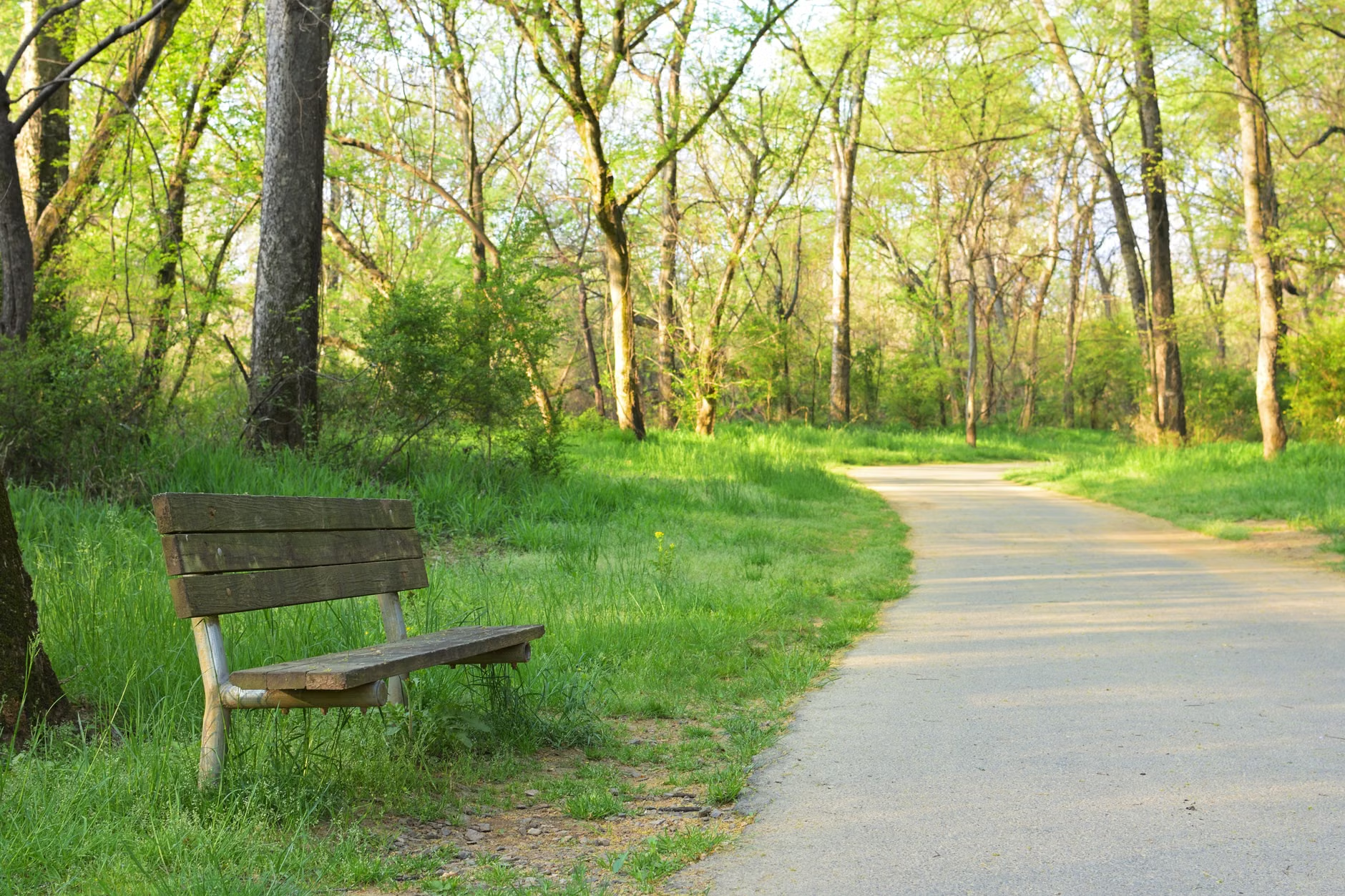
A major oversight in previous years was the failure to consider the space around the bench. If a bench is placed on soft grass or sand, it becomes inaccessible to someone using a walker or a cane. The 2026 updates require a “Clearance Zone”—a flat, paved, slip-resistant surface that extends at least one meter in front of and to the sides of the bench.
This allows a person using a mobility aid to park their walker or cane safely next to them while they sit. It also provides enough space for a caregiver to assist if necessary without blocking the path for other pedestrians. If you are assessing a park for your own use, check for this paved transition. If the path leads directly to the bench without a step or a drop-off, it is likely designed with these newer, more inclusive standards in mind.
How to Advocate for Better Seating in Your Community
If your local park does not meet these standards, you have the right to request improvements. Many municipal park departments are actively seeking feedback as part of their 2026 compliance initiatives. Here is a practical step-by-step guide to advocating for your needs:
- Identify the Gaps: Note specific locations where seating is missing or where existing benches are in disrepair. Take photos if possible.
- Use Official Terminology: Mention that you are looking for “Age-Friendly Seating” in accordance with current international accessibility guidelines. This signals that you are informed and requesting a standard, not a favor.
- Contact the Right Department: Reach out to your local “Parks and Recreation” department or “City Planning” office. Most cities have a public portal for infrastructure requests.
- Collaborate: If you are part of a senior club or neighborhood group, submit a joint request. Numbers often carry more weight in local government budgetary decisions.
Note: Be specific about the problem. Instead of saying “the park needs more seats,” try: “The 500-meter loop in [Park Name] currently lacks seating between the entrance and the pond, which prevents many residents with limited mobility from enjoying the full trail.”
While these updates are a significant step forward, it is important to understand their limitations. Not every park will be upgraded overnight. Budget constraints, historical preservation laws, and geographic challenges mean that some parks may lag behind the 2026 standards for years to come.
Furthermore, “accessibility” is subjective. What works for one person might not work for another. For example, a bench with a backrest is generally better for back pain, but for someone with severe hip issues, a slightly higher bench might be more important than the backrest itself. Always test a bench’s stability before fully committing your weight to it, especially if it appears aged or weathered.
Finally, be aware that even in “accessible” parks, weather conditions can change the landscape. Rain can make paved surfaces slippery, and high winds can make lightweight mobility aids harder to manage. Always prioritize your own comfort and safety over the goal of reaching a specific destination within the park.
Practical Tips for Your Next Park Visit
To make the most of the 2026 improvements, consider the following habits for your next outdoor excursion:
- Check the Map: Many modern park websites now include accessibility maps that highlight the location of benches and restrooms.
- Pace Yourself: Even with frequent seating, it is wise to stick to a pace that allows you to stop and rest before you feel tired.
- Carry a Portable Cushion: If you find that some older benches are still too hard or uncomfortable, a lightweight, foldable seat cushion can make a world of difference.
- Stay Hydrated: Use the seating intervals as a reminder to take a sip of water.
By understanding what these guidelines represent, you can better navigate your environment and advocate for spaces that truly support your independence. The 2026 update is a move toward a more inclusive society, but it is ultimately up to us to use these spaces and ensure they remain a priority for our communities.
Conclusion
The 2026 guidelines for age-friendly park seating represent a vital shift toward recognizing that the physical environment is a key determinant of health for older adults. By focusing on ergonomic design, strategic placement, and comprehensive accessibility, these standards aim to remove the barriers that prevent many from enjoying the outdoors. Whether you are using these improvements to stay active or advocating for them in your own neighborhood, remember that your participation is what ensures these policies remain effective and prioritized. Stay informed, stay active, and make the most of the public spaces designed to support you.
Frequently Asked Questions (FAQ)
1. Do these 2026 guidelines apply to all public parks worldwide?
The 2026 guidelines are international recommendations. While they serve as a gold standard for urban planning, their implementation depends on local government adoption and regional budget allocations. Check your local municipal or national park authority’s website to see if they have adopted these specific accessibility standards.
2. What should I do if a park bench is clearly unsafe or broken?
Do not attempt to use the bench if it appears unstable, rusted, or structurally compromised. Report the damage to your local Parks and Recreation department immediately. Most cities have a “Report a Problem” feature on their official website where you can upload a photo and the specific location of the hazard.
3. Are these guidelines only for people with disabilities?
No. While they are essential for individuals with mobility challenges, “age-friendly” design benefits everyone. Parents with strollers, people recovering from temporary injuries, and even younger visitors benefit from ergonomic, well-placed, and accessible seating. The goal is universal design that works for all stages of life.
For further reading on global age-friendly standards, you can visit the World Health Organization’s Age-Friendly World initiative.