- Copper is a vital trace mineral that facilitates collagen cross-linking for joint health and supports the production of white blood cells for immune function.
- Most older adults can meet their daily copper requirement (900 mcg) through a balanced, whole-food diet rather than supplementation.
- Excessive copper intake from supplements can lead to toxicity; always check labels and consult your physician before starting any new mineral regimen.
Understanding the Role of Copper in Healthy Aging
As we navigate our 60s, 70s, and beyond, the way our bodies process nutrients undergoes subtle but significant shifts. Among the essential micronutrients, copper often receives less attention than calcium or vitamin D, yet it plays a foundational role in maintaining the structural integrity of our connective tissues and the effectiveness of our immune system. Unlike minerals required in large gram-scale amounts, copper is a “trace” mineral, meaning our bodies only need it in tiny, precise quantities. However, because the body cannot store large reserves of copper, consistent intake through diet is necessary for daily physiological maintenance.
At its core, copper serves as a co-factor for various enzymes—proteins that act as biological catalysts. When these enzymes lack sufficient copper, the chemical reactions they facilitate slow down or become inefficient. For an older adult, this translates into visible and internal changes, such as the gradual loss of skin elasticity or a diminished ability to mount a robust immune response to seasonal pathogens. Understanding how to manage your copper intake is not about seeking a “miracle cure,” but rather about providing your body with the specific tools it needs to sustain its natural repair and defense mechanisms.
The Mechanics of Connective Tissue Support
Connective tissue—the scaffolding of the body—includes your tendons, ligaments, cartilage, and skin. As we age, the synthesis of collagen and elastin, the primary proteins that give these tissues their strength and flexibility, naturally declines. Copper is the “glue” that holds this structure together.
The Role of Lysyl Oxidase
The most critical copper-dependent enzyme for connective tissue is lysyl oxidase. This enzyme is responsible for cross-linking collagen and elastin fibers. Think of collagen as individual strands of rope; without lysyl oxidase, these strands remain loose and weak. When copper is present in sufficient amounts, the enzyme creates strong chemical bonds between these fibers, effectively braiding them into a sturdy, resilient cable. In real-world terms, this process is what helps maintain the structural integrity of your joints and the firmness of your skin.
What Happens When Copper is Deficient?
While severe copper deficiency is rare in developed nations, sub-clinical deficiency can manifest as increased joint stiffness or delayed healing of minor skin abrasions. If you notice that your skin seems thinner or that minor joint aches persist longer than usual, it is an opportunity to review your overall nutritional intake. Rather than immediately assuming a deficiency, look at your weekly food patterns. Are you consuming a wide variety of plant-based proteins, or has your diet become restricted due to convenience or appetite changes?
Copper as a Pillar of Immune Defense
The immune system is a complex network of cells, tissues, and organs that require a steady supply of micronutrients to function. Copper’s role in immunity is twofold: it supports the development of neutrophils (a type of white blood cell that acts as a first responder to infection) and aids in the modulation of the inflammatory response.
Neutrophil Production
Neutrophils are the “infantry” of your immune system. They are the first to arrive at the site of an infection to neutralize threats. Research indicates that adequate copper levels are required for the bone marrow to produce and release these cells effectively. When copper levels drop, the body’s ability to replenish these front-line defenders is compromised, which can leave an individual more susceptible to common infections.
Balancing Inflammation
Chronic, low-grade inflammation is a frequent companion of aging. While some inflammation is necessary for healing, it must be carefully regulated. Copper contributes to the activity of superoxide dismutase (SOD), an antioxidant enzyme that helps neutralize free radicals—unstable molecules that can cause cellular damage and drive inflammation. By supporting SOD activity, copper helps keep the body’s internal environment stable, preventing the immune system from becoming overactive or exhausted.

Identifying Reliable Dietary Sources
Because the body does not synthesize copper, you must obtain it from your food. The good news is that copper is found in a wide variety of delicious, nutrient-dense foods that are easy to incorporate into a standard senior diet. The Recommended Dietary Allowance (RDA) for adults is 900 micrograms (mcg) per day. Most people living in countries with access to varied, fresh produce can easily reach this target without the need for supplements.
| Food Source | Approximate Copper Content | Serving Tip |
|---|---|---|
| Cashews | 600 mcg per oz | A handful as a snack or crushed over stir-fry. |
| Sunflower Seeds | 500 mcg per oz | Sprinkle over oatmeal or yogurt. |
| Lentils | 500 mcg per cup | Use in soups or as a base for hearty salads. |
| Dark Chocolate (70%+) | 400 mcg per oz | A small square as a post-dinner treat. |
| Shiitake Mushrooms | 400 mcg per cup | Sauté as a side dish for protein. |
The table above illustrates that copper is abundant in foods many seniors already enjoy. The key is variety. If you rely heavily on processed foods, you are likely missing out on these trace minerals, as refining processes often strip away the outer layers of grains and seeds where copper is most concentrated.
There is a common misconception that if a nutrient is good, more must be better. With copper, this is definitively false. Copper toxicity is a serious condition that can lead to liver damage, neurological issues, and interference with the absorption of other vital minerals like zinc.
The Copper-Zinc Seesaw
Copper and zinc exist in a delicate balance. If you take high-dose zinc supplements (often used for immune support), you may inadvertently cause a copper deficiency by blocking its absorption. Conversely, excessive copper supplementation can deplete your zinc levels. This is why you should never start a copper supplement without a blood test confirming a deficiency.
Warning Signs for Professional Consultation
If you are experiencing persistent fatigue, unexplained anemia (which your doctor will identify via blood work), or neurological symptoms such as numbness or tingling in the extremities, consult your primary care physician. Do not attribute these symptoms to aging or a simple mineral imbalance. A professional can order a serum copper test and a ceruloplasmin test to determine if your levels are truly outside the healthy range.
Practical Steps for Daily Integration
Integrating copper into your life is less about “dieting” and more about optimizing your pantry. Here are three practical steps to ensure you are meeting your needs:
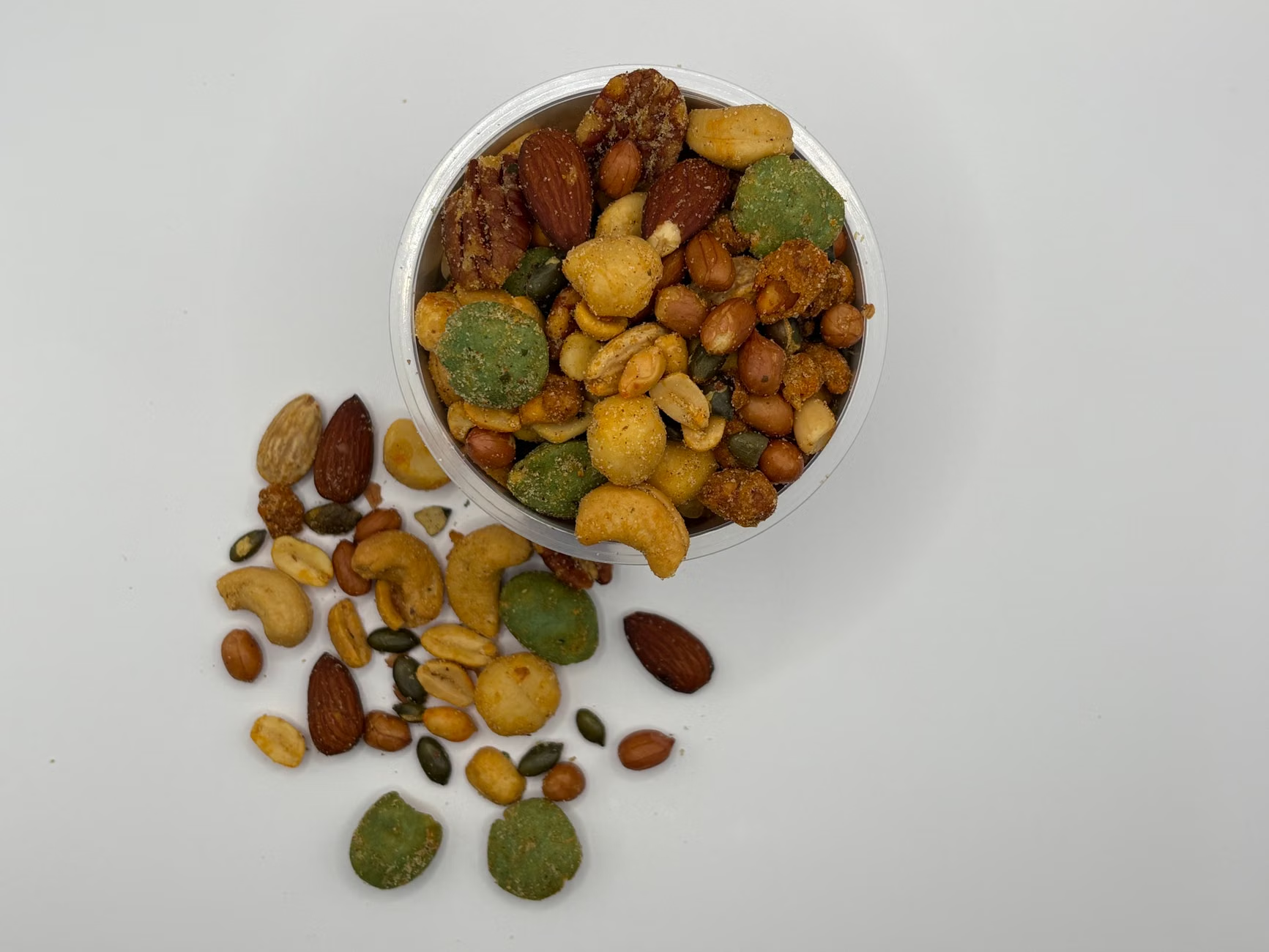
- Audit your snacks: If you currently snack on crackers or biscuits, swap them for a small handful of cashews or sunflower seeds twice a week. These are dense sources of copper and healthy fats.
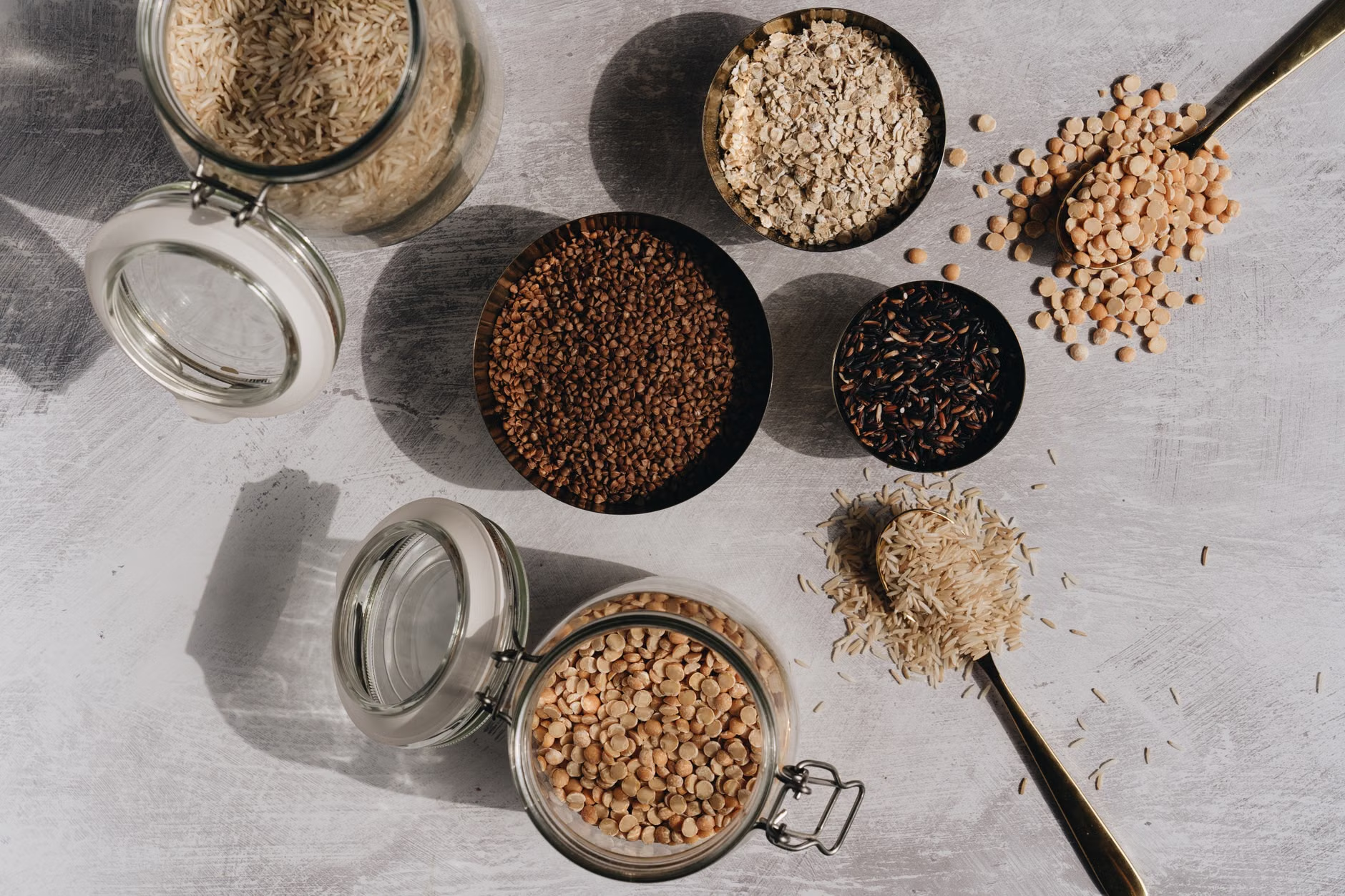
- Embrace pulses: Incorporate lentils or chickpeas into your meals at least twice a week. They are affordable, shelf-stable, and provide high fiber alongside essential minerals.
- Check your multivitamin: If you take a daily multivitamin, check the label. Most standard multivitamins already contain the full daily requirement of copper. If yours does, you definitely do not need a separate copper supplement.
It is also important to consider the “hidden” variables. For example, individuals with malabsorption issues, such as those with Celiac disease or those who have had gastric bypass surgery, may be at a higher risk of deficiency regardless of their diet. If you have a history of gastrointestinal issues, mention your mineral intake to your gastroenterologist or primary care doctor during your next check-up.
The Long-Term Perspective on Nutritional Health
Maintaining health in your 70s and 80s requires a shift from “preventing illness” to “supporting function.” Copper is a perfect example of this shift. It is not something you “feel” working in the moment, but it is the invisible laborer behind the scenes, ensuring your joints stay mobile and your immune system remains alert. By focusing on whole, unprocessed foods, you are not just getting copper; you are getting a synergistic package of vitamins, minerals, and antioxidants that work together to keep you functioning at your best.
As you plan your weekly meals, prioritize diversity. A diet that changes regularly is the best insurance against specific nutrient deficiencies. If you find that your appetite is decreasing, focus on “nutrient density”—choosing smaller portions of foods that pack a higher nutritional punch, such as the nuts, seeds, and legumes mentioned earlier. Staying informed and making incremental, sustainable changes to your habits is the most effective way to support your long-term health.
For further reading on daily nutrient requirements, you can consult the official guidelines provided by the National Institutes of Health (NIH) Office of Dietary Supplements at https://ods.od.nih.gov/factsheets/Copper-Consumer/. These resources provide evidence-based information that can help you have a more informed conversation with your healthcare provider.
Frequently Asked Questions
1. Can I get too much copper from eating foods like cashews or dark chocolate?
No. It is virtually impossible to reach toxic levels of copper through a normal, whole-food diet. The body has efficient mechanisms to regulate copper absorption and excretion when it is obtained through food. Toxicity almost exclusively occurs through the misuse of high-dose supplements or environmental exposure.
2. Should I take a copper supplement for my joint pain?
There is no clinical evidence to suggest that copper supplements cure or significantly reduce arthritis-related joint pain. While copper is necessary for connective tissue, taking extra will not “fix” existing joint degradation. If you are experiencing pain, consult a physician for a proper diagnosis rather than attempting self-treatment with supplements.
3. Does cooking destroy the copper in my food?
Copper is a mineral, meaning it is heat-stable. Unlike some vitamins, such as Vitamin C or folate, which can be degraded by heat, the copper content in your food remains largely intact during standard cooking processes like boiling, steaming, or roasting. You will get the same benefit from cooked lentils as you would from raw ones.