- Universal Design Integration: By 2026, many global transit hubs will adopt standardized “Universal Design” in ticketing, meaning simpler, high-contrast interfaces and multi-sensory feedback (audio and haptic) will become the norm.
- Interoperability is Key: New standards focus on “One-Tap” travel, allowing seniors to use a single card or digital wallet across different modes of transport (bus, rail, ferry) without needing separate tickets.
- Hybrid Assistance Models: While digital ticketing is expanding, 2026 guidelines mandate the maintenance of “Human-in-the-Loop” support, ensuring that physical ticket offices and human assistance remain available for those who prefer them.
As we approach 2026, the landscape of global public transportation is undergoing a significant transformation designed to make travel more equitable, predictable, and accessible for older adults. The shift toward universal accessibility in ticketing is not merely a technological upgrade; it is a policy-driven movement to reduce the cognitive and physical barriers that have historically discouraged seniors from utilizing public transit.
The Evolution of Accessible Ticketing: Moving Beyond Physical Barriers
For many older travelers, the primary obstacle to using public transit has never been the vehicle itself, but the “pre-trip friction”—the process of figuring out which ticket to buy, where to buy it, and how to operate complex, non-intuitive machines. The 2026 standards, influenced by the International Association of Public Transport (UITP) and various regional accessibility acts (such as the European Accessibility Act), prioritize the elimination of these barriers.
What this means in practice is a move away from “one-size-fits-all” machines that require fine motor skills, rapid reaction times, or perfect eyesight. Instead, the new standards mandate:
- High-Contrast Interfaces: Digital displays must meet strict luminance contrast ratios to ensure readability for those with low vision.
- Multi-Sensory Feedback: Ticketing machines must provide not only visual cues but also audio signals and tactile indicators (haptic feedback) to confirm successful transactions.
- Simplified Payment Flows: The reduction of “step-counting” in digital interfaces—aiming for a maximum of three steps to complete a purchase.
Understanding the “One-Tap” Global Standard
One of the most significant changes arriving by 2026 is the drive toward Interoperability. Historically, a traveler might need a separate smart card for the bus, another for the subway, and a paper ticket for the regional train. This fragmented system creates confusion and increases the risk of travel-related stress.
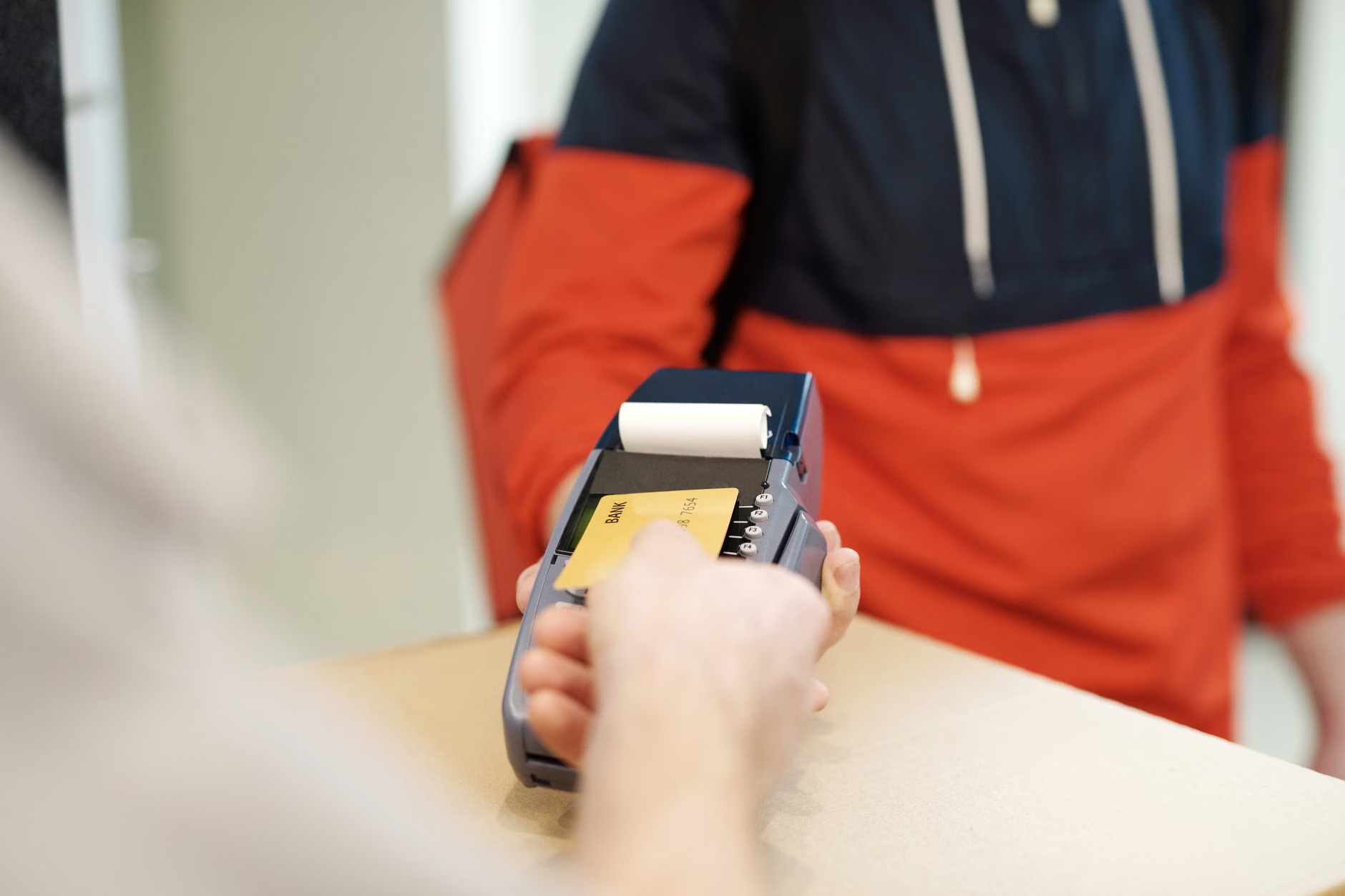
The 2026 standard advocates for “Account-Based Ticketing” (ABT). In this model, your identity or payment method (a bank card, a dedicated senior transit card, or a smartphone wallet) acts as the ticket itself. The system calculates the best fare automatically in the background. If you reach your daily fare cap, the system stops charging you for the day—a feature that provides immense peace of mind for those on fixed incomes.
How to Prepare for the Transition
While these systems are designed to be intuitive, the transition period can be daunting. Here is a practical framework for how you can prepare for these changes:
| Preparation Step | Action | Why It Matters |
|---|---|---|
| Audit Your Payment Method | Ensure your primary credit/debit card is “Contactless” enabled. | Contactless is becoming the global “universal” ticket. |
| Register for Senior Concessions | Link your ID to your transit account online or at a service center. | Automates discounts so you don’t have to manually select “Senior Fare.” |
| Download Official Apps | Only use the official transit authority app for your city. | Prevents scams and provides real-time, verified accessibility info. |
If you prefer not to use smartphones, the 2026 standards still require that physical “smart cards” remain available and reloadable at accessible kiosks or staffed stations. You are not being forced to go “digital-only,” but rather being offered a more streamlined way to pay.
Managing Mobility and Stamina: The Role of Real-Time Information
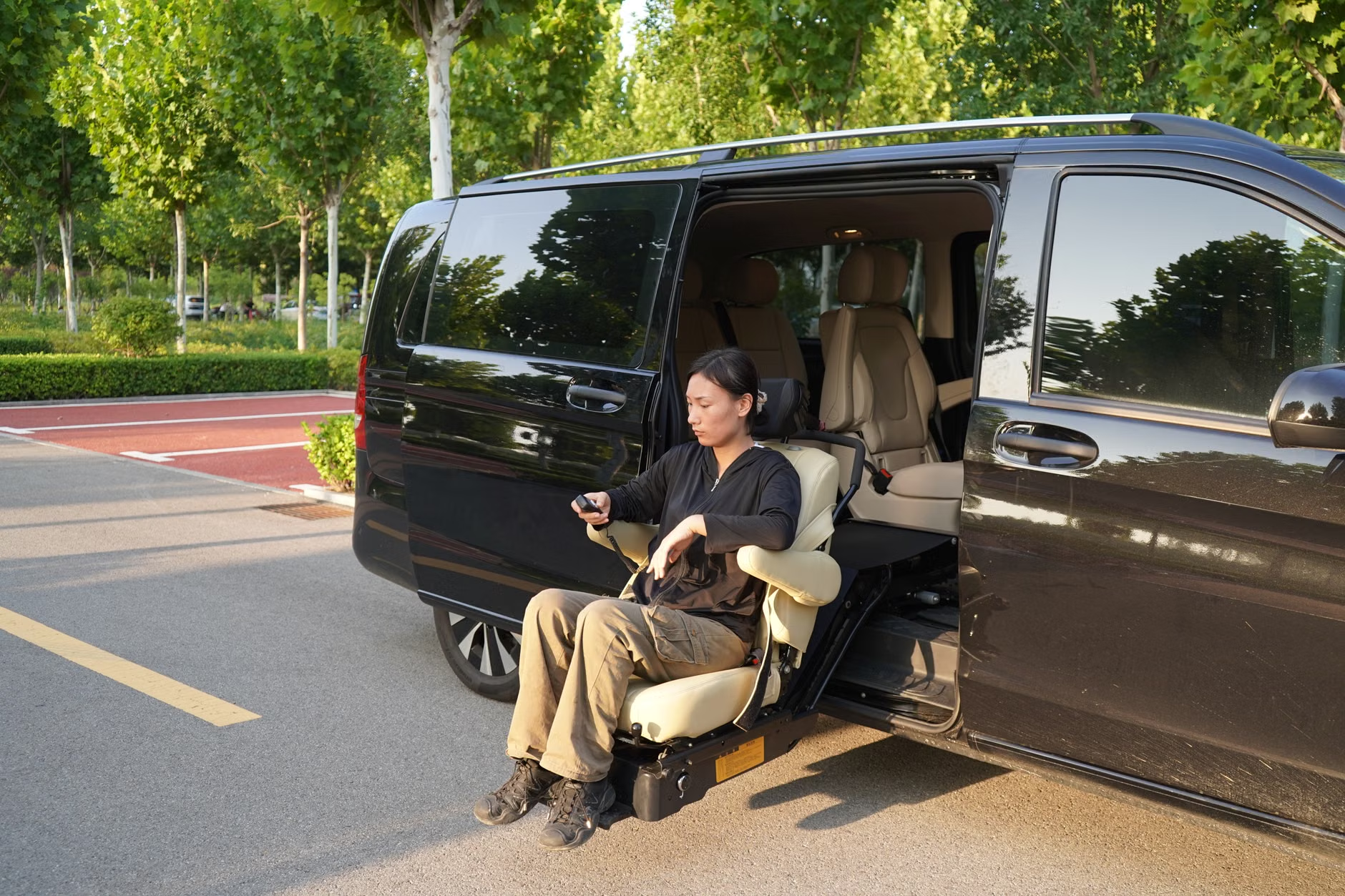
Accessibility is not just about paying; it is about knowing. A critical component of the 2026 standards is the mandate for Real-Time Accessibility Data. This means that transit apps and station displays must communicate not just when a train is coming, but whether the elevator at your destination is currently operational.
For an older traveler, arriving at a station only to find the elevator out of service can be a significant physical challenge. The new standards require transit operators to integrate this data into their public-facing digital platforms. Before you leave your home, you will be able to verify if your entire route is “step-free.”
What to Do If You Encounter a Barrier
Even with advanced standards, technology can fail. If you find yourself at a station where an accessibility feature is broken, follow this protocol:
- Identify the “Help Point”: Every station governed by modern standards is required to have a visible, accessible help intercom.
- Prioritize Personal Safety: If an elevator is out of service, do not attempt to use stairs if you have mobility limitations. Use the help button to request an alternative transport arrangement (such as a shuttle or taxi transfer provided by the operator).
- Report the Issue: Use the transit authority’s feedback portal. These systems are monitored, and your report contributes to the maintenance of the network.
The Human Element: Why Automation Shouldn’t Mean Isolation
A common fear among older adults is that the push for “digital-first” ticketing will lead to the total removal of human staff. However, the international trend toward 2026 is actually moving toward a Hybrid Model. Transit authorities are beginning to realize that while digital tools help many, they cannot replace the need for human assistance during disruptions or for those who are uncomfortable with technology.
In many cities, you will see a shift where staff are moved from “behind the glass” (ticket counters) to “on the floor” (roaming assistants). These staff members are being trained to assist passengers with mobility aids, provide guidance on digital ticketing, and manage emergency situations. If you feel overwhelmed by a new ticketing machine, look for a staff member wearing a high-visibility vest; they are there to help you navigate the system, not just to watch it.

Planning Your Journey: A Strategic Approach
When planning a trip in this new era, your strategy should shift from “how do I buy a ticket” to “how do I optimize my comfort.”
1. Off-Peak Advantage
While the 2026 standards make transit more accessible, the physical volume of commuters remains a factor. Traveling during off-peak hours (typically 10:00 AM to 3:00 PM) remains the best way to ensure you have time to navigate gates, find seats, and avoid the fatigue associated with crowded environments.
2. The “Door-to-Door” Digital Check
Use mapping services that allow for “accessibility filters.” Many modern navigation apps now allow you to select “wheelchair accessible” or “fewer transfers” as a routing preference. This is not just for those using mobility aids; it is excellent for anyone who wants to ensure they are using stations with escalators and elevators.
3. Financial Safety
Always keep a backup. Even if you use a mobile wallet, carry a physical, pre-loaded transit card. Technology can encounter battery issues or network glitches. A physical card acts as your “insurance policy” to ensure you are never stranded.
Addressing Common Misconceptions
There is a prevailing myth that these new standards will make transit more expensive. In reality, the 2026 standards are designed to increase ridership, which is often subsidized by local governments. In many jurisdictions, the implementation of “fare capping”—where you never pay more than a daily or weekly maximum—actually saves money for frequent travelers compared to purchasing individual paper tickets.
Another misconception is that you must have the latest, most expensive smartphone to use these systems. Most contactless readers use Near-Field Communication (NFC), a technology that has been standard in bank cards for nearly a decade. You do not need a new phone; you simply need a card with the “contactless” symbol (a series of four curved lines) on it.
Conclusion: Empowerment Through Information
The global transition to 2026 transit standards represents a significant step forward in recognizing the diverse needs of older travelers. By prioritizing accessibility, simplicity, and human-centric design, public transit is becoming a more viable, cost-effective, and dignified way to navigate your city and the world.
Your next step is simple: check your local transit authority’s website to see if they have already implemented “contactless payment” or “fare capping.” If they have, you are already ahead of the curve. If they haven’t, keep an eye out for updates as they align with these 2026 global goals. Public transit is for everyone, and these changes are finally ensuring that the system is designed with your needs at the forefront.
Frequently Asked Questions
1. Do I need to buy a smartphone to use the new transit systems by 2026?
No. While mobile apps are becoming more common, the global standards explicitly require that physical, contactless smart cards and traditional payment methods remain available. You can continue to use a physical card or even cash in many jurisdictions, depending on local policy.
2. Will these new ticketing standards apply globally?
These standards are being adopted by the International Association of Public Transport (UITP) and are heavily influencing policy in the EU, North America, and parts of Asia. However, implementation speeds vary by city. Always check your local transit authority’s website for specific local implementation dates.
3. What if I have a disability that makes even the new machines difficult to use?
The 2026 standards mandate the presence of “assisted travel services.” If you require extra time or physical help, most major transit operators now offer a pre-booking service for assistance, where a staff member will meet you at the station entrance to guide you through the ticketing process and onto your vehicle.
For further information on global accessibility trends, you may consult the International Association of Public Transport (UITP) or your local government’s transport department website for specific regional implementation roadmaps.