- The seated hip-hinge is a foundational movement that protects the lower back by teaching the hips to act as the primary pivot point, rather than the spine.
- Building core stability through this movement directly translates to easier performance of daily tasks like rising from a chair, reaching for items, and putting on shoes.
- Consistency is more important than intensity; practicing short sessions of controlled movement daily is safer and more effective for long-term functional health.
The seated hip-hinge is a fundamental movement pattern that serves as the cornerstone of spinal health and functional mobility for adults aged 60 to 80. Many of the aches and pains associated with aging, particularly in the lower back, stem from a loss of “hip hinge” mechanics—the ability to move forward or backward from the hip joint while maintaining a stable, neutral spine. By mastering this movement while seated, you can build the core stability necessary to perform daily activities with confidence and minimal risk of injury.
Understanding the Mechanics: What is a Hip-Hinge?
At its core, a hip-hinge is a movement that involves bending at the hips while keeping the back straight. Unlike a spinal bend, where you round your shoulders and collapse your chest toward your knees, a hip-hinge requires the pelvis to tilt forward over the thigh bones. Think of your hip joint as a door hinge: the door (your torso) moves, but the frame (your spine) remains rigid and stable.
Why does this matter for your daily life? Most back strain occurs when we use our spine as a hinge. When you lean forward to pick up a dropped remote or reach for a coffee mug on a low shelf, your spine often bears the weight of your torso. Over time, this repetitive stress can lead to stiffness, muscle fatigue, and discomfort. By shifting the work to the glutes and hips, you offload the spine, allowing your body to move more efficiently.

The Anatomy of Core Stability in Older Adults
When we discuss “core stability,” many people immediately think of abdominal crunches or planks. However, for those in the 60-80 age bracket, core stability is less about “six-pack” muscles and more about the deep, stabilizing muscles that wrap around your spine like a corset. These include the transverse abdominis, the multifidus, and the pelvic floor.
The seated hip-hinge acts as a “reset” button for these muscles. When you sit upright and perform a controlled hinge, you are forced to engage these deep stabilizers to prevent your back from rounding. This is a form of functional training—it prepares your body for the physical demands of standing up from a chair, getting in and out of a car, or simply sitting comfortably for long periods while traveling or reading.
The Risks of Poor Hinge Mechanics
- Lumbar Compression: Repeatedly rounding the back under load can increase pressure on the intervertebral discs.
- Reduced Gluteal Activation: When the hips don’t hinge, the gluteal muscles become “lazy,” leading to further instability in the lower body.
- Balance Challenges: A lack of core control often leads to a forward-leaning posture, which shifts your center of gravity and increases the risk of falls.
Step-by-Step: How to Perform the Seated Hip-Hinge
Before beginning any new movement routine, ensure you are using a sturdy, non-rolling chair. A dining room chair is ideal. Avoid sofas or deep armchairs, as these lack the support needed to maintain a neutral spine.
| Step | Action | Why it matters |
|---|---|---|
| 1. Positioning | Sit on the edge of your chair with feet flat on the floor, hip-width apart. | Creates a stable base and allows for full hip range of motion. |
| 2. Spinal Alignment | Imagine a string pulling the crown of your head toward the ceiling. | Lengthens the spine and activates the deep core muscles. |
| 3. The Hinge | Place your hands on your thighs and slowly lean forward, hinging only at the hips. | Keeps the spine neutral and prevents rounding. |
| 4. The Return | Use your abdominal muscles to pull yourself back to the upright position. | Strengthens the core and re-establishes posture. |
Common Mistake: Many beginners lead with their chin or shoulders. Always lead with your chest. Imagine you are trying to show a logo on your shirt to the person standing directly in front of you. If your back begins to round, you have gone too far. Return to a neutral position immediately.
Practical Application: Integrating the Hinge into Your Day
The beauty of the seated hip-hinge is that it is discreet and can be practiced anywhere. You do not need gym clothes or special equipment. Here is how you can weave this movement into your daily routine:
1. During Travel
Whether you are on a long-haul flight or a train journey, sitting for hours can lead to significant back stiffness. Every 30 to 60 minutes, perform 5 to 10 seated hip-hinges. This keeps the hip flexors from tightening and promotes blood flow to the lower back, making it much easier to stand up once you reach your destination.
2. During Computer or Desk Work
If you spend time on a computer or reading, it is easy to succumb to the “slump.” Use the hip-hinge as a posture check. Every time you finish a page or a paragraph, perform one hinge. This acts as a physical reminder to reset your spine to a neutral position.
3. Preparing for Standing
Before you stand up from a chair, perform a few hip-hinges. This “activates” your core and glutes, signaling to your body that it is time to move. This simple preparation can make the transition from sitting to standing feel lighter and more controlled.
Addressing Mobility Limitations and Modifications
If you have existing back conditions, such as disc herniations, spinal stenosis, or severe arthritis, you must approach this movement with caution. Always consult with your physical therapist or physician before starting a new exercise program to ensure it is appropriate for your specific clinical history.
If you find the movement painful, consider these modifications:
- Range of Motion: You do not need to lean forward very far. Even a small, 10-degree lean is effective if it is done with perfect form.
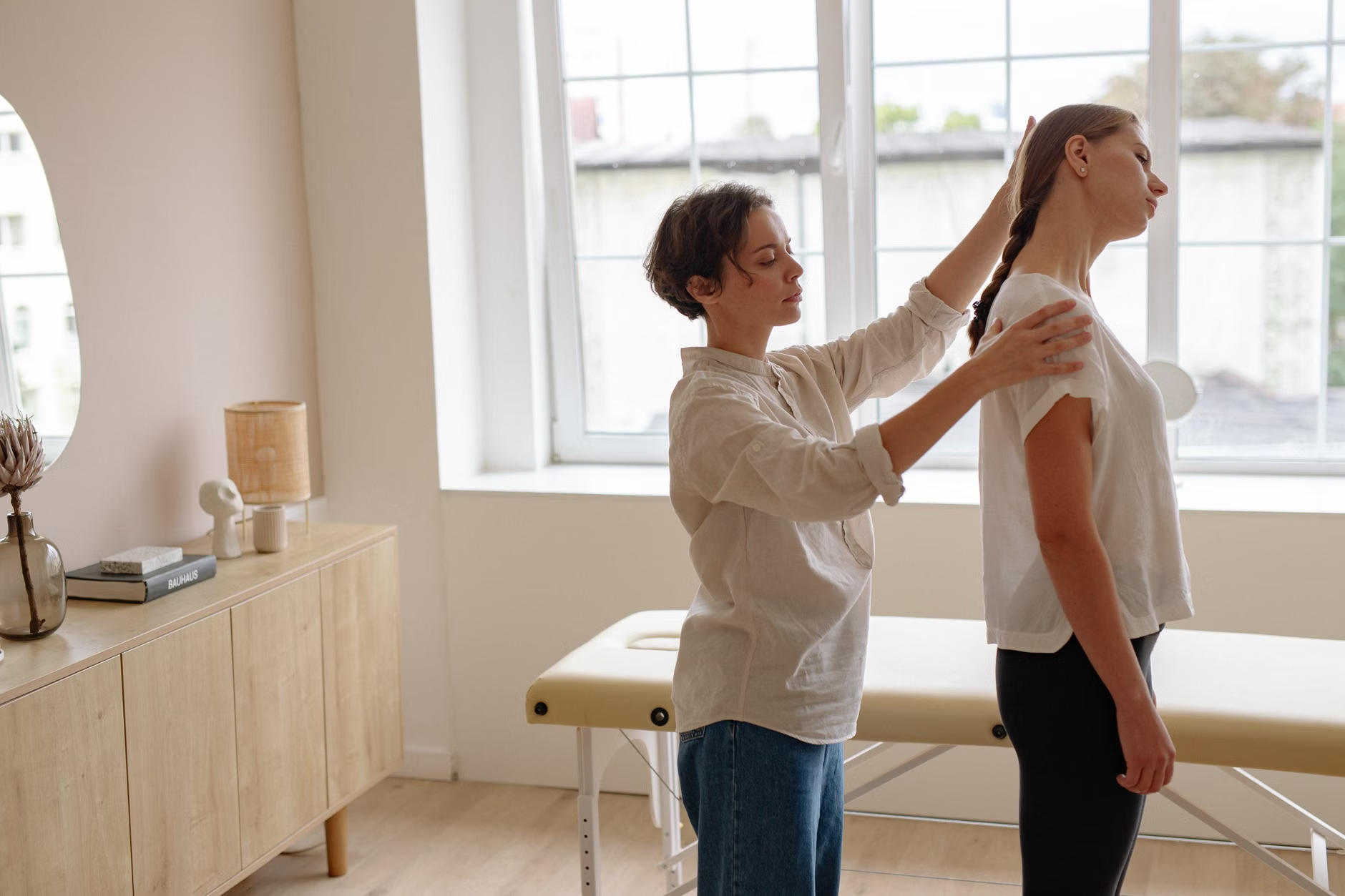
- Support: If you feel unsteady, perform the hinge with your back against a wall while standing, or use the back of the chair as a guide to ensure you are not rounding.
- Visual Feedback: Use a mirror to observe your back. If you see your spine curving, reduce the depth of your lean.
The Hidden Variable: The Role of Hip Flexibility
One overlooked factor in spinal health is the flexibility of the hip flexors (the muscles at the front of your hips). If these muscles are chronically tight—which is common for those who sit for long periods—they will pull on your pelvis, making it physically difficult to achieve a neutral spine. This creates a “tug-of-war” between your hips and your back.
To improve your hip-hinge, you must also address hip flexibility. Simple stretches, such as gently pulling one knee toward your chest while sitting, can help release the tension in the hip flexors. When the hips are “looser,” the hinge movement becomes much smoother and requires less effort from the core.
Building a Long-Term Habit
Consistency is the secret to functional longevity. Aiming for one long, grueling exercise session a week is far less effective than practicing the hip-hinge for two minutes, three times a day. Your body adapts to the patterns you repeat most frequently. By making the hinge a part of your daily “movement diet,” you are training your nervous system to prioritize spinal protection during every activity.
Keep a simple log if it helps. A small checkmark on a calendar for every day you practice the hinge can provide a sense of accomplishment. Remember, the goal is not to become an athlete; the goal is to remain independent, mobile, and pain-free as you navigate your 60s, 70s, and beyond.
Professional Care and When to Seek Help
While the seated hip-hinge is a safe, low-impact movement, it is not a substitute for professional medical care if you are experiencing chronic or acute pain. You should seek a professional assessment if you notice the following:
- Radiating Pain: Pain that travels down your legs, often accompanied by tingling or numbness.
- Loss of Strength: A sudden decrease in your ability to stand or walk.
- Persistent Stiffness: Back stiffness that does not improve with gentle movement or that prevents you from sleeping.
When you visit a physical therapist or doctor, bring a list of your daily activities. Ask them: “Are there specific movements I should avoid given my current condition?” or “Can you show me how to modify the hip-hinge to better suit my range of motion?” Having these concrete questions ready helps you get the most out of your medical appointments and ensures that your home practice is perfectly aligned with your health needs.
For more information on maintaining functional mobility, you may refer to resources provided by organizations like the National Institute on Aging, which offers evidence-based guidance on physical activity for older adults.
Conclusion
The seated hip-hinge is more than just an exercise; it is a vital tool for preserving the integrity of your spine. By learning to pivot from your hips rather than your back, you are making a proactive choice to protect your long-term mobility. Start small, focus on the quality of your movement rather than the depth, and integrate these hinges into your daily life. Your back will thank you for years to come.
Frequently Asked Questions
1. Can I perform the hip-hinge if I have had back surgery?
If you have had spinal surgery, you must consult your surgeon or physical therapist before attempting any new movement. They can provide specific clearance and modifications based on your surgical site and recovery stage. Never assume an exercise is safe without professional approval following a major procedure.
2. How many repetitions should I do per day?
There is no “magic number,” but a good starting point is to perform 5 to 10 repetitions, three times a day. The key is to stop if you feel any sharp pain or fatigue. Focus on performing each repetition with perfect control rather than rushing to complete a high number of reps.
3. Will this exercise help with my balance?
Yes, by strengthening your core and glutes, the hip-hinge contributes to better overall stability. A strong core provides a stable base for your limbs to move from, which is essential for maintaining balance during walking and other daily tasks. However, if you are experiencing frequent falls, it is critical to speak with a healthcare provider to rule out underlying balance or vision issues.