- Financial Incentives: Governments in 2026 are increasingly offering tax credits and grants for homeowners who build “granny flats” or accessory dwelling units (ADUs) to house aging family members.
- Zoning Reform: Many jurisdictions are relaxing restrictive zoning laws, allowing for more flexible multi-generational housing configurations that were previously prohibited.
- Decision Criteria: Before committing to an intergenerational arrangement, prioritize legal clarity regarding property titles, maintenance responsibilities, and long-term care needs.
The Shift Toward Intergenerational Living in 2026
As we navigate 2026, the global approach to aging is shifting away from institutionalized care toward community-based, intergenerational living. This model, often referred to as “co-living” or “multi-generational housing,” is not merely a social trend but a structural response to aging populations and rising housing costs. For many adults aged 60 to 80, this represents a unique opportunity to maintain independence while ensuring a robust support system is readily available.
The primary driver behind this shift is the recognition that social isolation is a significant health risk for older adults. By integrating generations under one roof—or within one property—families can share resources, reduce living costs, and provide mutual support. However, successfully transitioning to this model requires careful planning, understanding of local government incentives, and a clear-eyed assessment of your personal needs.
Understanding Government Incentives: What You Need to Know
In 2026, governments across the globe, particularly in North America, Western Europe, and parts of East Asia, have introduced specific financial mechanisms to encourage the development of intergenerational housing. These incentives are designed to offset the initial costs of renovation or construction.
1. Tax Credits for Property Modifications
Many jurisdictions now offer “Aging-in-Place” tax credits. These are designed to help homeowners modify their existing properties to accommodate multiple generations. If you are planning to build a separate entrance or convert a garage into a living space for yourself or an aging parent, you may be eligible for a rebate on materials or a reduction in property taxes for a set period.
2. Grants for Accessory Dwelling Units (ADUs)
An Accessory Dwelling Unit (ADU) is a secondary housing unit on a single-family residential lot. In 2026, several regional governments have established grant programs that provide low-interest loans or direct subsidies for homeowners who commit to creating an ADU for a family member over the age of 65. The condition is often that the unit must remain a primary residence for the senior for a minimum number of years.
3. Comparison of Common Incentive Structures
| Incentive Type | Primary Benefit | Best For |
|---|---|---|
| Tax Credit | Reduces income or property tax liability. | Homeowners with sufficient taxable income. |
| Direct Grant | Provides upfront capital for construction. | Families needing immediate liquidity for renovations. |
| Zoning Variance | Allows building where it was previously forbidden. | Those in high-density urban areas with strict land-use rules. |
Note: Always check with your local municipal planning department. Incentives vary significantly by city and state; what is available in one municipality may be entirely different in the next town over.

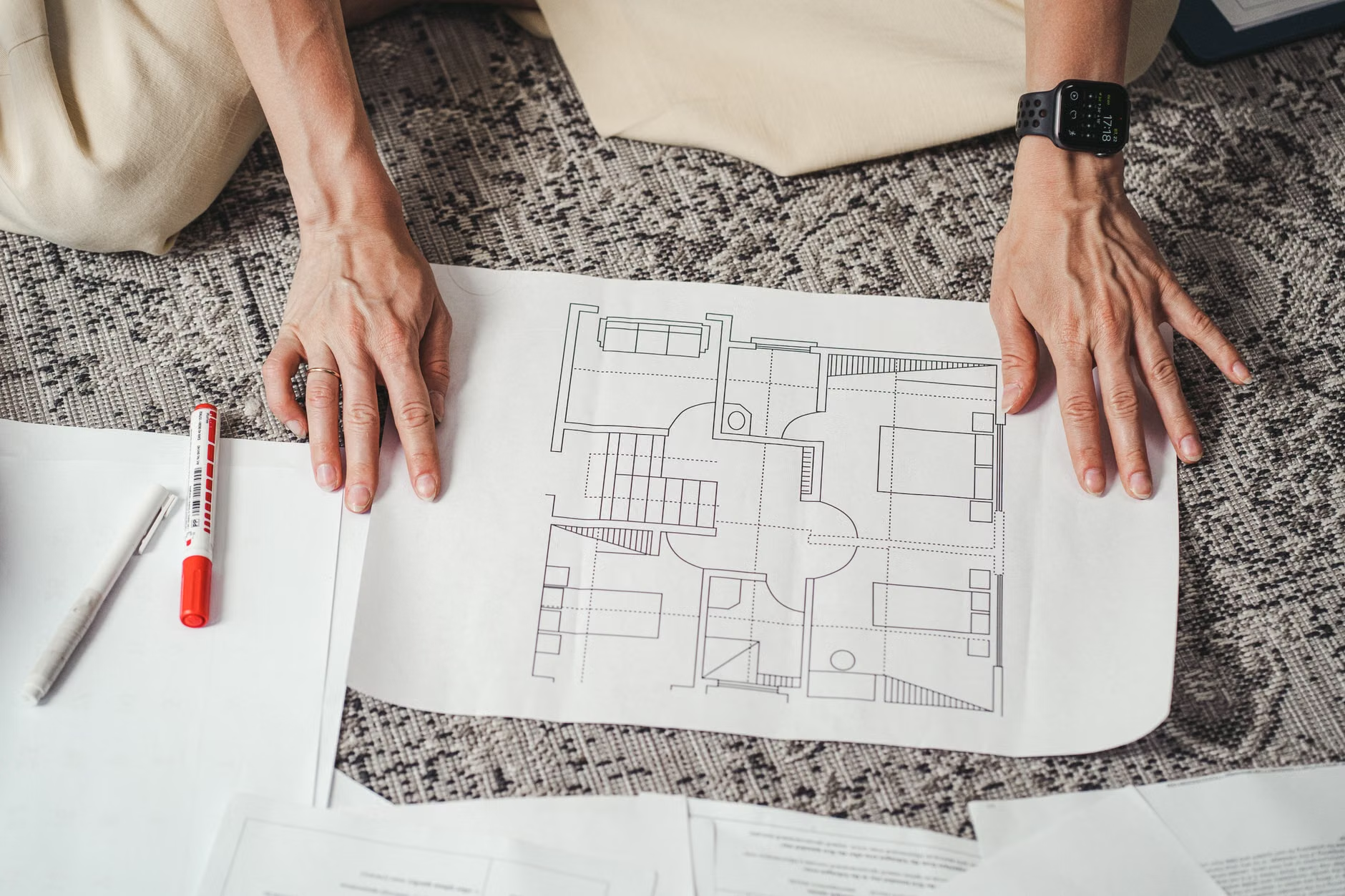
Living together does not mean sacrificing privacy. The secret to a successful multi-generational home in 2026 lies in “shared-but-separate” design principles. When evaluating a potential living space, consider the following checklist to ensure long-term comfort and safety.
Accessibility and Mobility
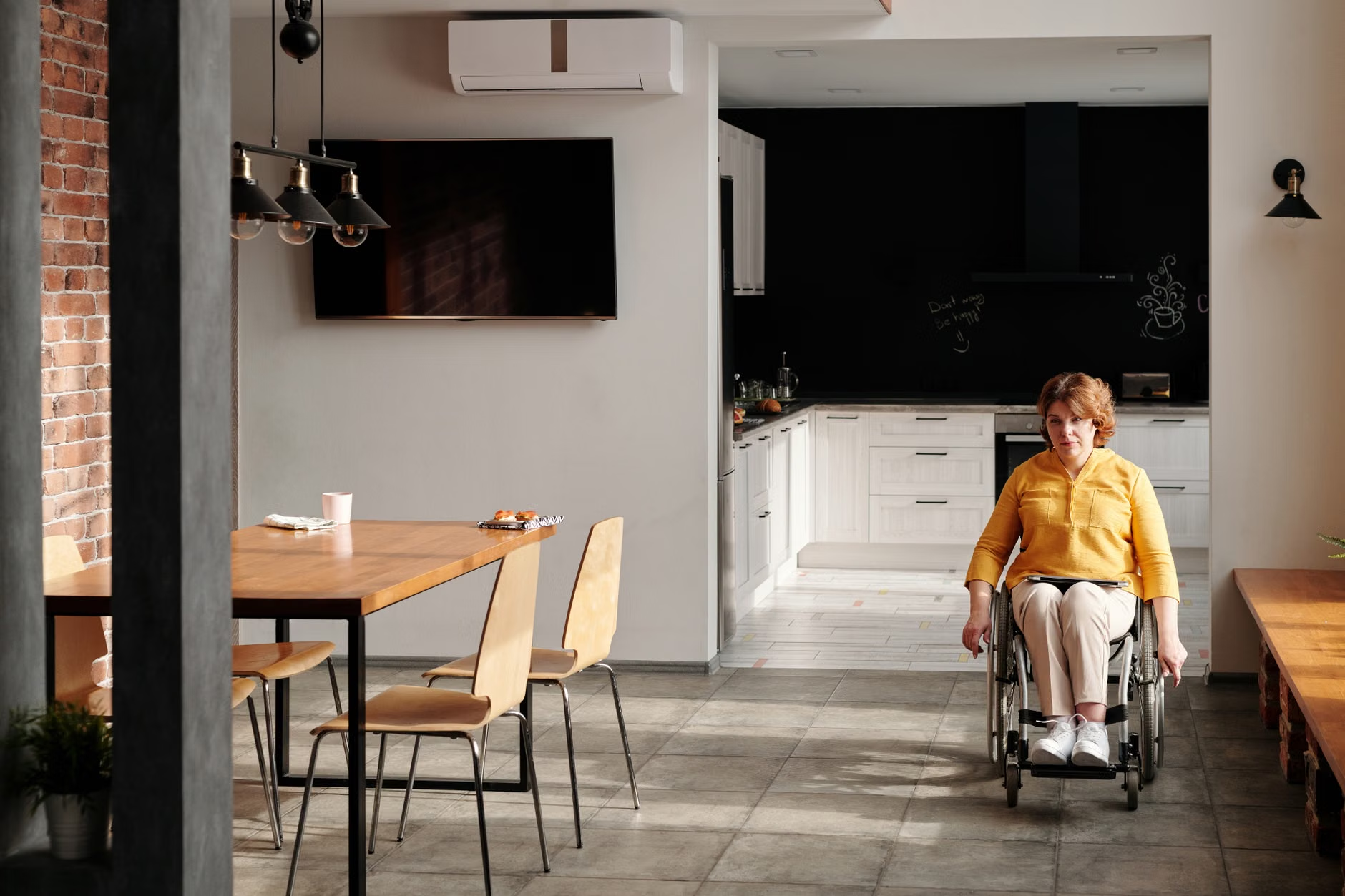
As you plan your living space, prioritize “universal design.” This includes:
- Zero-step entries: Ensure there are no thresholds at the front door or between rooms.
- Wide doorways: Aim for at least 32-36 inches to accommodate future mobility aids like walkers or wheelchairs.
- Grab bars and support: Install structural blocking in bathroom walls now, so grab bars can be added easily later without a full remodel.
- Lighting: Increase the wattage of task lighting in kitchens and bathrooms to compensate for natural age-related changes in vision.
Maintaining Personal Boundaries
While sharing a home offers emotional support, it is vital to maintain personal autonomy. Consider creating a “private zone” for the senior resident. This might be a bedroom with an attached bathroom or a small kitchenette within the ADU. This allows the senior to retreat for privacy, rest, or personal hobbies without feeling like they are constantly in the way of other family members.
The Legal and Financial Framework
Before moving forward, you must address the legal implications of shared housing. Do not assume that family bonds replace the need for formal agreements. A clear contract can prevent future conflicts and protect your financial interests.
Property Ownership and Titling
If you are contributing funds to a family member’s home renovation, how is that investment protected? You should consider:
- Tenancy in Common: This allows you to own a percentage of the property, which can be passed on to your heirs.
- Life Estate: This grants you the right to live in the property for the rest of your life, even if the ownership of the home changes.
- Formal Lease Agreements: Even within a family, a simple rental agreement for an ADU can clarify roles, responsibilities, and rent payments, which can be useful for tax documentation.
Maintenance and Routine Responsibilities
A common pitfall is the assumption that the senior will take on childcare or household chores in exchange for housing. This can lead to burnout and resentment. Explicitly discuss who is responsible for:
- Routine maintenance: Lawn care, snow removal, and minor home repairs.
- Utilities: Will bills be split equally, or based on usage?
- Emergency protocols: Who is the primary contact in case of a health issue?
Health and Wellbeing in a Multi-Generational Setting
The health benefits of intergenerational living are well-documented. Regular social interaction with younger generations can lead to improved cognitive function and lower rates of depression. However, it is essential to monitor your own health needs and communicate them clearly to your co-residents.
Living with family does not mean they are your nurses. If you require assistance with daily activities—such as medication management, physical therapy, or personal care—it is crucial to integrate professional help into your daily routine. Do not wait for a crisis to occur before identifying local home-care services that can visit your home.
Warning Signs You May Need Additional Support:
- Unexplained weight loss or difficulty preparing nutritious meals.
- Frequent falls or difficulty navigating stairs.
- Difficulty keeping track of medications or appointments.
- Increased social withdrawal, even within the family home.
If you notice these signs, schedule an appointment with your primary care provider. Bring a list of your medications and a record of your daily habits. Ask, “What professional care services are available in my area that can support my goal of living independently within this home?”
Practical Steps for Your 2026 Transition
If you are considering moving into an intergenerational arrangement, follow these steps to ensure a smooth transition:
- Audit your finances: Determine how much you can contribute to renovations or rent, and what your monthly budget will look like after the move.
- Review local zoning: Visit your local government website or planning office to see what is permitted on the property you are considering.
- Consult a professional: Speak with a financial advisor or an elder law attorney regarding property titles and long-term care planning.
- Draft a “Living Agreement”: Sit down with family and write out a document that covers expectations, chores, and what happens if health needs change.
- Test the environment: If possible, spend a week or two staying with the family before making a permanent move to ensure the lifestyle fit is correct.
Conclusion: Is Intergenerational Living Right for You?
Intergenerational living is a powerful tool for maintaining independence, reducing costs, and fostering deep family connections in 2026. It is not, however, a one-size-fits-all solution. It requires a balance of financial transparency, clear boundaries, and a commitment to maintaining your own health and social life outside of the family unit. By taking the time to understand local incentives, plan for accessibility, and formalize your agreements, you can create a living situation that supports your wellbeing for years to come.
Frequently Asked Questions (FAQ)
1. What is the most important legal document to have when moving into a family member’s home?
While laws vary by country, a written Living Agreement or a formal lease is essential. It should outline financial contributions, duration of stay, and how the agreement can be terminated if circumstances change. Consult a local elder law attorney to ensure your rights are protected.
2. How can I find out if my city offers grants for ADUs?
Start by searching your local municipal government website for “Accessory Dwelling Unit incentives” or “Aging-in-Place grants.” If you cannot find this information online, call your city’s Planning or Housing Department and ask specifically about programs for seniors adding secondary units to their property.
3. What if my health needs change and I require more intensive care than my family can provide?
It is important to view your current living arrangement as part of a larger plan. Always research local home-health agencies and assisted-living options in your area as a “Plan B.” Having these resources identified early allows you to transition to higher levels of care without a sudden, stressful emergency move.
Disclaimer: This article provides general information and does not constitute legal, financial, or medical advice. Always consult with qualified professionals regarding your specific situation and local regulations.