Minimalist packing is the most effective way to ensure a safe, comfortable, and independent rail journey for travelers aged 60 and over. By reducing the physical weight of your luggage, you significantly lower the risk of falls, muscle strain, and fatigue while navigating stations and boarding trains. This guide provides a comprehensive framework for stripping away the “just in case” items to focus on what truly matters for a successful rail adventure.
- Limit total luggage weight to 10kg (22lbs) or less to ensure you can independently lift your bag onto overhead racks and navigate stairs when lifts are unavailable.
- Adopt a “Rule of Three” for clothing: wear one, wash one, and have one drying, focusing on lightweight, moisture-wicking fabrics like merino wool or high-quality synthetics.
- Prioritize accessibility for health and safety by keeping medications, emergency contacts, and mobility aids in a dedicated day pack that never leaves your side.
The Logistics of Rail Travel: Why Every Kilogram Counts
Rail travel offers a unique sense of freedom, but it demands more physical agility with luggage than air travel or cruises. Unlike an airport where you check a bag and see it at your destination, or a cruise where a porter delivers it to your cabin, rail travel requires you to manage your gear through several “critical zones.” Understanding these zones helps explain why minimalist packing is a necessity rather than a suggestion.
In many parts of the world, particularly in older European or Asian stations, the gap between the platform and the train car can be significant. Stepping over a 20cm gap while pulling a 20kg suitcase creates a dangerous center-of-gravity shift. Furthermore, while many modern stations have lifts (elevators) and escalators, they are frequently out of service for maintenance. If you encounter a broken lift, being able to carry your bag up or down a flight of stairs is the difference between a minor inconvenience and a cancelled trip.
Managing On-Board Storage Constraints
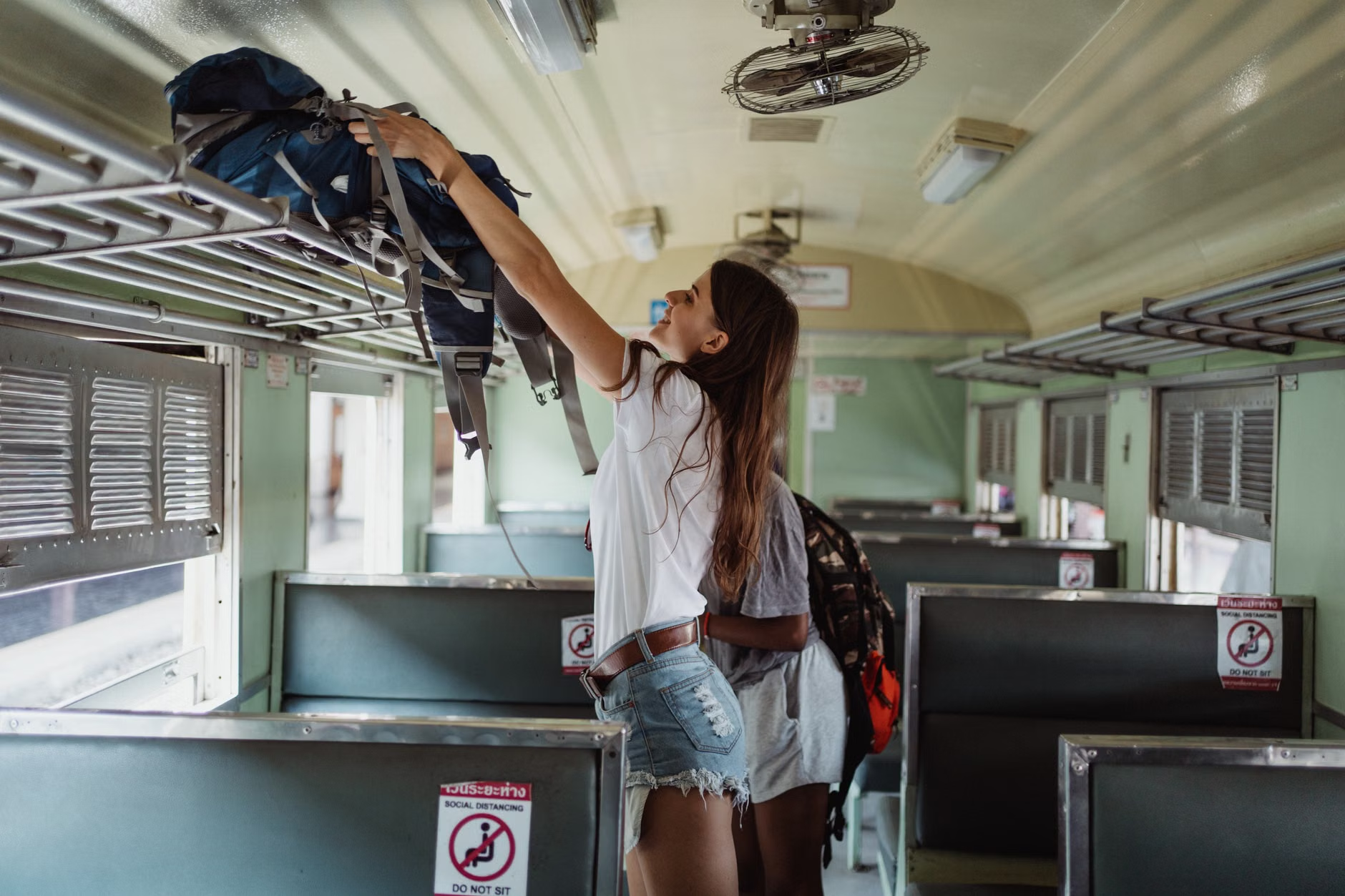
Storage on trains varies wildly. High-speed trains like the Japanese Shinkansen or the French TGV often have dedicated luggage areas at the end of each car, but these fill up quickly. If those are full, you must lift your bag into the overhead rack above your seat. These racks are often narrow and positioned high. A heavy bag in an overhead rack is a safety hazard for both you and the passengers sitting beneath it. A minimalist bag that fits under the seat in front of you or easily into an overhead rack provides peace of mind and prevents the stress of “luggage anxiety” during boarding.
Selecting the Right Luggage for Stability and Mobility
Not all suitcases are created equal for rail travel. For travelers aged 60 to 80, the priority shifts from maximum capacity to maximum maneuverability. The goal is a bag that feels like an extension of your body rather than an anchor.
The Case for the Four-Wheel “Spinner”
For most seniors, a four-wheel spinner suitcase is the superior choice. Unlike two-wheel bags that require you to pull the weight behind you, a spinner can be pushed alongside you. This keeps the weight off your shoulder and wrist. However, there is a trade-off: four-wheel bags can roll away on a moving train or a sloped platform. Always choose a model with a “stopper” or brake system on the wheels.
| Luggage Type | Pros for Seniors | Cons for Seniors | Best For… |
|---|---|---|---|
| 4-Wheel Spinner | Effortless on flat floors; no wrist strain. | Difficult on cobblestones; can roll away. | Modern stations and smooth city streets. |
| 2-Wheel Rollaboard | Handles uneven terrain and curbs well. | Puts weight on the arm and shoulder. | Historic towns with cobblestones. |
| Travel Backpack | Hands stay free for railings and doors. | Can cause back pain or balance issues. | High-mobility travelers with no back issues. |
Weight and Size Specifications
The ideal rail travel bag is a “carry-on” size, typically 55cm x 40cm x 20cm (roughly 22″ x 14″ x 9″). The empty weight of the bag should not exceed 2.5kg. If the bag itself is heavy, you lose a significant portion of your “strength budget” before you even add a single shirt. Look for materials like polycarbonate or high-density nylon, which offer durability without the weight of traditional hard-shell cases.
The Capsule Wardrobe: Dress for Three Climates with Ten Items
The secret to minimalist packing is not having fewer clothes, but having clothes that do more. A “capsule wardrobe” is a collection of items that all coordinate with one another, allowing you to create multiple outfits from a small number of pieces.
The “Rule of Three” for Core Items
A reliable decision rule for packing is the Rule of Three: Wear one, wash one, and have one drying. This applies to underwear, socks, and base-layer shirts. For a two-week rail journey, you do not need 14 sets of clothes. You need three high-quality sets and a plan for laundry.
Fabric Selection: Why Merino Wool Wins
For senior travelers, fabric choice is a matter of health and comfort. Merino wool is the gold standard for rail travel. It is naturally antimicrobial, meaning it does not hold odors even after multiple wears. It regulates temperature, keeping you cool on a crowded, warm train and warm in a drafty station. Most importantly, it is lightweight and dries quickly when washed in a hotel sink.
A Sample Minimalist Clothing List
- 2 pairs of trousers: One worn, one packed. Choose fabrics with a bit of stretch for comfort during long seated periods.
- 3 base-layer tops: T-shirts or long-sleeves in merino wool or technical silk.
- 1 mid-layer: A lightweight cardigan or fleece for air-conditioned train cars.
- 1 outer layer: A waterproof, windproof shell that can be folded into a small pouch.
- 5 sets of underwear and socks: The only items where you might deviate slightly from the “Rule of Three” for convenience.
- 1 “nice” item: A lightweight scarf or a collared shirt for evening meals.
Footwear and Mobility: Protecting Your Foundation
Foot health is the single most important factor in maintaining stamina during a trip. Rail travel often involves more walking than expected—walking the length of a long platform, navigating transfer tunnels, and exploring your destination.
The Two-Shoe Limit
Shoes are the heaviest and bulkiest items in a suitcase. Limit yourself to two pairs: one on your feet and one in the bag.
- The Primary Walking Shoe: This should be a supportive, well-broken-in shoe with a non-slip sole. Avoid brand-new shoes; they should have at least 50km of “mileage” on them before the trip.
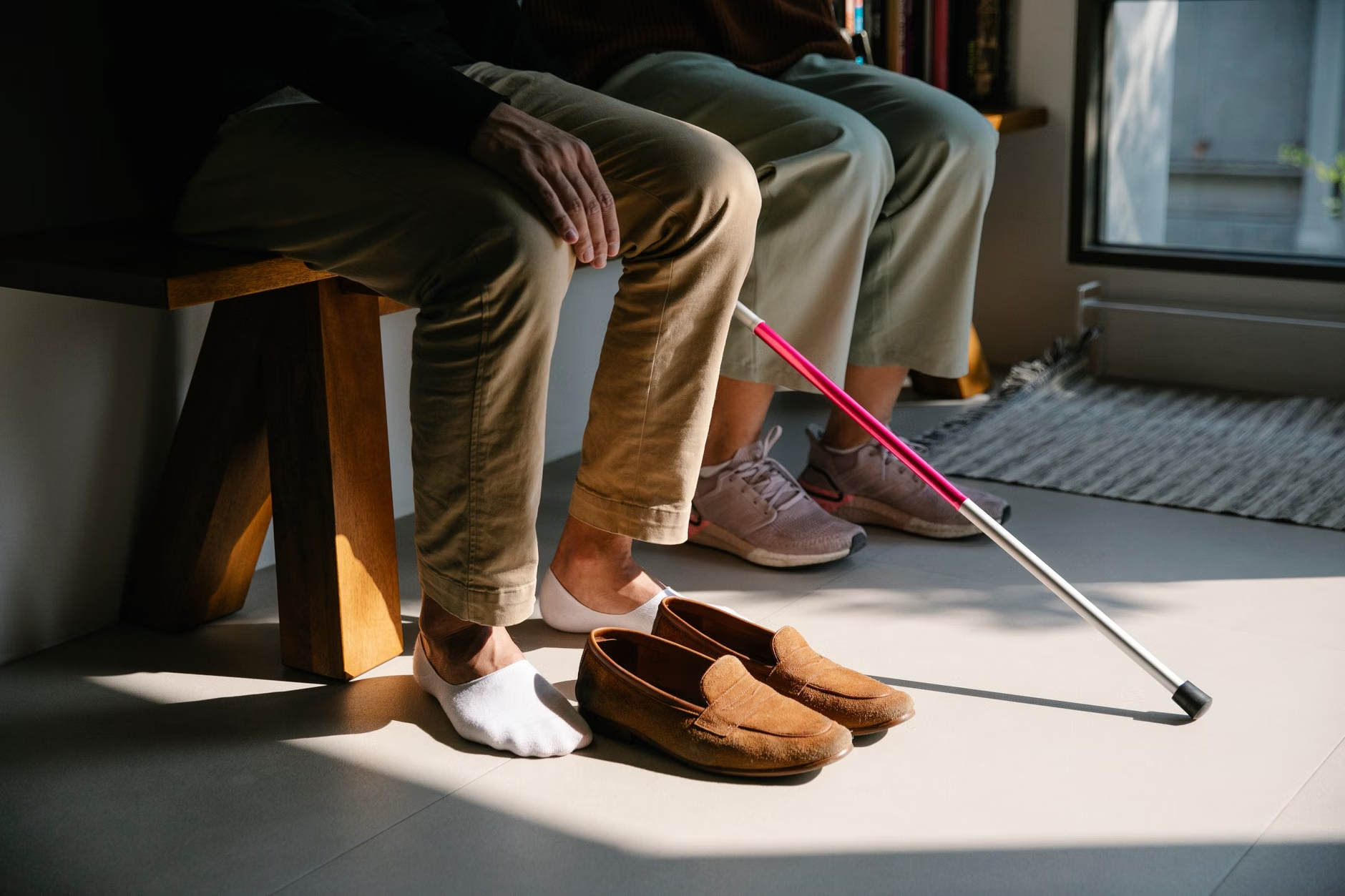
- The “Rest” Shoe: A very lightweight, packable shoe (like a slip-on or a high-quality sandal) to wear in the evening or on the train to give your feet a break from the primary shoes.
Compression Socks: A Non-Negotiable for Long Hauls
Sitting for several hours on a train can lead to leg swelling or even Deep Vein Thrombosis (DVT). Wear graduated compression socks (15-20 mmHg) during any rail segment longer than three hours. They improve circulation and reduce the “heavy leg” feeling that can ruin a day of sightseeing. Consult with a healthcare provider to ensure the compression level is appropriate for your specific vascular health.
Managing Health and Medications with Precision
When packing light, medications and health supplies are the areas where you should never compromise. However, you can still manage them efficiently.
The “Original Container” Rule vs. Space Saving
While pill organizers are convenient, international travel often requires medications to be in their original containers with the prescription label visible. To save space, ask your pharmacist for the smallest possible containers or use a “blister pack” service if available. Always carry a printed list of your medications, including the generic names, as brand names vary by country.
The Emergency Health Pouch
Keep a small, dedicated pouch in your day pack (not your main suitcase) containing:
- A 3-day emergency supply of all essential medications.
- A copy of your travel insurance policy and emergency contact numbers.
- Basic first aid: adhesive bandages, antiseptic wipes, and blister pads.
- A small card listing any allergies and chronic conditions (e.g., “Type 2 Diabetes,” “Penicillin Allergy”) in the local language of your destination.
Tech and Documentation: Going Digital to Save Weight
Paper is surprisingly heavy and easy to lose. Modern rail travel is increasingly digital, and embracing this can significantly lighten your load. However, a “hybrid” approach is safest for seniors.
The Smartphone as Your Travel Hub
Most major rail networks (Amtrak, Eurail, JR East, etc.) have apps that store your tickets, provide real-time platform changes, and show station maps. Download these apps before you leave home and ensure you know how to access your “offline” tickets. This eliminates the need for bulky folders of printed confirmations.
The Power of a Single Universal Charger
Instead of carrying multiple “bricks” for your phone, tablet, and hearing aids, invest in a single multi-port GaN (Gallium Nitride) charger. These are smaller, lighter, and more powerful than standard chargers. Pair this with a universal travel adapter if you are crossing borders. A small 10,000mAh power bank is also essential, as older trains may not have functioning power outlets at every seat.
The Strategy of the “Day Pack”
Your day pack is the small bag (backpack or crossbody) that stays with you at your seat while your main suitcase is in the luggage rack. It should contain everything you need for the duration of the train ride and anything you cannot afford to lose.
Essential Day Pack Inventory
- Hydration and Nutrition: A reusable water bottle (empty it before security if flying first, then refill) and high-protein snacks like nuts or energy bars. Train food can be expensive or unavailable.
- Sanitation: Hand sanitizer and surface wipes. Train tray tables and armrests are high-touch areas.
- Entertainment: A lightweight e-reader or a single paperback book.
- Visibility: Your glasses (including a spare pair) and a small LED flashlight for reading maps in dim lighting.
Laundry on the Go: Maintaining Freshness with Less
To pack for a long trip in a small bag, you must accept that you will do laundry. This is often the biggest mental hurdle for new minimalist travelers.
The Sink-Wash Method
For base layers and socks, sink washing is highly effective.
Step-by-step process:
- Fill the sink with lukewarm water and a small amount of travel laundry soap (or even hair shampoo).
- Agitate the clothes for two minutes, then let soak for ten.
- Rinse thoroughly.
- The Towel Roll Trick: Lay the wet garment flat on a dry hotel towel. Roll the towel up tightly like a sleeping bag and stand on it. This squeezes out 80% of the moisture, allowing the garment to dry overnight.
Utilizing Local Services
In many cities, “wash and fold” services are affordable and take only a few hours. This is a great option for heavier items like trousers. Alternatively, many modern hotels and even some high-end hostels provide self-service laundry machines. Planning a “laundry day” every 5-6 days allows you to reset your wardrobe without carrying extra weight.
Safety and Security on the Rails
Minimalist packing contributes to safety because it makes you look less like a “vulnerable tourist” and more like a seasoned traveler. A person struggling with three large bags is a prime target for opportunistic theft.
Anti-Theft Measures
Use a crossbody bag with “slash-proof” straps for your day pack. When on the train, if you must leave your seat to go to the bistro car or restroom, never leave your day pack behind. Your main suitcase can be secured to the luggage rack with a simple retractable cable lock, which provides a psychological deterrent to thieves.
The “Stamina Budget”
Minimalist packing preserves your “stamina budget.” Every ounce you don’t carry is energy you can spend enjoying a museum or a local meal. If you find yourself feeling exhausted, use the “Red Cap” or porter services available at many major stations. In the US, Amtrak’s Red Cap service is free (though tipping is customary) and provides luggage assistance and early boarding for those who need it.
Conclusion: The Freedom of the Light Load
Minimalist packing is not about deprivation; it is about empowerment. By choosing a high-quality, lightweight suitcase and a carefully curated capsule wardrobe, you remove the physical and mental barriers that often make travel feel daunting. The goal of a rail adventure is to see the world through the window and on the platform, not to spend your time wrestling with zippers and heavy handles.
Your next step: Lay out everything you plan to take on your next trip on your bed. Remove one-third of the items—specifically the “just in case” pieces. Pack the rest into a carry-on bag and walk around your house or up a flight of stairs. If it feels heavy now, it will feel twice as heavy at the end of a long travel day. Adjust accordingly until you feel light, mobile, and ready for the tracks.
Frequently Asked Questions
Q: What if I need to bring formal wear for a special dinner or event?
A: Choose one “multi-purpose” formal item. For men, a lightweight blazer can be worn over a merino T-shirt for a smart-casual look. For women, a “convertible” black dress made of non-wrinkle fabric can be dressed up with a scarf or jewelry. Wear these items on the train to save space in the bag.
Q: How do I handle souvenirs if I only have a small bag?
A: Adopt a “one in, one out” rule, or focus on small, lightweight souvenirs like local spices, textiles, or postcards. If you find a larger item you love, have the shop ship it directly to your home. The cost of shipping is often less than the “cost” of carrying a heavy bag for the rest of your trip.
Q: Is it safe to use the overhead racks if I have shoulder issues?
A: No. If you have limited shoulder mobility or strength, do not attempt to use overhead racks. Instead, look for floor-level luggage areas or choose a seat near the luggage stacks. On many trains, you can also slide a slim carry-on bag into the triangular space between back-to-back seats.
Sources for further reading on rail accessibility and luggage policies:
Amtrak Baggage and Red Cap Services
The Man in Seat 61: Luggage on Trains in Europe
JR Pass Guide to Luggage on the Shinkansen