- Choline is a critical structural component of cell membranes, particularly for maintaining membrane fluidity and integrity as we age.
- Adequate choline intake is linked to better cognitive performance and liver function, both of which face increased demand in older adults.
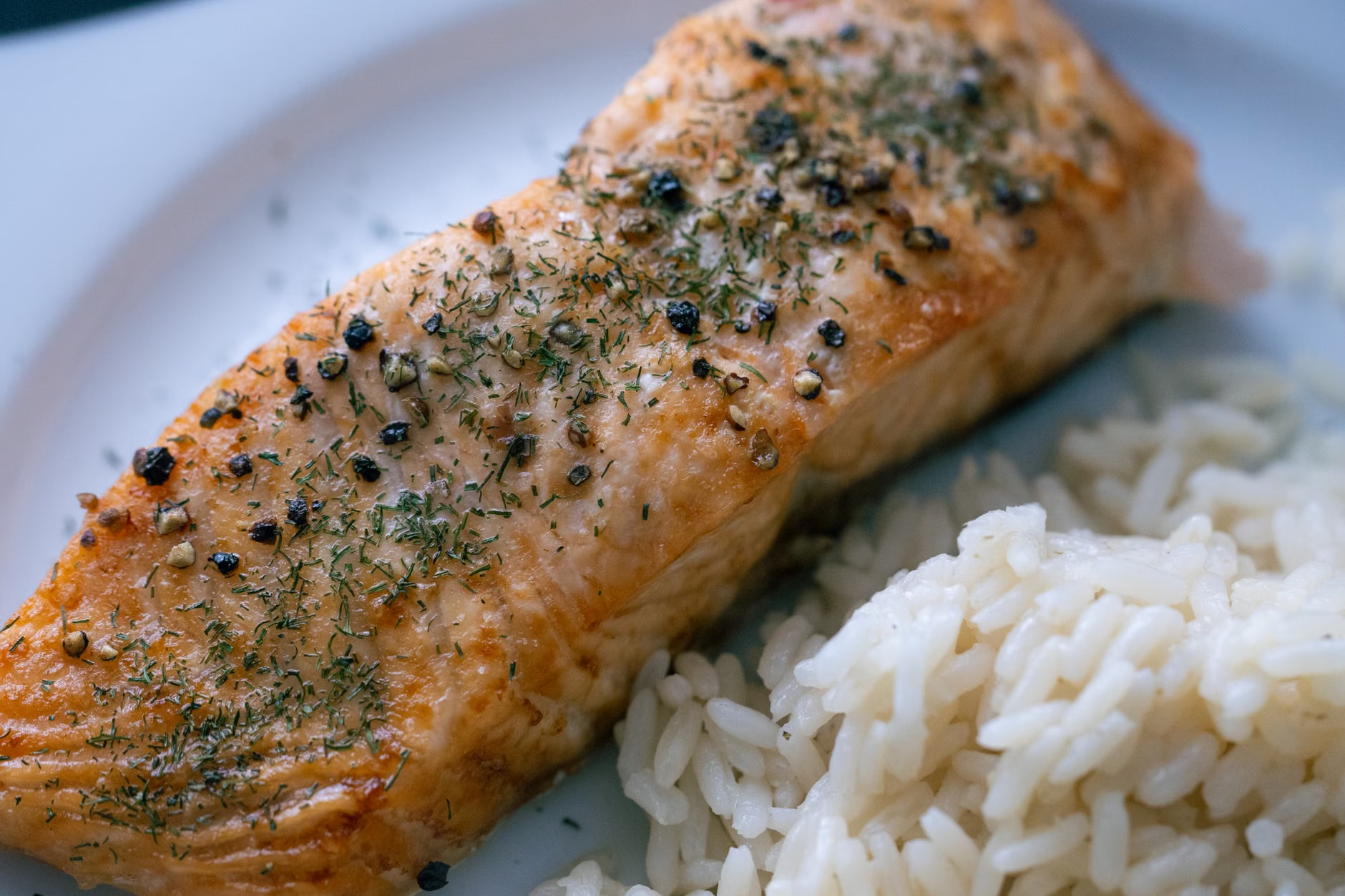
- While the body produces small amounts of choline, dietary sources—such as eggs, fish, and cruciferous vegetables—are essential to meet the recommended daily intake for optimal cellular repair and neurotransmitter production.
For adults aged 60 to 80, maintaining the integrity of cell membranes is a foundational aspect of healthy aging. Every cell in your body is encased in a phospholipid bilayer that acts as a gatekeeper, regulating what enters and exits. Choline—a nutrient often overshadowed by more famous vitamins—is the primary building block for the phospholipids that make these membranes possible. Without sufficient choline, the structural stability of your cells can be compromised, potentially impacting everything from metabolic efficiency to signal transmission in the brain.
Understanding Choline’s Role in Cellular Architecture
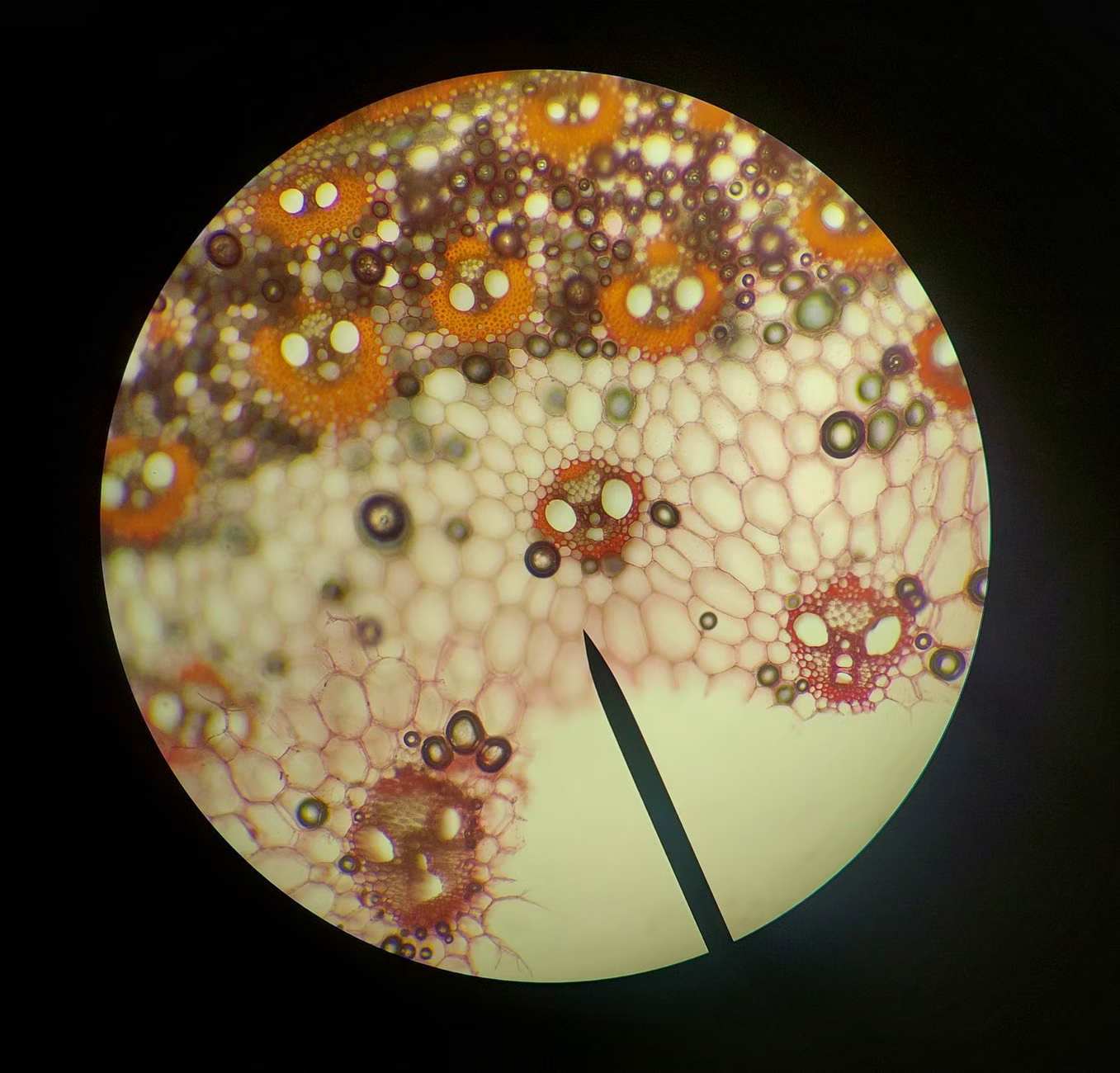
To understand why choline matters, we must first look at the “what it is” of cellular membrane integrity. Every cell in your body is surrounded by a membrane composed largely of a substance called phosphatidylcholine. This is a type of phospholipid that provides the necessary fluidity for cells to function, communicate, and repair themselves.
As we age, the cumulative stress of oxidative damage can make these membranes more rigid or prone to degradation. Think of your cell membranes like the walls of a house. If the mortar between the bricks—in this case, the phospholipids—is thin or weak, the structural integrity of the entire house is at risk. Choline is the primary precursor for the synthesis of these phospholipids. When you consume enough choline, you are essentially providing the raw materials required to “patch” and maintain these vital structures.
Why does this matter for the 60-80 age bracket? Research suggests that as we age, our internal efficiency for synthesizing choline on our own may fluctuate. Relying solely on the body’s internal production is rarely sufficient to maintain optimal cellular health. By prioritizing dietary intake, you support the continuous turnover and repair of cells, which is the cornerstone of systemic health.
The Cognitive Connection: Choline and Neurotransmission
Beyond the structural integrity of cells, choline plays a pivotal role in the production of acetylcholine. Acetylcholine is a major neurotransmitter—a chemical messenger that allows your nerve cells to communicate with each other. In the context of aging, maintaining healthy communication between neurons is essential for focus, memory, and motor coordination.
In real life, this looks like the difference between feeling “sharp” and feeling “foggy.” When neurons have a consistent supply of choline to produce acetylcholine, they can fire signals efficiently. If supply runs low, the “noise” in the system increases, often manifesting as difficulty in multitasking or a slower recall speed. While diet alone is not a “cure” for age-related cognitive decline, ensuring your brain has the chemical building blocks it needs is a proactive step in maintaining cognitive resilience.
Comparing Dietary Sources of Choline
Not all choline sources are created equal. It is important to distinguish between the bioavailability of different foods. The following table illustrates common sources and their role in a balanced diet for older adults.
| Food Source | Choline Content | Practical Benefit for Seniors |
|---|---|---|
| Egg Yolks | High | Excellent source of protein and highly bioavailable choline. |
| Salmon/Fish | Moderate-High | Provides omega-3s, which work synergistically with choline for membrane health. |
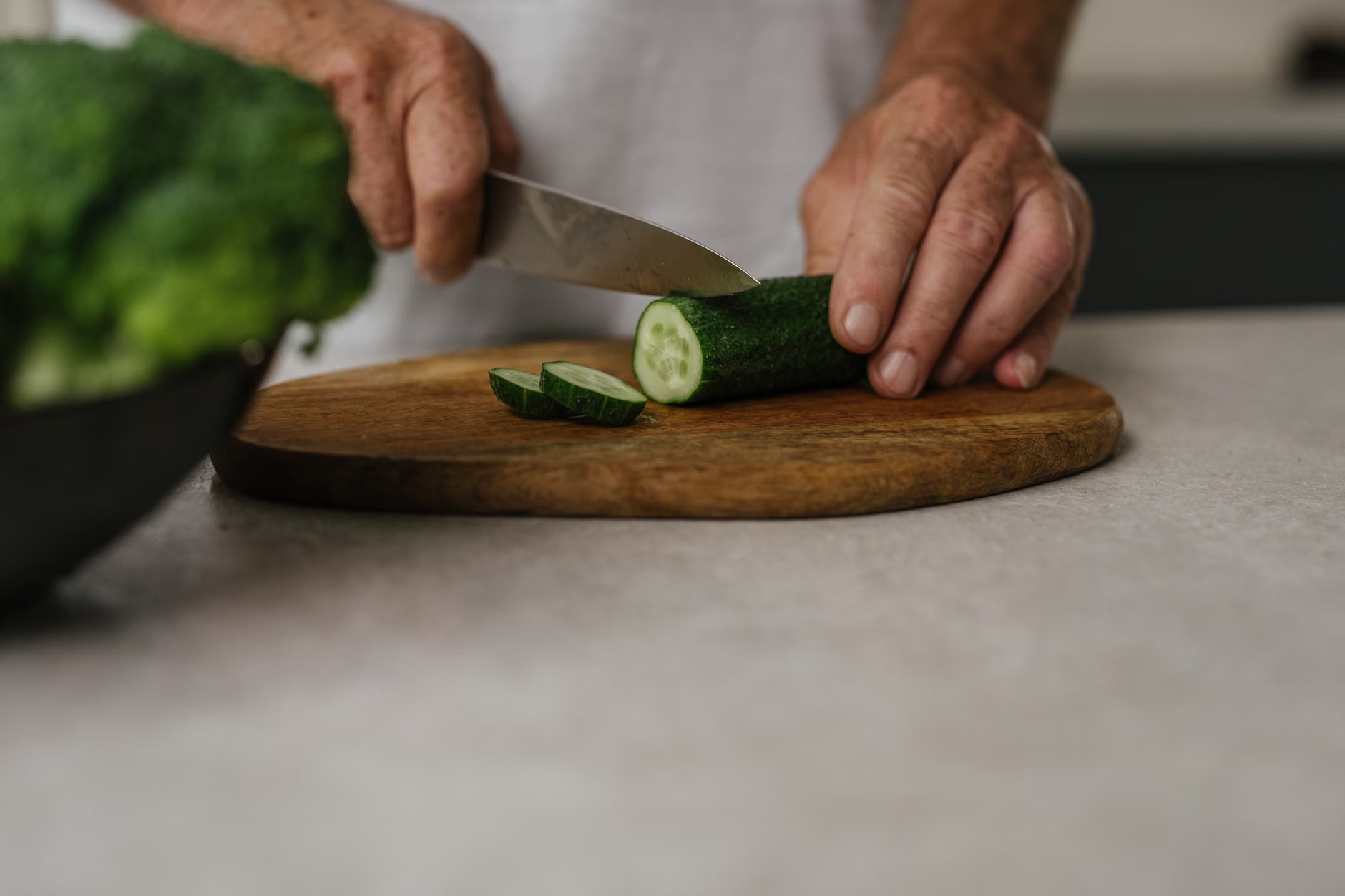
| Broccoli/Brussels Sprouts | Moderate | High fiber content supports digestive health while providing necessary choline. |
| Lean Beef/Poultry | Moderate | Provides essential amino acids alongside choline. |
For those managing specific conditions like high cholesterol, the inclusion of egg yolks should be discussed with a doctor or dietitian. However, for most, the moderate intake of whole eggs is a highly efficient way to reach daily choline targets without the need for synthetic supplements.
Practical Steps for Integrating Choline into Daily Habits
Improving your nutrient intake does not require a radical lifestyle overhaul. Instead, it involves small, consistent substitutions. Here is a step-by-step approach to ensuring you get enough choline without adding unnecessary complexity to your day.
- Audit your breakfast: If you typically eat oatmeal, consider adding a poached or boiled egg on the side. This simple addition can provide a significant portion of your daily choline requirement.
- Prioritize cruciferous vegetables: Aim to include one serving of broccoli, cauliflower, or Brussels sprouts in your lunch or dinner. These vegetables are dense in nutrients and support the liver, which plays a major role in how your body metabolizes fats and choline.
- Consider the “pairing” rule: Pair your choline-rich foods with healthy fats. Phospholipids are fat-soluble, meaning your body absorbs them more effectively when consumed with a small amount of healthy fat, such as olive oil or avocado.
A common mistake is assuming that a “multivitamin” will cover these needs. Most standard multivitamin supplements do not contain significant amounts of choline, as it is a bulky nutrient that is difficult to pack into a single pill. Therefore, focusing on whole-food sources remains the most reliable strategy.
If you are currently managing chronic conditions, such as kidney disease or specific metabolic disorders, your nutritional requirements may differ from general population guidelines. In these cases, it is essential to consult with a registered dietitian or your primary care physician before making significant changes to your diet.
When preparing for a medical appointment regarding your diet, bring a 3-day food diary. This allows your healthcare provider to see exactly how much choline you are getting through your current habits. Ask them specific questions: “Based on my current blood work and medication list, is there a specific target range for choline that I should aim for?” or “Are there any interactions between my current medications and high-choline foods?”
Remember that nutritional needs are highly individual. Your activity level, existing muscle mass, and metabolic rate all influence how your body utilizes nutrients. There is no “one-size-fits-all” number, but the general recommendation for most adults is roughly 425mg for women and 550mg for men per day. Most seniors fall short of this simply because they rely on processed convenience foods, which are typically devoid of this specific nutrient.
The Intersection of Lifestyle and Cellular Longevity
Cellular integrity is not just about what you eat; it is also about how you move. Physical activity, specifically resistance training, creates a demand for cellular repair. When you challenge your muscles, you are essentially signaling to your body that it needs to reinforce its cellular structures. This process of repair is where choline becomes even more active. By combining a choline-rich diet with gentle, consistent physical activity, you create a “demand-and-supply” cycle that keeps your cells functioning at their peak.
Furthermore, hydration plays a critical role. While choline is the building block for the membrane, water is the medium through which all cellular transport occurs. Dehydration can lead to increased stress on cells, making them more vulnerable to damage. For older adults, who may have a diminished thirst sensation, tracking water intake is just as important as tracking nutrient intake.
Addressing Common Misconceptions
There is a persistent myth that dietary cholesterol in eggs is universally harmful for all seniors. While this was a major focus of nutritional guidance in the 1990s, modern research has clarified that for the vast majority of people, dietary cholesterol has a much smaller impact on blood cholesterol levels than previously thought. The benefits of the choline and high-quality protein found in eggs often outweigh the concerns for individuals without specific genetic predispositions to high cholesterol.
Another misconception is that you can “store” choline for long periods. Unlike some vitamins that are stored in body fat, choline is used constantly. It is essentially a “daily-use” nutrient. This is why consistency is far more important than intensity. You do not need to consume a massive amount of choline once a week; you need a steady, modest supply every single day.
Conclusion: The Path Forward
Maintaining cellular membrane integrity is a lifelong project, but it is one that offers significant returns in the form of cognitive clarity and metabolic health. By focusing on whole-food sources like eggs, fish, and cruciferous vegetables, you are providing your body with the fundamental materials it needs to repair and maintain itself. Start by making one small change—perhaps adding an egg to your breakfast or a serving of steamed broccoli to your dinner—and observe how your energy levels and focus respond over the coming weeks.
Your health is a cumulative result of daily choices. By prioritizing the invisible, microscopic needs of your cells, you are building a stronger, more resilient foundation for your daily life. For more detailed nutritional guidance, you can consult the Dietary Guidelines for Americans, which provides comprehensive information on nutrient targets for all age groups.
Frequently Asked Questions
1. Can I just take a choline supplement instead of changing my diet?
While supplements exist, they are generally intended to fill gaps, not replace a balanced diet. Whole foods provide a complex matrix of other nutrients, such as omega-3s and fiber, that work in tandem with choline. Supplements should only be used under the guidance of a professional if you cannot meet your needs through food alone.
2. How do I know if I am getting enough choline?
Unless you are tracking your intake using a food diary or an app, it is difficult to know for certain. However, if your diet is high in processed foods and low in whole eggs, fish, and vegetables, you are likely not meeting the recommended daily intake. A dietitian can help you assess your current intake based on your specific dietary patterns.
3. Does cooking destroy the choline in food?
Choline is relatively heat-stable, meaning standard cooking methods like boiling, steaming, or baking do not significantly destroy the choline content. However, avoid deep-frying or extreme overcooking, as these methods can degrade other beneficial nutrients and add unnecessary calories.