- Prioritize Direct Access: Choose hotels that offer a seamless, step-free path from the lobby directly to the river promenade to conserve stamina.
- Verify Accessibility Beyond the Room: A room might be “accessible,” but the hotel must offer level access to elevators, dining areas, and public transport links.
- Check Local Infrastructure: Review the promenade’s surface material and gradient; avoid areas with cobblestones or steep inclines that can hinder mobility devices.
Selecting the right accommodation is the cornerstone of a successful trip. For travelers aged 60 to 80, a riverfront promenade offers the perfect blend of scenic beauty and flat, manageable walking paths. However, the appeal of a waterfront view can often mask logistical challenges such as uneven terrain, distant parking, or limited elevator access. This guide focuses on how to evaluate hotels specifically for their accessibility, safety, and convenience, ensuring your next getaway is both relaxing and stress-free.
Evaluating the Path Between Hotel and Promenade
The most common mistake travelers make is assuming that a “riverfront hotel” means immediate, easy access to the water. In many historic cities, the hotel may be situated on a bluff above the river, requiring navigation of steep staircases or long, winding paths. Before booking, you must verify the specific nature of the connection between the property and the promenade.
Assessing Slope and Surface Material
Even if a path is labeled “pedestrian-friendly,” it may not be suitable for all levels of stamina or mobility. Look for the following indicators:
- Gradient: A slope greater than 5% can become physically taxing over long distances. Check satellite view maps (such as Google Maps 3D view) to identify significant elevation changes.
- Surface Quality: Cobblestones, while charming, are a significant trip hazard and can be painful for those with joint discomfort. Smooth, paved, or concrete surfaces are the gold standard for accessibility.
- Lighting and Security: If you plan to enjoy the promenade in the evening, ensure the path is well-lit and monitored.
Practical Decision Rule: If the hotel website does not feature a video or clear photos of the path to the river, contact the concierge directly. Ask: “Is there a step-free, level route from the hotel exit to the main promenade?” If they hesitate or mention stairs, look for an alternative property.
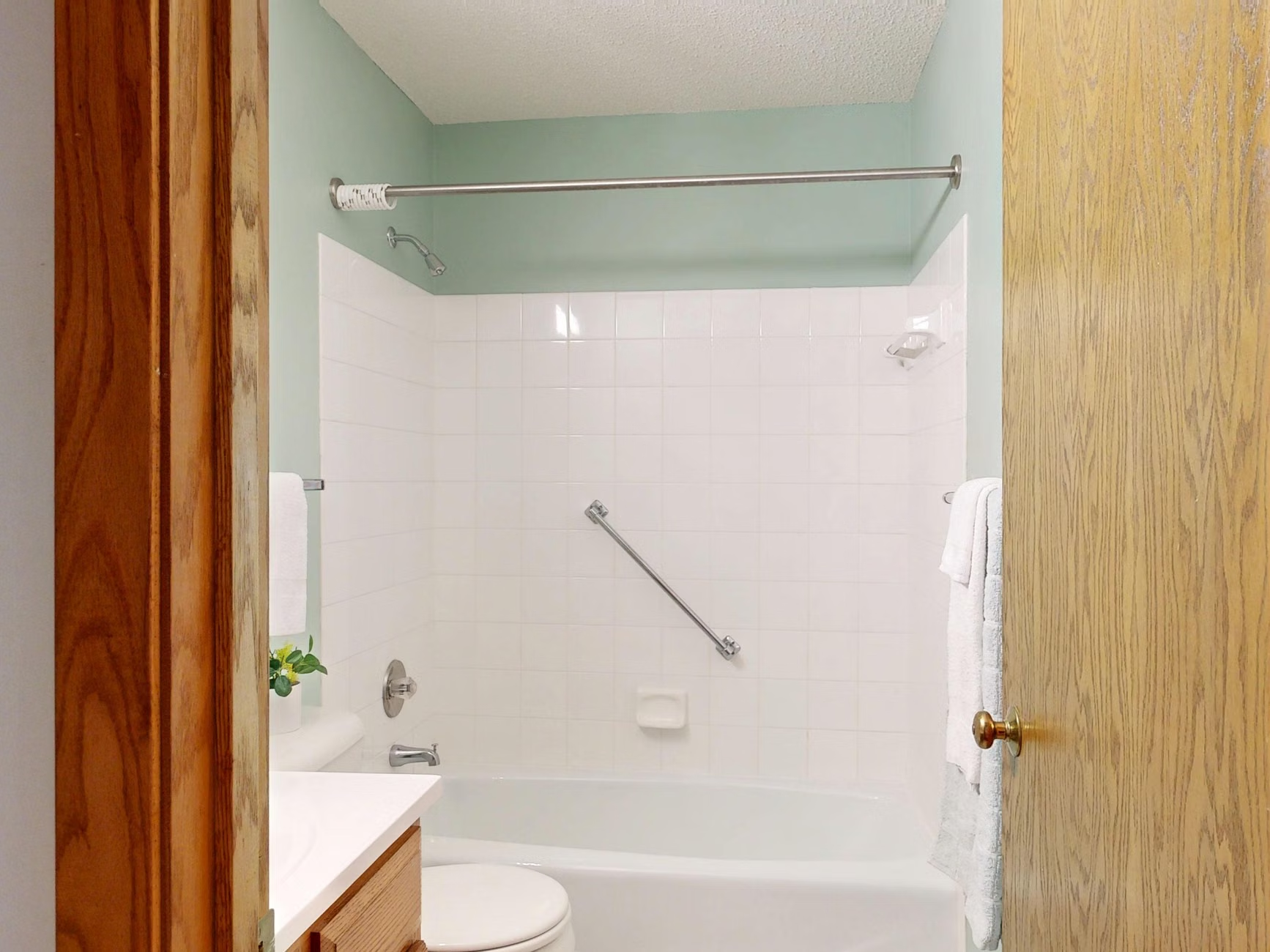
The Anatomy of an Accessible Hotel Room
Accessibility in a hotel room goes far beyond the presence of a grab bar. You need to consider the layout, the height of furniture, and the technology within the room. When inquiring about an “accessible room,” be specific about your needs, as standards vary globally.
Checklist for Room Suitability
| Feature | What to Look For | Why It Matters |
|---|---|---|
| Shower | Roll-in or low-threshold walk-in shower with a seat. | Reduces the risk of falls and eliminates the need to step over a high tub edge. |
| Bed Height | Standard height (approx. 18-22 inches from floor to top of mattress). | Allows for easy sitting and standing without excessive strain on the knees. |
| Door Width | Minimum 32 inches (82 cm) clearance. | Essential for mobility aids or if you are traveling with luggage. |
| Controls | Light switches and thermostats reachable from the bed. | Prevents unnecessary movement during the night. |
Insight: Always ask if the “accessible” room is located near the elevator. Some hotels place accessible rooms at the end of long corridors, which can be exhausting for those with limited endurance. Request a room that minimizes travel distance from the main lobby.
A beautiful promenade is only useful if you can reach it without relying on expensive taxis or complicated public transport. When researching a location, look at the integration between the hotel and the local transit grid.
Proximity to Public Transit
Many riverfront cities, particularly in Europe and parts of Asia, have excellent tram or river-bus systems. These are often more accessible than underground subways, which frequently rely on aging infrastructure with out-of-service elevators. Before you book, check:
- Distance to Stop: Is the nearest bus or tram stop within a 300-meter radius?
- Level Boarding: Does the local transport provide level boarding for wheelchairs or those who struggle with high steps?
- Digital Tools: Use local city apps (e.g., Citymapper or Google Transit) to check if elevators at transit stations are currently operational.
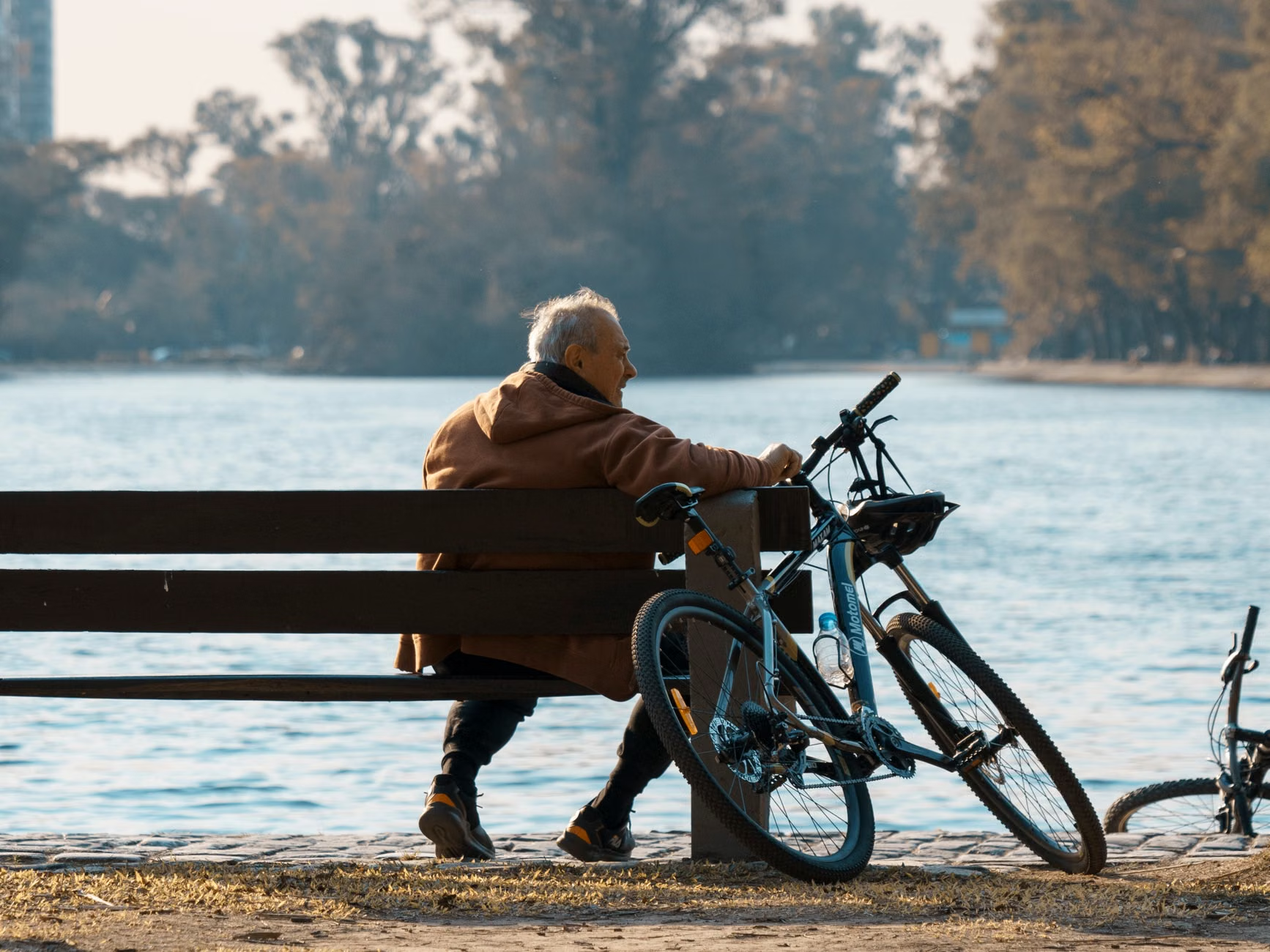
The Importance of Pacing and Rest Intervals
Travel stamina is a finite resource. Even the most fit traveler should plan for recovery periods. A riverfront promenade is an excellent location for this because it typically features frequent seating, but you should not rely on finding a bench when you need one.
Strategic Planning for Stamina
When planning your daily itinerary, consider the “Rule of Three”:
- Morning Activity: Engage in the main sightseeing or walking activity while your energy levels are highest.
- Midday Reset: Return to the hotel for a 90-minute rest. This is why a central, riverfront location is so valuable—you are never too far from your “base.”
- Evening Leisure: Enjoy a low-exertion activity, such as a sunset walk on the promenade or a river cruise, where you can remain seated.
Common Mistake: Over-scheduling. Many travelers try to maximize their time by visiting three or four attractions per day. Instead, choose one primary “anchor” activity and allow the rest of the day to be flexible. This reduces the stress of rushing and allows you to enjoy the atmosphere of the promenade at a comfortable pace.
Understanding Global Accessibility Standards
Accessibility regulations are not universal. It is crucial to understand the context of the region you are visiting.
- United States (ADA): The Americans with Disabilities Act (ADA) provides strict, enforceable standards for hotel accessibility. If a hotel claims to be ADA-compliant, you can expect specific, regulated features.
- European Union: Standards vary by country. While newer hotels in cities like Berlin or Copenhagen are highly accessible, historic properties in older cities may have “grandfathered” layouts that are difficult to navigate. Always ask for the year of the last major renovation.
- Asia/Pacific: Modern luxury hotels in cities like Singapore, Tokyo, or Sydney generally offer world-class accessibility. However, in smaller towns, infrastructure may focus more on stairs and elevated platforms.
Practical Tip: When booking, look for specific terms like “barrier-free” or “wheelchair accessible.” In countries where English is not the primary language, these terms are often understood internationally by hotel reservation staff.
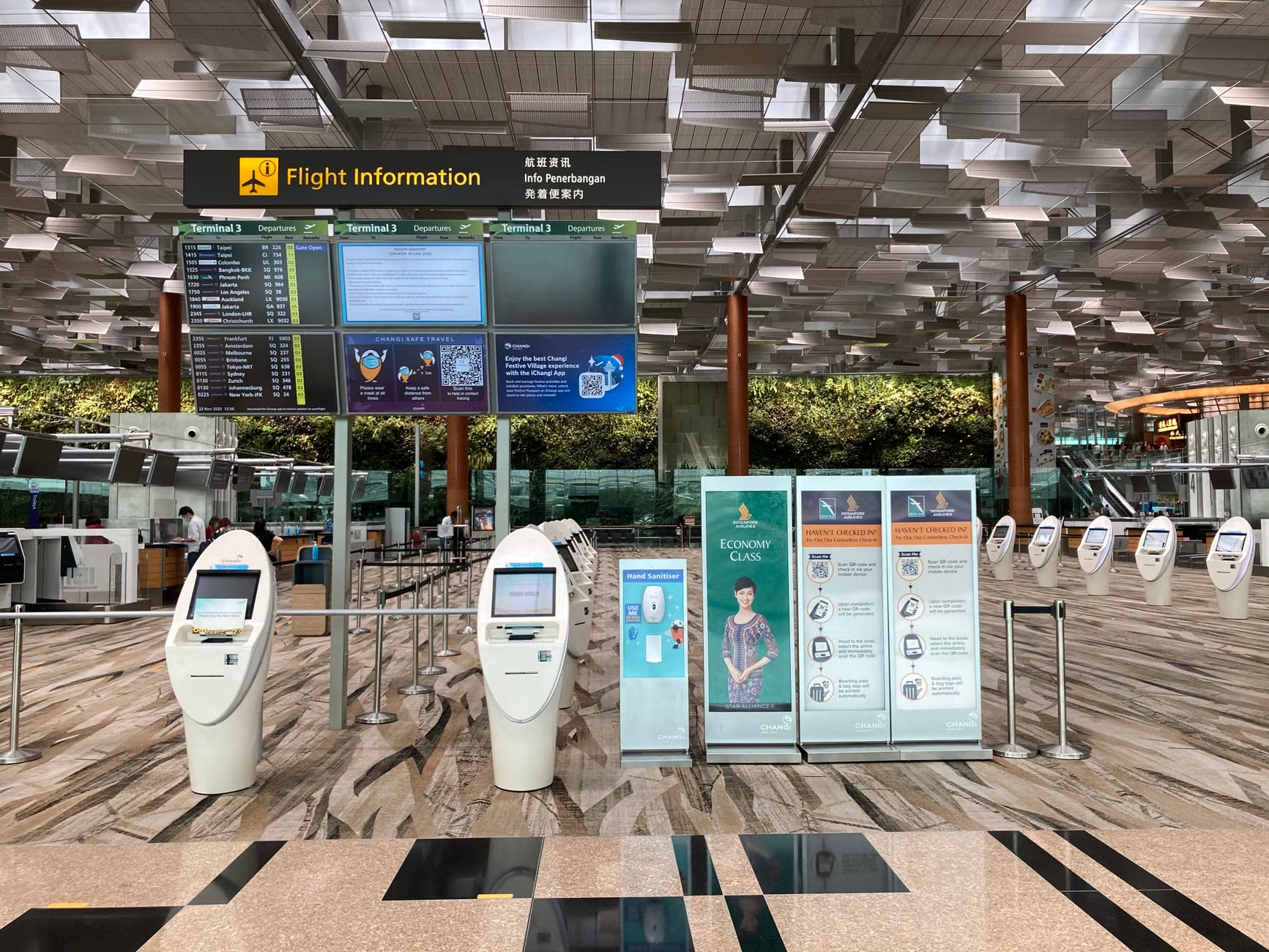
Preparing for Your Trip: A Pre-Travel Checklist
Preparation is the best way to prevent anxiety. Use this checklist to ensure your hotel choice is truly suitable:
- [ ] Contact the hotel directly: Do not rely solely on online booking descriptions.
- [ ] Request photos: Ask for specific photos of the bathroom and the path to the promenade if they are not clear on the website.
- [ ] Confirm elevator access: Ensure there is an elevator that reaches all floors, including the floor with your room and the lobby/exit.
- [ ] Dietary requirements: If the hotel restaurant is your main dining source, ensure they can accommodate your dietary needs.
- [ ] Emergency contacts: Save the contact information of the hotel and local emergency services in your phone.
Conclusion: Your Comfort is the Priority
Choosing a riverfront promenade hotel is about more than just the view; it is about choosing an environment that supports your independence and physical well-being. By prioritizing flat access, proximity to transport, and room layouts that cater to your specific mobility needs, you can enjoy the serenity of a waterfront stay with confidence. Remember, the best travel experiences are those where you feel safe, comfortable, and in control of your own pace.
Frequently Asked Questions (FAQ)
1. How can I confirm a hotel’s accessibility claims before I arrive?
Do not rely only on website descriptions. Send an email to the hotel’s front desk asking for specific details, such as the number of steps at the entrance or the availability of a walk-in shower. Requesting a short video or photos of the specific room you are booking is a reasonable request that helps prevent surprises.
2. Are historic hotels usually accessible?
Often, no. Historic buildings are frequently exempt from modern accessibility laws. If you prefer the charm of an older property, always prioritize those that have undergone a major renovation in the last 5–10 years, as these are more likely to have integrated modern accessibility features like lifts and widened doorways.
3. What should I do if the hotel doesn’t meet my accessibility needs upon arrival?
If the room is not as described, communicate with the front desk immediately. Be calm but firm about your requirements. If the hotel cannot provide a suitable room, they may be able to assist in rebooking you at a nearby partner property that does meet your needs. Keeping a copy of your initial correspondence regarding your accessibility requirements is helpful in these situations.
For further information on accessible travel standards, you can consult resources such as the U.S. Department of Justice ADA information or local tourism boards which often provide specific guides for visitors with mobility considerations.