- Sulfur is a vital mineral that assists in the production of collagen and keratin, which are essential for skin elasticity and joint cartilage integrity.
- The most reliable way to obtain sulfur is through a diverse diet rich in cruciferous vegetables, alliums (onions/garlic), and high-quality proteins.
- Before adding high-dose sulfur supplements like MSM (Methylsulfonylmethane), you must consult your healthcare provider, especially if you are on blood-thinning medications or have specific kidney conditions.
Dietary Sulfur for Joint and Skin Health: A Practical Guide for Seniors
As we navigate our 60s, 70s, and beyond, the structural integrity of our bodies—specifically our joints and skin—undergoes natural changes. You might notice that your skin feels thinner or less resilient, or that your joints feel stiffer after a night of rest. While these are common parts of the aging process, nutrition plays a significant role in how we manage these changes. Dietary sulfur is a frequently overlooked nutrient that serves as a fundamental building block for the proteins that keep our connective tissues strong and our skin supple.
Understanding the Role of Sulfur in the Body
Sulfur is the third most abundant mineral in the human body. Unlike vitamins that act as co-factors for chemical reactions, sulfur is a structural component. It is found in every cell of the body, but it is most concentrated in the tissues that require high levels of structural support: your joints, skin, hair, and nails.
At a cellular level, sulfur is a key component of amino acids like methionine and cysteine. These amino acids are necessary for the formation of collagen and keratin. Collagen provides the “scaffolding” for your skin and cartilage, while keratin is the primary protein in your skin and nails. As we age, our bodies become less efficient at synthesizing these proteins, which is why maintaining an adequate intake of sulfur-containing nutrients is so important for long-term maintenance.
Why Sulfur Matters for Joint and Skin Health
The primary concern for many adults in their 60s and 70s is maintaining mobility and skin health. Sulfur contributes to these in two distinct ways:
1. Joint Integrity and Flexibility
Your joints are cushioned by cartilage, a firm, rubbery tissue. Cartilage is rich in proteoglycans, which are large molecules that contain sulfur. These molecules help the cartilage retain water, allowing it to act as a shock absorber. When sulfur levels are optimized through diet, the structural matrix of your joints is better supported, potentially reducing the feeling of stiffness.
2. Skin Resilience and Elasticity
The skin relies on a network of collagen fibers to remain firm. Sulfur helps form the disulfide bonds that cross-link collagen molecules. Think of these bonds like the support cables on a bridge; they provide the strength and tension necessary for the structure to hold its shape. As we age, these bonds can break down, leading to a loss of elasticity. While diet cannot reverse aging, it provides the raw materials necessary to support the skin’s natural repair processes.

How to Incorporate Sulfur into Your Daily Diet
The most effective and safest way to ensure you are getting enough sulfur is through whole foods. Supplements are available, but they often lack the synergistic nutrients found in a balanced diet. Below is a guide to the best food sources of sulfur.
Top Sulfur-Rich Food Groups
| Food Category | Examples | Why It Helps |
|---|---|---|
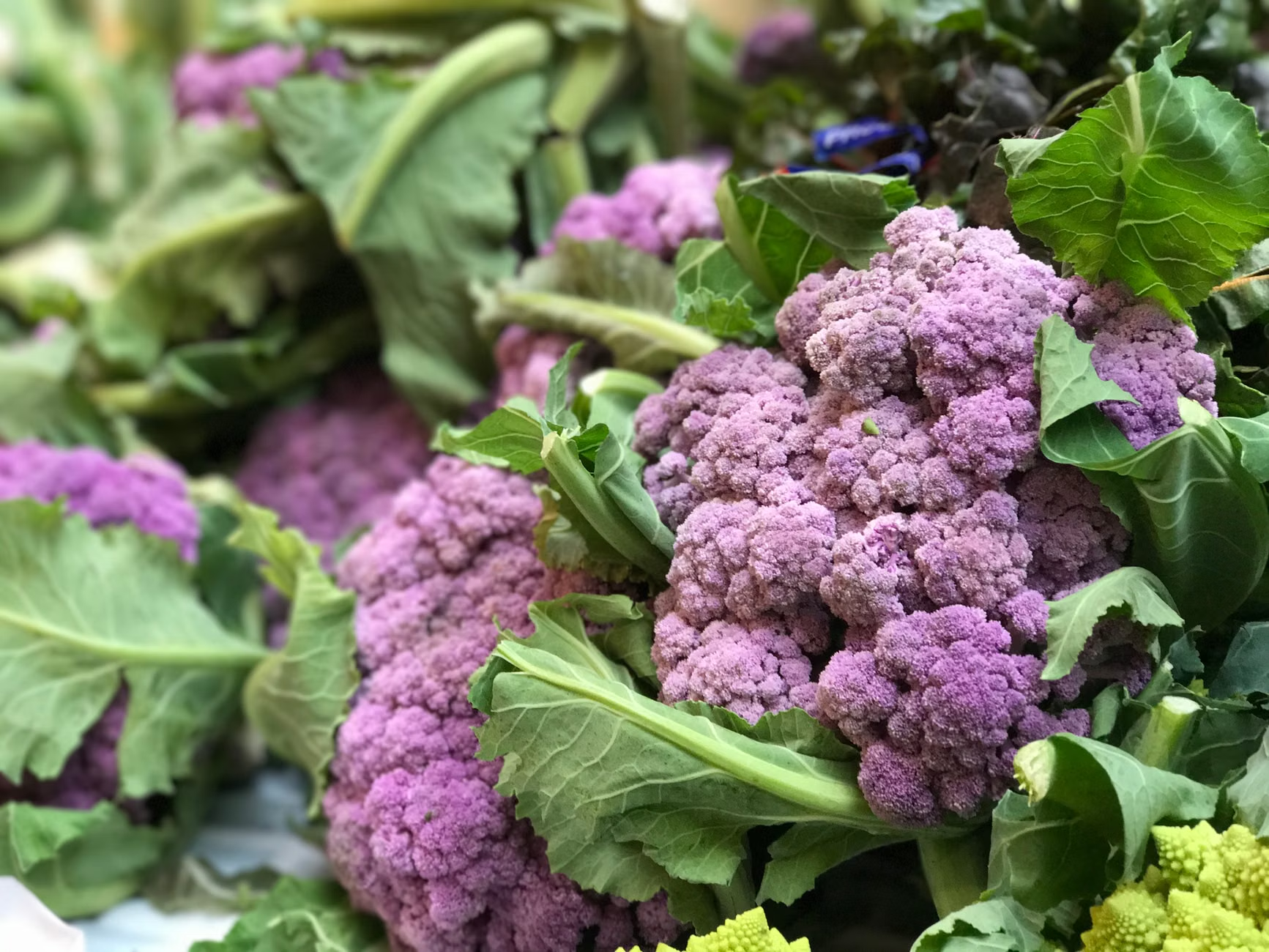
| Cruciferous Vegetables | Broccoli, cauliflower, kale, Brussels sprouts, cabbage | Rich in glucosinolates, which the body converts into sulfur compounds. |
| Alliums | Garlic, onions, leeks, shallots | High in organosulfur compounds that support cellular health. |
| High-Quality Proteins | Eggs, fish, lean meats, poultry | Excellent sources of methionine and cysteine (sulfur-rich amino acids). |
| Legumes & Seeds | Lentils, chickpeas, sunflower seeds | Plant-based proteins that provide a steady supply of sulfur. |
If you are looking to increase your intake, start by choosing one item from each of these categories throughout your week. For example, adding sliced leeks to a soup or having an egg-based breakfast twice a week can significantly boost your dietary sulfur profile without the need for processed supplements.
The Reality of Supplements: What You Need to Know
You may have heard of MSM (Methylsulfonylmethane), a popular sulfur-based supplement. While some research suggests that MSM may help reduce joint discomfort in specific populations, it is important to approach supplements with caution.
Common Mistakes when Starting Supplements:
- Assuming “More is Better”: Sulfur is a mineral, and excessive intake can lead to digestive discomfort, including bloating or diarrhea.
- Ignoring Drug Interactions: If you are taking blood thinners (anticoagulants) or medications for chronic conditions, sulfur supplements could theoretically interact with your treatment. Always check with your doctor first.
- Replacing Medical Care: If you are experiencing persistent joint pain, swelling, or redness, these are signs that require a clinical evaluation. Supplements are not a substitute for diagnostic imaging or professional physical therapy.

Practical Strategies for Daily Maintenance
To integrate these nutritional habits into your life, focus on consistency rather than intensity. Here is a simple, actionable plan:
- The “Two-a-Day” Rule: Aim to include at least two servings of sulfur-rich vegetables (like broccoli or cabbage) in your lunch or dinner daily.
- Hydration is Key: Sulfur compounds need water to function effectively within your cartilage and skin. Ensure you are drinking enough water throughout the day to support these tissues.
- Cooking Methods Matter: Some sulfur compounds are heat-sensitive. To maximize intake, try steaming your vegetables lightly rather than boiling them for long periods, which can leach nutrients into the water.
- Keep a Symptom Diary: If you are trying to improve joint stiffness, keep a brief record of how your joints feel over a four-week period after increasing your intake of sulfur-rich foods. This helps you identify if dietary changes are making a tangible difference in your daily comfort.
When to Consult a Professional
Nutrition is a powerful tool for wellness, but it is not a cure-all. You should schedule an appointment with your primary care provider or a registered dietitian if:
- You experience sudden, sharp joint pain that limits your movement.
- You notice significant skin changes, such as non-healing sores or unusual rashes.
- You are considering starting any new supplement regimen and have pre-existing kidney or heart conditions.
When you visit your doctor, bring a list of your current medications and a 3-day food log. This allows your healthcare provider to give you advice that is tailored to your specific health profile, ensuring that any dietary changes are safe and effective for your long-term goals.
Conclusion
Maintaining joint and skin health in your 60s and 70s is about providing your body with the right building blocks. By focusing on a diet rich in cruciferous vegetables, alliums, and high-quality proteins, you are supporting the natural collagen and keratin production that keeps you moving and feeling your best. Remember, the goal is not to find a “miracle” fix, but to create a sustainable lifestyle that respects your body’s changing needs. Start small, stay consistent, and always prioritize your overall health through informed, professional guidance.
Frequently Asked Questions
1. Can I get enough sulfur just from eating vegetables?
Yes, for most people, a balanced diet that includes cruciferous vegetables, onions, garlic, and protein sources provides sufficient sulfur for daily bodily functions. Supplements are generally only considered in specific clinical cases under medical supervision.
2. Are there any side effects to eating too many sulfur-rich foods?
For the vast majority of people, there are no negative side effects to consuming sulfur through food. However, individuals with sensitive digestive systems may experience gas or bloating when suddenly increasing their intake of cruciferous vegetables. It is best to increase these foods gradually.
3. How long does it take to see results in joint flexibility?
Dietary changes are not immediate. Because the body requires time to incorporate these nutrients into tissues like cartilage, it may take several weeks or even months of consistent, healthy eating to notice a difference in joint comfort or skin texture.
Disclaimer: This article is for informational purposes only and does not constitute medical advice. Always consult with your healthcare provider before making significant changes to your diet or starting any new supplement regimen.