- Seated forearm pronation is a targeted movement that preserves the rotational capacity of your wrist, which is essential for opening jars, turning keys, and using tools.
- Consistent, pain-free repetition is more effective than high-intensity stretching; always prioritize controlled movement over speed.
- If you experience sharp pain or persistent numbness while performing these exercises, stop immediately and consult a physical therapist or healthcare provider to rule out underlying conditions like carpal tunnel or arthritis.
Maintaining the ability to rotate your forearms—the motion of turning your palm from facing up to facing down—is a fundamental requirement for independence. As we age, the connective tissues in our wrists and elbows can become less supple, potentially limiting the range of motion needed for simple daily tasks. Seated forearm pronation is a safe, effective, and accessible exercise that helps preserve this vital movement pattern.
Understanding Forearm Pronation and Why It Matters
Forearm pronation is the anatomical term for rotating the forearm so that the palm faces downward. The opposite motion, where the palm faces upward, is known as supination. These two movements occur primarily at the radioulnar joints—the points where the two bones of your forearm (the radius and the ulna) meet and rotate around one another.
In everyday life, we rarely think about these movements. However, consider the complexity of a simple morning routine: holding a toothbrush, turning a faucet handle, gripping a coffee mug, or turning a door key. Each of these actions relies on the fluid coordination of the forearm and wrist. When mobility decreases, these tasks can become difficult or even painful, leading to a reliance on others for tasks you are perfectly capable of performing if your range of motion remains intact.

For adults aged 60 to 80, the goal is not to achieve extreme flexibility but to maintain functional range. By incorporating gentle, seated exercises into your daily routine, you can prevent the “stiffness cycle,” where lack of use leads to tightness, which in turn makes moving more uncomfortable, leading to even less use.
The Anatomy of Safe Practice: Preparation and Setup
Before beginning any mobility routine, it is essential to create an environment that supports your posture. The “seated” aspect of this exercise is deliberate; it removes the need to balance or stabilize your core, allowing you to focus entirely on the movement of the forearm.
| Component | Requirement |
|---|---|
| Seating | A firm chair with back support. Avoid soft sofas that cause you to slouch. |
| Surface | A table at elbow height so your arm can rest comfortably without your shoulder hunching. |
| Environment | Well-lit area with enough space to extend your arm fully without hitting objects. |
Common Mistake: Many people attempt to perform wrist exercises while standing or while their arm is unsupported in the air. This often leads to unnecessary tension in the shoulder and neck. By resting your forearm on a stable surface, you isolate the movement to the forearm muscles, preventing compensatory strain in other parts of your body.
Step-by-Step Guide to Seated Forearm Pronation
Follow these steps to perform the exercise safely. If you feel any sharp pain, stop immediately.
- Positioning: Sit upright in your chair with your feet flat on the floor. Place your forearm on a table, with your hand hanging off the edge if preferred, or resting flat on the surface.
- Neutral Start: Begin with your hand in a neutral position, as if you are shaking hands with someone (thumb pointing up).
- The Rotation: Slowly rotate your forearm so that your palm faces the table. Keep your elbow steady against the surface; do not lift your elbow to assist the movement.
- The Return: Slowly rotate your forearm back to the neutral starting position.
- Control: The movement should take approximately three seconds to rotate down and three seconds to return. Speed is not the goal; internal control is.
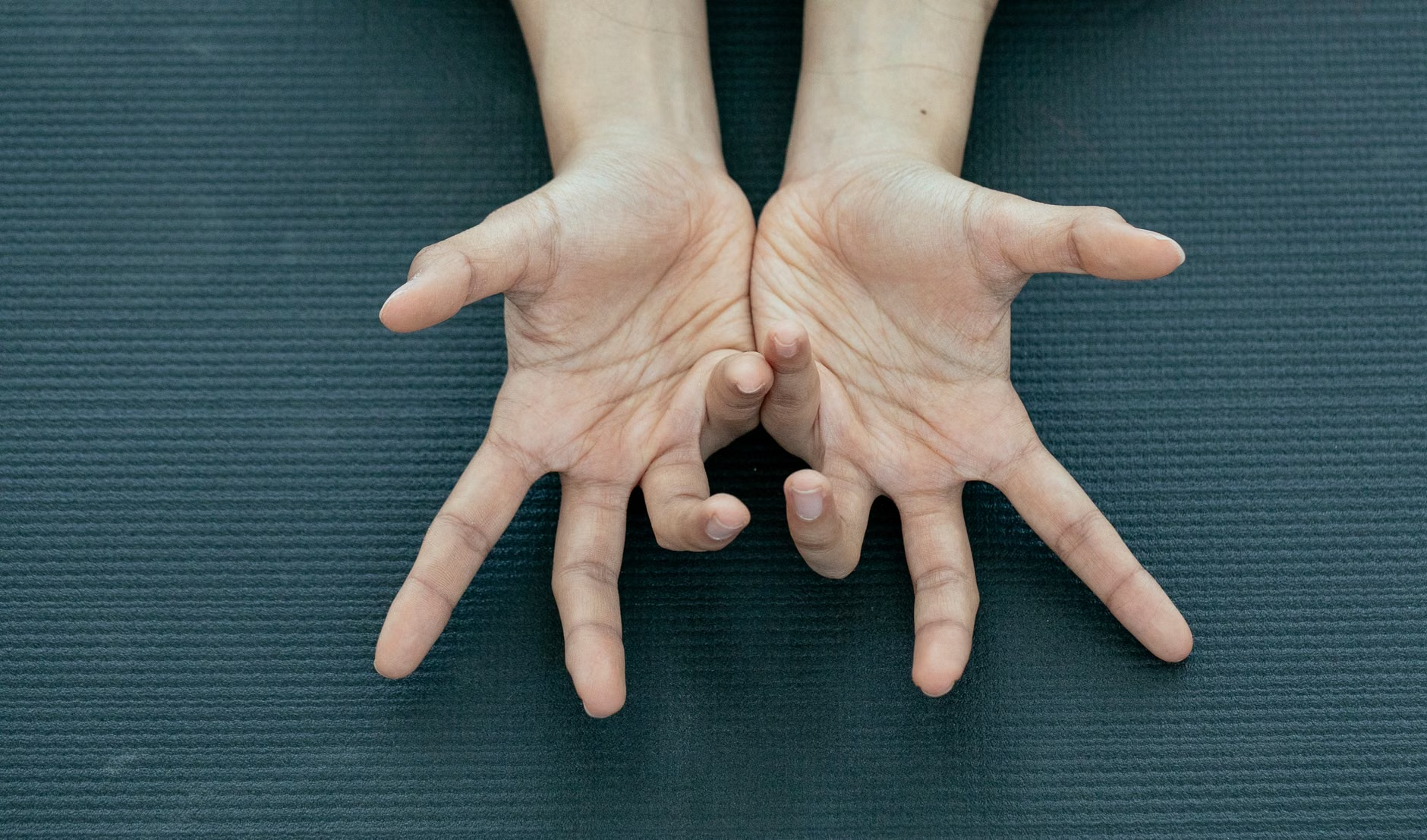
Repeat this movement 5 to 10 times per arm. If you feel fatigue, stop. It is better to perform short, high-quality sessions throughout the day than to perform one long session that leaves your muscles feeling strained or sore.
Adding Gentle Resistance: When and How?
Once you are comfortable with the movement, you may consider adding very light resistance. However, this is only appropriate if you can perform the unweighted movement with perfect form and zero pain. A common error is adding weight too soon, which can lead to tendonitis or muscle strain.
If you choose to add resistance, start with an object that is very light, such as a small, half-filled water bottle or a light kitchen utensil. Hold the object firmly but without gripping so tightly that your knuckles turn white. The weight acts as a gentle lever, encouraging the muscles to work through the full range of motion.
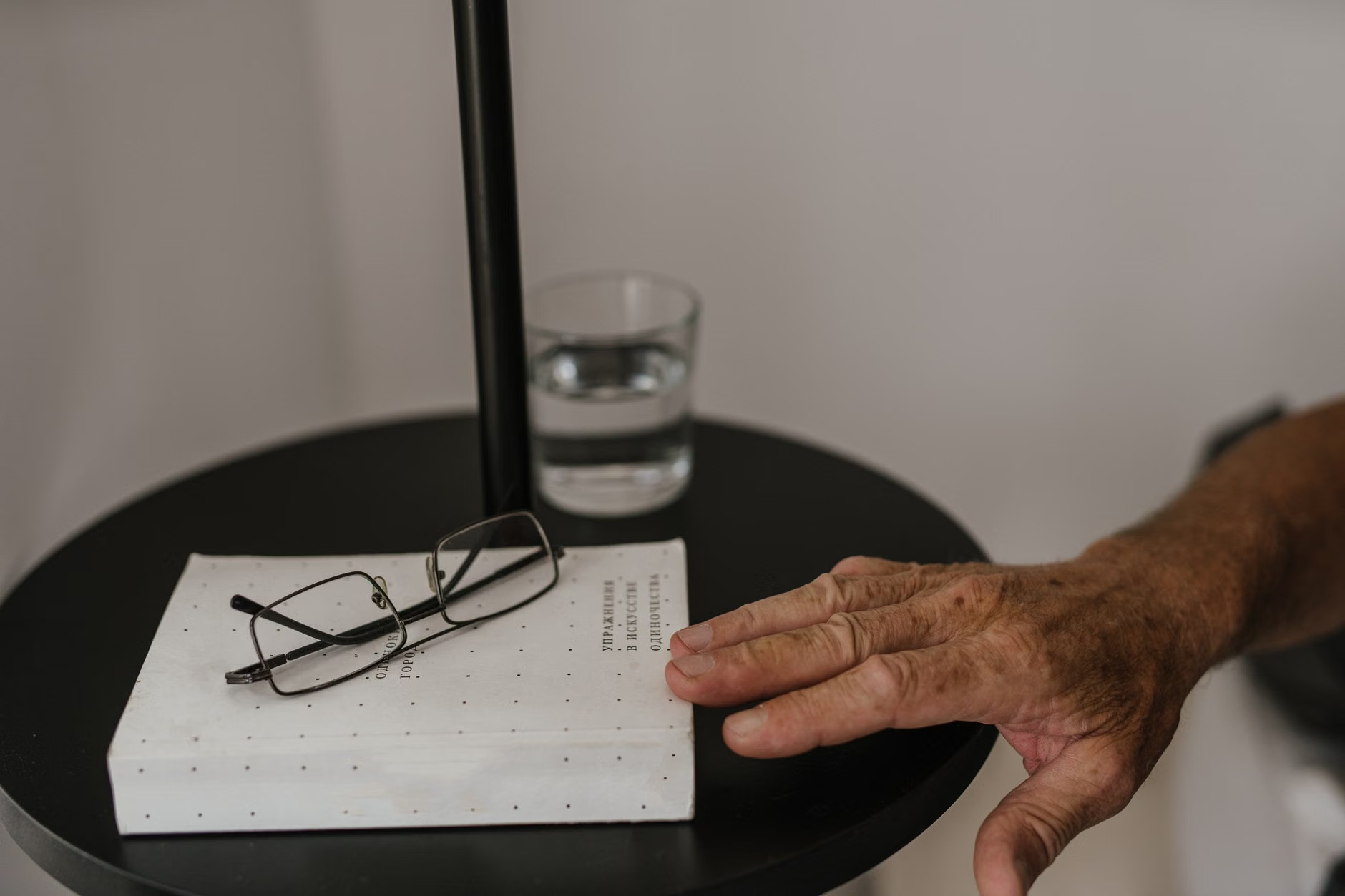
Decision Criteria for Adding Weight:
- Do not add weight if: You feel sharp pain, you have a history of recent wrist injury, or you have been diagnosed with advanced rheumatoid arthritis in the wrist.
- Proceed with caution if: You have occasional stiffness that resolves with gentle movement.
- Consider adding weight if: You have been performing the unweighted exercise for at least 4-6 weeks without pain and feel that your range of motion has plateaued.
Understanding When to Seek Professional Guidance
While self-guided mobility exercises are excellent for prevention, they are not a substitute for medical care when underlying issues are present. It is important to distinguish between “normal” age-related stiffness and symptoms that require a professional evaluation.
Consult a doctor or physical therapist if you experience:
- Numbness or tingling: This may indicate nerve compression, such as carpal tunnel syndrome, which requires a clinical diagnosis.
- Persistent swelling: If your wrist or forearm remains swollen after resting, it may indicate inflammation that needs treatment beyond exercise.
- Clicking or locking: If you feel a “catch” in the joint during rotation, there may be a mechanical issue that exercise will not fix and could potentially irritate.
When preparing for an appointment, bring a list of your daily activities that are currently affected. For example, rather than saying “my wrist hurts,” say “I have difficulty turning the ignition key in my car” or “I am unable to grip a jar lid.” This specific information helps a healthcare provider understand the functional impact of your symptoms.
Insights into Longevity and Joint Health
One overlooked variable in joint health is hydration and nutrition. The tendons and ligaments that facilitate wrist movement rely on adequate hydration to maintain their elasticity. Furthermore, systemic health plays a massive role; conditions like diabetes can impact nerve and tissue health in the extremities. Keeping your blood sugar and hydration levels stable is, in a sense, a form of “internal” wrist care.
Another insight is the role of variety. Do not rely solely on forearm pronation. Integrate other movements like wrist flexion (bending the wrist forward) and extension (bending it backward). By maintaining a holistic approach to your arm and wrist health, you create a buffer against the wear and tear of daily living.
Conclusion: The Path Forward
Your goal is to maintain the functional ability to interact with your environment. Seated forearm pronation is a simple, low-cost, and highly effective tool in your wellness toolkit. By dedicating just a few minutes a day to these movements, you are investing in your long-term independence.
Start today with one set of five repetitions on each arm. Focus on the quality of the movement and listen to your body. As you build this habit, you will likely notice that your wrist feels “lighter” and more responsive. Remember, the goal is not perfection, but persistence. For further reading on safe movement and joint health, you can consult resources from the Arthritis Foundation or your local national health service guidelines on physical activity for older adults.
Frequently Asked Questions (FAQ)
- Q: How often should I perform these exercises?
A: For general maintenance, once a day is sufficient. If you are recovering from stiffness, you might perform them twice a day, provided there is no pain. - Q: Can I do this exercise if I have arthritis?
A: Generally, gentle movement is recommended for arthritis, but you must consult your rheumatologist or physical therapist first to ensure the movement is appropriate for your specific stage of the condition. - Q: What if I feel a “pop” or “click” during the rotation?
A: A painless click can sometimes be normal, but if it is accompanied by pain or the joint feels as though it is getting stuck, stop the exercise and seek professional advice.