- Accessibility Varies: Historic funiculars often rely on “retrofitting” rather than original design; always verify if a station has step-free access before arriving.
- Pacing is Essential: Use the “2:1 Rule”—allocate two hours for transit and recovery for every one hour of active sightseeing to maintain stamina.
- Off-Peak Travel: Historic funiculars are often crowded; traveling before 10:00 AM or after 3:00 PM significantly reduces the risk of fatigue and improves comfort.
Understanding the Funicular Experience for Mature Travelers
For the traveler aged 60 to 80, the appeal of a historic funicular is undeniable. These steep-incline railways offer a bridge between the past and the present, allowing you to reach breathtaking viewpoints or historic old-town centers without the strain of climbing steep, uneven cobblestone streets. However, because these systems were often built in the 19th or early 20th centuries, they present unique challenges regarding mobility and safety.
A funicular operates on a system of counterbalanced carriages, where one ascends as the other descends. While they are marvels of engineering, the infrastructure surrounding them—the stations, the boarding platforms, and the surrounding terrain—was rarely designed with modern accessibility standards in mind. Understanding how to navigate these systems requires a mix of advance research, strategic planning, and an honest assessment of your own mobility needs.

Evaluating Accessibility: Beyond the “Accessible” Label
When a tourism website labels a site as “accessible,” the definition can vary wildly. For a historic funicular, you must look for specific indicators of physical accessibility. A facility might be “accessible” because it has a lift, but that lift might be located 200 meters away from the main entrance, or it might be frequently out of service.
The Three Pillars of Funicular Accessibility
- Level Boarding: This is the most critical feature. Check if the gap between the platform and the carriage is minimal and if there is a threshold that could cause a tripping hazard.
- Station Infrastructure: Does the station have functional elevators or ramps? Many historic stations are built into cliff sides, meaning the “entrance” might involve a series of stairs leading to the funicular track.
- Onboard Support: Does the carriage allow for a walking aid or a foldable mobility scooter? If you use a mobility aid, verify the cabin dimensions on the operator’s official website.
Common Mistake: Relying on outdated guidebooks. Historic funiculars undergo frequent maintenance. Always check the operator’s official website or a local transit authority portal for “Service Alerts” or “Accessibility Updates” within 48 hours of your planned visit.
| Feature | What to Look For | Why it Matters |
|---|---|---|
| Platform Access | Step-free pathways | Prevents reliance on others for lifting luggage or aids. |
| Cabin Entrance | Width > 80cm | Ensures safe entry for walkers and mobility aids. |
| Peak Times | Mid-morning/Mid-afternoon | Reduces physical crowding and stress. |
Strategic Planning: The “Energy Budget” Approach
As we navigate travel in our 60s, 70s, and 80s, we must treat our physical energy as a finite resource. A day trip involving a funicular is not just about the ride; it is about the “last mile” travel—the walk from your hotel to the station, the wait in line, and the walk from the top station to your destination.
Calculating Your Energy Expenditure
Before committing to a route, use the Energy Budget Rule:
- Phase 1: Transit (30% of energy): Getting to the funicular. If this involves a steep uphill walk, consider taking a taxi to the station entrance.
- Phase 2: The Ride (10% of energy): The funicular itself. This is your recovery time. Sit down if seating is available.
- Phase 3: Destination (40% of energy): Exploring the site at the top.
- Phase 4: Buffer (20% of energy): Always reserve this for unexpected delays, such as a missed connection or a long walk to a restroom.
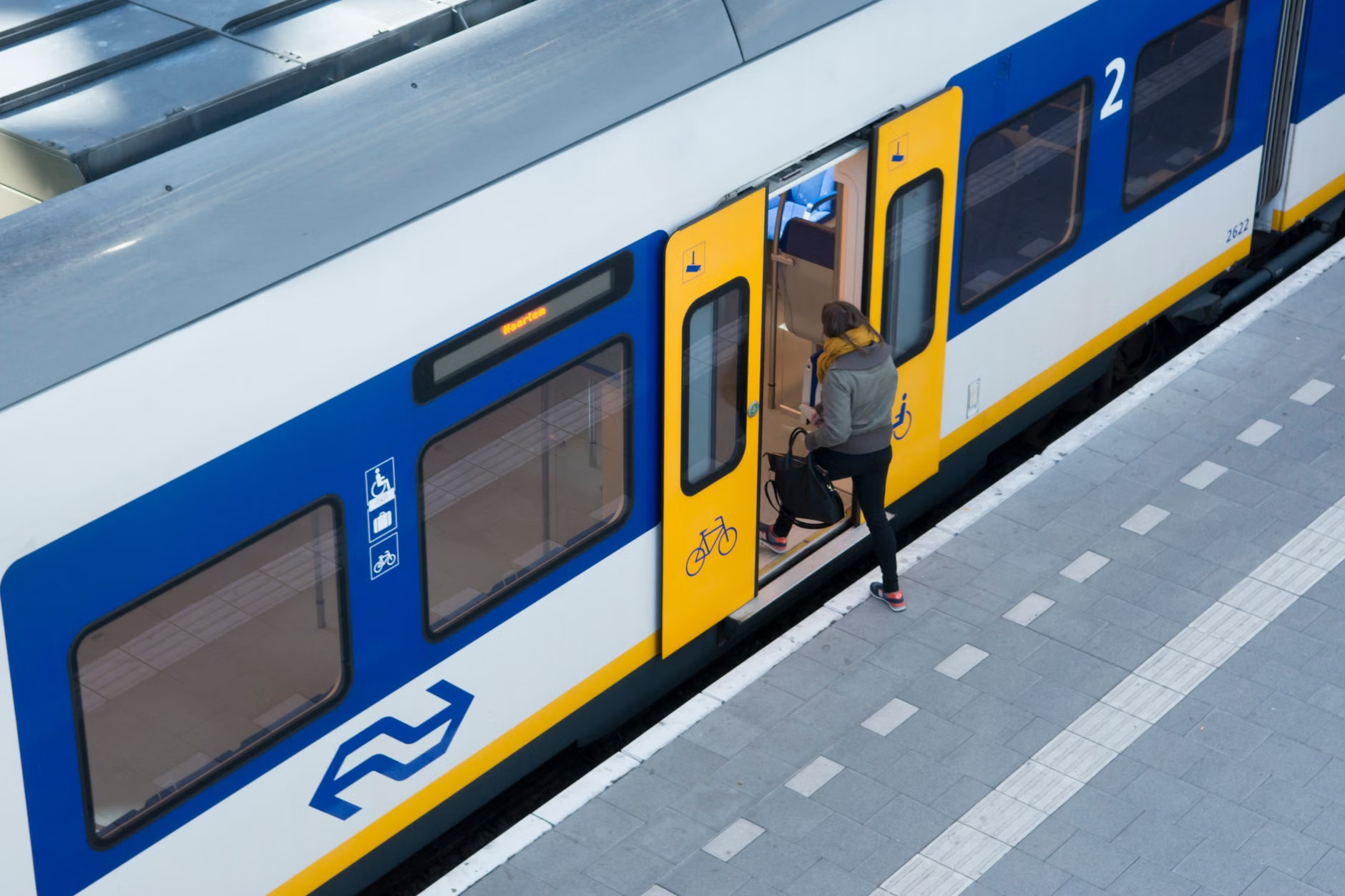
Safety on a funicular is not just about the mechanical integrity of the car; it is about managing your own stability during the journey. Because funiculars travel on steep inclines, the floor of the cabin is often raked or stepped. This can be disorienting for those with balance issues or vertigo.
Practical Steps for a Safe Journey
- Boarding Priority: If the station has a priority boarding line for seniors or those with limited mobility, use it. It avoids the “rush” that can lead to falls.
- Seating Strategy: If the cabin is crowded, do not hesitate to ask a fellow passenger for a seat. Most travelers are happy to oblige, but you must be prepared to ask clearly and politely.
- Handrail Usage: Always maintain contact with a handrail or a stable surface until the carriage has come to a complete stop. Funiculars can have sudden, jerky movements during the braking phase.
If you experience motion sickness, try to face the direction of travel and focus on a fixed point on the horizon rather than the rapidly moving hillside directly outside the window. If you use a cane, ensure it has a rubber ferrule (the tip) that is in good condition to prevent slipping on metal or stone surfaces inside the station.
Advanced Tips for International Travel
When traveling abroad, accessibility laws differ by jurisdiction. In the European Union, the European Accessibility Act is gradually standardizing requirements, but historic sites often receive exemptions due to heritage preservation status. This means you cannot assume that a funicular in one country will have the same standards as one in another.
How to Research Before You Go
- Locate the Official Operator: Avoid third-party travel blogs. Search for the specific transit authority’s website (e.g., search for “[City Name] Public Transport Authority”).
- Look for the “Accessibility” or “Reduced Mobility” tab: Most professional transport websites will have a dedicated page for “PMR” (Personnes à Mobilité Réduite in French) or “Reduced Mobility.”
- Verify the “Last Mile”: Use Google Maps “Street View” to look at the approach to the funicular station. Are there stairs? Is the ground uneven? If you see stairs, look for a secondary entrance or a lift icon.
Common Pitfalls and How to Avoid Them
The most common mistake is over-scheduling. Many travelers try to combine a funicular trip with a walking tour of the old town immediately after. This is a recipe for fatigue. Instead, plan a “Recovery Window.” Once you arrive at the top, find a café or a public park bench and sit for at least 20 minutes before beginning your exploration. This allows your cardiovascular system to normalize and helps you regain your focus.
Another overlooked variable is the toilet situation. Historic funicular stations are notorious for having inaccessible or non-existent restrooms. Always use a restroom at a main transit hub or a hotel before heading to the funicular station. If you have specific medical needs, carry a small, portable “emergency kit” that includes your medication, a snack, and a bottle of water, regardless of how short the trip is intended to be.
Conclusion: The Joy of Measured Exploration
Choosing to ride a historic funicular is a wonderful way to see the world from a different perspective. By acknowledging that these systems are living artifacts—beautiful, steep, and occasionally challenging—you can take the necessary steps to ensure your experience is comfortable and safe. Focus on your own pace, verify the accessibility of the boarding platforms, and never feel pressured to keep up with the crowd. Your travel experience is about your enjoyment and discovery, not the speed at which you move through a destination.
Frequently Asked Questions
1. Can I bring my folding mobility scooter onto a funicular?
Most modern funiculars accommodate mobility scooters if they are foldable and meet specific size requirements. However, you must check the operator’s policy beforehand. Some historic carriages have very narrow doors that physically prevent a scooter from entering. Always contact the operator via email if you are unsure.
2. Are there discounts for seniors on funicular transit?
Yes, many cities offer “Senior Concession” fares. These are often tied to specific age thresholds (commonly 60, 65, or 70). Be prepared to show a government-issued photo ID as proof of age at the ticket window. Note that these discounts are usually only valid for residents or specific tourist passes, so check the official transit website for “Concessions.”
3. What should I do if I feel overwhelmed by the crowd at the station?
Crowding is a common stressor. If you find a station too busy, step aside to a quiet corner and wait for the next carriage. Funiculars typically run on a frequent schedule (every 10 to 15 minutes). It is far better to wait for a less crowded car than to risk being bumped or pushed in a rush to board.
Disclaimer: This guide is for informational purposes only and does not constitute medical or professional travel advice. Always assess your own physical capabilities and consult with your healthcare provider if you have concerns about travel-related activities.
Official Resources for Further Research: