Successful river cruise excursions rely on a packing strategy that prioritizes mobility, energy conservation, and accessibility. By shifting from a “bring everything” mentality to a “prepared for the terrain” approach, travelers can navigate heritage sites and cobblestone streets with confidence and ease.
- Prioritize Footwear: The most significant factor in heritage site accessibility is your footwear; choose shoes with high-traction, shock-absorbing soles to handle uneven historical paths.
- Modular Packing: Use clear, labeled pouches to organize essentials, ensuring you can access medication, mobility aids, and documents without rummaging through heavy bags.
- Energy Management: Pack lightweight, foldable mobility support and external power sources to ensure you can sustain your stamina during long excursions where seating is limited.
The Philosophy of “Accessible Packing” for Heritage Sites
River cruises often stop at historic town centers, many of which were built centuries before modern accessibility standards existed. This means you will frequently encounter cobblestones, steep inclines, and narrow alleyways. Packing for these environments is not just about what you wear, but how you distribute your weight and manage your physical energy throughout the day.
The “what it is” of accessible packing involves selecting gear that functions as an extension of your own physical capacity. The “why it matters” is simple: when you are not struggling with heavy bags or improper footwear, you have more cognitive and physical bandwidth to enjoy the historical significance of your destination. In real life, this looks like choosing a cross-body bag that keeps your hands free for balance, rather than a heavy shoulder bag that pulls you off-center.
Essential Gear: Footwear and Mobility Aids
Your feet are your primary mode of transport on shore. Heritage sites are notorious for irregular surfaces that can cause fatigue or trips. When choosing shoes for a cruise, do not prioritize fashion over structural support.
Selecting the Right Footwear
Look for shoes that offer “arch support” and “torsional stability.” Torsional stability means the shoe does not easily twist in the middle, which is critical when walking on uneven cobblestones. A common mistake is bringing brand-new shoes; always break in your walking shoes for at least two weeks before your departure.
| Feature | Why It Is Important | Recommendation |
|---|---|---|
| Outsole Grip | Prevents slipping on wet, ancient stone paths. | Rubberized, deep-tread soles. |
| Heel Counter | Provides stability to the rear foot. | Firm, reinforced heel cup. |
| Weight | Reduces cumulative muscle fatigue. | Lightweight synthetic or mesh uppers. |
Managing Daily Excursion Stamina
Excursions on river cruises can range from 90 minutes to four hours. The critical variable here is “recovery time.” If you have a morning excursion, you must plan for an afternoon of low-impact activity on the ship. Packing for this requires a “stamina kit” that you carry with you.
The “Stamina Kit” Checklist
- Hydration Vessel: A collapsible silicone water bottle saves space and weight.
- Portable Seating: If you struggle with standing, consider a lightweight, foldable cane-seat. These are highly effective for waiting in museum queues.
- External Battery: Your smartphone is your lifeline for maps, translation apps, and emergency contacts. A high-capacity power bank ensures you aren’t stranded without digital tools.
- Personalized Pacing Guide: Keep a printed copy of the excursion itinerary with your own notes on where to find benches or restrooms.
Many European and Asian river cruise ports have varying degrees of accessibility. It is a common misconception that all historic sites are fully wheelchair or walker accessible. Before you leave, use official resources such as the European Network for Accessible Tourism (ENAT) to understand the infrastructure of your destination. If you use a mobility aid, ensure it is foldable and can be easily stored in the excursion bus or the ship’s lobby.
Packing for Health and Wellbeing
Never rely on local pharmacies for essential daily medications. When packing, use a “double-redundancy” rule: keep one week’s worth of medication in your carry-on luggage and another week’s worth in your checked or main cabin luggage. This protects you in the event of lost or delayed bags.
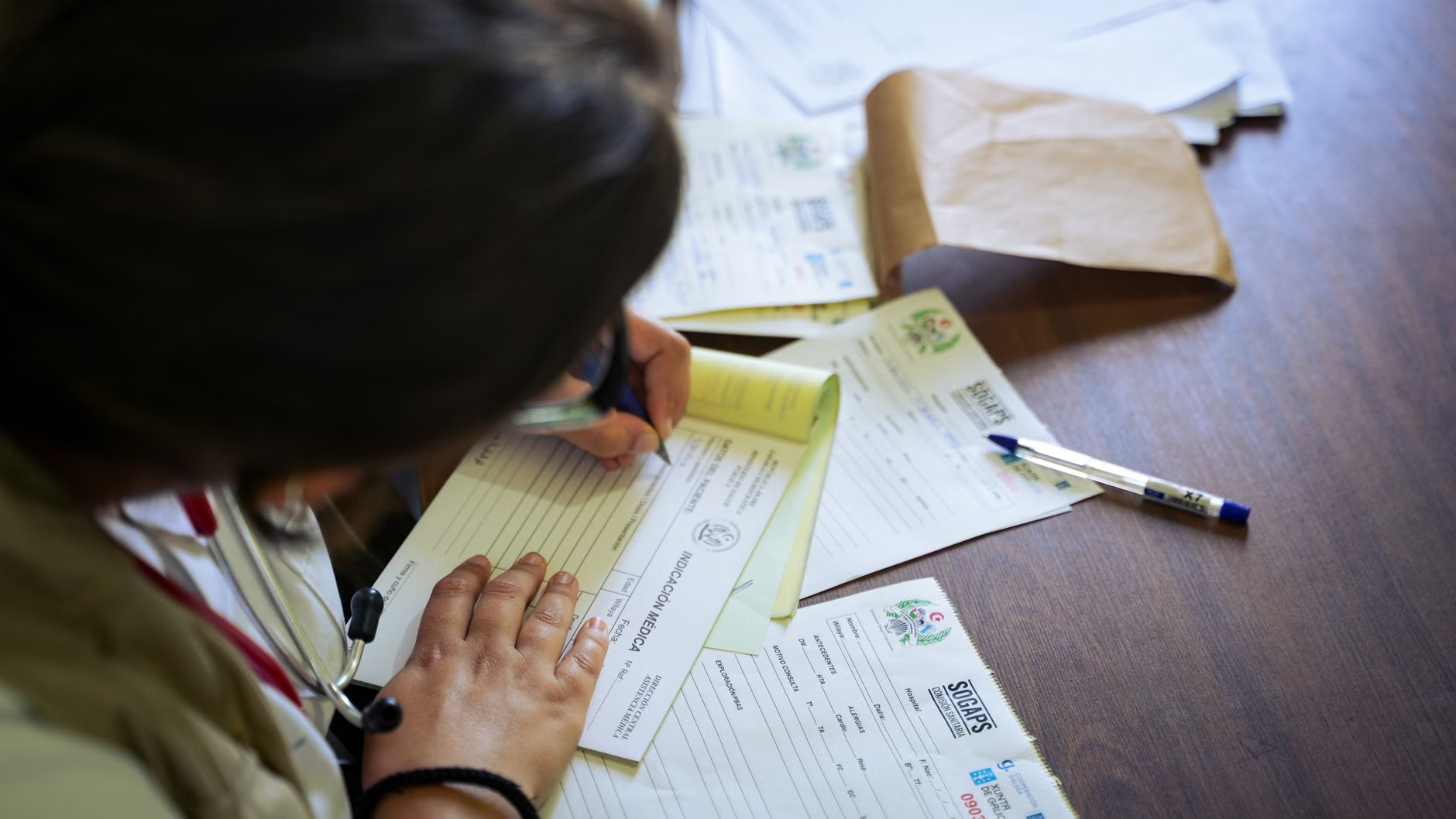
If you have specific medical conditions, carry a “medical summary card” in the local language of the countries you are visiting. This card should list your diagnoses, current medications, and any allergies. This is a practical, low-cost safety measure that significantly reduces stress during a medical encounter in a foreign country.
Strategic Luggage Selection
Your luggage itself determines how much energy you have left for the cruise. For river cruises, where you may move between the ship and various transport modes, opt for four-wheeled “spinner” luggage. These require significantly less physical effort to maneuver than two-wheeled rolling bags. Ensure your suitcase has an ergonomic handle that does not strain your wrist.
Weight Distribution Strategies
Pack heavy items at the bottom of your suitcase, near the wheels. This lowers the center of gravity, making the bag easier to push and less likely to tip over. Use packing cubes to compartmentalize your clothing; this prevents your items from shifting during transit and makes it easier to find what you need without unpacking your entire suitcase in a small cabin.
Maximizing the Cruise Experience
The true joy of a river cruise is the slow pace and the intimacy of the journey. Do not feel obligated to participate in every excursion. If your mobility is limited or your stamina is low on a particular day, the ship itself is a destination. Many modern river cruise ships offer excellent views, lecture series, and cultural workshops that allow you to engage with the region without leaving the deck.
Before leaving home, check with your cruise line regarding their “accessibility officer.” Most major lines have a dedicated staff member who can provide specific information about the walking distance at each port and the availability of accessible transport options. Knowing this in advance allows you to make informed decisions about which excursions are suitable for your current fitness level.
Understanding the “Hidden” Variables
One overlooked variable in river cruise travel is the “gangway challenge.” Depending on the river’s water level, the gangway—the ramp used to board and exit the ship—can be quite steep. If you have concerns about your balance, always speak to the crew upon arrival. They are trained to assist passengers with boarding and can often provide a more stable, less steep route or physical assistance.
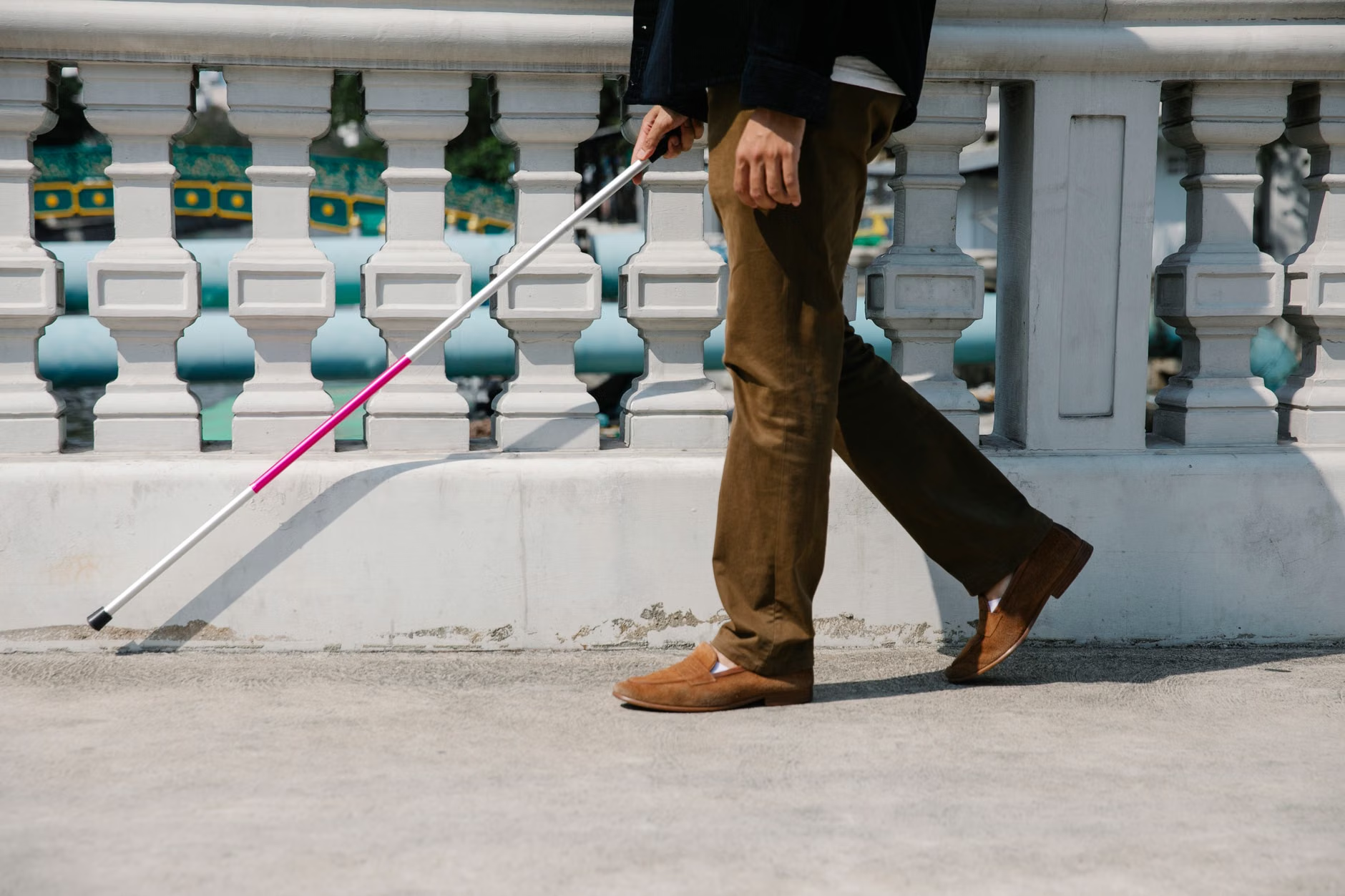
Additionally, consider the “climate-terrain interaction.” Walking on dry cobblestones is significantly easier than walking on wet ones. Check the weather forecast for your destination 48 hours before departure. If rain is expected, ensure your footwear has extra grip and that your mobility aid (like a cane) has a rubber ferrule (the tip) that is in good condition to prevent sliding.
Finally, remember that your travel insurance should be as carefully chosen as your clothing. Ensure your policy covers “medical repatriation” and “pre-existing conditions” if applicable, and that it is valid for every country on your itinerary. Having this documentation saved in both a digital folder on your phone and as a hard copy in your documents pouch is a simple step that provides immense peace of mind.
Conclusion: The Value of Preparation
Packing for an accessible heritage river cruise is about removing obstacles before they appear. By selecting the right gear, organizing your essentials, and being realistic about your physical requirements, you can focus on the historical beauty and relaxing atmosphere of the river. Remember, the goal of the trip is enjoyment and enrichment; prioritizing your comfort and safety is the most effective way to ensure you achieve both.
Frequently Asked Questions
1. Should I bring my own walker or wheelchair on a river cruise?
If you use these aids daily, you should absolutely bring them. Ensure they are foldable and compact. Contact your cruise line beforehand to confirm the width of your cabin door and the accessibility of the ship’s public areas.
2. How can I manage cobblestone streets if I have balance issues?
Use a sturdy, height-adjustable walking stick with a wide rubber base for extra traction. If your balance is significantly challenged, prioritize excursions labeled as “gentle” or “panoramic” by the cruise line, which minimize walking on uneven surfaces.
3. What should I include in my medical document pouch?
Your pouch should contain a list of all current medications (including dosages), a list of allergies, contact information for your primary care physician at home, and a copy of your travel insurance policy with the international emergency contact number clearly highlighted.