Maintaining healthy circulation in your lower legs is a fundamental pillar of mobility and long-term independence for adults aged 60 to 80. The seated toe-tap is a simple, effective, and accessible exercise designed to activate the calf muscles—often called the “second heart”—to help pump blood back toward the torso, reducing the risk of swelling and promoting vascular health.
- The Calf Muscle Pump: Toe-taps engage the gastrocnemius and soleus muscles, which are essential for moving blood against gravity.
- Consistency Over Intensity: Short, frequent sessions throughout the day are more effective for circulation than a single, strenuous workout.
- Safety First: If you experience persistent pain, sudden swelling, or skin discoloration, consult a healthcare professional, as these may indicate underlying conditions requiring medical attention.
Understanding the Mechanics of Lower-Leg Circulation
As we age, the efficiency of our venous system—the network of veins responsible for returning blood to the heart—can decrease. Gravity naturally pulls blood downward, and if we spend long periods sitting, that blood can pool in the lower legs and ankles. This pooling, known as venous stasis, often leads to edema (swelling), discomfort, and a feeling of heaviness in the legs.
The “calf muscle pump” is your body’s natural solution. When you flex your ankle or tap your toes, you contract the calf muscles. These muscles squeeze the deep veins in your legs, forcing the blood upward through one-way valves. When these muscles are inactive for extended periods, the valves struggle to move the blood efficiently, leading to the common symptoms of poor circulation.
Why Seated Toe-Taps Are Ideal for Seniors
Unlike high-impact exercises, seated toe-taps require minimal equipment and put virtually no strain on the joints. They are particularly suitable for those who may have limited mobility, balance concerns, or who spend significant time at a desk, reading, or watching television. By integrating this movement into your daily routine, you are essentially performing “active rest”—keeping your circulation moving without the need for a gym or specialized gear.
How to Perform Seated Toe-Taps Safely
Effectiveness relies on correct technique. The goal is not speed, but rather full range of motion. Follow these steps to ensure you are engaging the correct muscle groups:
- Find a Supportive Seat: Choose a sturdy chair that allows your feet to rest flat on the floor. Avoid chairs that are too deep, which can press against the back of your knees and restrict blood flow.
- Positioning: Sit with your back against the chair. Ensure your knees are bent at approximately a 90-degree angle.
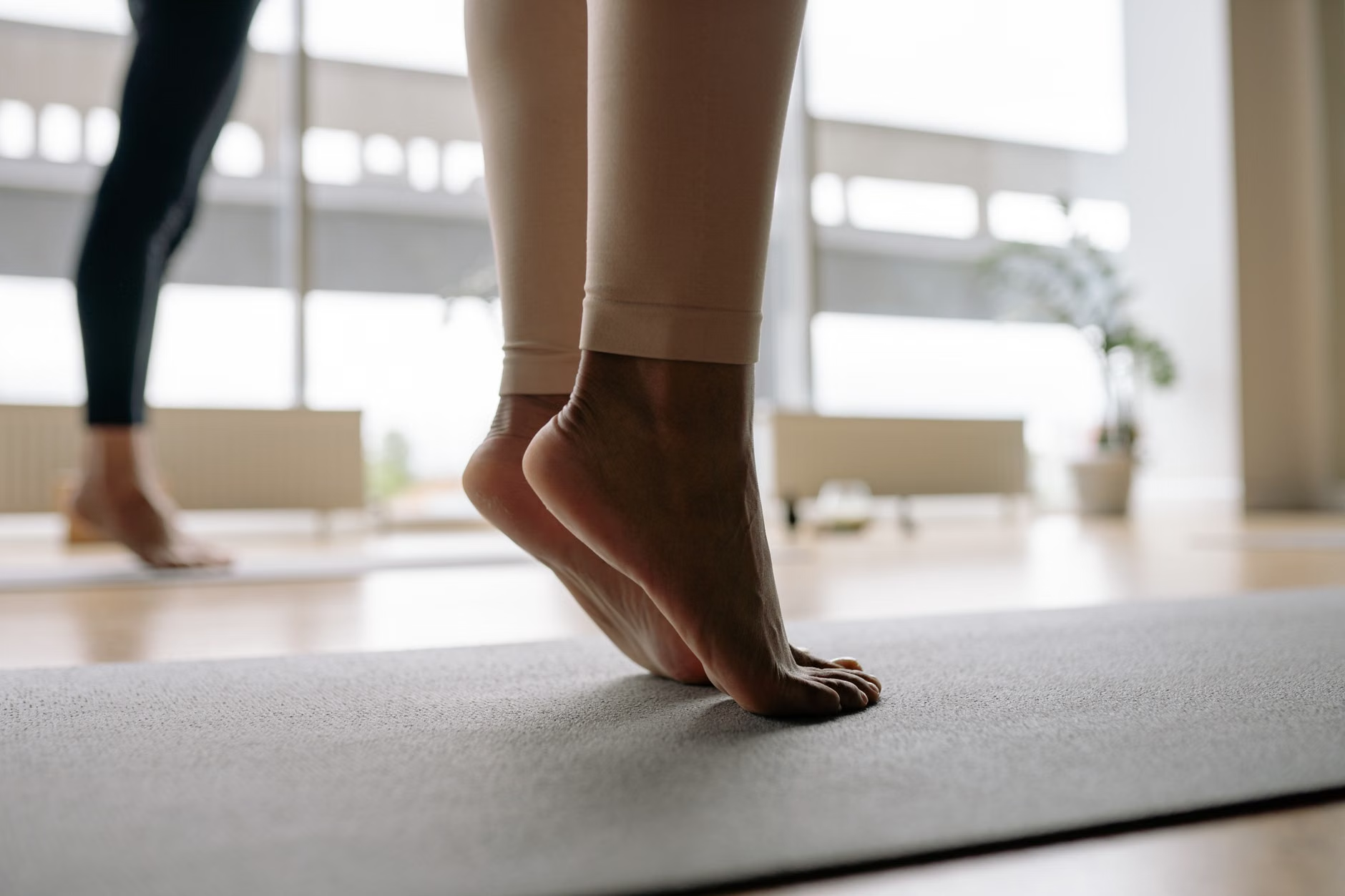
- The Movement: Keep your heels firmly planted on the ground. Lift the front of your feet (your toes) as high as you comfortably can, then tap them back down onto the floor.
- Rhythm: Aim for a steady, rhythmic pace. You should feel a slight activation in the front of your shins and the back of your calves.
Recommended Frequency and Volume
For most adults, the most practical approach is to perform 20 to 30 taps per foot, every hour or two. This “micro-exercise” strategy prevents the stagnation of blood that occurs during long periods of sedentary behavior. You do not need to set aside a specific “workout time”; instead, treat these taps as a routine habit, perhaps every time you finish a chapter of a book or every time a television commercial begins.
| Goal | Frequency | Notes |
|---|---|---|
| General Maintenance | 20 reps per foot, 3-4 times daily | Best for those with no existing symptoms. |
| Managing Mild Swelling | 30 reps per foot, every 60-90 minutes | Increases the frequency to keep fluid moving. |
| Post-Travel/Long Sitting | Continuous 5-minute sessions | Use during long car or plane rides. |
The table above provides a general guide. If you have specific medical conditions like peripheral artery disease or deep vein thrombosis (DVT), you must consult your doctor before starting any new exercise routine.
The Role of Lifestyle in Supporting Circulation
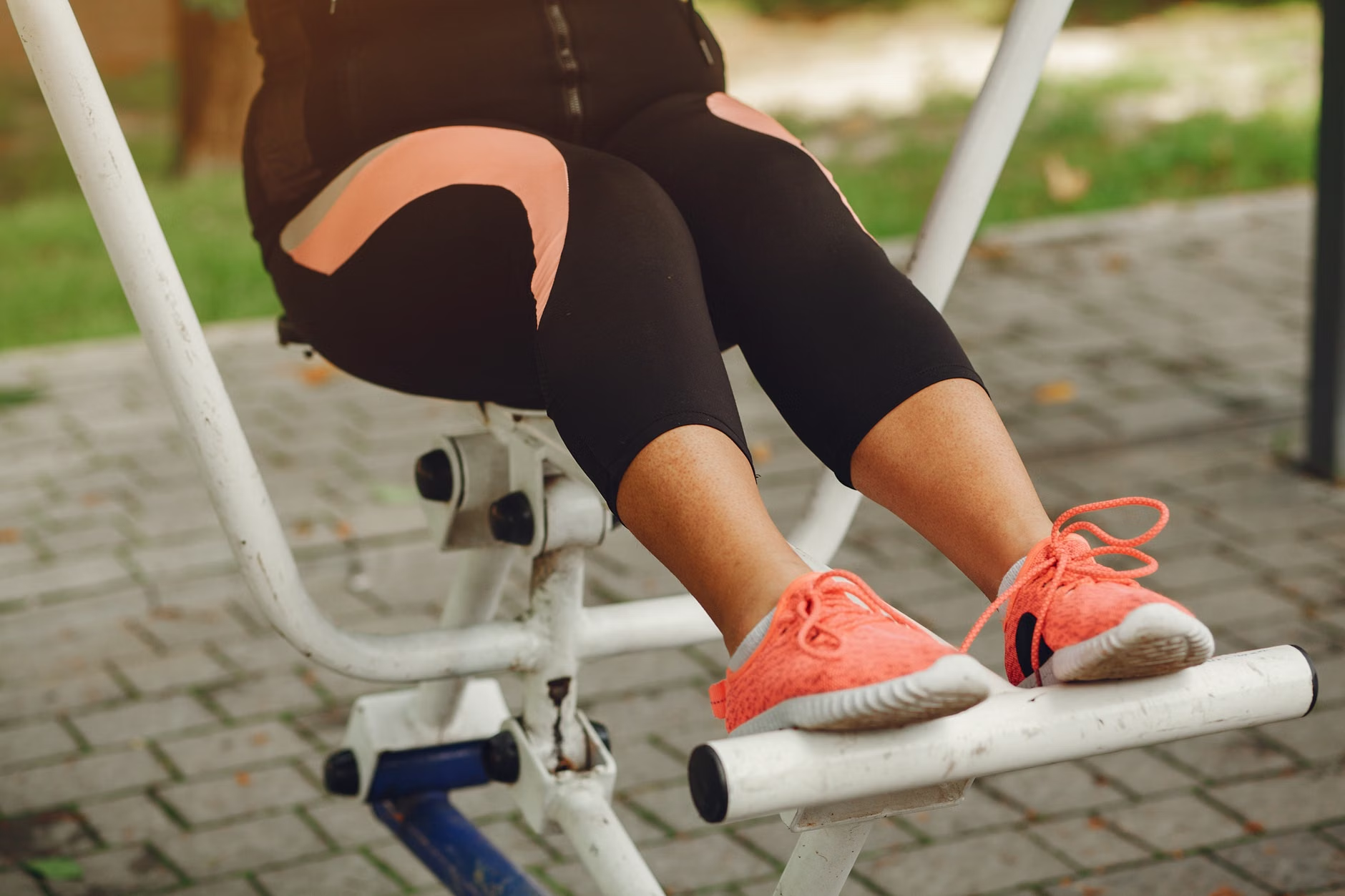
While toe-taps are a powerful tool, they work best when supported by other healthy habits. Circulation is a systemic process, influenced by hydration, clothing, and overall activity levels.
Hydration and Its Impact on Blood Flow
Dehydration can cause blood volume to decrease, making it more difficult for the heart to pump blood effectively to the extremities. For older adults, the sensation of thirst often diminishes. Aim to drink water consistently throughout the day. A simple way to track this is to keep a water bottle within reach and aim to finish it by a certain time each afternoon.
Clothing Choices
Tight socks or pants with restrictive elastic bands can act like a tourniquet, hindering venous return. If you notice an indentation on your skin after removing your socks, they are likely too tight. Opt for clothing that allows for full range of motion and does not compress the skin, especially around the ankles and calves.
Monitoring Your Progress
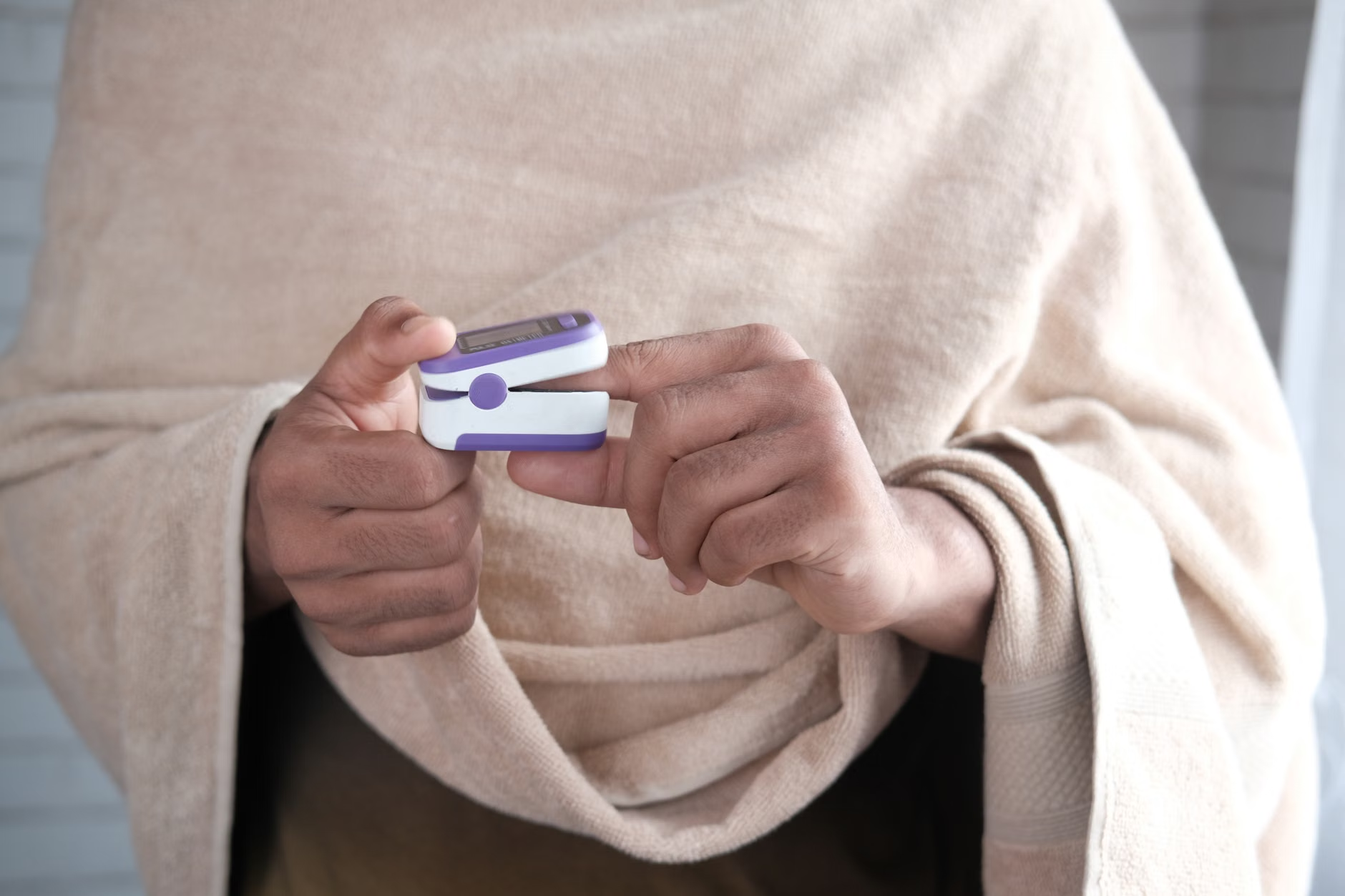
Self-monitoring is essential. If you are using exercises like toe-taps to manage mild swelling, keep a simple log or mental note of your symptoms. If you find that the swelling does not improve after a few days of consistent movement, or if it becomes asymmetrical (one leg swelling more than the other), this is a sign that you should seek professional medical advice.
When to Seek Professional Guidance
While preventative exercises are excellent, they are not a substitute for medical care when underlying issues exist. Be vigilant for “red flag” symptoms that indicate it is time to see a doctor:
- Sudden, severe swelling in one leg, which can be a sign of a blood clot.
- Pain, warmth, or redness in the calf area.
- Skin changes, such as thinning, darkening, or sores that do not heal.
- Shortness of breath or chest pain, which can be associated with circulation issues.
When you do visit a healthcare professional, bring a list of your current medications—some drugs, including certain blood pressure medications, can contribute to peripheral swelling. Ask specific questions, such as: “Are my current symptoms expected for my age, or do they indicate an underlying vascular issue?” and “Is it safe for me to perform calf-strengthening exercises given my medical history?”
Common Pitfalls and How to Avoid Them
Even with good intentions, it is easy to fall into habits that limit the effectiveness of your efforts. One common mistake is “over-tensing.” Some people try to perform the movement with too much force, which can cause muscle cramps. The movement should be smooth and controlled. If you feel a cramp coming on, stop, gently massage the calf muscle, and try again with a smaller range of motion.
Another pitfall is neglecting the other parts of the leg. While toe-taps are excellent for the lower leg, remember to stand up and walk for a few minutes whenever possible. Movement is a holistic requirement for the human body; no single exercise can replace the benefits of walking, even if that walk is just around your home.
Conclusion: Building a Sustainable Habit
The key to reaping the benefits of seated toe-taps is consistency. Think of this not as a chore, but as a small, non-negotiable part of your daily rhythm—much like brushing your teeth. By prioritizing these small movements, you are actively participating in your own health, reducing discomfort, and ensuring that your legs remain as mobile and healthy as possible for years to come.
Start today. The next time you find yourself sitting, take a moment to lift your toes. Your legs will thank you.
Frequently Asked Questions (FAQ)
Q1: Can I do toe-taps if I have varicose veins?
A: In many cases, gentle movement like toe-taps is encouraged to help blood flow. However, because varicose veins involve damaged valves, you should speak with a vascular specialist to ensure that your specific exercise plan is safe and effective for your condition.
Q2: Should I wear compression stockings while doing these exercises?
A: Compression stockings can support circulation, but they should be fitted by a professional. If you are already prescribed them, you can certainly perform your toe-taps while wearing them. Do not start using compression garments for the first time without discussing it with your doctor, as they are not suitable for everyone.
Q3: How long does it take to see results?
A: For mild, activity-related swelling, you may notice an improvement in comfort within a few days of consistent practice. If you are dealing with chronic swelling or other circulatory issues, improvements may take longer and require a comprehensive approach including diet and medical management.
Official guidance on physical activity for older adults can be found through the World Health Organization (WHO) Guidelines on physical activity and sedentary behaviour.